
Dry Mixed Recycling Collections
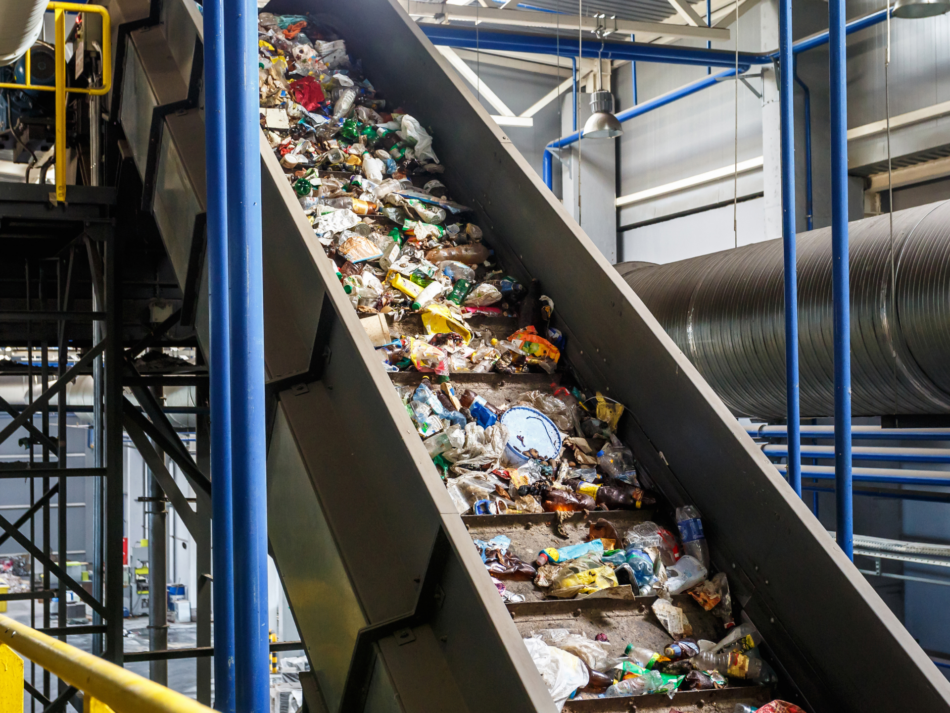
Dry mixed recycling (DMR) lets businesses store several accepted dry recyclables in one container, such as paper, cardboard, plastic bottles and containers, and metal cans or tins. Business Waste provides commercial dry mixed recycling bins and scheduled collections across the UK.
Dry mixed recycling is also sometimes called single stream recycling because several accepted recyclable materials are placed into one container and sorted after collection. The exact materials accepted depend on the collection service.
We’ll confirm which materials can share a DMR bin at your site, which need a separate stream, and the right bin size and collection frequency. Standard DMR bins are supplied with no rental or delivery charge, and the relevant waste transfer paperwork is provided.
 Collections in the last 7 days

Get a free quote
Get a fast FREE quote for your DMR waste
- Free quote within 1 hour
- Paper, card, plastic, and metal assessed
- FREE bins and delivery
- We cover all of the UK
How DMR collections work
-
Tell us about your DMR
Tell us what type of business you run, how your recycling is set up now, and how much DMR you produce. We’ll send a quote within one hour.
-
Receive your free DMR bins
We deliver the right number and size of DMR bins with no delivery or rental fees. You only pay for collections.
-
Keep materials clean and dry
Use your DMR bins for accepted paper, cardboard, plastics, and metals. Don’t include food, liquids, general waste, or anything your collector has not approved.
-
We collect on schedule
Licensed carriers collect your DMR on the agreed schedule and take it to authorised sorting or recycling facilities. Duty of Care paperwork is provided.
What can go in dry mixed recycling?
Paper and card
- Office paper
- Newspapers and magazines
- Envelopes
- Clean cardboard boxes
- Cardboard packaging
Plastics
- Accepted plastic bottles
- Pots, tubs and trays
- Other rigid plastic containers approved for the service
Metals
- Drinks cans
- Food tins
- Aluminium foil
- Clean aluminium trays
Ensure all materials are empty of contaminants such as food or liquid waste. This will help reduce rejected loads or additional sorting when your DMR reaches its final destination.
Always follow the accepted-material list supplied for your DMR service. Materials such as glass, flexible plastics, cartons and certain packaging may be accepted on some collections and excluded from others.
DMR collections with
Business Waste Ltd
DMR works well if your business produces clean recyclables but doesn’t have space for lots of separate bins. It gives your team one simple recycling stream for everyday paper, card, plastics, and metals.
We help you choose the right bin size, set the collection schedule, and keep contamination low.
When you work with us, you get:
- Free DMR bins with no delivery or rental charges
- 240L, 360L, 660L, and 1100L bin options
- Clear guidance on what can and can’t go in your DMR bin
- Daily, weekly, or fortnightly collections to suit your schedule
- One contact for bins, collections, and paperwork
- Duty of Care paperwork and waste transfer records
- DMR sent to authorised recycling facilities
- Support with Simpler Recycling requirements in your area
Our approach is built around clarity, compliance and cost efficiency.
DMR setups for
different sites
Your DMR setup should match your site, not make recycling harder. An office may only need one small mixed recycling bin. A school, restaurant, or retail unit may need larger bins and more frequent collections.
How we set up your DMR collections:
- Check your current bins
- Reduce general waste where possible
- Introduce additional streams where DMR is not enough
- Support staff to avoid avoidable contamination
- Monitor performance and review collections if your volume changes
Sectors we work with include:
- Offices – paper, documents, drinks cans, plastic bottles, and light packaging
- Retailers – cardboard, packaging, paper, cans, and clean plastic containers
- Schools and colleges – paper, plastic bottles, cartons where accepted, and canteen packaging
- Restaurants and cafés – drinks cans, clean containers, packaging, and separate food waste collections
- Warehouses – packaging, card, plastic containers, and larger recycling bins where separate cardboard is not needed
We also support multi-site businesses with unified reporting and central oversight. This helps you track recycling, manage paperwork, and keep costs under control.
What bins are used for
DMR waste?
We supply free, clearly labelled bins for dry mixed recycling. You only pay for collection.
- 240 litre DMR bin – suitable for offices, kitchens and sites with limited space.
- 360 litre DMR bin – suitable for sites with moderate recycling volumes or shared staff areas
- 660 litre DMR bin – often used by retail units, schools and restaurants.
- 1100 litre DMR bin – best for larger premises, busy hospitality venues and sites producing higher volumes
All bins are wheeled and can be moved to your agreed collection point.
If paper, cardboard, glass, or plastic builds up quickly, we may recommend a separate bin for that waste instead of putting everything into DMR.
Case study: Dry mixed recycling support
for Littleton Steel
Littleton Steel generates a consistent volume of recyclable packaging waste through its daily operations, including cardboard, paper, plastic, and cans. For manufacturers handling regular deliveries and dispatches, an effective dry mixed recycling service helps keep valuable recyclable materials separate from general waste.
Alongside its general waste collections, the business required a dedicated dry mixed recycling solution that would fit seamlessly into its existing waste management process.
We supplied an 1100-litre dry mixed recycling bin together with an 1100-litre general waste bin, both collected on a fortnightly schedule. This provides ample capacity for recyclable packaging while keeping the site’s waste streams clearly separated.
The fortnightly setup gives Littleton Steel dedicated capacity for paper, cardboard, plastic and cans while keeping these materials out of its general waste bin.
Read Our Customer Reviews
Efficient communication
We have worked alongside Business Waste for quite a few months now, and their efficiency with communication and resolving queries is great. Allie especially is a pleasure to liaise with. Great company from a B2B perspective
Flo Bolton-Smith
The real definition of service
The service received was simply outstanding. Business Waste gave good advice and a demonstration of a willingness to help and get me a solution.
Gregory Harrand
Great company
Great company to deal with, special thanks to Danielle who is always on the ball and sort any issues out instantly with proactive involvement with follow up phone calls and emails. I would recommend her to be the next PM to get things done, oh and as a company to deal with all the waste needs for your business.
Top Deals Online
Excellent service set up process
I was impressed by the speed of setting up the service. I made a single phone call to Business Waste and all the necessary paperwork was done efficiently.
Yahya Saeed
DMR compliance and paperwork
Businesses have a Duty of Care to store, transfer, and dispose of waste correctly. For DMR, that means keeping recycling clean and dry, using licensed carriers, and keeping relevant waste transfer documentation.
In England, Simpler Recycling rules state that workplaces with 10 or more full-time staff have had to keep dry recyclables away from food waste and general waste since 31 March 2025. Micro-firms have until 31 March 2027 to comply.
Paper and card must normally be collected separately from plastic, metal and glass. A waste collector can combine them only when a required written co-collection assessment is in place.
We’ll confirm whether your site can use a combined DMR collection or needs separate paper/card, glass, food or other recycling streams.
What you’ll receive:
- Licensed waste carriers
- Duty of Care documentation
- Waste Transfer Notes
- Clear guidance on accepted DMR materials
- Support with Simpler Recycling requirements
- Separate streams where DMR is not suitable, such as food, glass, or large volumes of cardboard
- Free bins
- 1 month’s free collections
-
 Free bins
 -
Mixed recycling
-
Tailored quote
-
Free duty of care
-
1 month’s free collections




Get a fast and free quote
Get a fast FREE quote for dry mixed recycling collection
- Free quote within 1 hour
- Any type of DMR
- FREE bins and delivery
- We cover all of the UK
Dry Mixed Recycling FAQs
-
What is dry mixed recycling (DMR)?
DMR is a single waste stream for clean, dry and uncontaminated paper, cardboard, plastics and metals. These items are collected together before being sorted and recycled.
Learn more about DMR waste by visiting our ultimate guide.
-
What goes in dry mixed recycling (DMR)?
-
What cannot go in dry mixed recycling (DMR)?
The wrong items can contaminate your DMR bin and stop materials from being recycled. Keep these out of dry mixed recycling:
- Food waste – use a separate food waste bin where required
- Sanitary waste – nappies, used tissues, and sanitary products
- Potentially hazardous waste – batteries, bleach bottles, and paint tins
- Liquids – drinks, lubricants, and other fluids
- Glass and ceramics – bottles, jars, and pots
- Certain packaging – crisp packets, coffee cups, cling film, and plastic bags
- Polystyrene, wood offcuts, and textiles – clothes and polystyrene packaging
-
Why is contamination in DMR a problem?
Contamination happens when food, liquids, general waste, nappies, tissues, hazardous items, or non-accepted materials go into a DMR bin. These items can spoil clean paper, card, plastics, and metals, which may lead to rejected loads or extra sorting costs.
-
Do I need separate bins for paper and plastics?
Not always. DMR lets you put accepted paper, card, plastics, and metals in one bin where your collection setup allows it. Some sites still need separate bins for paper, cardboard, glass, food, or plastic, depending on waste volumes, contamination risk, and Simpler Recycling rules.

Dry mixed recycling (DMR) collection in the UK
And arrange your free bin and your collection
- Armagh
- Bolton Waste Management
- Brighton & Hove Waste Management
- Bristol Waste Management
- Canterbury Waste Management
- Cardiff Waste Management
- Carlisle Waste Management
- Chelmsford Waste Management
- Chester Waste Collection
- Chichester Waste Collections
- Commercial Waste Birmingham
- Commercial Waste Collection Edinburgh
- Commercial Waste Collection London
- Coventry Waste Management
- Durham Waste Management
- Ely Waste Disposal
- Glasgow Waste Management
- Hull Waste Management
- Kent Waste Management
- Lancaster Waste Management
- Lichfield Waste Disposal
- Liverpool Waste Management
- Luton Waste Management
- Newport Waste Management
- Oxford Waste Management
- Perth
- Peterborough Waste Management
- Preston Waste Management
- Reading Waste Management
- Ripon Waste Collection
- Salford Waste Management
- Slough Waste Disposal
- Southend Waste Disposal Services
- St Albans Waste Disposal
- Stirling Waste Management
- Stockport Waste Collection
- Swansea Waste Management
- Truro Waste Collection
- Wakefield Waste Management
- Warrington Waste Management
- Waste Collection Bath
- Waste Collection Middlesbrough
- Waste Disposal Inverness
- Waste Management Aberdeen
- Waste Management Abingdon
- Waste Management Accrington
- Waste Management Addlestone
- Waste Management Aldershot
- Waste Management Alfreton
- Waste Management Ashington
- Waste Management Ashton-under-Lyne
- Waste Management Aylesbury
- Waste Management Barnet
- Waste Management Barnsley
- Waste Management Barnstaple
- Waste Management Basildon
- Waste Management Basingstoke
- Waste Management Battersea
- Waste Management Bedford
- Waste Management Bedfordshire
- Waste Management Bedworth
- Waste Management Belfast
- Waste Management Bellshill
- Waste Management Belper
- Waste Management Beverley
- Waste Management Bexhill-on-Sea
- Waste Management Bicester
- Waste Management Billericay
- Waste Management Bingley
- Waste Management Bishop Auckland
- Waste Management Bishop’s Stortford
- Waste Management Blackburn
- Waste Management Blackpool
- Waste Management Blyth
- Waste Management Bognor Regis
- Waste Management Borehamwood
- Waste Management Bournemouth
- Waste Management Bradford
- Waste Management Brent
- Waste Management Brentwood
- Waste Management Bridgwater
- Waste Management Bridlington
- Waste Management Brighouse
- Waste Management Brixham
- Waste Management Broadstairs
- Waste Management Bromley
- Waste Management Bromsgrove
- Waste Management Burnham-on-Sea
- Waste Management Burnley
- Waste Management Burntwood
- Waste Management Bury
- Waste Management Bury St Edmunds
- Waste Management Buxton
- Waste Management Camborne
- Waste Management Cambridge
- Waste Management Cannock
- Waste Management Canvey Island
- Waste Management Castleford
- Waste Management Caterham
- Waste Management Chatham
- Waste Management Cheltenham
- Waste Management Chesterfield
- Waste Management Chippenham
- Waste Management Christchurch
- Waste Management Clacton-on-Sea
- Waste Management Cleethorpes
- Waste Management Clevedon
- Waste Management Coalville
- Waste Management Colchester
- Waste Management Colne
- Waste Management Congleton
- Waste Management Cornwall
- Waste Management Cramlington
- Waste Management Crawley
- Waste Management Crowborough
- Waste Management Croydon
- Waste Management Cumbria
- Waste Management Dartford
- Waste Management Derby
- Waste Management Devon
- Waste Management Dewsbury
- Waste Management Doncaster
- Waste Management Dorset
- Waste Management Dover
- Waste Management Droitwich
- Waste Management Dronfield
- Waste Management Dudley
- Waste Management Dumfries-Galloway
- Waste Management Dundee
- Waste Management Ealing
- Waste Management East Grinstead
- Waste Management East Lothian
- Waste Management East Molesey
- Waste Management East Riding of Yorkshire
- Waste Management Eastbourne
- Waste Management Ellesmere Port
- Waste Management Enfield
- Waste Management Essex
- Waste Management Evesham
- Waste Management Exeter
- Waste Management Exmouth
- Waste Management Falkirk
- Waste Management Falmouth
- Waste Management Farnborough
- Waste Management Felixstowe
- Waste Management Fife
- Waste Management Fleetwood
- Waste Management Folkestone
- Waste Management Frome
- Waste Management Gateshead
- Waste Management Gillingham
- Waste Management Glossop
- Waste Management Gloucester
- Waste Management Godalming
- Waste Management Grantham
- Waste Management Gravesend
- Waste Management Grays
- Waste Management Grimsby
- Waste Management Guisborough
- Waste Management Hailsham
- Waste Management Halesowen
- Waste Management Halifax
- Waste Management Hammersmith
- Waste Management Hampshire
- Waste Management Haringey
- Waste Management Harlow
- Waste Management Harrogate
- Waste Management Hastings
- Waste Management Havant
- Waste Management Haywards Heath
- Waste Management Hemel Hempstead
- Waste Management Hereford
- Waste Management Herne Bay
- Waste Management High Wycombe
- Waste Management Horley
- Waste Management Hornchurch
- Waste Management Horsham
- Waste Management Houghton Le Spring
- Waste Management Hounslow
- Waste Management Huddersfield
- Waste Management Huntingdon
- Waste Management Ilford
- Waste Management Ilkeston
- Waste Management in Tewkesbury
- Waste Management Ipswich
- Waste Management Isleworth
- Waste Management Islington
- Waste Management Keighley
- Waste Management Kendal
- Waste Management Kenilworth
- Waste Management Kensington
- Waste Management Kettering
- Waste Management Kidderminster
- Waste Management Kingston-Upon-Thames
- Waste Management Kingswinford
- Waste Management Knutsford
- Waste Management Lambeth
- Waste Management Lancashire
- Waste Management Lancing
- Waste Management Leamington Spa
- Waste Management Leeds
- Waste Management Leicester
- Waste Management Leigh
- Waste Management Leigh-on-Sea
- Waste Management Leighton Buzzard
- Waste Management Letchworth Garden City
- Waste Management Lewes
- Waste Management Leyland
- Waste Management Leyton
- Waste Management Lincoln
- Waste Management Lincolnshire
- Waste Management Littlehampton
- Waste Management Loughborough
- Waste Management Lowestoft
- Waste Management Lytham St Annes
- Waste Management Maidenhead
- Waste Management Maidstone
- Waste Management Malvern
- Waste Management Manchester
- Waste Management Mansfield
- Waste Management Margate
- Waste Management Market Harborough
- Waste Management Melton Mowbray
- Waste Management Milton Keynes
- Waste Management Mirfield
- Waste Management Morecambe
- Waste Management Newark-on-Trent
- Waste Management Newbury
- Waste Management Newcastle upon Tyne
- Waste Management Newquay
- Waste Management Newton Aycliffe
- Waste Management Newton-le-Willows
- Waste Management Norfolk
- Waste Management North Shields
- Waste Management North Yorkshire
- Waste Management Northampton
- Waste Management Northwich
- Waste Management Norwich
- Waste Management Nottingham
- Waste Management Nuneaton
- Waste Management Oldham
- Waste Management Oxfordshire
- Waste Management Paignton
- Waste Management Penzance
- Waste Management Plymouth
- Waste Management Poole
- Waste Management Portsmouth
- Waste Management Ramsgate
- Waste Management Redditch
- Waste Management Rochdale
- Waste Management Romford
- Waste Management Rossendale
- Waste Management Rotherham
- Waste Management Rugby
- Waste Management Rushden
- Waste Management Salisbury
- Waste Management Sandbach
- Waste Management Scarborough
- Waste Management Scottish Borders
- Waste Management Scunthorpe
- Waste Management Sevenoaks
- Waste Management Sheffield
- Waste Management Shoreham-by-Sea
- Waste Management Shrewsbury
- Waste Management Shropshire
- Waste Management Sittingbourne
- Waste Management Skegness
- Waste Management Skelmersdale
- Waste Management Somerset
- Waste Management South East London
- Waste Management South Lanarkshire
- Waste Management South Shields
- Waste Management Southampton
- Waste Management Southport
- Waste Management St Austell
- Waste Management St Helens
- Waste Management Stafford
- Waste Management Staffordshire
- Waste Management Stoke-on-Trent
- Waste Management Stroud
- Waste Management Suffolk
- Waste Management Sunderland
- Waste Management Surrey
- Waste Management Sussex
- Waste Management Sutton
- Waste Management Sutton Coldfield
- Waste Management Sutton-in-Ashfield
- Waste Management Swanley
- Waste Management Swindon
- Waste Management Tamworth
- Waste Management Taunton
- Waste Management Telford
- Waste Management Torquay
- Waste Management Tower Hamlets
- Waste Management Tunbridge Wells
- Waste Management Twickenham
- Waste Management Walsall
- Waste Management Wandsworth
- Waste Management Warminster
- Waste Management Watford
- Waste Management Wednesbury
- Waste Management Welwyn Garden City
- Waste Management West Bromwich
- Waste Management West Midlands
- Waste Management West Yorkshire
- Waste Management Weybridge
- Waste Management Weymouth
- Waste Management Whitstable
- Waste Management Wigan
- Waste Management Woking
- Waste Management Wolverhampton
- Waste Management Worcester
- Waste Management Worksop
- Waste Management Yorkshire
- Westminster Waste Collection
- Winchester Waste Collection
- Worthing Waste Collection
- Wrexham Waste Collection
- York Waste Management
Published 4th April 2022 by JackBrayshaw. Last modified 25th August 2026