

Construction Waste Management & Collection
Business Waste arranges construction waste management for builders, contractors, developers, trades and site managers across the UK.
We can provide skips, roll-on roll-offs, wheelie bins, bags and specialist containers for rubble, concrete, timber, plasterboard, soil, metals, packaging, general site waste and hazardous materials. Tell us what your project produces, the estimated volumes, site access and whether you need one-off or scheduled collections.
We’ll help match containers and collections to each waste stream, arrange collections through registered waste carriers and provide the required waste paperwork.
 Collections in the last 7 days

Get a quote for construction waste management
- Free quote within 1 hour
- Skips, ROROs, bins and specialist containers
- One-off and scheduled collections
- Waste paperwork at no additional charge
From local businesses to household names





Construction site waste management services
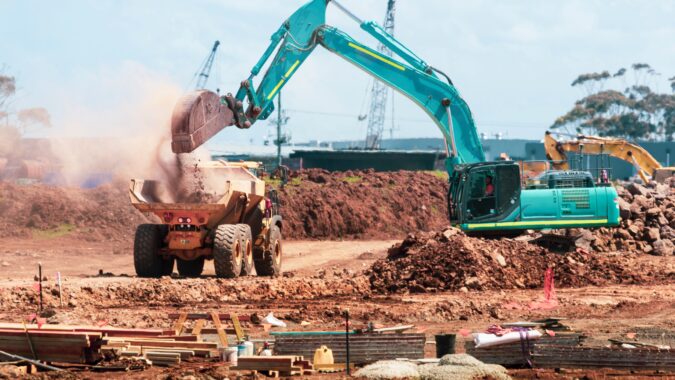
We arrange construction waste storage, collection and disposal for projects ranging from small commercial refurbishments to large building and demolition sites.
Your setup can include separate containers for heavy inert waste, timber, metals, plasterboard, packaging, general site waste and hazardous materials, with collections arranged around the project programme and available site space.
One-off collections can suit strip-outs, site clearances, refurbishment jobs and short demolition projects. For longer builds, we can arrange scheduled collections or container exchanges as waste volumes change through each project phase.
We can provide construction waste removal to sites anywhere in the UK, whether for building or demolition projects. Collections can be arranged daily, weekly, fortnightly, or as a one-off, depending on your site and waste volume.
Contact us online or call 0800 211 8390 to arrange construction waste collection today. Tell us where the site is, what waste you have, and how often it needs collecting, and we’ll provide a free quote.
Read Our Customer Reviews
Efficient communication
We have worked alongside Business Waste for quite a few months now, and their efficiency with communication and resolving queries is great. Allie especially is a pleasure to liaise with. Great company from a B2B perspective
Flo Bolton-Smith
The real definition of service
The service received was simply outstanding. Business Waste gave good advice and a demonstration of a willingness to help and get me a solution.
Gregory Harrand
Great company
Great company to deal with, special thanks to Danielle who is always on the ball and sort any issues out instantly with proactive involvement with follow up phone calls and emails. I would recommend her to be the next PM to get things done, oh and as a company to deal with all the waste needs for your business.
Top Deals Online
Excellent service set up process
I was impressed by the speed of setting up the service. I made a single phone call to Business Waste and all the necessary paperwork was done efficiently.
Yahya Saeed

Construction waste bins
The right container depends on the waste type, weight, volume, site access, and collection frequency. Heavy materials such as rubble and soil normally need different containers from packaging, timber, plasterboard, or general site waste.
Construction waste disposal
Construction and demolition projects should separate reusable and recyclable materials where possible. Materials such as bricks, concrete, rubble, metal, wood, and cardboard may be suitable for recycling or recovery when they’re kept separate.
Disposal methods vary depending on the materials. We aim to divert construction waste from landfill wherever suitable recycling or recovery routes are available. Collected materials are transferred to authorised recycling, recovery, treatment or disposal facilities according to their classification.
Clean, segregated concrete, brick and rubble may be suitable for crushing and reuse as recycled aggregate. Other materials follow the recycling, recovery or disposal route appropriate to their classification.
How does construction waste collection work?
-
Tell us about your site
Tell us your site location, project type, waste streams, estimated volumes, access limits, and whether you need one-off or scheduled collections.
-
Choose the right containers
We arrange skips, ROROs, bags, wheelie bins, or specialist containers based on the material, weight, access, and space on site.
-
Separate waste where needed
Keep rubble, wood, metal, plasterboard, packaging, general waste, and hazardous waste separate where possible. This can improve recycling and reduce rejected loads.
-
Arrange collection
Registered waste carriers collect your waste at agreed times to keep the site clear and reduce disruption.
-
Receive the right paperwork
The relevant Waste Transfer Note or hazardous-waste documentation is provided for your site records. Standard Duty of Care paperwork is included at no additional charge where covered by the service.
Types of construction waste
The three main categories of construction waste:
- Inert/mineral waste: clean concrete, bricks, tiles and ceramics, plus suitable clean rubble. Soil and stones need separate assessment where contamination may be present.
- Non-hazardous waste: Timber offcuts, plasterboard (gypsum board), mixed plastics, metals, cardboard packaging, and mixed construction and demolition (C&D) waste. This may go to sorting, recycling, recovery or disposal depending on the material and how well it has been separated. Note: plasterboard must be kept separate.
- Hazardous waste: Asbestos-containing materials (ACMs), lead paint, tar and bitumen, contaminated soil, and PCBs. Hazardous waste needs specialist disposal under the Hazardous Waste Regulations 2005 and can only be removed by a licensed carrier.
Specific examples include:
-
- Rubble, bricks, concrete, and hardcore: often suitable for crushing, screening, and reuse
- Soil and stones: may need classification, especially if contamination is suspected
- Wood and timber: separate untreated, treated, and potentially hazardous wood where required
- Plasterboard and gypsum: should be kept separate from general construction waste
- Metals: steel, copper, aluminium, pipes, frames, and fixings
- Plastic, cardboard, and packaging: from materials, fixtures, and site deliveries
- Glass and ceramics: windows, tiles, sanitaryware, and fittings
- General site waste: mixed non-hazardous waste that cannot be separated
- Hazardous site waste: asbestos, paints, solvents, adhesives, oils, contaminated soil, and chemical containers
European Waste Catalogue (EWC) codes:
Construction waste must be assigned the correct List of Waste/EWC code before collection. The code depends on the material and whether it contains hazardous substances. We can help confirm the appropriate waste description and paperwork for the collection.
- Concrete 17 01 01
- Hazardous concrete mixtures 17 01 06*
- Non-hazardous mixtures 17 01 07
- Hazardous gypsum 17 08 01*
- Non-hazardous gypsum 17 08 02
- Unused or unset cement under 17 09 03*
How to reduce waste in construction
There are several ways to reduce construction-related waste on your site. These include:
- Design out waste: Standardise dimensions where practical and plan material use early to reduce unnecessary cutting, offcuts and surplus products.
- Order accurately: Check quantities before ordering and monitor stock throughout the project to avoid over-ordering materials that will be left unused.
- Reduce unnecessary packaging: Where practical, buy in bulk, work with suppliers that minimise packaging, and use supplier return or take-back schemes.
- Store materials correctly: Protect timber, plasterboard, insulation and other vulnerable materials from weather, damage, theft and contamination so they remain usable.
- Make segregation easy: Position clearly labelled containers close to the point where each waste stream arises, without creating access or safety problems.
- Reuse materials where possible: Retain suitable bricks, timber, fixtures and other materials for the same project or future work before sending them for recycling.
Construction waste paperwork and Duty of Care
Construction businesses have a Duty of Care for the waste they produce. Waste must be stored securely, described accurately and transferred only to appropriately authorised organisations.
Hazardous waste requires the appropriate consignment documentation and collection controls for the waste and the UK nation involved.
We’ll provide:
- Waste Transfer Notes at no extra charge
- Hazardous waste consignment notes where required
- Correct waste descriptions and EWC codes
- Registered waste carriers
- Authorised recycling, recovery, treatment, or disposal sites
- Records for site audits, client checks, and contractor compliance
Asbestos, lead paint, and contaminated materials
Buildings built or refurbished before 2000 may contain asbestos. Refurbishment or demolition work that could disturb the building fabric may require an appropriate asbestos survey before work begins.
ACMs include:
- Asbestos cement (corrugated roofing, panels)
- Sprayed asbestos (lagging on pipes and beams)
- Asbestos insulation board (AIB)
- Asbestos-containing floor tiles
- Other hazardous construction waste streams include lead paint from older properties, tar and bitumen from road and roofing works, and contaminated soil from brownfield developments.
We’ll connect your construction sites with licensed hazardous waste carriers and authorised disposal routes. See our hazardous waste disposal service for full information.
Why use Business Waste for construction waste removal?
Construction waste changes as a project moves from groundworks to fit-out, refurbishment, or clearance. We can arrange skips, bins, ROROs, bags, registered collections, and waste paperwork through one service.
We can help arrange separate containers for recyclable materials, general site waste, bulky waste, and hazardous streams, so your site stays clear, and your records stay in order.
Why construction waste must be classified correctly
Construction waste is not all the same. Inert rubble, mixed construction waste, plasterboard, treated wood, contaminated soil, asbestos, and paint waste may all need different containers, waste codes, and disposal routes.
Misclassifying waste can lead to rejected loads, higher costs, delays, enforcement action, or waste being sent to a site that is not authorised to accept it.
Business Waste can help arrange the right collection route based on the material, site activity, volume, and whether the waste is non-hazardous, hazardous, recyclable, or inert.
Construction waste management plans
A Site Waste Management Plan can record expected waste streams and volumes, storage locations, reuse and recycling actions, waste carriers, collection arrangements, destination sites and actual waste movements throughout the project.
In England, the statutory Site Waste Management Plan regulations were revoked in 2013. SWMPs can still be required through planning conditions, client contracts, procurement frameworks or environmental certification schemes, and they remain useful for controlling waste and recording project performance.
Ask our team about construction waste planning support.
Get a quote for construction waste management
- Free quote within 1 hour
- Skips, ROROs, bins and specialist containers
- One-off and scheduled collections
- Waste paperwork at no additional charge
Construction waste management FAQs
-
 Is construction waste classed as hazardous?
Most construction waste (concrete, bricks, soil, timber) is non-hazardous. However, construction and demolition projects can generate hazardous waste. This includes asbestos-containing materials, lead paint, tar, bitumen, and contaminated soil.
Hazardous construction waste must be disposed of by a licensed hazardous waste carrier and cannot go to standard construction waste skips. We’ll arrange specialist disposal for hazardous construction materials alongside general construction waste collection.
-
Do I need a Construction Waste Management Plan?
In England, SWMPs are no longer legally mandatory for most projects (the requirement was revoked in 2013). However, in Wales, SWMPs are mandatory for projects with a contract value over £300,000.
In England, many local planning authorities include SWMP requirements in planning conditions, and many developer clients require SWMPs as a contract obligation. BREEAM certification also requires waste management planning. We’ll provide documentation support for construction waste management planning.
-
How much does rubble removal cost?
Rubble removal costs depend on how much material you have, the skip or container needed, weight limits, site access, and location. Tell us the material type, volume, and site postcode, and we’ll provide a free quote.

-
Free bins
-
Landfill diversion
-
Tailored quote
-
Free duty of care
-
1 month’s free collections





Published 12th April 2022 by Mark Hall. Last modified 21st October 2026