
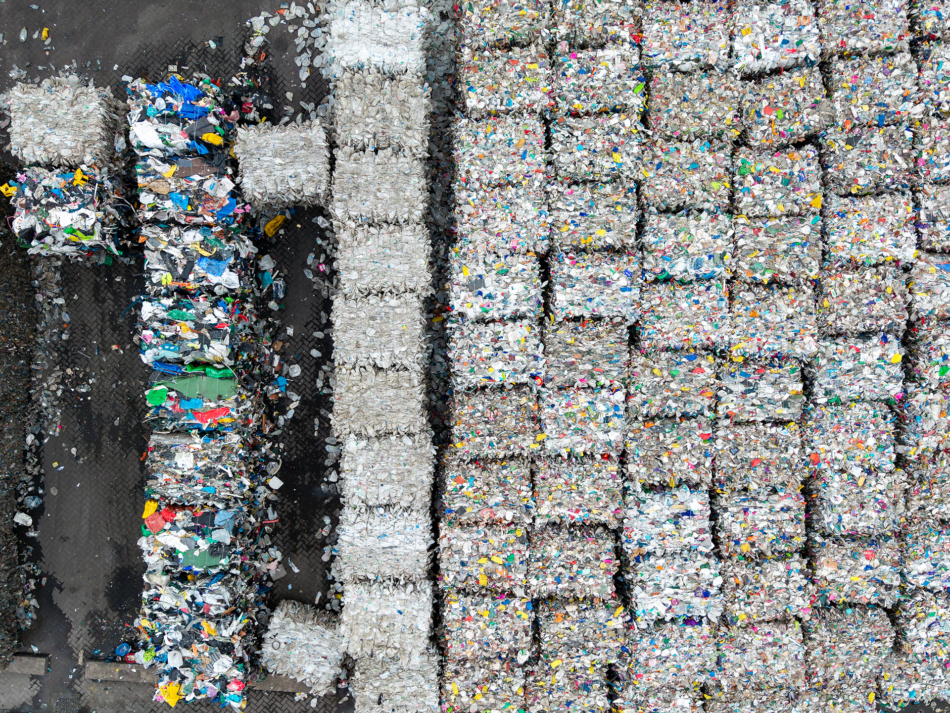
Packaging Waste Collection & Disposal Services
Packaging waste management is a legal and commercial obligation for any UK business that produces, handles, or imports packaged goods.
Business Waste arranges packaging waste collections for businesses across the UK. We collect cardboard boxes, paper packaging, plastic containers and wrap, glass bottles and jars, metal packaging and other suitable commercial packaging streams.
Tell us what packaging your business produces, how much, and how you store it. We’ll confirm which materials can share a recycling collection, which need separate bins and the collection schedule for your site. Standard recycling bins are supplied without rental or delivery charges, with larger containers, balers and compactors available for higher-volume packaging streams.
Some businesses also have Extended Producer Responsibility (EPR) reporting duties if they supply or import packaging above the current thresholds. We can provide bins, arrange collections and supply Duty of Care paperwork for every collection.
 Collections in the last 7 days

Get a free quote
Get a fast FREE quote for your packaging waste removal
- Free quote within 1 hour
- Packaging waste streams assessed
- Free standard bins and delivery
- Collections across the UK
How packaging waste collection works
-
Tell us what packaging waste you produce
Tell us whether you produce cardboard, rigid plastic, film, metal, glass, pallets or another packaging material, along with volumes. We’ll recommend bins and a collection schedule that suits your site.
-
Free delivery of recycling bins
We’ll recommend separate bins or containers for the packaging streams you produce, whether that’s cardboard, plastics, metals, glass or a Dry Mixed Recycling option where appropriate.
-
Separate and store correctly
Follow the agreed collection setup for each material. Keep cardboard dry, empty suitable food and drink packaging, and keep specialist or contaminated packaging out of standard recycling bins.
-
We collect and recycle
We arrange collection through registered, licensed waste carriers and transfer your packaging waste to the appropriate sorting or recycling facility.
Why use Business Waste for packaging waste disposal?
Common packaging waste problems
- Cardboard stacking up in storerooms
- Plastic wrap contamination ruining recycling loads
- Tight space for bin storage
- Landfill costs increasing due to mixed waste
- Compliance concerns for obligated packaging producers
How Business Waste can help
- Help choosing the right bins
- Collections around deliveries or busy periods
- One-off and ad hoc collections available upon request
- Expert guidance on material segregation
- Relevant paperwork for each collection where required
- Zero landfill wherever possible
Commercial packaging recycling
We provide everything you need for a smooth packaging recycling process.
- Multiple packaging streams under one account
- Separate bins based on the materials produced
- One-off or scheduled collections where available
- Higher-volume containers and equipment
- Registered waste carriers
- Appropriate recycling and treatment routes
- Waste transfer records
Packaging waste collection by sector
Packaging waste looks different from site to site, so the setup should match the job.
We tailor collections for:
- Warehouses and logistics providers: cardboard boxes, pallet wrap, plastic film, straps, pallets and protective packaging.
- Manufacturing and production sites: incoming raw-material packaging, boxes, films, drums, containers, pallets and rejected product packaging.
- Retail stores and supermarkets: delivery cardboard, shrink wrap, pallet film, product packaging, cans and suitable food/drink packaging.
- Hospitality and catering: packaging kept separate from food waste.
- Offices and co-working spaces: delivery boxes, mail packaging, paper, cardboard and drinks packaging.
- Healthcare, leisure, and education settings
Whether you need daily cardboard collections or a mixed stream recycling solution, we match bin types and schedules to your waste output. This keeps bulky packaging out of general waste and helps reduce contamination.
Which bins and containers are used for packaging waste?
Keep materials flat, dry, and free from food contamination.
-
Wheelie bins
Suitable for lower-to-medium volumes of cardboard, paper, plastic and metal packaging where the collection specification allows.

-
Glass bins
For bottles and jars kept separate from other packaging materials.
-
DMR bins
For accepted dry packaging materials that can share a mixed-recycling route.
-
Cages and larger containers
Useful for bulky cardboard and packaging at retail, warehouse and distribution sites.
-
Balers
Suitable for high volumes of clean cardboard or suitable plastic film where material is consistent enough to bale separately.
-
Compactors
Useful where loose packaging volume is creating storage or collection problems.

Packaging waste bins
- Plastic recycling bins for films, trays, PET, HDPE
- Metal packaging bins for aluminium cans and tins
- Dry Mixed Recycling (DMR) bins, where accepted
Separating packaging properly keeps recycling loads cleaner and stops recyclable material from ending up in general waste.
Free delivery. No rental or hidden fees. You only pay for collections.
What packaging waste can we collect?
Commercial packaging waste we collect includes:
Cardboard and paper packaging: cardboard boxes, cartons, kraft paper bags, and paper packaging materials. Collected in designated cardboard recycling bins or balers for high-volume producers. See our cardboard recycling page for more information.
Plastic packaging: rigid plastics (bottles, tubs, trays, containers), flexible plastic (carrier bags, film, shrink wrap), and mixed packaging plastics. Separate bins by plastic type where possible to maximise recycling rates. See our plastic recycling page here.
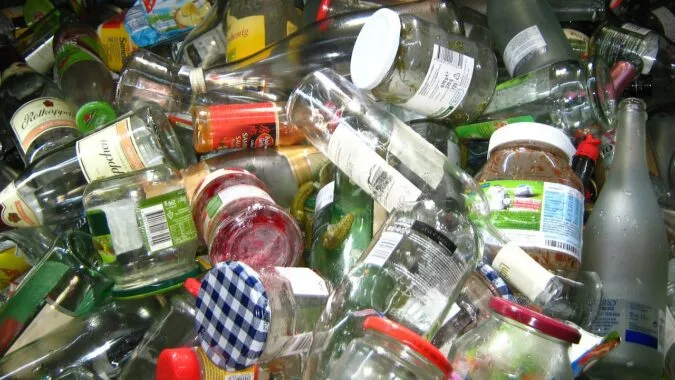
Glass packaging: glass bottles and jars from food and drink producers, hospitality, and retail. Collected in glass recycling bins. For more information, visit our glass recycling page.
Metal packaging: aluminium cans and tins, steel food tins, aerosols. Collected in metal recycling bins or skip. See our metal waste recycling page.
Packing materials: bubble wrap, foam, polystyrene, stretch wrap, void fill. Collected separately from other packaging where possible.
Read Our Customer Reviews
Efficient communication
We have worked alongside Business Waste for quite a few months now, and their efficiency with communication and resolving queries is great. Allie especially is a pleasure to liaise with. Great company from a B2B perspective
Flo Bolton-Smith
The real definition of service
The service received was simply outstanding. Business Waste gave good advice and a demonstration of a willingness to help and get me a solution.
Gregory Harrand
Great company
Great company to deal with, special thanks to Danielle who is always on the ball and sort any issues out instantly with proactive involvement with follow up phone calls and emails. I would recommend her to be the next PM to get things done, oh and as a company to deal with all the waste needs for your business.
Top Deals Online
Excellent service set up process
I was impressed by the speed of setting up the service. I made a single phone call to Business Waste and all the necessary paperwork was done efficiently.
Yahya Saeed
Packaging waste rules and business responsibilities
We help with:
- Packaging Waste Regulations (Producer Responsibility)
- Environmental Protection Act 1990
- Duty-of-care requirements
- Waste transfer documentation and full traceability
Our service includes:
- Nationwide licensed carriers
- Segregation guidance to improve recycling rates
- Treatment routes that avoid landfill
- Support for obligated packaging producers
Packaging and Simpler Recycling in England
Since March 31st, 2025, most workplaces in England have had to separate dry recyclable plastic, metal, glass, paper and card from food and residual waste. Smaller firms with fewer than 10 full-time staff have until March 31st, 2027.
Paper and card must normally be collected separately from plastic, metal and glass unless the waste collector has completed the permitted written co-collection assessment.
Plastic Packaging Tax
Plastic Packaging Tax is separate from your waste collection obligations. Business Waste can arrange recycling for discarded plastic packaging, but your organisation remains responsible for the manufacturing/import records and recycled content evidence required by HMRC.
Extended Producer Responsibility for packaging
Extended Producer Responsibility (EPR) is the UK government scheme that places responsibility on businesses that supply packaging to UK consumers to fund its recycling and collection.
If your business has a turnover of £1 million or more and supplies or imports more than 25 tonnes of packaging, you may need to collect and report packaging data. Larger producers have extra reporting and fee obligations
Smaller businesses must also register if they meet lower thresholds.
Packaging waste Duty of Care
When packaging becomes business waste, the organisation holding it has a Duty of Care to store it securely, describe it accurately and transfer it only through an authorised waste route.
Business Waste arranges collections through registered waste carriers and provides the relevant waste transfer record. We can provide collection paperwork that helps support your packaging waste records.
-
Free bins
-
Packaging recycling
-
Bespoke quote
-
Free duty of care
-
1 month’s free collection





Packaging waste FAQs
-
How to dispose of packaging waste
Packaging waste should be separated by material where possible. We can provide bins for cardboard, plastic, glass, metal or dry mixed recycling, depending on what your site produces.
-
How does packaging waste affect the environment?
Packaging that is not recycled may be sent to landfill or energy recovery. Recycling suitable materials usually keeps more value in the material and can reduce disposal costs.
-
What is plastic packaging waste?
Any material used to contain, protect, deliver, or transport goods. This includes cardboard boxes, shrink wrap, cans, and bottles that become waste once the product is removed.
-
What is food packaging waste?
Food packaging waste is any kind of container used to store food. This could be the likes of plastic trays for refrigerated meat in a supermarket, cardboard boxes to store dry food, and aluminium drinks cans. It’s a wide area and includes packaging materials mostly made from plastic, paper, card, and metal.
Many types of food packaging can be recycled, but they often need to be empty and reasonably clean first.
-
How can we reduce food packaging waste?
Thinking about how you buy food for your business and making a few small changes can help reduce food packaging waste. If you offer free fruit, try to use a supplier that provides it all in one box rather than individual bags. Or even better, grow your own fruit and veg if you have the facilities.
Using refill services for tea, coffee, and other foodstuffs also avoids using extra plastic packaging. Getting milk and juice delivered in glass bottles means they’re easier to recycle compared to plastic, while providing reusable water bottles and coffee cups can significantly cut down on food packaging waste from supermarkets and coffee houses.
-
How can we reuse packaging waste?
There are a few ways you can reuse packaging waste aside from recycling depending on the material and type. Some ideas include to:
- Reuse cardboard boxes to store office supplies such as stationery, wires, and dry food.
- Turn old jars into plant pots and add some greenery to your workplace.
- Transform cans into pen or cutlery holders, just remove any sharp edges.
- Use any paper packaging waste as wrapping paper.
- Shred old paper packaging then use to fill and protect any parcels.
-
How much packaging waste is produced each year?
The UK generates millions of tonnes annually, making packaging a major commercial waste stream that increases costs if not separated efficiently.
-
What regulations affect packaging waste?
Packaging Waste Regulations require obligated producers to reduce packaging, recycle more, and report recovery figures each year. Duty-of-care laws apply to all businesses handling packaging waste.
For more information, visit our comprehensive packaging waste guide.
-
Does my business need to register for Extended Producer Responsibility?
If your UK business supplies 50 or more tonnes of packaging annually and has a turnover of £2 million or more, you must register with an approved EPR compliance scheme, report packaging data, and pay EPR fees.
Smaller businesses with lower thresholds also have obligations. Business Waste Ltd can help with Duty of Care documentation to support your EPR reporting.
-
What counts as packaging waste?
Packaging waste is any packaging material that has been used to contain, protect, or present goods, and is no longer needed. This includes cardboard boxes, plastic bottles and trays, glass jars, metal cans, plastic film, bubble wrap, polystyrene foam, carrier bags, and paper bags.
Since 31 March 2025, workplaces in England with 10 or more full-time staff must separate dry recyclables, food waste and general waste. Micro-firms have until 31 March 2027.
-
What packaging must businesses separate under Simpler Recycling?
From April 2025, businesses in England with 10 or more full-time equivalent employees must separate plastic bottles, tubs, trays, and containers; paper and card; glass bottles and jars; and metal cans and tins from general waste for separate collection.
Micro-businesses (fewer than 10 FTE) must comply by March 2027. Business Waste Ltd provides the right bins and collections for each stream.

Get a fast and free quote
Get a fast FREE quote for packaging waste disposal
- Free quote within 1 hour
- Packaging waste streams assessed
- Free standard bins and delivery
- Collections across the UK
Nationwide Packaging Waste Disposal in the UK
And arrange your free bin and your collection
- Armagh
- Bolton Waste Management
- Brighton & Hove Waste Management
- Bristol Waste Management
- Canterbury Waste Management
- Cardiff Waste Management
- Carlisle Waste Management
- Chelmsford Waste Management
- Chester Waste Collection
- Chichester Waste Collections
- Commercial Waste Birmingham
- Commercial Waste Collection Edinburgh
- Commercial Waste Collection London
- Coventry Waste Management
- Durham Waste Management
- Ely Waste Disposal
- Glasgow Waste Management
- Hull Waste Management
- Kent Waste Management
- Lancaster Waste Management
- Lichfield Waste Disposal
- Liverpool Waste Management
- Luton Waste Management
- Newport Waste Management
- Oxford Waste Management
- Perth
- Peterborough Waste Management
- Preston Waste Management
- Reading Waste Management
- Ripon Waste Collection
- Salford Waste Management
- Slough Waste Disposal
- Southend Waste Disposal Services
- St Albans Waste Disposal
- Stirling Waste Management
- Stockport Waste Collection
- Swansea Waste Management
- Truro Waste Collection
- Wakefield Waste Management
- Warrington Waste Management
- Waste Collection Bath
- Waste Collection Middlesbrough
- Waste Disposal Inverness
- Waste Management Aberdeen
- Waste Management Aldershot
- Waste Management Alfreton
- Waste Management Ashington
- Waste Management Ashton-under-Lyne
- Waste Management Aylesbury
- Waste Management Barnsley
- Waste Management Barnstaple
- Waste Management Basildon
- Waste Management Basingstoke
- Waste Management Bedford
- Waste Management Bedfordshire
- Waste Management Bedworth
- Waste Management Belfast
- Waste Management Bellshill
- Waste Management Belper
- Waste Management Bexhill-on-Sea
- Waste Management Bicester
- Waste Management Bishop Auckland
- Waste Management Bishop’s Stortford
- Waste Management Blackburn
- Waste Management Blackpool
- Waste Management Blyth
- Waste Management Bognor Regis
- Waste Management Borehamwood
- Waste Management Bournemouth
- Waste Management Bradford
- Waste Management Brent
- Waste Management Bridgwater
- Waste Management Bridlington
- Waste Management Brighouse
- Waste Management Broadstairs
- Waste Management Bromley
- Waste Management Bromsgrove
- Waste Management Burnley
- Waste Management Burntwood
- Waste Management Bury
- Waste Management Bury St Edmunds
- Waste Management Buxton
- Waste Management Cambridge
- Waste Management Cannock
- Waste Management Canvey Island
- Waste Management Castleford
- Waste Management Caterham
- Waste Management Chatham
- Waste Management Cheltenham
- Waste Management Chesterfield
- Waste Management Chippenham
- Waste Management Christchurch
- Waste Management Clevedon
- Waste Management Coalville
- Waste Management Colchester
- Waste Management Colne
- Waste Management Congleton
- Waste Management Cornwall
- Waste Management Cramlington
- Waste Management Crawley
- Waste Management Croydon
- Waste Management Cumbria
- Waste Management Dartford
- Waste Management Derby
- Waste Management Devon
- Waste Management Dewsbury
- Waste Management Doncaster
- Waste Management Dorset
- Waste Management Dover
- Waste Management Droitwich
- Waste Management Dronfield
- Waste Management Dudley
- Waste Management Dumfries-Galloway
- Waste Management Dundee
- Waste Management East Lothian
- Waste Management East Riding of Yorkshire
- Waste Management Eastbourne
- Waste Management Ellesmere Port
- Waste Management Enfield
- Waste Management Essex
- Waste Management Evesham
- Waste Management Exeter
- Waste Management Falkirk
- Waste Management Falmouth
- Waste Management Fife
- Waste Management Folkestone
- Waste Management Frome
- Waste Management Gateshead
- Waste Management Gillingham
- Waste Management Gloucester
- Waste Management Grantham
- Waste Management Gravesend
- Waste Management Grimsby
- Waste Management Guisborough
- Waste Management Hailsham
- Waste Management Halesowen
- Waste Management Halifax
- Waste Management Hampshire
- Waste Management Harlow
- Waste Management Harrogate
- Waste Management Hastings
- Waste Management Havant
- Waste Management Hemel Hempstead
- Waste Management Hereford
- Waste Management Herne Bay
- Waste Management High Wycombe
- Waste Management Hornchurch
- Waste Management Horsham
- Waste Management Houghton Le Spring
- Waste Management Hounslow
- Waste Management Huddersfield
- Waste Management Huntingdon
- Waste Management Ilford
- Waste Management Ilkeston
- Waste Management in Tewkesbury
- Waste Management Ipswich
- Waste Management Keighley
- Waste Management Kendal
- Waste Management Kettering
- Waste Management Kidderminster
- Waste Management Kingston-Upon-Thames
- Waste Management Kingswinford
- Waste Management Knutsford
- Waste Management Lancashire
- Waste Management Leeds
- Waste Management Leicester
- Waste Management Leigh
- Waste Management Leighton Buzzard
- Waste Management Letchworth Garden City
- Waste Management Leyland
- Waste Management Leyton
- Waste Management Lincoln
- Waste Management Lincolnshire
- Waste Management Loughborough
- Waste Management Lowestoft
- Waste Management Maidenhead
- Waste Management Maidstone
- Waste Management Malvern
- Waste Management Manchester
- Waste Management Mansfield
- Waste Management Margate
- Waste Management Market Harborough
- Waste Management Melton Mowbray
- Waste Management Milton Keynes
- Waste Management Morecambe
- Waste Management Newark-on-Trent
- Waste Management Newbury
- Waste Management Newcastle upon Tyne
- Waste Management Newton Aycliffe
- Waste Management Norfolk
- Waste Management North Shields
- Waste Management North Yorkshire
- Waste Management Northampton
- Waste Management Northwich
- Waste Management Norwich
- Waste Management Nottingham
- Waste Management Oldham
- Waste Management Oxfordshire
- Waste Management Penzance
- Waste Management Plymouth
- Waste Management Poole
- Waste Management Portsmouth
- Waste Management Ramsgate
- Waste Management Redditch
- Waste Management Rochdale
- Waste Management Romford
- Waste Management Rossendale
- Waste Management Rotherham
- Waste Management Rugby
- Waste Management Rushden
- Waste Management Salisbury
- Waste Management Sandbach
- Waste Management Scarborough
- Waste Management Scottish Borders
- Waste Management Scunthorpe
- Waste Management Sevenoaks
- Waste Management Sheffield
- Waste Management Shrewsbury
- Waste Management Shropshire
- Waste Management Sittingbourne
- Waste Management Skegness
- Waste Management Somerset
- Waste Management South Lanarkshire
- Waste Management South Shields
- Waste Management Southampton
- Waste Management St Helens
- Waste Management Stafford
- Waste Management Staffordshire
- Waste Management Stoke-on-Trent
- Waste Management Stroud
- Waste Management Suffolk
- Waste Management Sunderland
- Waste Management Surrey
- Waste Management Sussex
- Waste Management Sutton
- Waste Management Sutton Coldfield
- Waste Management Sutton-in-Ashfield
- Waste Management Swindon
- Waste Management Tamworth
- Waste Management Taunton
- Waste Management Telford
- Waste Management Torquay
- Waste Management Tunbridge Wells
- Waste Management Walsall
- Waste Management Wandsworth
- Waste Management Warminster
- Waste Management Watford
- Waste Management Wednesbury
- Waste Management Welwyn Garden City
- Waste Management West Bromwich
- Waste Management West Midlands
- Waste Management West Yorkshire
- Waste Management Weymouth
- Waste Management Whitstable
- Waste Management Wigan
- Waste Management Woking
- Waste Management Wolverhampton
- Waste Management Worcester
- Waste Management Worksop
- Waste Management Yorkshire
- Winchester Waste Collection
- Worthing Waste Collection
- Wrexham Waste Collection
- York Waste Management
Published 6th April 2022 by JackBrayshaw. Last modified 21st September 2026