
Commercial Waste Compactor Hire
Business Waste arranges commercial waste compactor hire for businesses producing regular volumes of general waste, packaging and suitable recyclable materials.
Tell us what waste your site produces, approximately how much there is, the available space and how often compacted waste will need collecting. We’ll identify suitable static or portable compactor options, arrange delivery and set up the collection service.
A compactor can reduce the volume of suitable waste before collection, which may reduce the storage space and number of collections required where volumes justify the equipment.

Get a quote for waste compactor hire
- Free quote within 1 hour
- Static and portable compactors
- Compacted waste collection available
- Duty of Care paperwork at no extra charge
How does waste compactor hire work?
-
Tell us about your waste and site
Provide the waste type, average volume, postcode, available floor space, power/access requirements and expected hire period.
-
We identify suitable compactor options
We’ll compare static, portable or other suitable machines based on the material, throughput and collection setup.
-
Agree the hire terms and delivery
Your quote should confirm the machine, hire period and any delivery, installation, maintenance or servicing arrangements included.
-
Use the compactor for the agreed waste
Operate the equipment in line with the manufacturer’s instructions and keep unsuitable waste out of the machine.
-
We arrange collection
Compacted waste is collected according to the agreed setup. How this works depends on whether the machine uses a detachable container or the whole unit is removed.
Waste Compactors
One-off, daily, weekly, fortnightly, or ad hoc collection
12 cubic yards and 14 cubic yards
-
 Cardboard Waste
-
Confidential Waste
-
Dry Mixed Recycling (DMR)
-
Garden Waste
-
General Waste
-
Glass Waste
-
Paper Waste
-
Plastic Waste








Get a quote for waste compactor hire
- Free quote within 1 hour
- Static and portable compactors
- Compacted waste collection available
- Duty of Care paperwork at no extra charge
What is a waste compactor machine?
A waste compactor machine uses hydraulic pressure to compress suitable waste into a smaller volume before collection. The waste remains in a container rather than being tied into individual bales.
Static compactors press waste into a detachable container, while portable compactors combine the compaction unit and container in one machine.
Types of waste compactors
Cardboard compactors
Cardboard compactors reduce loose boxes, sheets, and packaging to a much smaller volume before recycling. They suit retailers, warehouses, manufacturers and distribution sites that produce regular cardboard waste and want to reduce storage space and collection frequency.
Static waste compactors
Static waste compactors stay fixed on site and compress waste into a detachable container. They can suit high-volume operations with enough floor space, electrical supply and vehicle access.
Portable waste compactors
Portable waste compactors combine the compactor and waste container in one unit. The whole machine is removed or exchanged when full. They can suit general waste, packaging and agreed materials where a sealed unit is useful.
What can you put in a waste compactor?
The accepted waste depends on the compactor model and collection route. Common streams include suitable general waste, cardboard, packaging, paper and plastics.
However, many modern commercial waste compactors can also be used to compact recyclable rubbish. Do not put liquids, hazardous waste, WEEE, batteries or other specialist materials into a standard waste compactor unless the equipment and collection service have specifically been approved for that waste. Accepted compactor waste includes:
- Paper
- Cardboard
- Plastic offcuts
- Packaging waste
- Wood offcuts
- Metal banding and straps
- Broken pallets
- Polythene shrink wrap
- Insulation
Read Our Customer Reviews
Efficient communication
We have worked alongside Business Waste for quite a few months now, and their efficiency with communication and resolving queries is great. Allie especially is a pleasure to liaise with. Great company from a B2B perspective
Flo Bolton-Smith
The real definition of service
The service received was simply outstanding. Business Waste gave good advice and a demonstration of a willingness to help and get me a solution.
Gregory Harrand
Great company
Great company to deal with, special thanks to Danielle who is always on the ball and sort any issues out instantly with proactive involvement with follow up phone calls and emails. I would recommend her to be the next PM to get things done, oh and as a company to deal with all the waste needs for your business.
Top Deals Online
Excellent service set up process
I was impressed by the speed of setting up the service. I made a single phone call to Business Waste and all the necessary paperwork was done efficiently.
Yahya Saeed
Benefits of using a waste compactor
There are many benefits of using a waste compactor for businesses of any shape, size, and industry. The main benefits of using waste compactors are to:
- Reduce waste volume: Compress compatible loose waste so more material can be stored in the same container.
- Use storage space more efficiently: A compactor can reduce the volume of loose waste, although the machine itself requires suitable floor space and vehicle access.
- Potentially reduce collection frequency: Where enough suitable waste is produced, compaction can increase the amount stored between collections. Overall savings depend on machine hire, waste type, collection frequency and site requirements.
- Contain high volumes of waste: A suitable compactor can help keep loose waste contained within an organised storage area.
Hiring a waste compactor
Hiring avoids the upfront capital cost of purchasing equipment and can suit businesses that do not want to own and maintain the machine outright. Hire periods vary by machine and supplier and will be confirmed in your quote. Changes to the machine or hire period can be discussed if your waste requirements change.
Commercial waste compactor hire and collection
Tell us what waste your business produces, approximate volumes, available space, site access and expected hire period. We’ll compare suitable compactor options and provide a quote for the agreed equipment and collection service.
Your quote should confirm the machine type, rental period and any applicable delivery, installation, maintenance or servicing arrangements. We can review the machine and collection setup if your waste volumes or site requirements change.
A compactor may reduce overall collection costs where enough suitable waste is produced to reduce collection frequency. Compare any expected collection savings against the equipment hire and servicing costs when deciding whether a compactor is suitable.
Waste compactor hire FAQs
-
How does a waste compactor work?
A waste compactor uses a hydraulic metal ram to crush waste, reducing its surface area. Compactors typically work similarly to a baler with most rams pushing downwards to stick waste together. You load the chamber before turning it on to activate the ramming process. The compacted waste ends up in a removable container.
However, the result differs from a baler as the waste is compressed but it doesn’t produce a bale in the same way a baler does. This is because lots of waste produced by a compactor goes to landfill rather than onwards for further processing.
-
What are the benefits of using a waste compactor?
The benefits of using a waste compactor are:
- Cut waste collection costs and frequencies with less waste that needs removing from your business.
- Save space to store waste before it’s removed from your premises.
- Improve health and safety with less volume of waste minimising the chance of accidents and fires.
- Help the environment by reducing the amount of waste sent to landfill and fuel used to transport your waste with fewer collections.
- Keep your premises clean to create a better workplace environment and impress visitors, clients, and suppliers.
-
What types of waste can be compacted?
All sorts of waste can be compacted. They were initially designed for use with general waste to reduce how much space it takes up in landfill. Today you can use a compactor machine to reduce the volume of many kinds of dry mixed waste, including recycling. Some of the common waste types you can put in a compactor are:
- General waste
- Paper recycling
- Cardboard waste
- Plastic recycling
- Packaging waste
- Wood waste
- Polystyrene
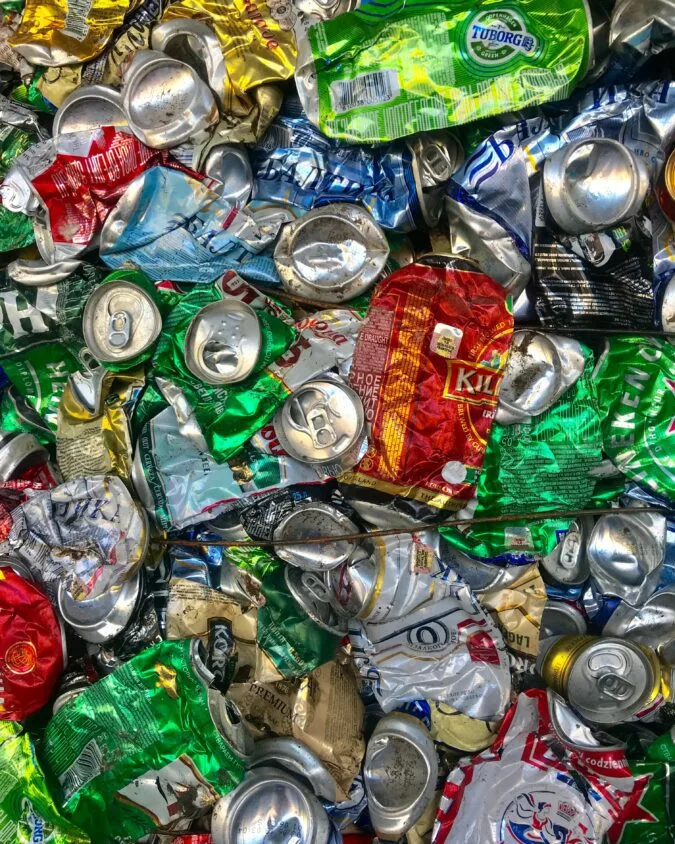
- Aluminium cans
You should not use a waste compactor with any liquid, electrical, heavy metals, soil, nappy, or pet waste. Instead, find a relevant waste container to store such refuse.
-
How much space can a waste compactor save?
How much space a waste compactor saves depends on the type and amount of rubbish you have. Compacting general waste can save about 75% of space otherwise needed to store it. Using cardboard compactors may save up to 90% of space by reducing its volume. Some waste types are easier to compact and reduce in volume than others.
-
How much money can be saved by using a waste compactor?
How much money you can save using a waste compactor depends on the amount and type of waste you produce that needs compacting. As a waste compactor reduces the volume of the rubbish by around 75% it can mean you need 75% fewer waste collections. This could help your business cut waste collection costs by two-thirds.
-
What are the environmental benefits of using a waste compactor?
The main environmental benefit of using a waste compactor is that by reducing the volume of waste it means fewer collections are needed. Fewer waste removals to take rubbish to a recycling centre, anaerobic digestion plant, or landfill means less fuel is used. This ensures fewer greenhouse gas emissions are released.
Using a waste compactor also minimises the volume of waste that ends up in landfill. It can help businesses properly separate waste to ensure as much as possible is recycled by compacting it together.
-
Can a waste compactor handle hazardous waste?
You can’t put hazardous waste in most waste compactors, as the majority are designed for dry mixed waste. However, there are specific hazardous waste compactors available. These are designed to compact contaminated rubbish. Many work by placing a barrel of hazardous waste into a special compactor, which squashes it down from the top.
This compacts the hazardous waste within the barrel for easy and safe removal. Only solid hazardous waste can be compacted though, no liquid waste. Call 0800 211 8390 or contact us online to discuss using a hazardous waste compactor.
-
What are the different types of waste compactors?
There are a few different types of waste compactors available to use, which include:
- Static compactors – Designed for manufacturing facilities, static compactors are bolted in place and are perfect for churning through high volumes of dry and bulky waste. Static compactors typically have chambers ranging between a 1 and 4 cubic yard capacity. Static compactors are simple to empty by removing and swapping out the skip.
- Vertical compactors – Vertical compactors squash waste down from above into a removable container, where it can be transported from the compactor safely and securely. The liquid inside the compactor is held there until the container is removed, making waste disposal mess and hassle-free.
- Apartment compactors or twin compactors – This type of waste disposal unit is designed to save space and money, as you don’t need two separate machines. It increases production by offering two apartments. Where you have twin waste streams (run separately, not at the same time or into the same bale) each waste stream has access to its own chute leading to the single compactor. It’s slightly smaller than the traditional vertical compactor, as the apartment compactor is around 2 cubic yards in size, allowing for multiple compactors to be held at any one time.
- Portable compactors – Some compactors are designed to be fully portable, such as skips with compaction built in. This type of waste disposal is usually managed by an external firm, which will remove the unit entirely to empty it offsite.
-
How often should a waste compactor be emptied?
A waste compactor should be emptied when full. This depends on how much waste you produce and put into the compactor regularly. Some businesses may store up waste before placing it in a compactor, while others might put it in the compactor as waste is generated.
Once the waste compactor is full it must be emptied before you can use it again. When the hydraulics reach absolute pressure it activates a pressure switch. This indicates to the programmable logic controller (PLC) that the compactor is full and that you need to empty it.
-
What maintenance is required for a waste compactor?
Regular maintenance is required for a waste compactor to ensure it operates safely and effectively:
- Check the hydraulic oil reservoir level, as well as for any leaks or damage to the hydraulic hoses Repair and replace if required.
- Inspect and clean the power unit to provide a clean airflow around the unit. Wipe grease, dust, and dirt off the control box’s exterior.
- Ensure all safety guards and access covers are secure and in the right place and condition before turning on the compactor.
- Every month grease the lower door hinges and lock assembly and check all nuts and bolts.
- Change the oil filter after the first 50 hours of operation, and then after every 250 hours of use.
- A licensed electrician should inspect the electrical system once a year to ensure everything works and to prevent failures and breakdowns.
- Annual maintenance should also include draining and refilling the reservoir with high-quality all-weather hydraulic fluid and checking hoses and connections.
-
Can a waste compactor be rented or leased?
You can rent or lease a waste compactor rather than buying one. Waste compactor rental is a popular choice for many businesses as there are no upfront costs. It also provides a flexible option if you only need a compactor for a limited amount of time.
At Business Waste we can provide a free quote for waste compactor rental and leasing anywhere in the UK. Call 0800 211 8390 or contact us online for your free quote today.
-
How much does it cost to hire a waste compactor?
A compactor hire price varies depending on a range of factors. The type and size of waste compactor you need, how long you want to rent it for, and where in the UK you’re based are the main elements that affect a compactor hire price. Generally, hiring a compactor is more cost-effective than buying one.
The easiest way to see how much it costs to hire a waste compactor is to apply for a free no obligation quote with Business Waste. Call 0800 211 8390 or contact us online for a price that’s tailored to your needs.
-
What is included in waste compactor hire?
Most waste compactor hire includes:
- Delivery and installation of the waste compactor
- Compactor maintenance and repairs
- Ongoing support and a dedicated customer service team
- Staff training to use the compactor
- Removal of the waste compactor at the end of your hire period
Some waste compactor hire agreements may include additional services. At Business Waste, we can also arrange the collection and disposal of your compacted waste. Call 0800 211 8390 or contact us online to add this to your waste compactor hire service.
-
How long can a waste compactor be rented for?
You can rent a waste compactor for anywhere from a few weeks to a couple of years. Waste compactor hire agreements can vary greatly in length, with some companies offering fixed periods while others provide flexible terms. The length of your waste compactor rental may affect the price and conditions.
If you only need a compactor for a couple of months it may work out more expensive per week than if you hire one for a year, for example. However, renting a waste compactor is often a more cost-effective choice for many businesses compared to buying one outright.
-
Can waste compactors be used in residential areas?
Waste compactors can be used in most residential areas. They can be quite loud, depending on their size and the waste being compacted. Therefore, you should be considerate if using a compactor in a residential area. Also, check any restrictions as the use of a compactor in a residential area varies by location.
-
What safety measures are required when using a waste compactor?
Important safety measures required to use a waste compactor:
- Wear appropriate safety gear, such as gloves, goggles, earplugs, hard hats, and steel-toe boots when using a waste compactor.
- Follow all safety instructions in the operating manual of the waste compactor.
- Check the compactor for any leaks, damage, and tags or marks by maintenance that indicate repairs required before turning on the machine.
- Ensure all waste compactor safety equipment and guards are in place.
- Only turn on and use the compactor if you’re properly trained and comfortable.
- Never try to fix the waste compactor unless fully trained. If there are any problems, stop operating the machine and report the issue to the appropriate person.
- Do not climb inside or insert a hand, arm, or leg into the compactor to fix a blockage, jam, or another issue.
- Power down and leave the waste compactor turned off when not in use.
-
Can a waste compactor be used for recycling materials?
A waste compactor can be used to crush recycling materials together and reduce its volume. You can put cardboard, paper, some plastics, aluminium, and other recycling in a waste compactor. Separate recycling materials into individual streams before putting them in a waste compactor so they can be recycled after being compacted.
-
How much noise does a waste compactor make?
The noise a waste compactor makes varies depending on its size, type, and specific model, as well as the waste being compacted. Heavier waste types can be louder to compact compared to lighter waste streams. The placement of your waste compactor may also affect how loud it sounds.
All waste compactors should include the decibel level of the machine in their product information. Check this to see how much noise you can expect from a waste compactor.
-
What is the process for returning a waste compactor after the rental period ends?
We’ll be in touch before your rental period for a waste compactor ends to see what you want to do. You might want to extend the rental, upgrade to a different compactor, switch to a bigger or smaller machine, or just return the machine. We can discuss the options and advise on the available options.
After the rental period for your waste compactor ends a professional team will come and remove the machine. We’ll help arrange a time and date. You’ll need to ensure the compactor is accessible (remove anything in the way for its removal) and in good condition.
The team will come to your site and expertly remove the waste compactor. They’ll need space to park on your site and a clear pathway for removal, which should be possible as they managed to install it initially. Once it’s removed they’ll be in touch if there are any issues or further steps required.
-
Static vs portable compactor: what’s the difference?
A static compactor stays fixed in place and compresses waste into a detachable container.
A portable compactor combines the machine and container in one unit, which is removed when full.
Static compactors usually work well for high-volume dry waste, while portable units are more suited for general waste and materials containing some moisture.

Get a fast and free quote
Get a fast FREE quote for waste compactor hire
- Free quote within 1 hr
- Any type of waste
- FREE bins and delivery
- We cover all of the UK
Find the right bin for your business waste
- All waste types
-
Cardboard Waste
-
Clinical Waste
-
Confidential Waste
-
Dry Mixed Recycling (DMR)
-
Food Waste
-
Garden Waste
-
General Waste
-
Glass Waste
-
Hazardous Waste
-
Industrial Waste
-
Liquid Waste
-
Oil Waste
-
Paper Waste
-
Plastic Waste
-
Sanitary Waste
-
WEEE Waste







-
1100 litre wheelie bins
The 1100 litre bin is the largest wheelie bin available to store up to 18 bags of waste.
-
240 litre wheelie bins
The standard size wheelie bin you have at home that holds three to four bags of waste.
-
360 litre wheelie bins
This is the largest two-wheel bin available to store five or six waste bags.
-
660 litre wheelie bins
A four-wheel bin suitable for larger volumes of general waste and dry mixed recycling.
-
Anatomical waste bags
Red clinical waste bags for organs, body parts, materials contaminated with bodily fluids.
-
Balers
Static balers compress recyclable waste into solid bales to save space.
-
Cardboard Balers
If you produce large amounts of cardboard waste then consider a baler
-
Clinical infectious waste bags
Orange clinical waste bags are for materials contaminated with infectious waste.
-
Clinical waste bags
Clinical waste bags to store medical waste safely before collection and disposal.
-
Clinical Waste Bins
Clinical waste bins are suitable containers to store all sorts of medical waste safely.
-
Commercial Bin Sizes
Read our helpful guide to commercial bin sizes, dimensions, and measurements
-
Commercial waste bags
Commercial waste bags are ideal for various waste types when you can’t use a bin.
-
Compactors
Choose from mobile and static compactors for general waste or recyclable rubbish.
-
Confidential Waste Bags and Bins
Confidential waste bags provide a secure and flexible way to store sensitive documents before disposal.
-
Cytotoxic and cytostatic waste bags
Purple waste bags for waste contaminated with cytotoxic and cytostatic medicines.
-
Dental (amalgam) waste bins
White clinical waste bins for dental waste including unwanted and excess amalgam.
-
Front end loaders
Large static containers ideal for businesses generating high volumes of waste.
-
Highly infectious clinical waste bags
Yellow clinical waste bags for waste contaminated with infectious bodily fluids.
-
IBC containers
Store high volumes of liquid waste including chemicals, solvents, and hazardous waste.
-
Industrial Waste Bins
Store industrial waste safely on your site before collection and disposal with secure bins and containers.
-
Large Commercial Waste Bins
A large bin offers a cost-effective way to store and dispose of commercial waste.
-
Metal Balers
Using a metal baler in your business condenses the volume of waste, saving space for efficient storage before it’s sent for recycling
-
Non-infectious clinical waste bags
Yellow and black waste bags for non-infectious and non-hazardous waste.
-
Office Bins
Different types of general waste and recycling bins for offices in various sizes.
-
Paper Balers
Compact paper waste into bales to save space and make regular paper recycling collections easier.
-
Plastic Balers
Compact plastic film, packaging, and other suitable plastics into bales for easier storage and recycling collections.
-
Rear end loaders
A big commercial waste skip in sizes that can hold up to 160 bags of waste.
-
Roll on roll offs
One of the largest containers for business waste that can store up to 440 bags of waste.
-
Sanitary Waste Bins
Safely store feminine hygiene products and other sanitary waste with various bin sizes.
-
Sharps bins
Use sharps bins with different coloured lids for needles, syringes, scalpels, and knives.
-
Skip Hire
Hire a skip for small-scale commercial waste clearance, between 2-12 yard sizes available.
-
Skip sizes
Sizes vary from 2 to 12-yard skips that can easily store various waste types and amounts.
-
Small wheelie bins
Small two-wheel bins for businesses producing low volumes of waste or with limited space.
-
Waste drums
Drums and barrels are ideal to safely store liquid, oil, and hazardous waste for collection.
-
Wheelie Bins
Explore a range of two and four-wheel bins for many waste types.















Published 16th June 2022 by JackBrayshaw. Last modified 2nd October 2026