Recycling Rebates
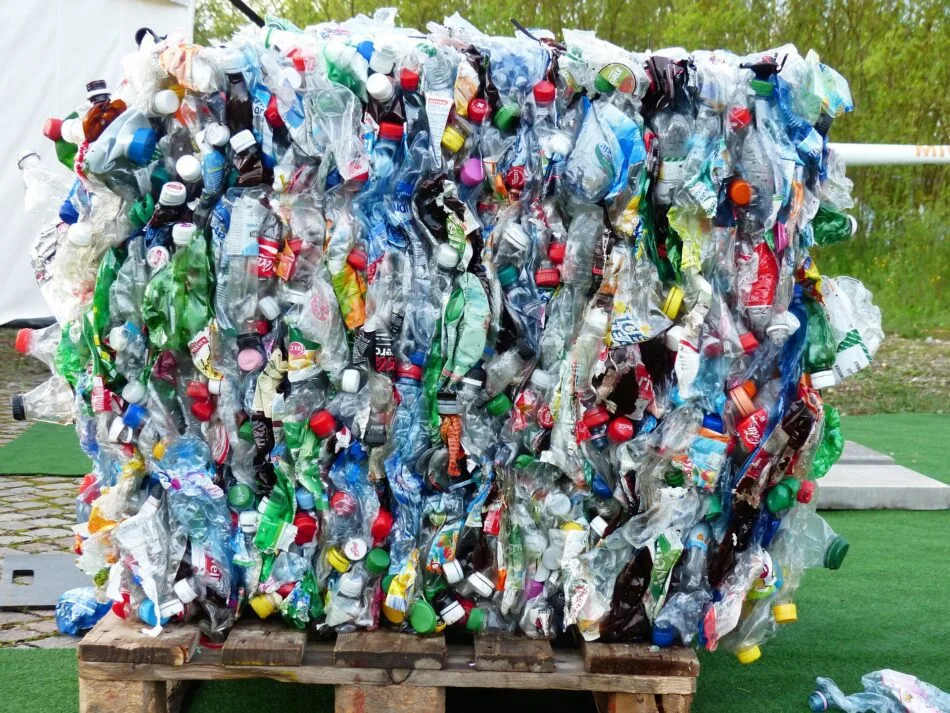
Recycling rebates allow UK businesses to earn money back from their recyclable waste, which has a market value, while reducing disposal costs and landfill use. This usually applies to regular volumes of clean cardboard, plastic, paper, or metal that can be collected separately and processed for reuse.
We manage the full recycling rebate process for you. We assess your eligibility, supply the right containers, arrange scheduled collections and assess current market rates and available rebate options. We’ll explain your rebate terms and any collection or equipment costs upfront, with no hidden charges.
Manage your recycling rebates alongside your other business waste with one agreement, one invoice and one point of contact.
 Collections in the last 7 days

Get a free quote
Get a fast FREE quote for recycling rebates
- Free quote within 1 hour
- All sectors supported
- Flexible agreements to suit your business
- Price match guarantee
What are recycling rebates?
Recycling rebates are payments or credits for recyclable materials collected from your business. The value depends on the material type, weight, quality, and current market conditions.
Rebates work best when materials are clean, dry, well-segregated, and produced in consistent volumes. If recycling is mixed with general waste, food, liquids, or other contaminants, the rebate value can drop significantly or disappear altogether.
What’s included in our recycling rebate service?
- Check which recycling streams could qualify
- Assess material type, volume, quality and contamination
- Recommend suitable bins, containers, balers, or compactors where needed
- Arrange scheduled or ongoing collections through approved partners
- Review market rates and material quality
- Provide clear weights, documentation, and reporting
- Provide Waste Transfer Notes and relevant collected records
- Arrange payment or account credit under the agreed terms
Recycling rebates by material
Different materials attract different rebate values depending on quality and volume. We help businesses identify which waste streams offer the strongest rebate opportunities and how to manage them effectively.
-
Cardboard Recycling Rebates
Clean, dry cardboard packaging, boxes, and baled card from regular business waste streams.

-
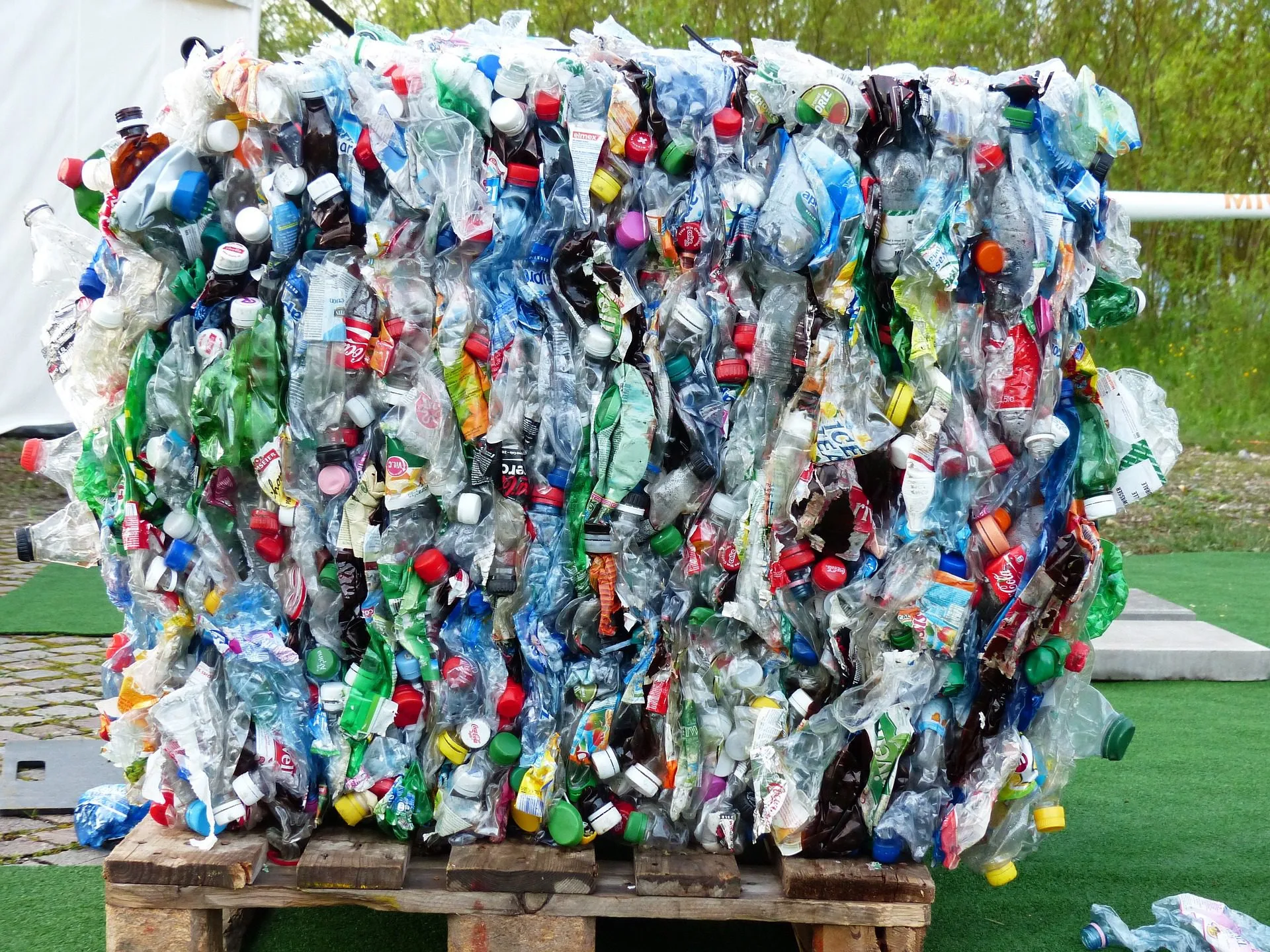
Plastic Recycling Rebates
Suitable for clean plastic packaging, bottles, and production waste where the material can be separated by type.
-
Paper Recycling Rebates
Useful for offices, printers, schools, and sites producing volumes of clean paper or brochures.


What affects recycling rebate eligibility and value?
Rebate value comes down to quality and consistency. Clean, dry, correctly separated materials are easier to process and thus are usually worth more than loose, mixed, or contaminated recycling.
Assessing eligibility
To qualify for recycling rebates, we assess:
- Material types produced (e.g. cardboard, plastic, metal, paper)
- Estimated volumes and collection frequency
- How materials are stored and handled on-site
- Cleanliness and contamination risk
- Whether materials are loose or baled
- Site access and operational constraints
Unsure if your business is eligible? Speak to our rebate team for expert guidance. If your recycling does not qualify for a rebate, we can still arrange a commercial recycling collection using suitable bins and an agreed collection schedule.
What affects the value?
Rebate values are influenced by:
- Material grade and quality
- Clean, dry, well-segregated waste
- Contamination levels
- Total volume or weight
- Baled versus loose material
- Storage method and handling
- Market demand and commodity prices
How recycling rebates work
-
Request your rebate quote
Tell us your waste streams, volumes, site space, and we’ll determine rebate eligibility.
-
We check eligibility
If you qualify, we’ll arrange suitable containers or equipment and guide segregation and storage.
-
Store recycling properly
Keep materials clean, dry, and separated. This maximises rebate value and helps avoid rejected loads.
-
We arrange collections
Licensed waste carriers collect the materials on the agreed schedule. The load is weighed and graded, and the rebate is sent under the agreed terms.
Read Our Customer Reviews
Efficient communication
We have worked alongside Business Waste for quite a few months now, and their efficiency with communication and resolving queries is great. Allie especially is a pleasure to liaise with. Great company from a B2B perspective
Flo Bolton-Smith
The real definition of service
The service received was simply outstanding. Business Waste gave good advice and a demonstration of a willingness to help and get me a solution.
Gregory Harrand
Great company
Great company to deal with, special thanks to Danielle who is always on the ball and sort any issues out instantly with proactive involvement with follow up phone calls and emails. I would recommend her to be the next PM to get things done, oh and as a company to deal with all the waste needs for your business.
Top Deals Online
Excellent service set up process
I was impressed by the speed of setting up the service. I made a single phone call to Business Waste and all the necessary paperwork was done efficiently.
Yahya Saeed
The right bins and equipment for recycling rebates
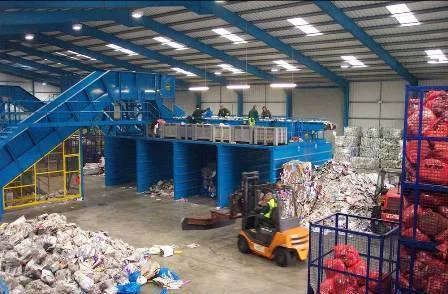
The right equipment can make recycling easier to store, cleaner to collect, and more valuable. High-volume sites may benefit from balers or compactors, while larger containers can help reduce the number of scheduled collections needed.
-
Balers
Compact recyclable materials into uniform bales for higher rebate values.
-
Compactors
Reduce volume and improve storage efficiency for high-output sites.
-
Front-End Loaders
Ideal for large volumes of recyclable waste collected regularly.
-
Rear-End Loaders
Suitable for sites with space constraints or frequent collections.
-
Skip Hire
Best for bulk recyclable waste or one-off clearances.
-
RoRo Skips
Ideal for high-volume industrial waste or major site clearances.



How rebates support recycling rebates better recycling
Recycling rebates help businesses improve environmental performance while reducing waste costs. When materials are cleaner and better sorted, they are easier to recycle and less likely to end up in general waste.
How rebates support sustainability
- Encourage better waste segregation on site
- Less recyclable material in general waste
- Reduce landfill and disposal volumes with cleaner waste streams
- Increase recycling rates across sites
- Support the circular economy
- Improved recycling data for internal reporting
Why businesses trust Business Waste
- Trusted by 30,000+ UK businesses
- ISO-certified and CIWM affiliated waste management systems
- Clear weights, paperwork, and reporting
- Licensed waste carrier network
- Dedicated UK-based customer support
Recycling Rebates FAQs
-
What are recycling rebates?
They are payments or credits offered for recyclable materials collected from your business.
-
What materials qualify for recycling rebates?
Common materials include cardboard, paper, plastics, and metals, subject to quality and volume.
-
Can small businesses get recycling rebates?
Yes. Eligibility depends on material type and volume, not business size.
-
Do I need to bale my recycling to get a rebate?
Not always, but baled materials often attract higher rebate values.
-
How is rebate value calculated?
Values are based on material grade, weight, cleanliness, and current market rates.
-
What can reduce my rebate value?
Contamination, moisture, poor segregation, and low volumes.
-
Do you provide bins or equipment?
Yes. We supply bins, containers, balers, and compactors where appropriate.
-
What is the process for recycling rebates?
The process to receive a recycling rebate normally follows these steps:
- Sort and separate your waste into individual recycling streams and store it in relevant bins and containers.
- Arrange collection of your recycling by licensed waste carriers, who transport it to the waste management company’s premises.
- The recycling waste is checked and sorted by type and grade. This is then weighed, and a rebate amount is calculated based on its weight and market value.
- The materials are processed, turned into raw materials, and used to create new products.
- You then receive the rebate amount either as cash or a discount on your waste disposal and management costs, with relevant receipts and documentation.
-
How long does it take to receive a rebate?
Timeframes vary by material and scheme, but we provide clear reporting throughout.
-
Can charities and non-profit organisations participate in recycling rebate programs?
Any waste charities and non-profit organisations produce is a type of commercial waste. It must therefore be removed by licensed waste carriers and treated as commercial waste. This means if your charity or organisation creates cardboard, paper, plastic, and other recycling waste then you could be eligible for recycling rebates.
The process of applying for and receiving a recycling rebate is the same as for any other business. Call 0800 211 8390 or contact us online to discuss getting your charity or non-profit organisation involved in a recycling rebate program anywhere in the UK.
-
How do recycling rebates benefit the environment?
Recycling rebates benefit the environment as they:
- Encourage businesses to separate their waste and increase recycling levels.
- Reduce the amount of waste sent to landfill by improving recycling rates. This lowers methane and carbon dioxide emissions, which contribute to climate change.
- Minimise the energy and raw materials required to make new products by creating fresh ones from recycled materials.
- Cut fuel usage and the emissions this produces as less transportation is needed when baling cardboard, paper, plastics, and aluminium for recycling rebate programs.
- Provide a financial incentive for waste management and recycling companies to promote rebate programs.
-
Can recycling rebates help my business reduce waste and become more sustainable?
Recycling rebates are designed to encourage businesses to recycle as much commercial waste as possible. They help companies think about their waste management strategy and ways to ensure recycling materials are separated from general waste and non-recyclable materials. Recycling commercial waste ensures your business operates more sustainably.
While rebates help businesses recycle and become more sustainable, they don’t reduce commercial waste. It’s up to you to put in place an effective waste management strategy to cut waste at the point of production. Get started with help building an effective waste management plan with Business Waste.
-
What is the role of recycling companies in offering rebates?
Recycling companies offer rebates by accepting commercial waste from businesses and organisations – either via collection or delivery. They use professional machinery and teams to check and sort waste, ensuring only eligible recycling materials are processed and recycled. Then they weigh each type of recycling provided and assign a rebate price based on this weight and the material’s market value.
Your business receives the rebate. The recycling company then uses their professional machinery and processes to recycle the waste – or sends it to a waste management centre for processing. The recycled materials are sold to manufacturers to use to make new products, and the recycling company makes a profit at this point.
-
Can recycling rebates help my business attract eco-conscious customers?
Using recycling rebates for your business improves your recycling rates, which will appeal to eco-conscious customers. Today, more consumers are interested in what happens to waste and how companies they use and buy from have an impact on the environment. Recycling rebates help businesses operate more sustainably.
To benefit from recycling rebates, you must improve your commercial recycling. This can be communicated to customers through your advertising and marketing channels. It will help attract eco-conscious customers as it shows your business is doing its bit to help protect the planet.
-
Are there any disadvantages to participating in recycling rebate programs?
Recycling rubbish and getting cash back for it is a sustainable option. However, there are a few disadvantages to recycling rebate programs:
- They encourage recycling but not reducing waste. Reusing and reducing waste uses less energy and is better for the environment than recycling.
- You need enough space to store your recycling before its removal. Some rebates require waste to be baled, which means you need room for a baler or must pay extra for the service.
- Inefficient waste storage may result in contamination, which can affect an entire load and reduce the rebate amount you receive.

Get a fast and free quote
Get a fast and free quote for recycling rebates
- Free quote within 1 hr
- Any type of recycling
- FREE bins and delivery
- We cover all of the UK
Nationwide UK Recycling Rebates
And arrange your free bin and your collection
- Armagh
- Bolton Waste Management
- Brighton & Hove Waste Management
- Bristol Waste Management
- Canterbury Waste Management
- Cardiff Waste Management
- Carlisle Waste Management
- Chelmsford Waste Management
- Chester Waste Collection
- Chichester Waste Collections
- Commercial Waste Birmingham
- Commercial Waste Collection Edinburgh
- Commercial Waste Collection London
- Coventry Waste Management
- Durham Waste Management
- Ely Waste Disposal
- Glasgow Waste Management
- Hull Waste Management
- Kent Waste Management
- Lancaster Waste Management
- Lichfield Waste Disposal
- Liverpool Waste Management
- Luton Waste Management
- Newport Waste Management
- Oxford Waste Management
- Perth
- Peterborough Waste Management
- Preston Waste Management
- Reading Waste Management
- Ripon Waste Collection
- Salford Waste Management
- Slough Waste Disposal
- Southend Waste Disposal Services
- St Albans Waste Disposal
- Stirling Waste Management
- Stockport Waste Collection
- Swansea Waste Management
- Truro Waste Collection
- Wakefield Waste Management
- Warrington Waste Management
- Waste Collection Bath
- Waste Collection Middlesbrough
- Waste Disposal Inverness
- Waste Management Aberdeen
- Waste Management Aldershot
- Waste Management Alfreton
- Waste Management Ashington
- Waste Management Ashton-under-Lyne
- Waste Management Aylesbury
- Waste Management Barnsley
- Waste Management Barnstaple
- Waste Management Basildon
- Waste Management Basingstoke
- Waste Management Bedford
- Waste Management Bedfordshire
- Waste Management Bedworth
- Waste Management Belfast
- Waste Management Bellshill
- Waste Management Belper
- Waste Management Bexhill-on-Sea
- Waste Management Bicester
- Waste Management Bishop Auckland
- Waste Management Bishop’s Stortford
- Waste Management Blackburn
- Waste Management Blackpool
- Waste Management Blyth
- Waste Management Bognor Regis
- Waste Management Borehamwood
- Waste Management Bournemouth
- Waste Management Bradford
- Waste Management Brent
- Waste Management Bridgwater
- Waste Management Bridlington
- Waste Management Brighouse
- Waste Management Broadstairs
- Waste Management Bromley
- Waste Management Bromsgrove
- Waste Management Burnley
- Waste Management Burntwood
- Waste Management Bury
- Waste Management Bury St Edmunds
- Waste Management Buxton
- Waste Management Cambridge
- Waste Management Cannock
- Waste Management Canvey Island
- Waste Management Castleford
- Waste Management Caterham
- Waste Management Chatham
- Waste Management Cheltenham
- Waste Management Chesterfield
- Waste Management Chippenham
- Waste Management Christchurch
- Waste Management Clevedon
- Waste Management Coalville
- Waste Management Colchester
- Waste Management Colne
- Waste Management Congleton
- Waste Management Cornwall
- Waste Management Cramlington
- Waste Management Crawley
- Waste Management Croydon
- Waste Management Cumbria
- Waste Management Dartford
- Waste Management Derby
- Waste Management Devon
- Waste Management Dewsbury
- Waste Management Doncaster
- Waste Management Dorset
- Waste Management Dover
- Waste Management Droitwich
- Waste Management Dronfield
- Waste Management Dudley
- Waste Management Dumfries-Galloway
- Waste Management Dundee
- Waste Management East Lothian
- Waste Management East Riding of Yorkshire
- Waste Management Eastbourne
- Waste Management Ellesmere Port
- Waste Management Enfield
- Waste Management Essex
- Waste Management Evesham
- Waste Management Exeter
- Waste Management Falkirk
- Waste Management Falmouth
- Waste Management Fife
- Waste Management Folkestone
- Waste Management Frome
- Waste Management Gateshead
- Waste Management Gillingham
- Waste Management Gloucester
- Waste Management Grantham
- Waste Management Gravesend
- Waste Management Grimsby
- Waste Management Guisborough
- Waste Management Hailsham
- Waste Management Halesowen
- Waste Management Halifax
- Waste Management Hampshire
- Waste Management Harlow
- Waste Management Harrogate
- Waste Management Hastings
- Waste Management Havant
- Waste Management Hemel Hempstead
- Waste Management Hereford
- Waste Management Herne Bay
- Waste Management High Wycombe
- Waste Management Hornchurch
- Waste Management Horsham
- Waste Management Houghton Le Spring
- Waste Management Hounslow
- Waste Management Huddersfield
- Waste Management Huntingdon
- Waste Management Ilford
- Waste Management Ilkeston
- Waste Management in Tewkesbury
- Waste Management Ipswich
- Waste Management Keighley
- Waste Management Kendal
- Waste Management Kettering
- Waste Management Kidderminster
- Waste Management Kingston-Upon-Thames
- Waste Management Kingswinford
- Waste Management Knutsford
- Waste Management Lancashire
- Waste Management Leeds
- Waste Management Leicester
- Waste Management Leigh
- Waste Management Leighton Buzzard
- Waste Management Letchworth Garden City
- Waste Management Leyland
- Waste Management Leyton
- Waste Management Lincoln
- Waste Management Lincolnshire
- Waste Management Loughborough
- Waste Management Lowestoft
- Waste Management Maidenhead
- Waste Management Maidstone
- Waste Management Malvern
- Waste Management Manchester
- Waste Management Mansfield
- Waste Management Margate
- Waste Management Market Harborough
- Waste Management Melton Mowbray
- Waste Management Milton Keynes
- Waste Management Morecambe
- Waste Management Newark-on-Trent
- Waste Management Newbury
- Waste Management Newcastle upon Tyne
- Waste Management Newton Aycliffe
- Waste Management Norfolk
- Waste Management North Shields
- Waste Management North Yorkshire
- Waste Management Northampton
- Waste Management Northwich
- Waste Management Norwich
- Waste Management Nottingham
- Waste Management Oldham
- Waste Management Oxfordshire
- Waste Management Penzance
- Waste Management Plymouth
- Waste Management Poole
- Waste Management Portsmouth
- Waste Management Ramsgate
- Waste Management Redditch
- Waste Management Rochdale
- Waste Management Romford
- Waste Management Rossendale
- Waste Management Rotherham
- Waste Management Rugby
- Waste Management Rushden
- Waste Management Salisbury
- Waste Management Sandbach
- Waste Management Scarborough
- Waste Management Scottish Borders
- Waste Management Scunthorpe
- Waste Management Sevenoaks
- Waste Management Sheffield
- Waste Management Shrewsbury
- Waste Management Shropshire
- Waste Management Sittingbourne
- Waste Management Skegness
- Waste Management Somerset
- Waste Management South Lanarkshire
- Waste Management South Shields
- Waste Management Southampton
- Waste Management St Helens
- Waste Management Stafford
- Waste Management Staffordshire
- Waste Management Stoke-on-Trent
- Waste Management Stroud
- Waste Management Suffolk
- Waste Management Sunderland
- Waste Management Surrey
- Waste Management Sussex
- Waste Management Sutton
- Waste Management Sutton Coldfield
- Waste Management Sutton-in-Ashfield
- Waste Management Swindon
- Waste Management Tamworth
- Waste Management Taunton
- Waste Management Telford
- Waste Management Torquay
- Waste Management Tunbridge Wells
- Waste Management Walsall
- Waste Management Wandsworth
- Waste Management Warminster
- Waste Management Watford
- Waste Management Wednesbury
- Waste Management Welwyn Garden City
- Waste Management West Bromwich
- Waste Management West Midlands
- Waste Management West Yorkshire
- Waste Management Weymouth
- Waste Management Whitstable
- Waste Management Wigan
- Waste Management Woking
- Waste Management Wolverhampton
- Waste Management Worcester
- Waste Management Worksop
- Waste Management Yorkshire
- Winchester Waste Collection
- Worthing Waste Collection
- Wrexham Waste Collection
- York Waste Management
Published 25th April 2023 by Mitch Thorne. Last modified 1st October 2026