
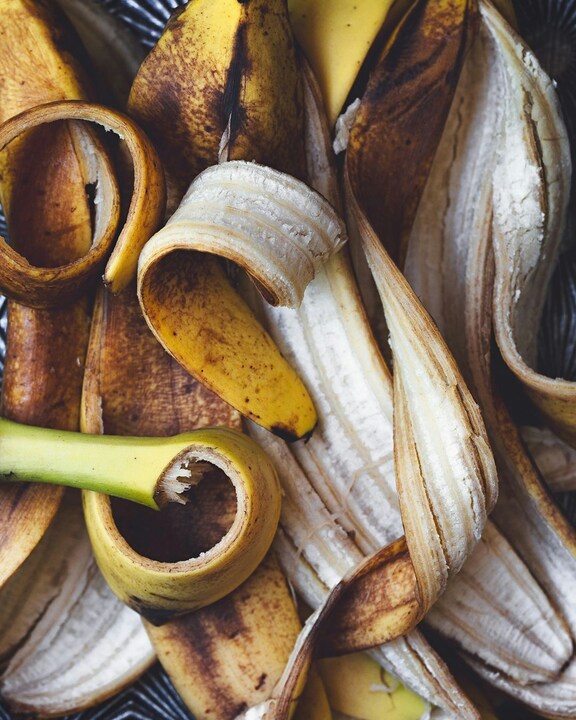
Commercial Food Waste Collection
Most businesses that produce food waste now need a separate food waste collection in England. Under Simpler Recycling, workplaces with 10 or more full time staff have had to keep food waste away from general waste since 31 March 2025. Micro-firms have until 31 March 2027.
Business Waste provides free food waste bins, scheduled collections, and Duty of Care paperwork for UK businesses. We’ll help you choose the right bin size, collection frequency, and setup for food prep waste, plate waste, expired stock, and other food waste. One-off collections can also be catered for.
Collected food waste is sent to approved treatment sites, such as anaerobic digestion or in-vessel composting where suitable. This helps keep food out of general waste and reduces contamination.
 Bin collections in the last 7 days

Get a free quote
Get a fast FREE quote for food waste collection
- Free quote within 1 hour
- Commercial food waste collected
- FREE bins and delivery
- Nationwide UK coverage
How food waste collection works
-
Get your free quote
Tell us what type of food waste your business produces, how much you have, and how often it needs collecting.
-
Receive your free food waste bins
We deliver suitable food waste bins and bags to your site, with no delivery or rental fees. You only pay for collection.
-
Separate food waste properly
Use your food waste bins for prep waste, plate waste, expired stock, peelings, leftovers, tea bags, coffee grounds, and suitable food scraps. Keep out packaging, liquids, oil, general waste, and recycling unless your collection specifically accepts packaged products.
-
We collect on schedule
Licensed carriers collect your food waste on the agreed schedule and take it to an approved treatment site, such as anaerobic digestion or in-vessel composting where suitable.
Food waste disposal for UK businesses
Commercial food waste disposal
Business Waste Ltd arranges commercial food waste collection and disposal for businesses of all sizes across the UK. We provide free food waste bins, scheduled collections, and full Duty of Care paperwork where required. We help restaurants, hotels, schools, care homes, offices, manufacturers, and retailers separate food waste properly and keep the right records..
What we’ll provide to you:
- Free food waste bins and bags: No delivery or rental charges.
- Flexible collections: Daily, weekly, fortnightly, or whenever your business needs them.
- Support for all food waste types: Prep waste, plate waste, expired stock, and food scraps.
- Nationwide coverage: Every UK postcode, from Cornwall to the Highlands.
- Excellent customer care: Help with food waste separation and Simpler Recycling rules
Food waste collections by sector
Food waste looks different across every site. A café may produce coffee grounds, peelings, and plate waste, while a supermarket or manufacturer may need collections for expired stock or production waste.
- Restaurants and kitchens: Prep waste, plate waste, leftovers, coffee grounds, tea bags, and spoiled ingredients
- Hotels and catering: Buffet waste, kitchen prep waste, event food waste, and larger-volume collections
- Pubs and bars: Plate waste, fruit, garnishes, bar snacks, and kitchen waste
- Schools, care homes, and hospitals: Meal service waste, kitchen prep waste, leftovers, and regular scheduled collections
- Retail and manufacturers: Expired stock, rejected ingredients, production waste, and packaged-food checks where needed
We’ll look at what food waste you produce, how much space you have, and how often it needs collecting. Then we’ll recommend the right bins and collection schedule.
Our service helps you keep food waste separate, collected, and documented, without adding extra hassle for your team.
Food waste rules for businesses in England
Simpler Recycling changed workplace recycling in England on 31 March 2025. Most businesses and non-domestic premises with ten or more full-time employees must separate food waste from general waste, dry mixed recycling, and other waste streams. Micro-firms with fewer than ten full-time equivalent employees have until 31 March 2027.
This includes food waste from kitchens, staff areas, customer plates, hospitality service, schools, hospitals, care homes, offices, shops, and other workplaces. Even small amounts should be separated if the rules apply to your organisation.
Food waste should not be placed in general waste bins, dry mixed recycling, cardboard bins, plastic recycling, or drains. Business Waste Ltd can provide separate food waste bins, bags, scheduled collections, and Duty of Care paperwork for your site.
Note that food waste rules differ across the UK. Simpler Recycling applies in England. Scotland, Wales, and Northern Ireland have their own commercial food waste and recycling requirements, so collection duties may vary by location and business type.
Read Our Food Waste Customer Reviews
Fab service
Spencer at business waste has gone above and beyond to resolve issues I have had with my food waste service. Cannot thank him enough for ensuring I can continue to run by business effectively. Fantastic service
New food waste collection
When my previous waste company stopped collecting our general waste with very little notice I got in touch with Business Waste and they were really helpful in setting up a new collection with them. Dan made this easy to do and now we have food & mixed recycling collections with them as well. Would definitely recommend.
Added a food waste collection
We have used Business Waste for about a year for our general waste and we are really happy with the service they provide. We have recently added a mixed recycling collection and a food waste collection due to the new regulations coming in and we found this really easy to organise. Our main contact Victorya has been a real help in making this happen and she is a pleasure to deal with. She is always there if we have queries and replies almost immediately so I would definitely recommend.
Excellent
Dan was great to deal with in setting up our account for food waste to meet the new legislation at a cheaper cost than our existing provider. We will look to move our other collections to Business Waste at the end of our contracts.
Catering waste collection and disposal
Catering waste is food waste from commercial kitchens, cafés, canteens, and food service sites. It must be collected by a licensed waste carrier. Under food hygiene rules, food businesses must store catering waste in a way that helps prevent pests, cross-contamination, and odours.
We provide 20L, 120L, and 240L food waste bins for catering environments, with daily, weekly, or fortnightly collections to suit your kitchen’s output volume.
Supporting food waste collection for a hospitality venue
The Angel is a hospitality venue in Sherston. Food prep and daily service produce regular food waste alongside general waste and glass recycling. Managing these materials correctly is important in a busy kitchen environment.
The site produces food waste from preparation areas, plate waste, and day-to-day catering activity. Without proper separation, food waste can quickly create hygiene issues and contaminate recyclable materials.
We introduced a dedicated waste setup including:
- 240-litre food waste bin with fortnightly collections
- 1100-litre general waste bin for non-recyclable materials
- 240-litre glass recycling bin for bottles and glass waste
This setup keeps food waste separate from general waste and glass, with each stream collected through the right service.
The Angel now has a clear setup for separating food waste from general waste and glass. The 240-litre food waste bin gives the kitchen a dedicated place for prep waste and plate waste. Fortnightly collections help stop food waste building up in the storage area.
Food waste bins for different businesses
Food waste is heavy, wet, and can smell if stored too long. The right bin size and collection frequency depend on your food waste volume, kitchen space, storage area, and how often the bin is used.
We provide 240-litre wheelie bins which can hold 80kg of food waste as standard, are sturdy, sealed, and colour-coded to prevent contamination. We can also provide 120-litre bins for lower-volume sites that hold up to 30kg of food waste, plus food waste bags perfect for small volumes and indoor use. Businesses producing more food waste can request additional bins or more frequent collections.
Food waste bins should be kept closed, cleaned regularly, and stored away from food preparation areas where possible.
All bins are provided free of charge, with no delivery or rental fees. You only pay for collection.
What can go in a food waste bin:
- Raw or cooked meat and fish
- Fruit, vegetables, and salads
- Bread, rice, pasta, cereal and grains
- Dairy products
- Bakery items
- Tea bags and coffee grounds
- Spoiled or expired food, where unpackaged
- Small bones and shells, where accepted by the collection route
What can’t go in:
- Bulk liquids (like oil or milk) unless agreed for the collection
- Food packaging, cling film or plastic wrap
- General waste, nappies, wipes, and sanitary waste
- Clinical, hazardous, or chemical waste
- Packaged food unless your collector has agreed how it should be handled
Commercial food waste disposal: legal routes and requirements
Businesses have a Duty of Care when it comes to waste. For food waste, this means keeping it separate where required, using licensed carriers, and keeping the right records.
In England, Simpler Recycling means most workplaces with ten or more full-time equivalent employees must separate food waste from general waste. Micro-firms have until 31 March 2027.
With Business Waste, you receive:
- Free Duty of Care documentation (required under the Environmental Protection Act 1990).
- Collection by our fully licensed waste carriers in line with the Waste (England and Wales) Regulations 2011 and relevant Scottish and Northern Irish regulations.
- Free Waste Transfer Notes or equivalent transfer records where required
- Support with Simpler Recycling requirements depending on your area
- Authorised treatment routes, such as AD or IVC where suitable
- Processing that follows the Waste Hierarchy: reduce, reuse, recycle, recover, dispose.
Commercial food waste must be disposed of through approved routes. Commercial food waste should be kept out of general waste where separation rules apply. Under Simpler Recycling, most workplaces in England must separate food waste for collection.
How your food waste is treated:
- Recycled through Anaerobic Digestion (AD): Microorganisms break down food waste to produce biogas (converted to electricity and heat) and digestate (used as agricultural fertiliser)
- Recycled through In-Vessel Composting (IVC): Food waste is composted in enclosed systems to produce PAS100-certified compost.
- Energy may also be recovered through approved Energy-from-Waste facilities where this is the most suitable route.
- Food waste must be separated from general waste under Simpler Recycling rules.
You can learn more about our policies and compliance here.
Food waste FAQs
-
 What is food waste?
Food waste includes any edible or biodegradable material discarded by businesses. This includes everything from peelings and leftovers to expired or unsellable items.
-
How is commercial food waste recycled?
Food waste is normally disposed of and recycled through Anaerobic Digestion (AD) or In-Vessel Composting (IVC). Both methods keep food out of landfill and turn it into something useful.
- Anaerobic Digestion: Food waste is placed in sealed tanks with no oxygen. Microorganisms break it down to produce biogas, which is used to generate renewable energy, and a nutrient-rich digestate that’s used as fertiliser for farmland.
- In-Vessel Composting: Food waste is mixed with other organic materials and composted in temperature-controlled units. This creates high-quality compost for agriculture, landscaping, and horticulture.
Both routes help keep food waste out of general waste and turn it into something useful, such as energy, fertiliser, or compost.
Learn more about Anaerobic Digestion here.
-
What bin should food waste go in?
Use dedicated food waste bins and bags with a secure lid. We provide free bins to help keep food waste separate from other materials.
-
How much food waste is produced in the UK?
WRAP estimates that the UK hospitality and food service sector throws away 1.1 million tonnes of food every year. Around 75% could have been eaten, costing businesses and organisations £3.2 billion. This is why reducing food waste before collection matters as much as arranging the right bins.
Read more food waste facts here.
-
How can I reduce food waste in my business?
Start by tracking what you buy, use, and throw away. Menu planning, better stock control, and clear food waste separation can help reduce waste and control costs.
Reducing food waste can lower purchasing costs, reduce disposal bills, and make compliance easier.
Not sure where to begin? A free waste audit can help identify what you throw away and which collections you need.
-
What happens to food waste after collection?
After collection, it’s weighed, transferred to an authorised facility, and recycled into renewable energy or compost, keeping unnecessary waste away from landfill.
-
Do I have to separate food waste by law?
Yes, if your workplace in England has 10 or more full-time staff. The rule has applied since 31 March 2025 under Simpler Recycling. Micro-firms with fewer than 10 full-time staff have until 31 March 2027. Rules differ in Scotland, Wales, and Northern Ireland.
-
What food waste regulations should my business know about?
Several UK regulations govern how food waste must be handled and disposed of safely:
- Environment Act 2021: Introduced Simpler Recycling, requiring separate food waste collections.
- Waste (England and Wales) Regulations 2011: Sets the waste hierarchy, prioritising prevention and recycling over disposal.
- Animal By-Products (ABP) Regulations: Defines strict rules for handling food containing animal products (Category 3).
- Environmental Protection Act 1990: Establishes the legal Duty of Care for all waste producers.
- The Controlled Waste Regulations
-
What counts as food waste under Simpler Recycling?
Food waste includes discarded food intended for human consumption, such as plate waste, prep waste, expired stock, coffee grounds, tea bags, and spoiled ingredients. Bones, eggshells, and fruit stones are also included. Packaging is not food waste and should go in the right recycling stream where possible.
-
How much does commercial food waste collection cost?
Commercial food waste collection prices depend on bin size, number of bins, collection frequency, location, and volume. Business Waste Ltd provides free bins with no delivery or rental charges, so you only pay for collections. Get a free quote within one hour.
-
How often should commercial food waste be collected?
Collection frequency depends on your business type and output volume. Restaurants and food manufacturers typically require daily or twice-weekly collections. Offices and schools may need weekly or fortnightly collections. We’ll recommend the right schedule when you get a quote.
-
What goes in a commercial food waste bin?
YES:
Food prep waste (peelings, scraps, off-cuts), plate waste (leftovers, unfinished portions), expired and spoiled food, coffee grounds and tea bags, eggshells, bones, and bread.
NO:
Packaging (cardboard, plastic, foil should be put in DMR or cardboard recycling), liquids and cooking oil (separate oil recycling), paper towels and napkins, general waste, or recyclable materials.

Get started
Get a fast FREE quote for your food waste disposal
- Free quote within 1 hour
- Commercial food waste collected
- FREE bins and delivery
- Nationwide UK coverage
Nationwide Food Waste Disposal Across the UK
And arrange your free bin and your collection
- Armagh
- Bolton Waste Management
- Brighton & Hove Waste Management
- Bristol Waste Management
- Canterbury Waste Management
- Cardiff Waste Management
- Carlisle Waste Management
- Chelmsford Waste Management
- Chester Waste Collection
- Chichester Waste Collections
- Commercial Waste Birmingham
- Commercial Waste Collection Edinburgh
- Commercial Waste Collection London
- Coventry Waste Management
- Durham Waste Management
- Ely Waste Disposal
- Glasgow Waste Management
- Hull Waste Management
- Kent Waste Management
- Lancaster Waste Management
- Lichfield Waste Disposal
- Liverpool Waste Management
- Luton Waste Management
- Newport Waste Management
- Oxford Waste Management
- Perth
- Peterborough Waste Management
- Preston Waste Management
- Reading Waste Management
- Ripon Waste Collection
- Salford Waste Management
- Slough Waste Disposal
- Southend Waste Disposal Services
- St Albans Waste Disposal
- Stirling Waste Management
- Stockport Waste Collection
- Swansea Waste Management
- Truro Waste Collection
- Wakefield Waste Management
- Warrington Waste Management
- Waste Collection Bath
- Waste Collection Middlesbrough
- Waste Disposal Inverness
- Waste Management Aberdeen
- Waste Management Aldershot
- Waste Management Alfreton
- Waste Management Ashington
- Waste Management Ashton-under-Lyne
- Waste Management Aylesbury
- Waste Management Barnsley
- Waste Management Barnstaple
- Waste Management Basildon
- Waste Management Basingstoke
- Waste Management Bedford
- Waste Management Bedfordshire
- Waste Management Bedworth
- Waste Management Belfast
- Waste Management Bellshill
- Waste Management Belper
- Waste Management Bexhill-on-Sea
- Waste Management Bicester
- Waste Management Bishop Auckland
- Waste Management Bishop’s Stortford
- Waste Management Blackburn
- Waste Management Blackpool
- Waste Management Blyth
- Waste Management Bognor Regis
- Waste Management Borehamwood
- Waste Management Bournemouth
- Waste Management Bradford
- Waste Management Brent
- Waste Management Bridgwater
- Waste Management Bridlington
- Waste Management Brighouse
- Waste Management Broadstairs
- Waste Management Bromley
- Waste Management Bromsgrove
- Waste Management Burnley
- Waste Management Burntwood
- Waste Management Bury
- Waste Management Bury St Edmunds
- Waste Management Buxton
- Waste Management Cambridge
- Waste Management Cannock
- Waste Management Canvey Island
- Waste Management Castleford
- Waste Management Caterham
- Waste Management Chatham
- Waste Management Cheltenham
- Waste Management Chesterfield
- Waste Management Chippenham
- Waste Management Christchurch
- Waste Management Clevedon
- Waste Management Coalville
- Waste Management Colchester
- Waste Management Colne
- Waste Management Congleton
- Waste Management Cornwall
- Waste Management Cramlington
- Waste Management Crawley
- Waste Management Croydon
- Waste Management Cumbria
- Waste Management Dartford
- Waste Management Derby
- Waste Management Devon
- Waste Management Dewsbury
- Waste Management Doncaster
- Waste Management Dorset
- Waste Management Dover
- Waste Management Droitwich
- Waste Management Dronfield
- Waste Management Dudley
- Waste Management Dumfries-Galloway
- Waste Management Dundee
- Waste Management East Lothian
- Waste Management East Riding of Yorkshire
- Waste Management Eastbourne
- Waste Management Ellesmere Port
- Waste Management Enfield
- Waste Management Essex
- Waste Management Evesham
- Waste Management Exeter
- Waste Management Falkirk
- Waste Management Falmouth
- Waste Management Fife
- Waste Management Folkestone
- Waste Management Frome
- Waste Management Gateshead
- Waste Management Gillingham
- Waste Management Gloucester
- Waste Management Grantham
- Waste Management Gravesend
- Waste Management Grimsby
- Waste Management Guisborough
- Waste Management Hailsham
- Waste Management Halesowen
- Waste Management Halifax
- Waste Management Hampshire
- Waste Management Harlow
- Waste Management Harrogate
- Waste Management Hastings
- Waste Management Havant
- Waste Management Hemel Hempstead
- Waste Management Hereford
- Waste Management Herne Bay
- Waste Management High Wycombe
- Waste Management Hornchurch
- Waste Management Horsham
- Waste Management Houghton Le Spring
- Waste Management Hounslow
- Waste Management Huddersfield
- Waste Management Huntingdon
- Waste Management Ilford
- Waste Management Ilkeston
- Waste Management in Tewkesbury
- Waste Management Ipswich
- Waste Management Keighley
- Waste Management Kendal
- Waste Management Kettering
- Waste Management Kidderminster
- Waste Management Kingston-Upon-Thames
- Waste Management Kingswinford
- Waste Management Knutsford
- Waste Management Lancashire
- Waste Management Leeds
- Waste Management Leicester
- Waste Management Leigh
- Waste Management Leighton Buzzard
- Waste Management Letchworth Garden City
- Waste Management Leyland
- Waste Management Leyton
- Waste Management Lincoln
- Waste Management Lincolnshire
- Waste Management Loughborough
- Waste Management Lowestoft
- Waste Management Maidenhead
- Waste Management Maidstone
- Waste Management Malvern
- Waste Management Manchester
- Waste Management Mansfield
- Waste Management Margate
- Waste Management Market Harborough
- Waste Management Melton Mowbray
- Waste Management Milton Keynes
- Waste Management Morecambe
- Waste Management Newark-on-Trent
- Waste Management Newbury
- Waste Management Newcastle upon Tyne
- Waste Management Newton Aycliffe
- Waste Management Norfolk
- Waste Management North Shields
- Waste Management North Yorkshire
- Waste Management Northampton
- Waste Management Northwich
- Waste Management Norwich
- Waste Management Nottingham
- Waste Management Oldham
- Waste Management Oxfordshire
- Waste Management Penzance
- Waste Management Plymouth
- Waste Management Poole
- Waste Management Portsmouth
- Waste Management Ramsgate
- Waste Management Redditch
- Waste Management Rochdale
- Waste Management Romford
- Waste Management Rossendale
- Waste Management Rotherham
- Waste Management Rugby
- Waste Management Rushden
- Waste Management Salisbury
- Waste Management Sandbach
- Waste Management Scarborough
- Waste Management Scottish Borders
- Waste Management Scunthorpe
- Waste Management Sevenoaks
- Waste Management Sheffield
- Waste Management Shrewsbury
- Waste Management Shropshire
- Waste Management Sittingbourne
- Waste Management Skegness
- Waste Management Somerset
- Waste Management South Lanarkshire
- Waste Management South Shields
- Waste Management Southampton
- Waste Management St Helens
- Waste Management Stafford
- Waste Management Staffordshire
- Waste Management Stoke-on-Trent
- Waste Management Stroud
- Waste Management Suffolk
- Waste Management Sunderland
- Waste Management Surrey
- Waste Management Sussex
- Waste Management Sutton
- Waste Management Sutton Coldfield
- Waste Management Sutton-in-Ashfield
- Waste Management Swindon
- Waste Management Tamworth
- Waste Management Taunton
- Waste Management Telford
- Waste Management Torquay
- Waste Management Tunbridge Wells
- Waste Management Walsall
- Waste Management Wandsworth
- Waste Management Warminster
- Waste Management Watford
- Waste Management Wednesbury
- Waste Management Welwyn Garden City
- Waste Management West Bromwich
- Waste Management West Midlands
- Waste Management West Yorkshire
- Waste Management Weymouth
- Waste Management Whitstable
- Waste Management Wigan
- Waste Management Woking
- Waste Management Wolverhampton
- Waste Management Worcester
- Waste Management Worksop
- Waste Management Yorkshire
- Winchester Waste Collection
- Worthing Waste Collection
- Wrexham Waste Collection
- York Waste Management
Published 4th April 2022 by JackBrayshaw. Last modified 18th September 2026