23 October 2026
Where Are England’s Asbestos Waste Hotspots?
Recorded asbestos waste in England increased from 243,739.82 tonnes in 2024 to 277,379.85 tonnes in 2025, a 13.8% increase.
Wheelie bin sizes, capacities, and weight limits vary greatly. Two and four-wheel bins in all shapes and sizes can store many waste types securely before collection and disposal. The standard wheelie bin size in the UK is a 240 litre wheelie bin, but bigger and smaller ones are available.
Wheelie bin width, height, and depth (or length) are different for each wheelie bin size. However, wheelie bin dimensions in the UK are generally standardised. For example, a 240 litre wheelie bin from your local council should be the same size as a 240 litre wheelie bin provided by a private waste management company.
Using the right sizes of wheelie bins avoids waste overflowing and ensures cost-effective management. Find out everything you need to know about wheelie bin sizes to help work out which one is best for your business.
All wheelie bin sizes are based on litres. This gives an idea of their capacity for waste storage, but the height, width, and depth of wheelie bins also vary. Wheelie bin weights are also different based on their size and material, with most wheelie bins made of polyethylene – a type of plastic.
To give a realistic idea of the capacity of each wheelie bin we provide an estimate of the maximum number of full waste bags you can fit into them. These are based on standard 65 litre bin bags. If you use larger or smaller bin bags then how many you can fit in may be different.
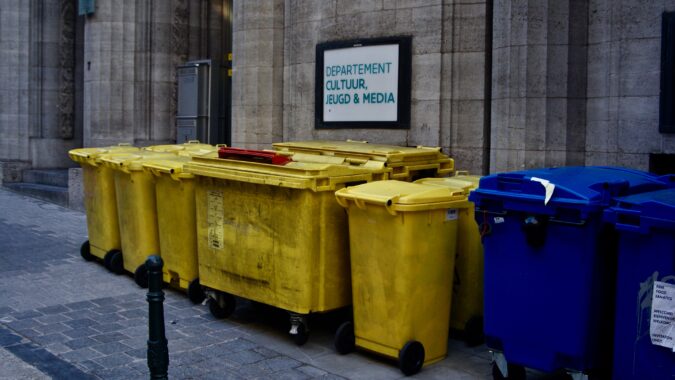
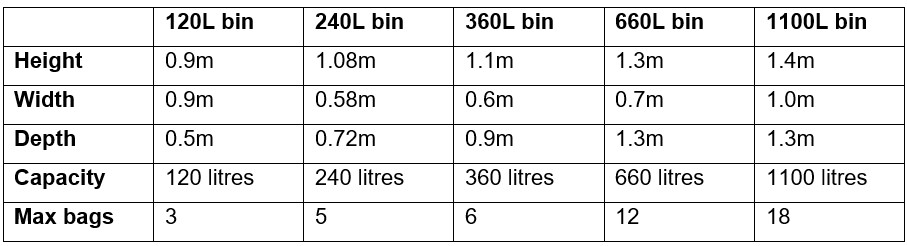
A 120 litre wheelie bin is the smallest size of wheelie bin available. 120 litre wheelie bin dimensions are 0.9m (height) x 0.5m (width) x 0.5m (depth). They have a capacity to hold up to 120 litres, which works out at a maximum of two to three full waste bags.
This is the standard wheelie bin size like the one you have at home for your domestic rubbish. 240 litre wheelie bin dimensions are 1.08m (height) x 0.58m (width) x 0.72 (depth). They have the capacity to store up to 240 litres, equivalent to between four and five bags of waste.
A 360 litre wheelie bin is the biggest two-wheel bin available for use at your business or home. 360 litre wheelie bin dimensions are 1.1m (height) x 0.6m (width) x 0.9m (depth). Their capacity is a maximum of 360 litres, and they can hold up to six full waste bags.
These are the smallest four-wheel bins available, but they can store significantly more waste than any two-wheel bin. 660 litre wheelie bin dimensions are 1.3m (height) x 0.7m (width) x 1.3m (depth). Their capacity is 660 litres and they’re capable of storing a maximum of 10 to 12 bags of waste.
A 1100 litre wheelie bin is the largest available wheelie bin that has four wheels. 1100 litre wheelie bin dimensions are 1.4m (height) x 1.0m (width) x 1.3m (depth). They have a large capacity of 1100 litres, which means they’re capable of holding up to 18 full waste bags.
Compare wheelie bin measurements with this simple table that includes the height, width, depth, capacity, and maximum waste bags all sizes of wheelie bins can hold. Use this wheelie bin size chart for an easy way to compare wheelie bin sizes and determine which one suits your needs:
Wheelie bin weight limits depend on the size and capacity of a wheelie bin, as well as the waste type. All wheelie bins have a general maximum weight limit but there are ones in place for specific kinds of waste. Compliance with these is vital to avoid any overweight charges.
Overflowing bins can be too heavy to remove, which may lead to a missed waste collection. Understanding wheelie bin weight limits and having an efficient waste management plan helps avoid such issues. Use this wheelie bin weight limit chart to see the maximum allowances for common waste types depending on different sizes of wheelie bins.
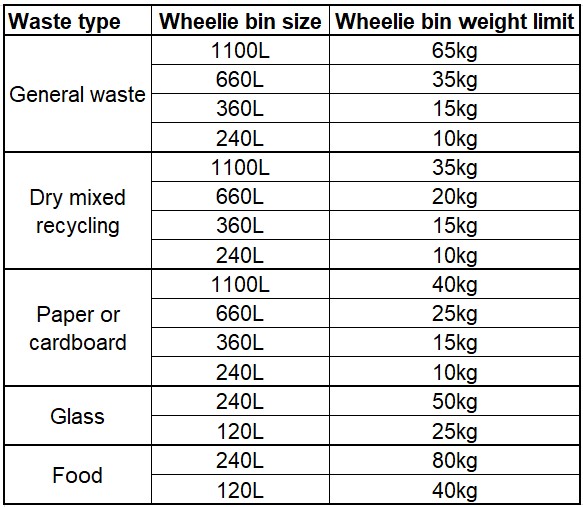
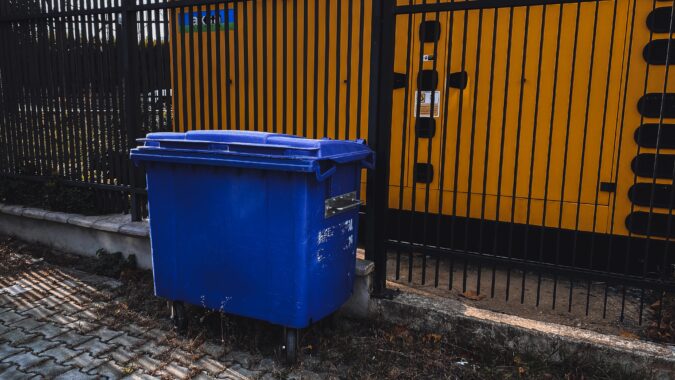
Most domestic wheelie bin sizes in the UK are 240 litres. This includes those used for domestic general waste, mixed recycling, and garden waste supplied by local councils and authorities to households in their district. These can hold four to five bags of waste.
The colour and size of council wheelie bins can vary between areas. Some local authorities may provide 360 or 120 litre wheelie bins for general waste, recycling, or garden waste. The differences in council wheelie bin sizes may depend on collection frequencies, local authority policies, budgets, and other factors.
At Business Waste we provide free wheelie bins of any size to companies across the UK. There are no rental or delivery fees or any hidden charges – you only pay the collection costs for each wheelie bin. These vary depending on the number and sizes of wheelie bins, waste types, collection frequency, and your location.
Wheelie bin collections are available on a daily, weekly, or fortnightly basis to suit the amount of waste you produce. Combine the best wheelie bin sizes for each type of waste you create with a collection schedule that offers cost-effective waste management. Use different sizes and numbers of bins suited to your needs.
Get a free no obligation quote to use any number and size of wheelie bins wherever your business is in the UK. Contact us online or call 0800 211 8390 today for a free quote. One of our friendly and expert team can answer any of your questions and advise on the best wheelie bin sizes for your organisation.

Get a free quote
Get a fast FREE quote for your wheelie bins
 How big is a standard wheelie bin?
A standard wheelie bin is a 240 litre wheelie bin. This is the size of a wheelie bin provided by councils and local authorities to most households in the UK. Standard wheelie bin measurements are 1.08m (height) x 0.58m (width) x 0.72 (depth) and this bin can hold between four and five bags of waste.
What is the capacity of a standard wheelie bin?
The capacity of a standard wheelie bin is 240 litres. This is the equivalent of between four and five full standard bin bags (when using 65 litre bin bags). If you filled a standard wheelie bin with water it would hold 240 litres.
What is the largest wheelie bin size?
The largest wheelie bin size is a 1100 litre wheelie bin. This is a big four-wheel bin that measures 1.4m (height) x 1.0m (width) x 1.3m (depth). It can be used to store up to 18 bags of waste and hold up to 65kg of general waste.
How tall is a wheelie bin?
How tall a wheelie bin is depends on its capacity and shape. The height of wheelie bins ranges from 0.9m (120 litre wheelie bins) up to 1.4m (1100 litre wheelie bins). Check that where you store your wheelie bins has room to accommodate the height of any bins you use.
How wide is a wheelie bin?
How wide a wheelie bin is depends on the capacity and shape of the bin. The width of wheelie bins ranges from 0.9m (120 litre wheelie bins) up to 1.0m (1100 litre wheelie bins). Ensure you have enough space to fit any two- or four-wheel bins on your premises based on their width.
Recorded asbestos waste in England increased from 243,739.82 tonnes in 2024 to 277,379.85 tonnes in 2025, a 13.8% increase.

What goes in the recycling bin at work depends on the type of waste and the collection service your business uses.

The correct disposal route for broken glass depends on the type of glass and whether it is contaminated.

Local authorities in England recorded 1,257,863 fly-tipping incidents in 2024/25. This is one incident every 25 seconds.
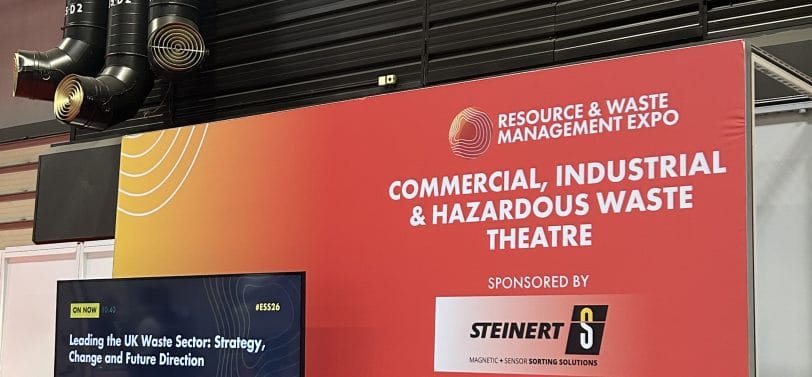
The waste sector is being asked to take on more responsibility, and all parties have a part to play.
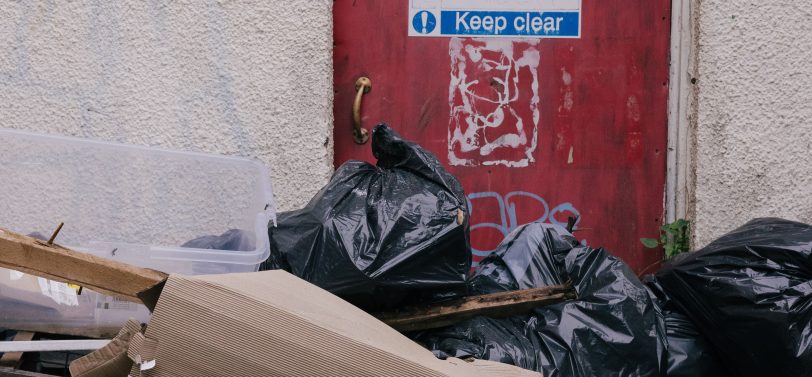
If the incident is happening now, or you feel threatened, call the police. Don’t touch any of the waste or confront anyone involved.
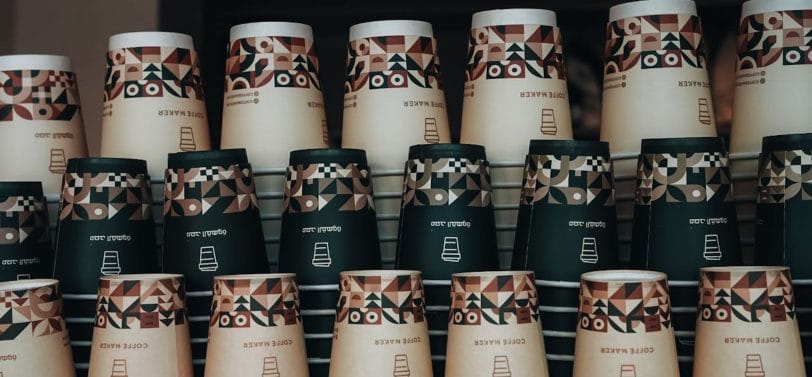
We’ve analysed the prices, comparing branded reusable cup incentives from six UK businesses.
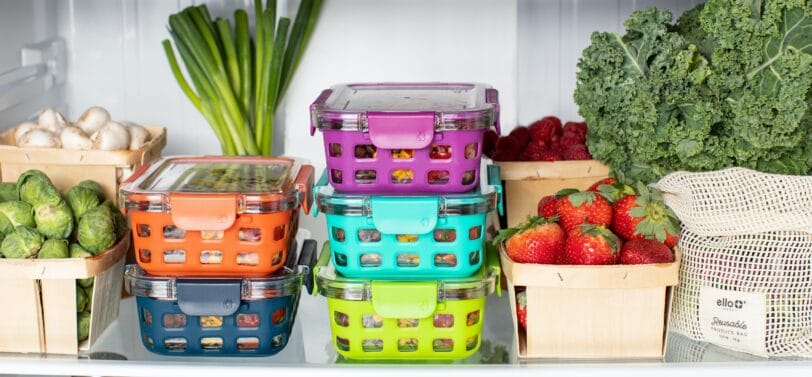
As pupils return to classrooms, our latest research estimates that 12,400 tonnes of packed lunch food could go uneaten every school year.
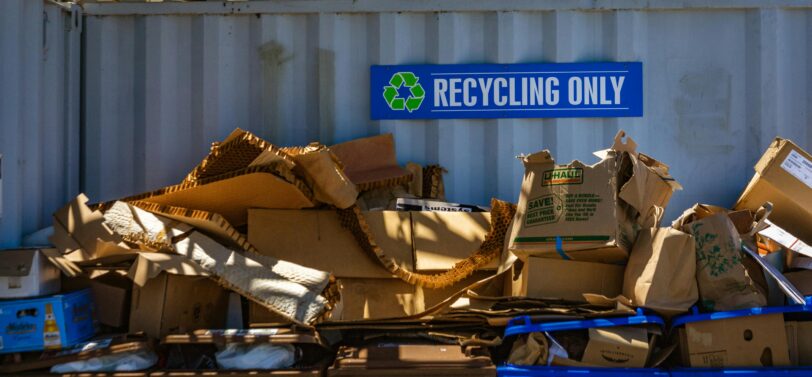
We analysed household recycling guidance from 58 major urban areas across the UK. Find out how your region compares.
For businesses, decarbonisation is not purely about energy use. Waste management, recycling, and food waste all play a key role.
Simpler Recycling regulations have made businesses in England consider what they can actually recycle.
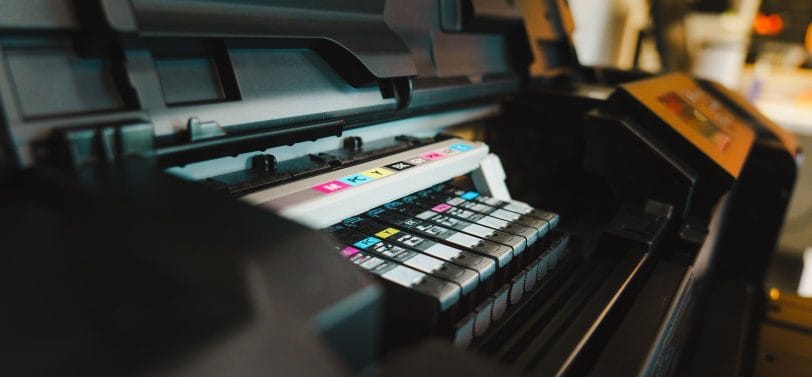
It’s important that workplaces treat cartridge disposal as a business waste stream.

Businesses should store old knives safely, tell their licensed waste carrier what is being collected, and keep the correct waste transfer paperwork.

A three-year delay in household flexible plastic collections could result in the loss of 845,800 tonnes of CO₂e savings.
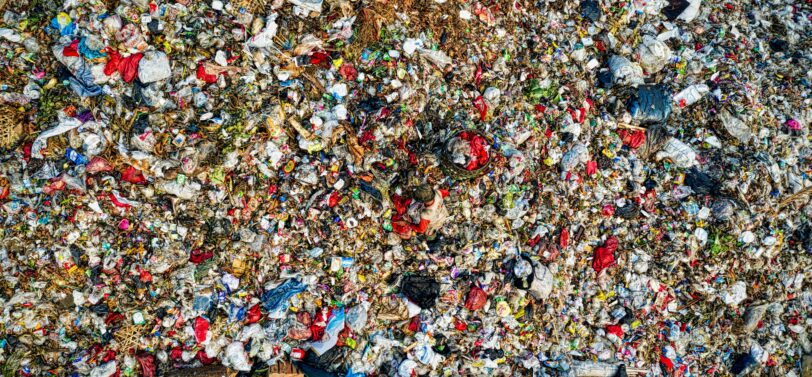
A staggering number of landfill odour complaints were made between 2022 and 2025. Business Waste breaks down the data.

Incorrect dental waste segregation can increase disposal costs, lead to compliance issues, and put staff at risk.
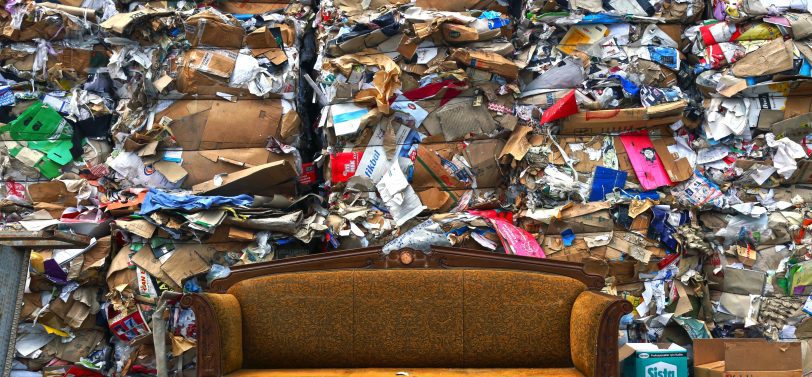
Bulky waste collection costs have increased by 17.8% in just over a year, according to our latest analysis.
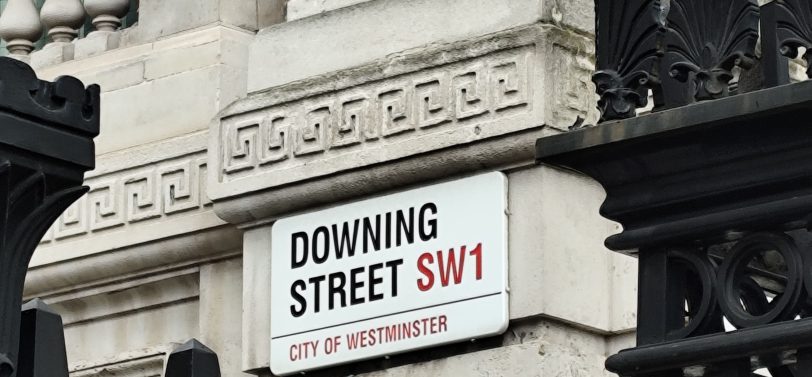
We’ve reviewed publicly available voting records for three possible successors: Andy Burnham, Angela Rayner, and Ed Miliband.

Disposable BBQs are cheap, easy to buy, and designed to be thrown away after one use. That is exactly why Business Waste Ltd is calling for a UK-wide ban.
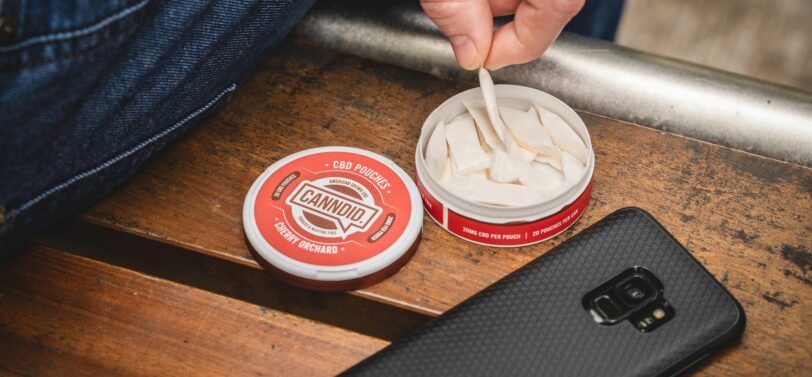
Once used, nicotine pouches create a waste stream that is easy to overlook, litter, or dispose of incorrectly.
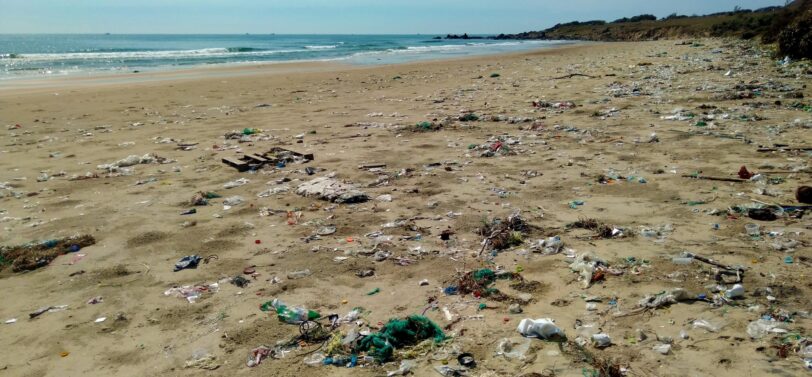
Busy beaches often see increases in plastic waste, disposable BBQs, broken glass, food packaging, dog mess, and other litter left behind.
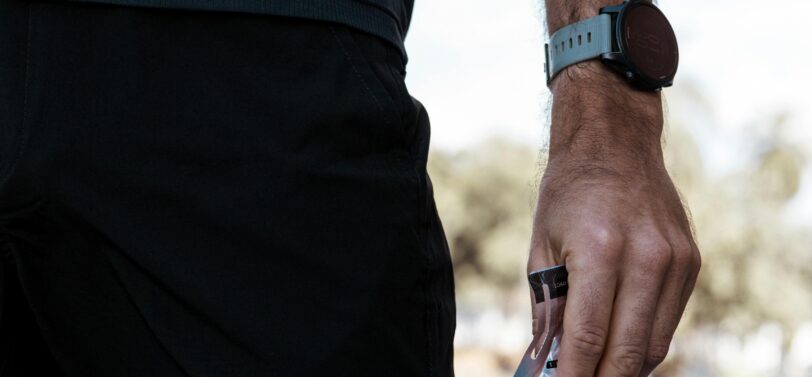
Is single-use sports nutrition becoming an overlooked waste problem in endurance sport?
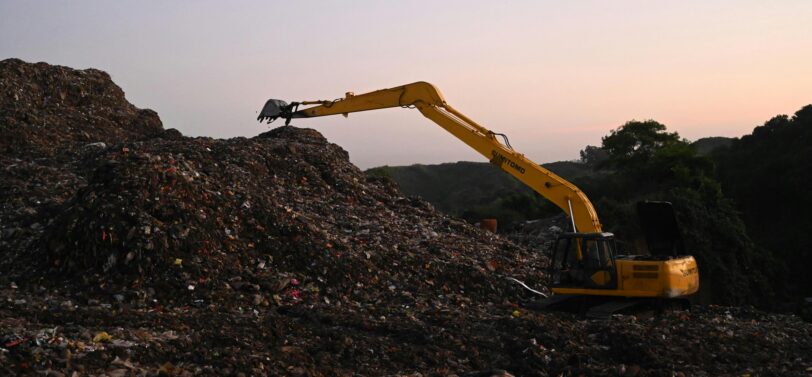
From 1 April 2026, landfill tax in the UK will rise again. The standard rate will increase to £130.75 per tonne, reinforcing landfill as the most expensive waste disposal option for most businesses.

Any business that produces hazardous waste must use a consignment note whenever that waste leaves its premises. The document forms part of the waste duty of care, which requires organisations to manage waste safely and responsibly.
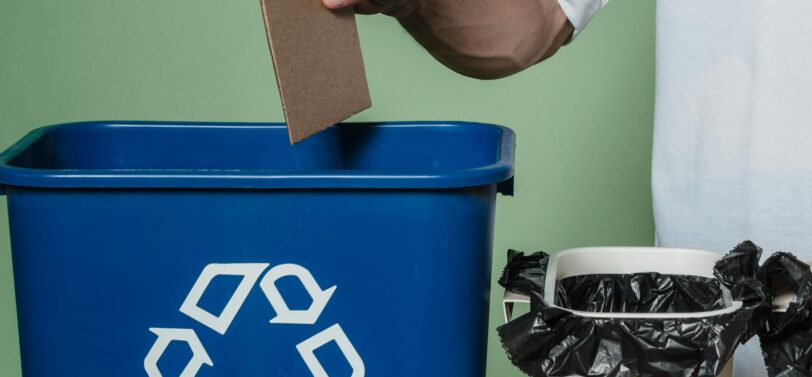
The Environment Agency has announced it will charge £118 per hour to businesses in England that fail to comply with Simpler Recycling rules. Here’s everything you need to know.
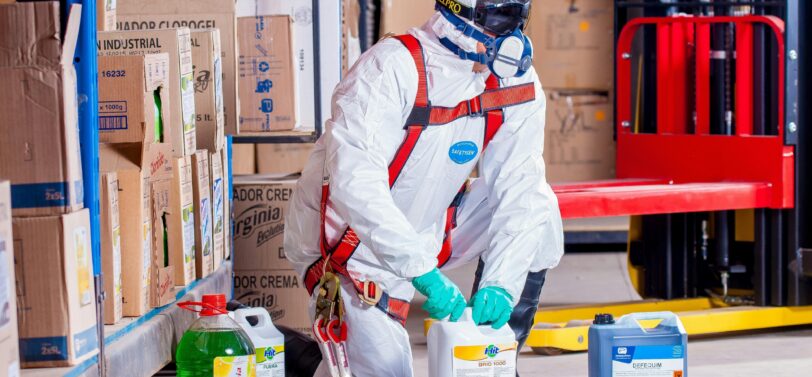
If materials containing PFAS enter your waste stream, you may face tighter handling rules, hazardous classification, and stricter duty-of-care responsibilities. Here’s what you need to know.
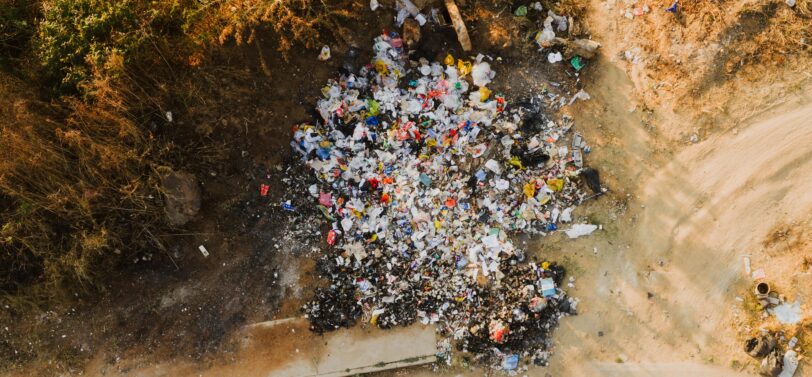
Fly-tipping is usually viewed as a local issue, with local consequences. A pile of dumped waste appears, the council clears it up, and residents are left frustrated. But there’s a second cost that is rarely mentioned

Most businesses take data protection seriously. They lock down systems, train staff on phishing, and tighten access to customer records. But there’s one part of GDPR compliance that still gets missed. What happens to confidential waste when it’s thrown away?

North Devon Council has confirmed it will stop all commercial waste collections from 31 March 2026, leaving thousands of local businesses responsible for arranging their own waste services. Businesses now need to act quickly to stay compliant and avoid disruption.
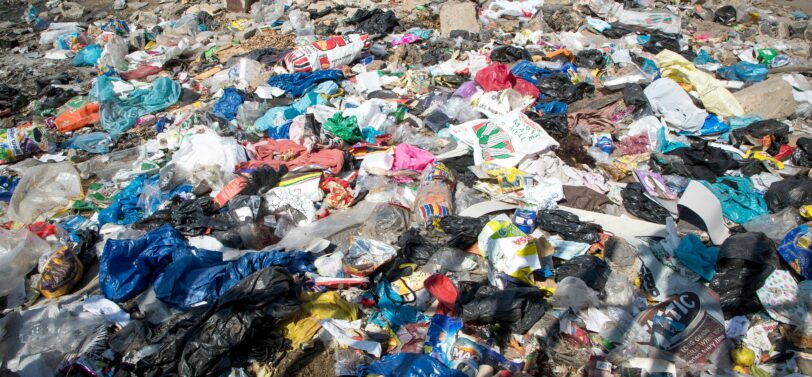
Across England, landfill capacity has been steadily shrinking, with some regions already operating at or close to zero available space. As sites close and approvals for new landfills slow, the UK is facing a growing landfill capacity crisis that is becoming harder to ignore.
As pressure mounts on land availability, infrastructure, energy generation, and climate resilience, ex-landfill sites are increasingly being re-examined not as liabilities, but as opportunities. With the right engineering, monitoring, and planning, many of these sites are finding new life in ways that deliver environmental, economic, and community benefits.
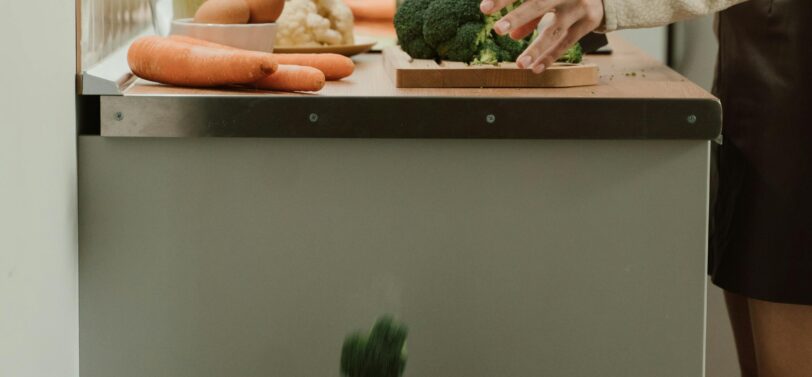
While councils are preparing to deliver food waste caddies and collection services, one issue risks undermining the success of the new system before it even begins: unclear food packaging guidance.
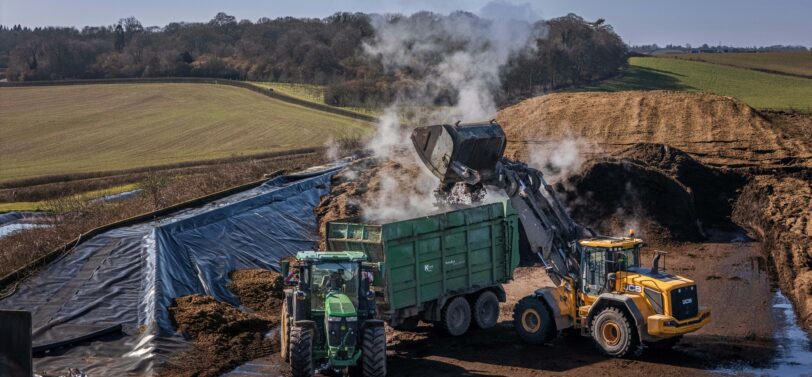
For businesses, 2026 is less about new announcements and more about practical impact. Waste compliance, collection costs, and disposal options are all likely to shift.

Our very own Buffest Binman calendar has officially made its TV debut, appearing on This Morning on ITV.

HMOs house around 1.5 million people across England. They generate higher waste volumes and more contamination risks than standard homes. That places greater responsibility on landlords to ensure correct bins, clear instructions and safe waste handling.
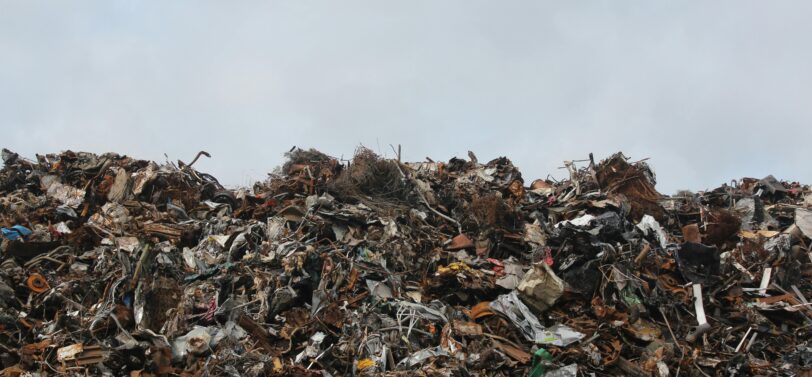
New analysis of Environment Agency data shows that several English regions could reach zero remaining landfill space within the next decade. In some areas, that reality has already arrived.

44% of UK retailers are left with excess stock after Christmas and New Year discounting. Here’s how to donate stock safely, legally and without creating unintended waste problems.
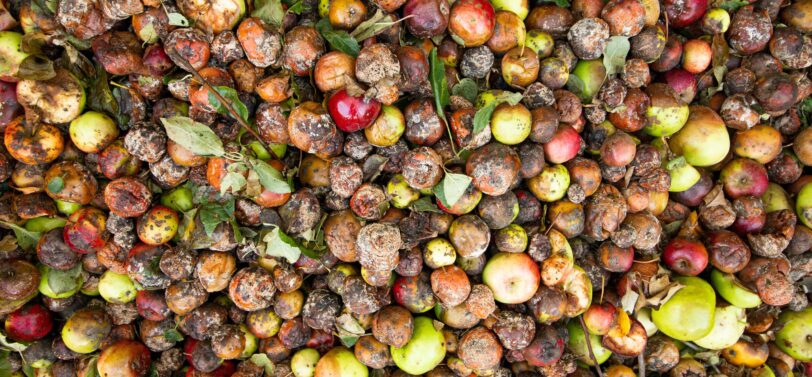
Rising food waste volumes, limited plant capacity, delays to infrastructure investment, and the roll-out of Simpler Recycling rules are creating a perfect storm for the waste industry and businesses that rely on regular food waste collections.
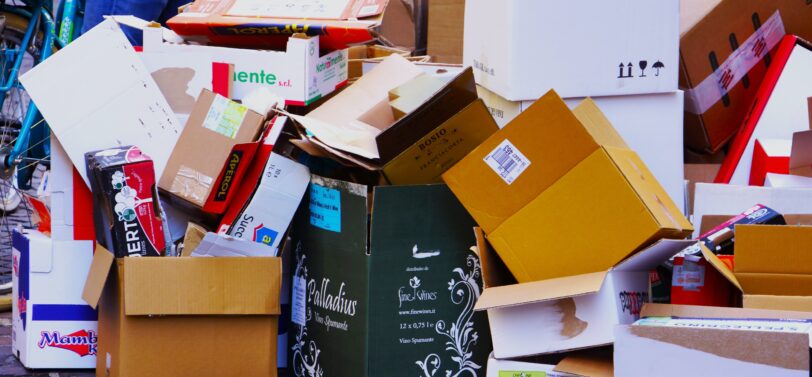
Millions of parcels arrive at homes and businesses in boxes that are far larger than necessary, wasting packaging materials and creating a surge in unnecessary delivery emissions.
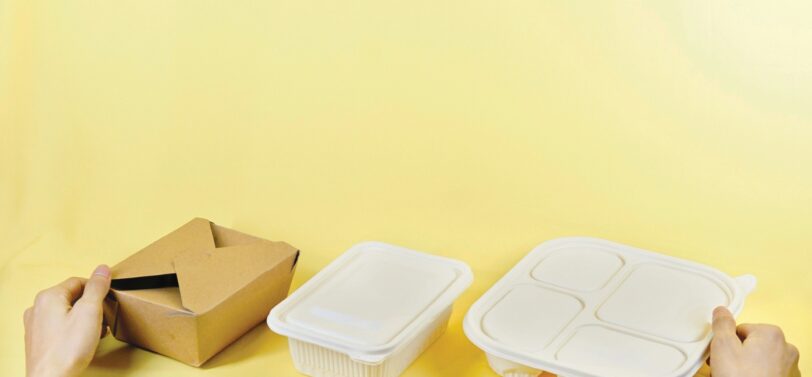
UK businesses must follow strict packaging waste regulations that control how packaging is designed, used, recycled, and disposed of. This guide explains what the regulations are, who they apply to, and how to stay compliant.

The UK remains heavily reliant on other countries to process its recyclable waste. UK plastic waste exports increased by 84% in the first half of 2025.
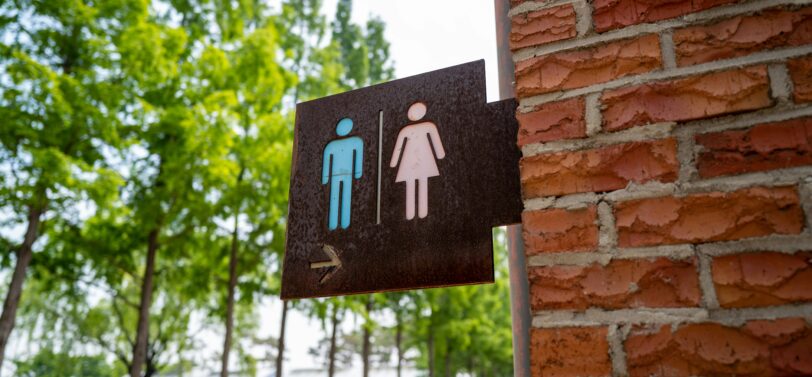
Public toilets are disappearing across Great Britain. The British Toilet Association estimates only around 3,300 remain, a 25% drop since 2008.

Windows 10 reaches End of Support (EoS) on 14 October. Find out how this could create a mountain of valuable e-waste and materials with our research.
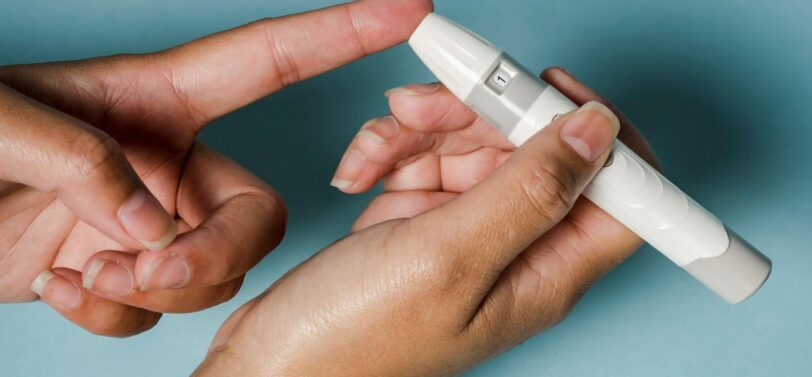
Home blood test kits are becoming more common but creating lots of sharps waste. Discover how to dispose of home blood test kits safely and responsibly.
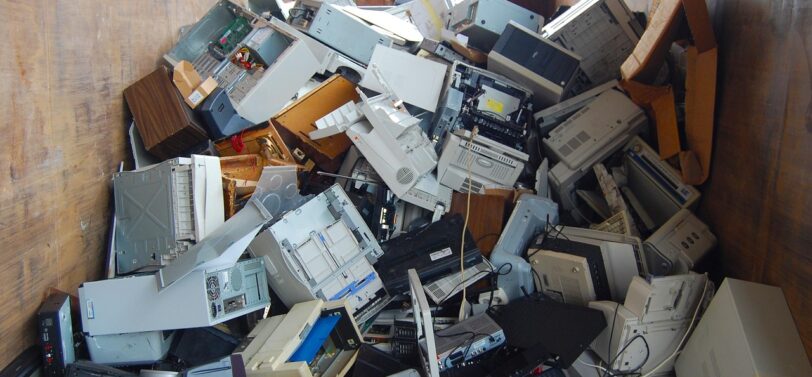
Amendments to WEEE regulations in the UK mean online retailers will have more responsibility for e-waste recycling in 2026. Prepare your business today.
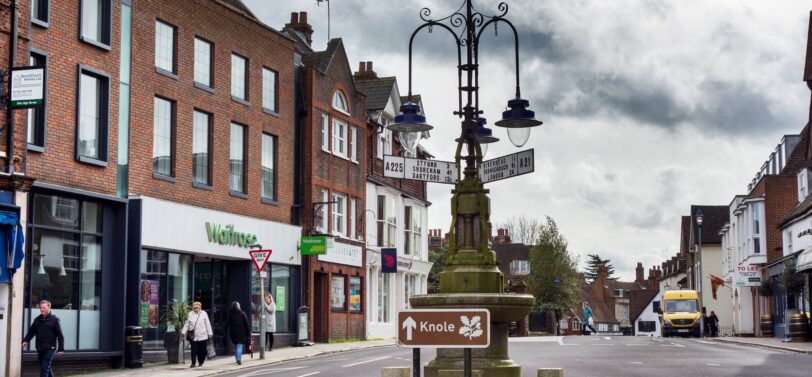
Sevenoaks District Council will cease commercial waste collections from 30 September 2025. Find out what your business must do if you use the service.
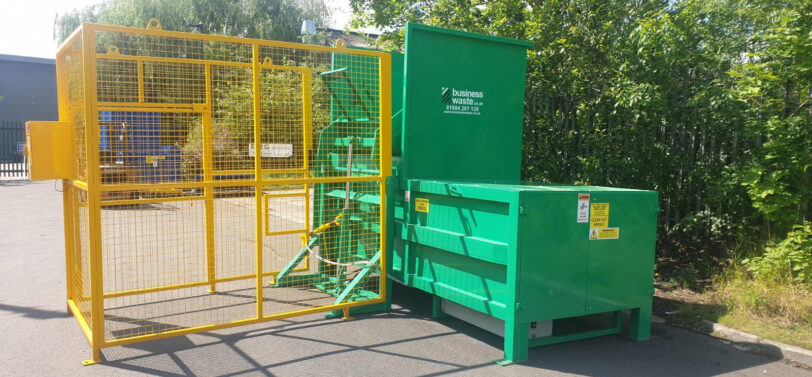
A baler is a machine that compresses recyclable rubbish into a dense cube or cuboid block. It significantly reduces the volume of waste by compacting it into a large bale. They’re commonly used for efficient and cost-effective waste management by businesses that produce high volumes of recycling.

Tourists bin 1.2 billion plastic water bottles every year. 493 million bottles are unnecessary as they’re bought in countries with safe drinking tap water.

Business Waste celebrates its tenth anniversary on July 15! That’s a decade managing commercial waste for thousands of customers across the UK.

Ozempic pen use is rising. Safe disposal is vital to protect health and the environment. Learn how to dispose of Ozempic and other GLP-1 pens in this guide.

Not all rubbish put in your recycling bin at home gets recycled. Discover which regions in the UK have the highest and lowest recycling rejection rates.

Data reveals that Batu Caves is the most littered tourist attraction in the world. See what other popular destinations are also home to lots of rubbish.

Many factors affect how eco-friendly a city is, and we compared them to determine the most sustainable city in the UK to run a business. Read the results.

There’s a cost for a waste carrier’s licence to transport commercial waste. Find out how much a waste carrier’s licence is and other costs in this blog post.
Discover everything you need to know about commercial waste collection costs in the UK.

Farms in the UK that are part of the Red Tractor assurance scheme must adhere to its standards for waste management. Learn what they are in this guide.
Commercial recycling should be something that every business in the UK does to get rid of various rubbish streams sustainably. This is especially important to comply with the new Simpler Recycling regulations. Many organisations generate packaging, cardboard, glass, and paper waste every day and it should be recycled.

The prevalence of microplastics in humans is a big topic. Check out these shocking images that show their potential effect on human bodies in the future.

Maidstone Borough Council will stop providing commercial waste services from 1 April 2025. Find out what your business must do and arrange an alternative.

Councils in the UK charge different rates to collect bulky waste from homes. Discover where it costs the most and least to get rid of bulky items.

There are strict regulations that cover the disposal of waste electrical and electronic equipment (WEEE).
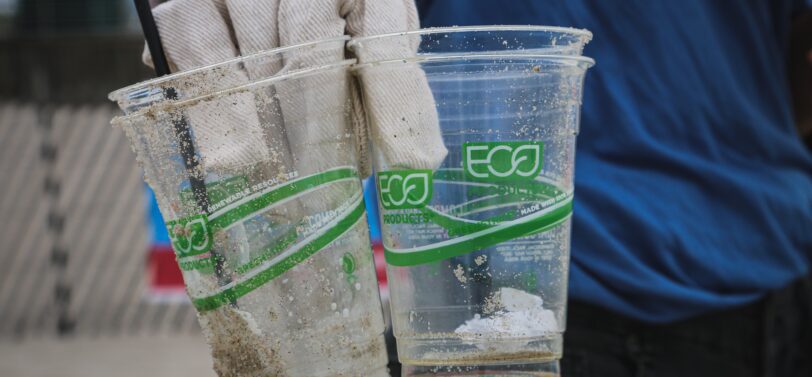
Plastic is one of the most used materials for packaging, toys, electrical items, and many other products.
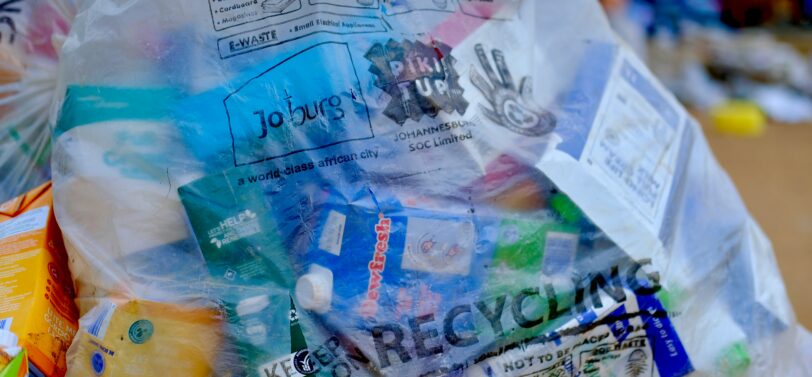
Combining used packaging, wrappers, and other materials with dry mixed recycling (DMR) is a convenient choice for many businesses.

Dudley Council will no longer provide a commercial waste collection service from April 2025. Find out how to arrange an alternative for your business.

2025 will be a year of change for the world of waste. Learn about four big waste management changes and trends your business should be aware of in 2025.

Black Friday produces an estimated 1.5 million tonnes of waste. Learn about its negative environmental impact with these Black Friday waste statistics.

Recycling bottle tops prevents them from being littered and going to landfill. Learn how to dispose of lids responsibly in this bottle top recycling guide.
Contaminated recycling causes problems and means waste goes to landfill or is incinerated. Find out how to reduce recycling contamination in your business.

Many tourist hotspots look great in the photos but are sadly surrounded by rubbish and litter. Discover the 10 dirtiest hotspots in the world to avoid.

Recycling at school is the easiest way to teach environmental lessons. Improve sustainability at school with this guide and ideas for recycling for schools.

The modern digital world means more processes are becoming digitalised. Discover how digital transformation is helping and harming waste reduction efforts.

From 31 March 2025, most UK businesses must arrange separate food waste collections. Learn and prepare for the new food waste legislation in the UK.

A digital product passport (DPP) shows data about an item’s environmental impact. Find out what digital product passports are and why they’re sustainable.

Need a big bin to store lots of commercial waste? Discover the difference between front and rear end loader bins to work out which is best for your business.

Moving house is exciting and offers an opportunity to get rid of lots of rubbish. Use these tips to clear your home and dispose of rubbish responsibly.

Thinking about starting a zero waste store? You’ll need a solid plan and the right equipment. Read this guide for tips when setting up a zero waste shop.

Ever wondered what happens to the old garments you put in a clothes bank? Find out what happens to clothes at recycling centres in this blog post.

Waste is a big problem for the beauty industry. Get tips to reduce waste and recycle cosmetics as a beauty business or consumer in this glamorous guide.

We analysed trending baby names and company data to work out the greenest names for newborn babies. Discover the top eco-friendly baby names in 2024.

New Workplace Recycling Regulations come into force in Wales on 6 April 2024. Find out what this means for your business and how to prepare in this guide.

Broken an umbrella in wet and windy weather? Don’t chuck it in the bin! Find out how to dispose of it responsibly with these ideas to recycle an umbrella.

Business Waste is proud to support Kevin Sinfield’s 7 in 7 in 7 Challenge for the MND community. Learn all about the challenge and how to donate online.

Artificial Intelligence (AI) is predicted to disrupt many industries, including the world of waste. Find out how AI helps reduce waste in this article.

Recycling candles is a green way to get rid of any used ones. Learn how to dispose of candles and wax, and what to do with old candle jars in this guide.

Regulation changes will classify ten wood items as hazardous from 1 September 2023. Find out what these are and how wood recycling will be affected.

In a petty crime spree that should shock the nation, a third of Britons say they steal plastic bags from the tills at supermarkets rather than pay for them.
MRF recycling stands for materials recovery facility (or materials recycling or reclamation facility). It’s a place where domestic and commercial waste goes for sorting and processing before it’s sent out for final recycling, reuse, or disposal.

Refuse-derived fuel (RDF) and solid recovered fuel (SRF) are renewable energy sources produced from commercial and domestic waste. Not all waste types are reusable or recyclable, so converting waste into RDF or SRF provides a sustainable option for waste management.

Converting food waste into energy is a sustainable solution that makes much better use of waste food than allowing it to decompose in a landfill site.
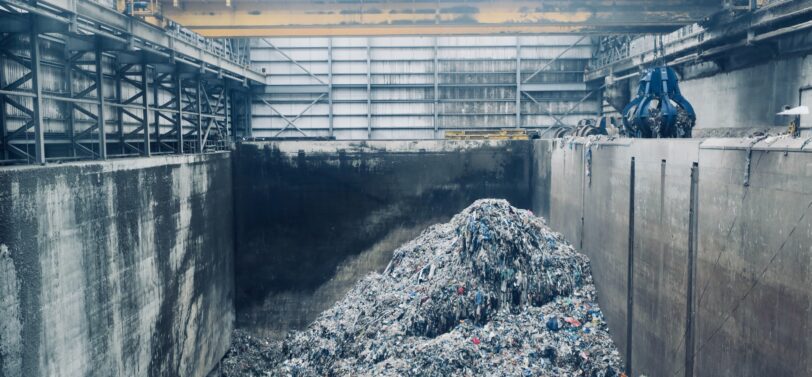
Reuse and recycling are the primary commercial waste disposal methods. These are sustainable and environmentally friendly ways businesses can get rid of many types of waste. However, not all rubbish is recyclable or reusable. Getting energy from waste is a sustainable solution and great alternative to landfill.
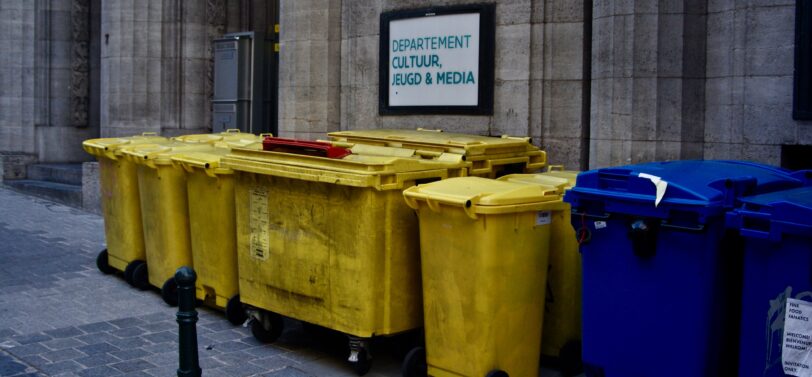

When it comes to food and drink on-the-go, boy are we spoilt for choice in the UK, and we also seem to do our best to spoil our towns and countryside as we go.

The proper disposal of X-ray films is important for hospitals, dentists, healthcare centres, and other organisations.

Recycling blister packs is important for businesses and homes to reduce the amount of packaging waste going to landfill.

Find out which Premier League stadiums are in areas with some of the best (and worst) recycling rates in England with this alternative table and rankings.
Extended producer responsibility (EPR) is a new UK scheme that means many businesses will pay for managing their packaging waste. Learn all about EPR.
Bins overflowing can cause a real headache for businesses and households.
Furniture and electrical items can contain persistent organic pollutants (POPs). Learn what POPs waste is and how to dispose of it safely in this guide.

Have your waste collected
Get a fast FREE quote for your waste collection 0800 211 83 90