
How To Recycle Electronics
Businesses should recycle electronic items through a licensed WEEE waste carrier. Other options include manufacturer/supplier take-back schemes or IT asset disposal if you have a provider for this service.
Ensure electrical items don’t enter general waste or standard mixed recycling. Store them separately from other waste, check them for batteries or any remaining confidential data, then arrange collection with the correct paperwork.
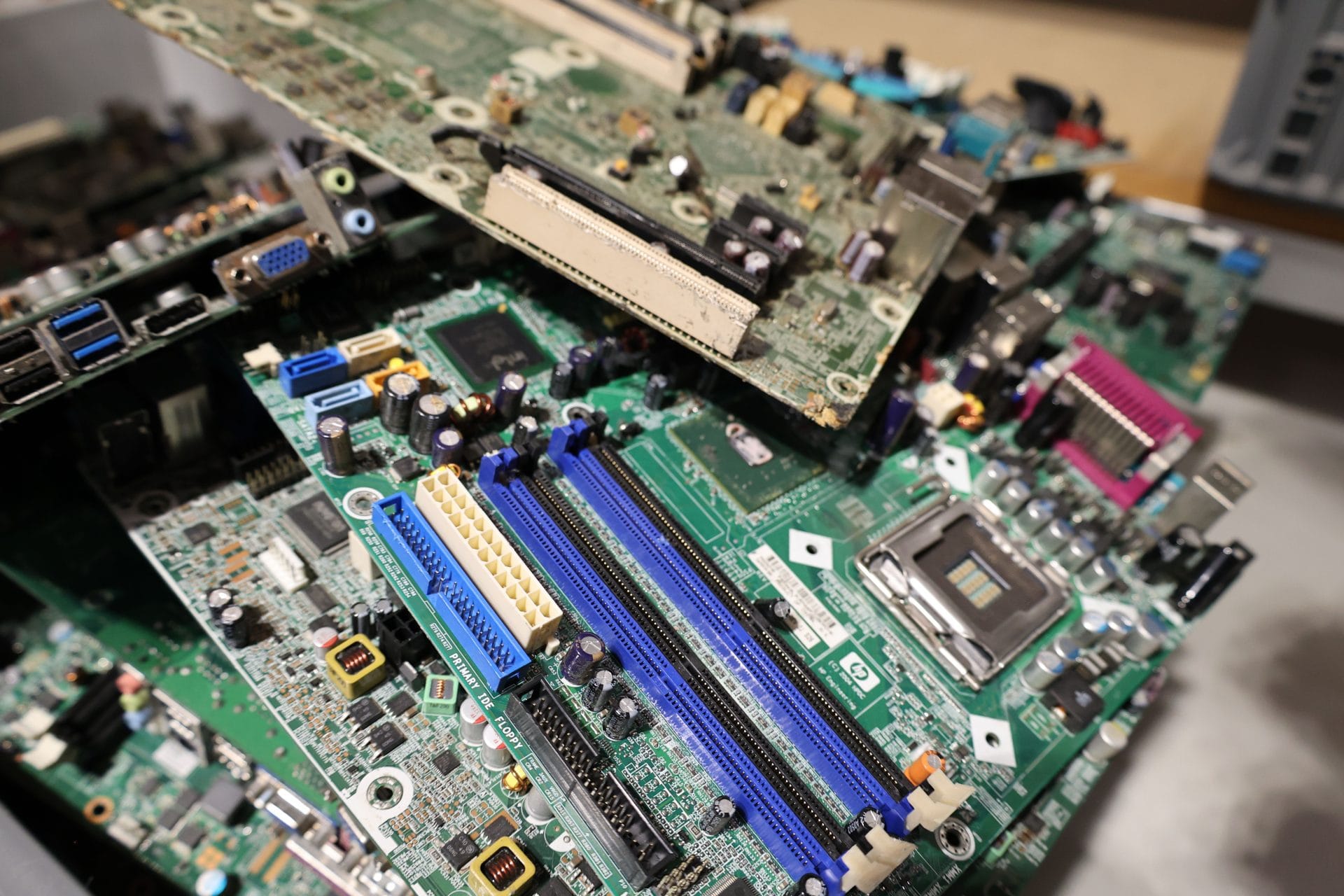
What is electronic waste?
Electronic waste is unwanted, broken, outdated or end-of-life electronic equipment. It’s often referred to as e-waste or WEEE.
Businesses can produce a lot of electronic waste, including:
- Computers
- Laptops
- Monitors
- Keyboards
- Printers
- Phones
- Tablets
- Cables
- Servers
- TVs and screens
- Kettles and microwaves
- Fridges and freezers
- Power tools
If it needs a plug, battery, cable or charger to work, it may be suitable for the electronic waste stream.
Why should businesses recycle electronics?
Businesses should recycle electronics because the waste can contain valuable materials, hazardous components and parts that should be recovered or treated safely.
Electronic equipment may contain metals, plastics, circuit boards, glass, batteries and other components. Some of these materials can be recycled and used again. Others need specialist treatment to reduce environmental and safety risks.
Businesses also have legal responsibilities for the waste they produce. GOV.UK guidance says businesses must handle their waste responsibly and complete a waste transfer note for each load that leaves their premises.
Recycling electronics can help businesses:
- Keep WEEE out of general waste
- Recover useful materials
- Reduce waste sent to landfill or incineration
- Manage batteries and hazardous parts safely
- Protect commercial and personal data
- Improve recycling performance
- Support sustainability reporting
- Stay compliant with waste Duty of Care rules
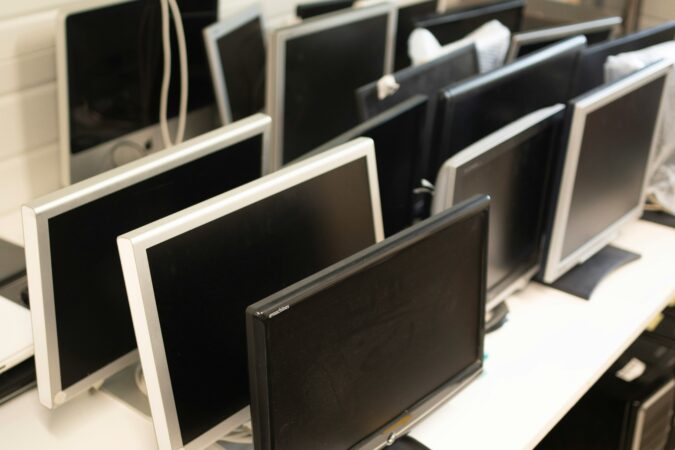
Where can businesses recycle electronic equipment?
The right option depends on the type and volume of equipment.
A small office replacing a few keyboards, cables or desk phones may only need a one-off WEEE collection. If you’re clearing out computers, printers, servers, or screens, you may need a scheduled collection, cages, containers, or secure IT asset disposal.
Typical routes include:
- Commercial WEEE collection: suitable for businesses with old electrical items, mixed WEEE or regular electronic waste.
- IT asset disposal: useful for laptops, computers, servers, phones and storage devices that may hold data.
- Supplier or manufacturer take-back: may be available when replacing equipment or returning specific brands.
- Retailer or distributor take-back: relevant where electrical products are sold or replaced.
- Specialist WEEE treatment: needed for items such as fridges, freezers, lamps, screens or hazardous electrical equipment.
How to recycle electronics from your business
1. Separate electronics from general waste
Old electronics should not go in general waste bins, skips or dry mixed recycling. Store WEEE separately so it can be collected and treated through the right recycling route.
2. Identify the equipment type
Group items by type where possible. Keep computers, screens, cables, small appliances, lamps, batteries, cooling equipment and larger electrical items separate if your waste provider advises this.
3. Remove or flag batteries
Batteries can create fire risks if they are damaged or placed in the wrong bin. Remove batteries only where it is safe to do so, and tell your waste provider if equipment contains batteries or damaged battery packs.
4. Protect business data
Laptops, phones, tablets, servers, hard drives and USBs may contain personal, customer or commercial data. Arrange secure data wiping or physical destruction before recycling these items.
5. Arrange collection with a licensed waste carrier
Use a registered waste carrier that takes your electronic waste to a suitable recycling or treatment route. Keep the correct waste transfer note or consignment note for your records.
Electronics that need extra care
Batteries and vapes
Batteries and vapes should not go in general waste or mixed recycling. Lithium-ion batteries can catch fire if they are crushed, damaged or handled incorrectly. GOV.UK warns that lithium-ion batteries can cause fires if dumped in rubbish bins, especially when damaged or wet.
Screens and monitors
Screens, monitors and televisions should be recycled through a WEEE route. They may contain components that need specialist treatment and should not be broken, stripped or placed in normal waste bins.
Fridges and freezers
Fridges, freezers and cooling equipment can contain refrigerants and insulation gases that need careful handling. Businesses should arrange specialist collection rather than treating them as general bulky waste.
Lamps and lighting
Some lamps and lighting equipment can contain hazardous substances, especially fluorescent tubes and certain specialist lamps. These should be kept separate and sent through the correct recycling route.
Data-bearing devices
Laptops, desktops, tablets, mobile phones, servers and storage devices may contain personal or commercial data. Businesses should arrange secure data wiping, shredding or destruction before recycling.
Can households recycle electronics?
Households can usually recycle old electronics through local recycling centres, electrical recycling points, retailer take-back schemes or manufacturer return schemes.
Domestic items such as old phones, chargers, kettles, hairdryers, laptops, tablets and small appliances should not be placed in household general waste if a recycling route is available.


Have your waste collected
Get a fast FREE quote for your waste collection 0800 211 83 90
- Free quote within 1 hr
- Any type of waste
- FREE bins and delivery
- We cover all of the UK