
What Happens When the UK Runs Out of Landfill?
For decades, landfill has quietly acted as the UK’s safety net for waste that cannot be recycled. When systems fail, contamination rises, or infrastructure falls short, landfill is where residual waste ends up.
But that fallback option is no longer guaranteed. Across England, landfill capacity has been steadily shrinking, with some regions already operating at or close to zero available space. As sites close and approvals for new landfills slow, the UK is facing a growing landfill capacity crisis that is becoming harder to ignore.
While recycling rates have improved, residual waste has not disappeared. That imbalance is now creating knock-on effects across councils, businesses, and the wider waste system.
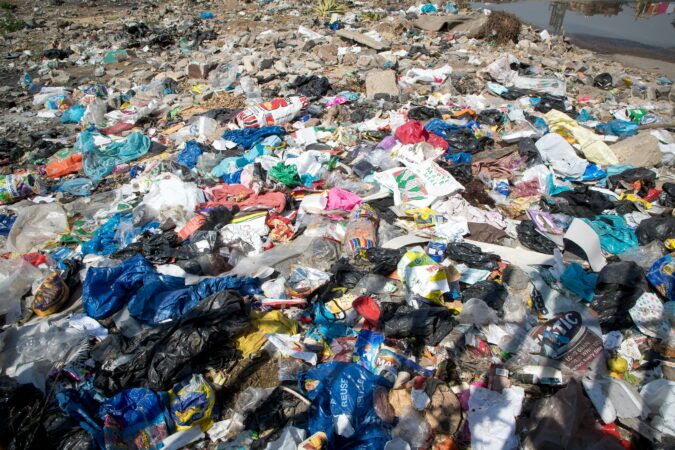
The current landfill situationin the UK
A landfill is designed to handle residual waste that cannot be recycled or recovered. It is not intended to be a long-term solution, yet demand has remained persistent.
Several factors are now converging:
- More landfill sites are closing than new ones are being approved
- Planning new landfill sites is slow, expensive, and politically sensitive
- The remaining landfill capacity is unevenly distributed across regions
- Some areas are already transporting waste significant distances for disposal
This means the impact of shrinking landfill capacity is not being felt evenly. Regions with limited remaining space will experience rising costs and disruption sooner than others, particularly rural and coastal areas where alternatives are limited.
Why shrinking landfill capacity isa serious issue
When landfill space declines, waste does not stop being produced. Councils and businesses still have a legal duty to dispose of waste safely and compliantly.
At the same time:
- Recycling cannot capture all waste due to contamination, mixed materials, and product design
- Some materials lack a viable recycling infrastructure
- Residual waste volumes remain substantial
As landfill capacity tightens, the system becomes more fragile. Disposal options narrow, costs rise, and pressure builds across the rest of the waste network.
What happens when landfill space runs out?
If landfill capacity becomes unavailable or severely restricted, councils and businesses are left with limited alternatives.
Likely outcomes include:
- Longer transport distances to reach the remaining landfill sites
- Higher disposal costs driven by fuel, time, and gate fees
- Greater reliance on exports, shifting waste overseas rather than managing it domestically
- Increased pressure on Energy from Waste facilities, which remain controversial in some areas
Without planning, these changes can happen quickly, leaving councils locked into more expensive, less flexible contracts.
Wider knock-on effects:
- Increased carbon emissions from transport
- Disruption to waste collection schedules
- Greater risk of service complaints and operational strain
- A higher likelihood of waste crime and fly-tipping
Investigations already suggest that limited disposal options contribute to the rise in illegal waste dumping, particularly where unscrupulous operators offer cheap, unlicensed services.
Why this matters now, not later
Landfill is often treated as “out of sight, out of mind”. But once capacity reaches zero, options narrow immediately.
Key realities:
- New landfill sites take years to approve
- Remediation and engineering costs are high
- Local opposition is common
- Emergency solutions are always more expensive
Waiting until landfill capacity is exhausted leaves councils and businesses reacting under pressure, rather than planning strategically. That reactive approach risks higher household costs, increased council tax pressure, and poorer environmental outcomes.
Early planning, by contrast, keeps options open.
Who is affected by the landfill capacity crisis?
This issue extends well beyond the waste sector.
Those impacted include:
- Local authorities, facing rising disposal costs and contract complexity
- Businesses, particularly those producing residual waste
- Households, through potential service disruption and higher costs
- Communities affected by fly-tipping and illegal waste activity
- The environment, through higher emissions and unmanaged waste
Landfill capacity is a system issue. When it fails, the consequences are shared.
What needs to change
Solving the landfill crisis is not about finding more places to bury waste. It requires a shift in how the UK plans for waste long-term.
Mark Hall, waste management expert at Business Waste, explains:
Key priorities moving forward
- Treat landfill as a finite safety net, not a default solution
- Focus on recycling quality, not just recycling rates
- Reduce contamination through clearer systems and messaging
- Plan alternatives such as waste reduction, recycling, and Energy from Waste as long-term strategies, not emergency measures
Mark adds:
Looking ahead
The UK’s landfill capacity crisis is not a distant problem. It is already reshaping waste costs, contracts, and compliance across the country.
Landfill running out does not mean waste disappears. It means disposal becomes harder, more expensive, and more complex. The sooner councils, businesses, and policymakers plan beyond landfill, the more resilient the waste system becomes.
Addressing the issue now gives the UK a chance to reduce risk, control costs, and build a waste infrastructure fit for the future.
Sources
- https://www.gov.uk/government/publications/residual-waste-infrastructure-capacity-note/residual-waste-infrastructure-capacity-note
- https://www.gov.uk/guidance/simpler-recycling-household-recycling-in-england
- https://www.r-e-a.net/resources/defra-residual-waste-capacity-note/
- https://www.theguardian.com/environment/2025/nov/29/waste-sites-landfill-rubbish-uk-research
- https://researchbriefings.files.parliament.uk/documents/CBP-10229/CBP-10229.pdf


Have your waste collected
Get a fast FREE quote for your waste collection 0800 211 83 90
- Free quote within 1 hr
- Any type of waste
- FREE bins and delivery
- We cover all of the UK