24 September 2026
England’s Construction Fly-Tipping Hotspots Revealed
Local authorities in England recorded 1,257,863 fly-tipping incidents in 2024/25. This is one incident every 25 seconds.



Local authorities in England recorded 1,257,863 fly-tipping incidents in 2024/25. This is one incident every 25 seconds.
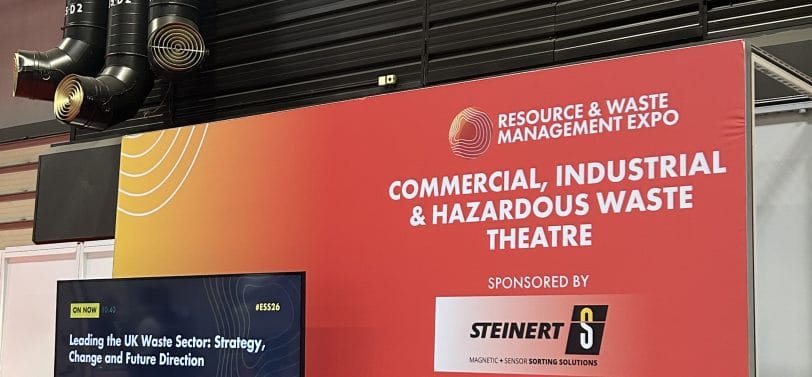
The waste sector is being asked to take on more responsibility, and all parties have a part to play.
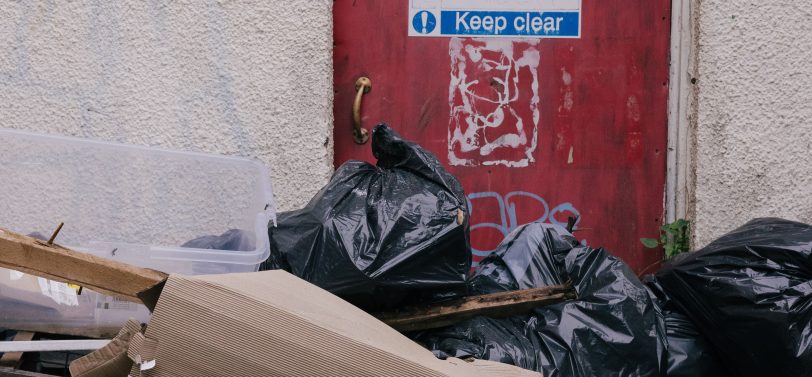
If the incident is happening now, or you feel threatened, call the police. Don’t touch any of the waste or confront anyone involved.
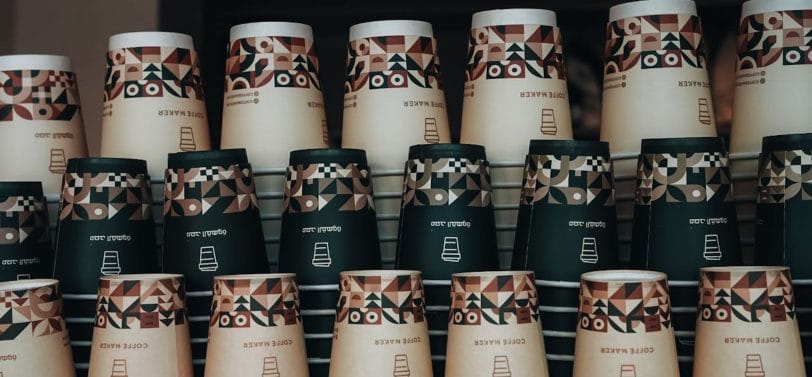
We’ve analysed the prices, comparing branded reusable cup incentives from six UK businesses.
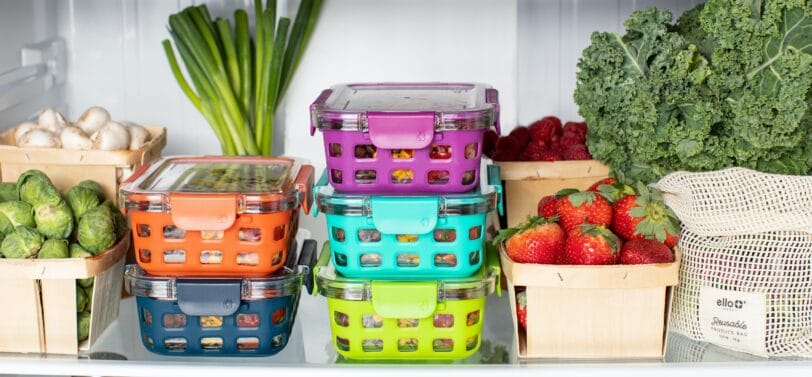
As pupils return to classrooms, our latest research estimates that 12,400 tonnes of packed lunch food could go uneaten every school year.
We analysed household recycling guidance from 58 major urban areas across the UK. Find out how your region compares.
For businesses, decarbonisation is not purely about energy use. Waste management, recycling, and food waste all play a key role.
Simpler Recycling regulations have made businesses in England consider what they can actually recycle.

It’s important that workplaces treat cartridge disposal as a business waste stream.

Businesses should store old knives safely, tell their licensed waste carrier what is being collected, and keep the correct waste transfer paperwork.

A three-year delay in household flexible plastic collections could result in the loss of 845,800 tonnes of CO₂e savings.
A staggering number of landfill odour complaints were made between 2022 and 2025. Business Waste breaks down the data.

Incorrect dental waste segregation can increase disposal costs, lead to compliance issues, and put staff at risk.
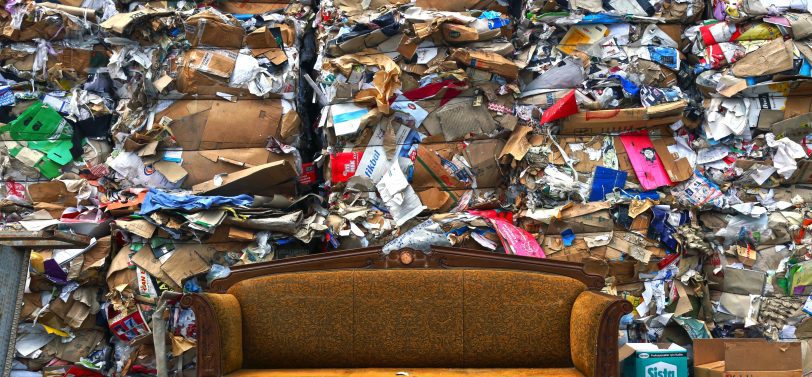
Bulky waste collection costs have increased by 17.8% in just over a year, according to our latest analysis.
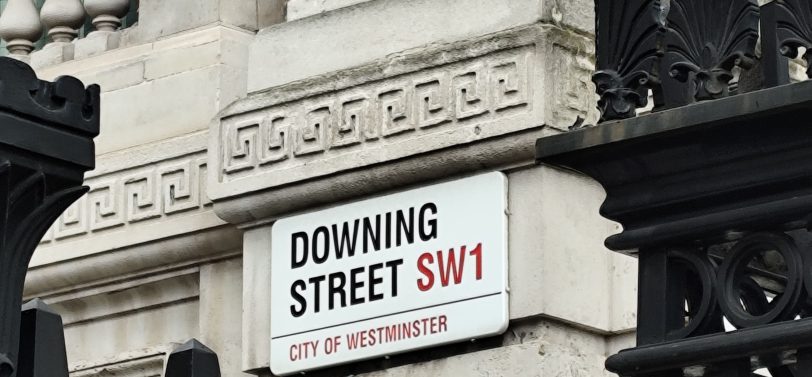
We’ve reviewed publicly available voting records for three possible successors: Andy Burnham, Angela Rayner, and Ed Miliband.

Disposable BBQs are cheap, easy to buy, and designed to be thrown away after one use. That is exactly why Business Waste Ltd is calling for a UK-wide ban.
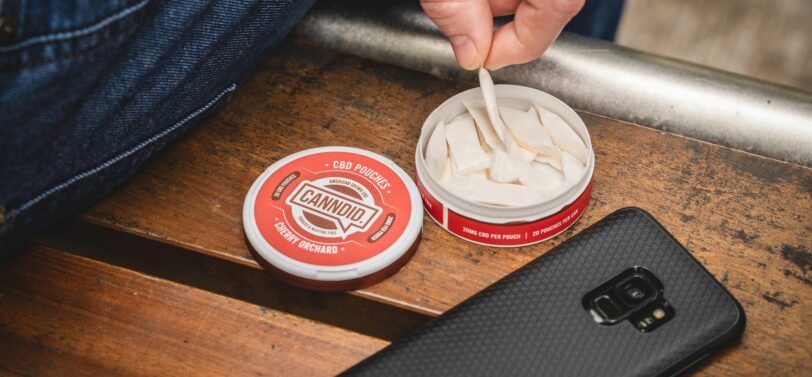
Once used, nicotine pouches create a waste stream that is easy to overlook, litter, or dispose of incorrectly.
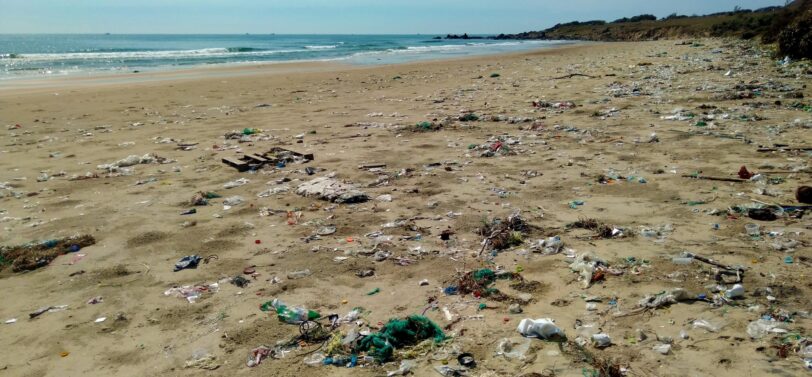
Busy beaches often see increases in plastic waste, disposable BBQs, broken glass, food packaging, dog mess, and other litter left behind.

Is single-use sports nutrition becoming an overlooked waste problem in endurance sport?
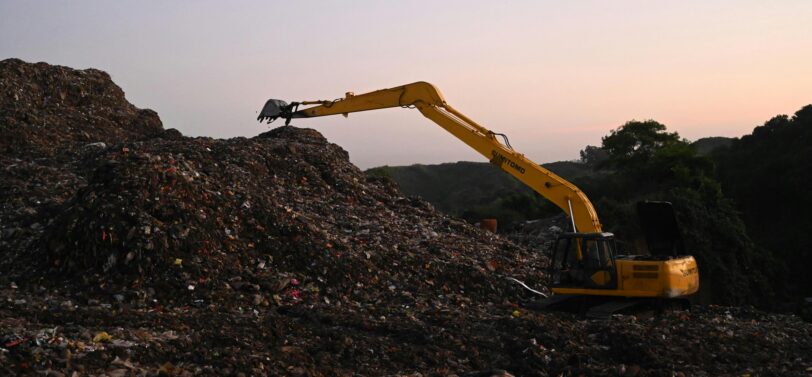
From 1 April 2026, landfill tax in the UK will rise again. The standard rate will increase to £130.75 per tonne, reinforcing landfill as the most expensive waste disposal option for most businesses.

Any business that produces hazardous waste must use a consignment note whenever that waste leaves its premises. The document forms part of the waste duty of care, which requires organisations to manage waste safely and responsibly.
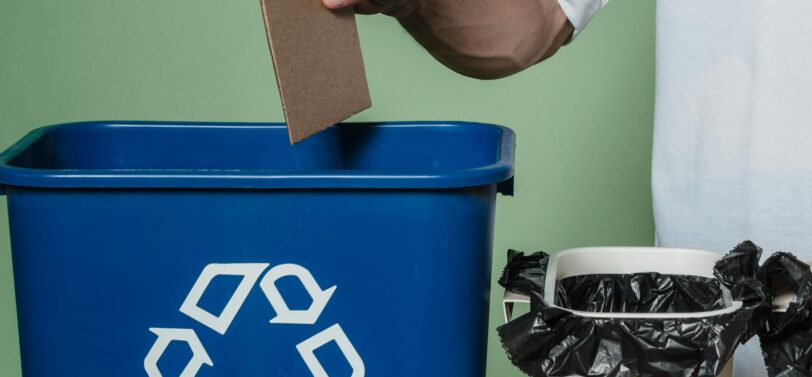
The Environment Agency has announced it will charge £118 per hour to businesses in England that fail to comply with Simpler Recycling rules. Here’s everything you need to know.
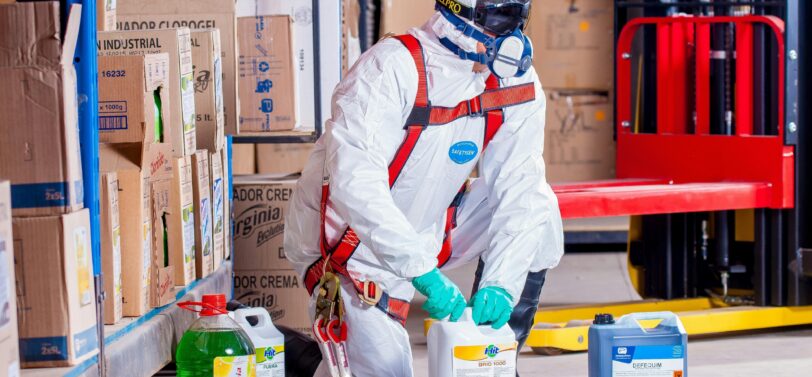
If materials containing PFAS enter your waste stream, you may face tighter handling rules, hazardous classification, and stricter duty-of-care responsibilities. Here’s what you need to know.
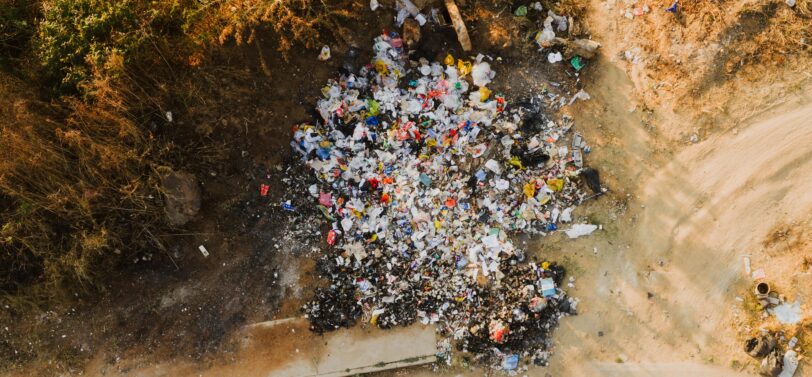
Fly-tipping is usually viewed as a local issue, with local consequences. A pile of dumped waste appears, the council clears it up, and residents are left frustrated. But there’s a second cost that is rarely mentioned

Most businesses take data protection seriously. They lock down systems, train staff on phishing, and tighten access to customer records. But there’s one part of GDPR compliance that still gets missed. What happens to confidential waste when it’s thrown away?

North Devon Council has confirmed it will stop all commercial waste collections from 31 March 2026, leaving thousands of local businesses responsible for arranging their own waste services. Businesses now need to act quickly to stay compliant and avoid disruption.
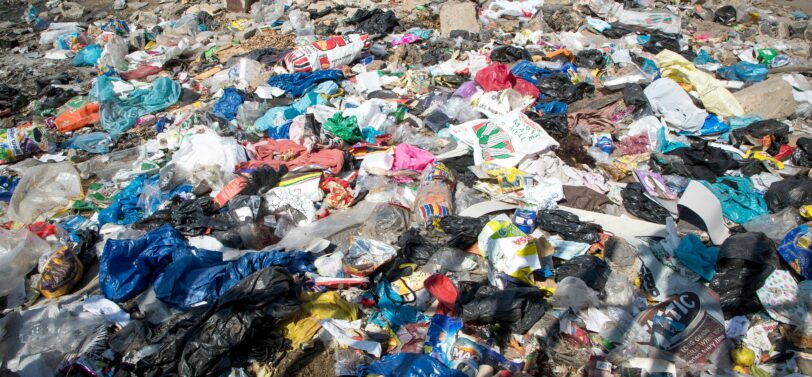
Across England, landfill capacity has been steadily shrinking, with some regions already operating at or close to zero available space. As sites close and approvals for new landfills slow, the UK is facing a growing landfill capacity crisis that is becoming harder to ignore.
As pressure mounts on land availability, infrastructure, energy generation, and climate resilience, ex-landfill sites are increasingly being re-examined not as liabilities, but as opportunities. With the right engineering, monitoring, and planning, many of these sites are finding new life in ways that deliver environmental, economic, and community benefits.

While councils are preparing to deliver food waste caddies and collection services, one issue risks undermining the success of the new system before it even begins: unclear food packaging guidance.
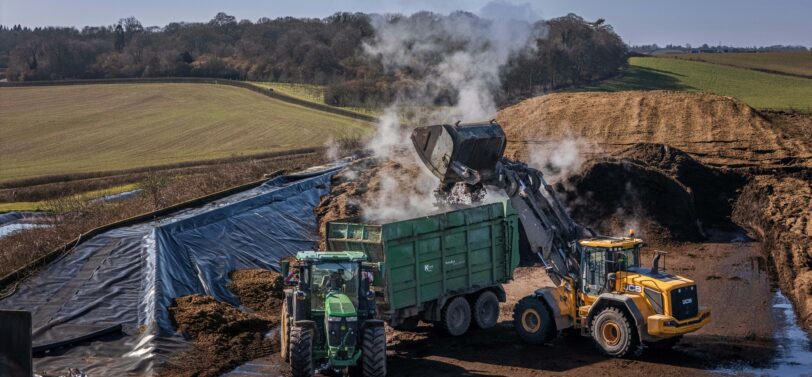
For businesses, 2026 is less about new announcements and more about practical impact. Waste compliance, collection costs, and disposal options are all likely to shift.

Our very own Buffest Binman calendar has officially made its TV debut, appearing on This Morning on ITV.

HMOs house around 1.5 million people across England. They generate higher waste volumes and more contamination risks than standard homes. That places greater responsibility on landlords to ensure correct bins, clear instructions and safe waste handling.
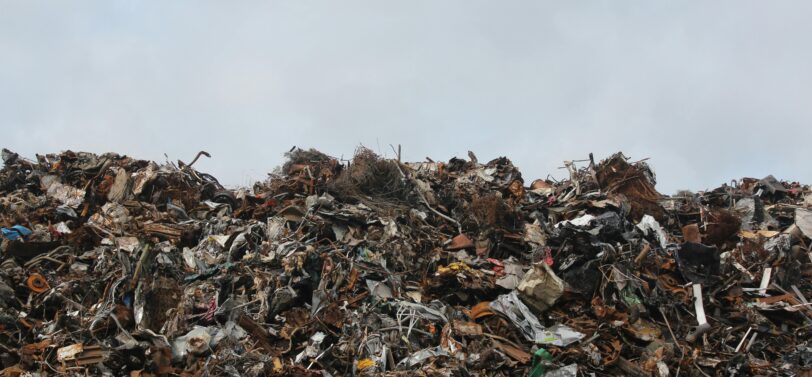
New analysis of Environment Agency data shows that several English regions could reach zero remaining landfill space within the next decade. In some areas, that reality has already arrived.

44% of UK retailers are left with excess stock after Christmas and New Year discounting. Here’s how to donate stock safely, legally and without creating unintended waste problems.
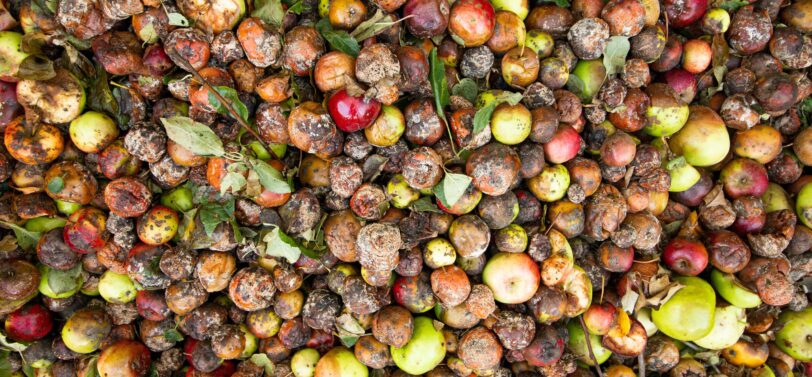
Rising food waste volumes, limited plant capacity, delays to infrastructure investment, and the roll-out of Simpler Recycling rules are creating a perfect storm for the waste industry and businesses that rely on regular food waste collections.
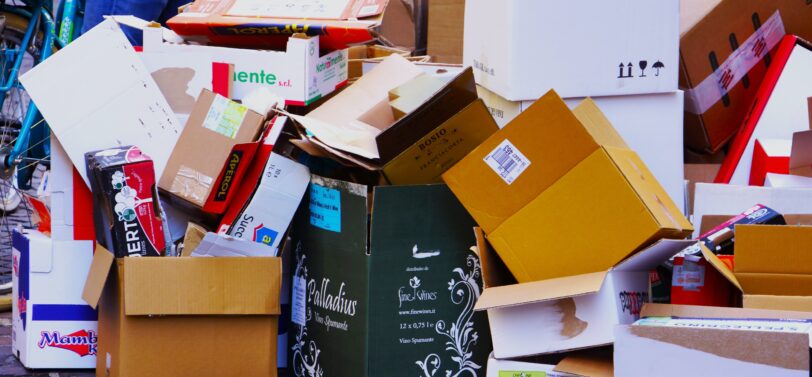
Millions of parcels arrive at homes and businesses in boxes that are far larger than necessary, wasting packaging materials and creating a surge in unnecessary delivery emissions.

UK businesses must follow strict packaging waste regulations that control how packaging is designed, used, recycled, and disposed of. This guide explains what the regulations are, who they apply to, and how to stay compliant.

The UK remains heavily reliant on other countries to process its recyclable waste. UK plastic waste exports increased by 84% in the first half of 2025.

Public toilets are disappearing across Great Britain. The British Toilet Association estimates only around 3,300 remain, a 25% drop since 2008.