Mis-flushed items could be costing the UK £143m a year
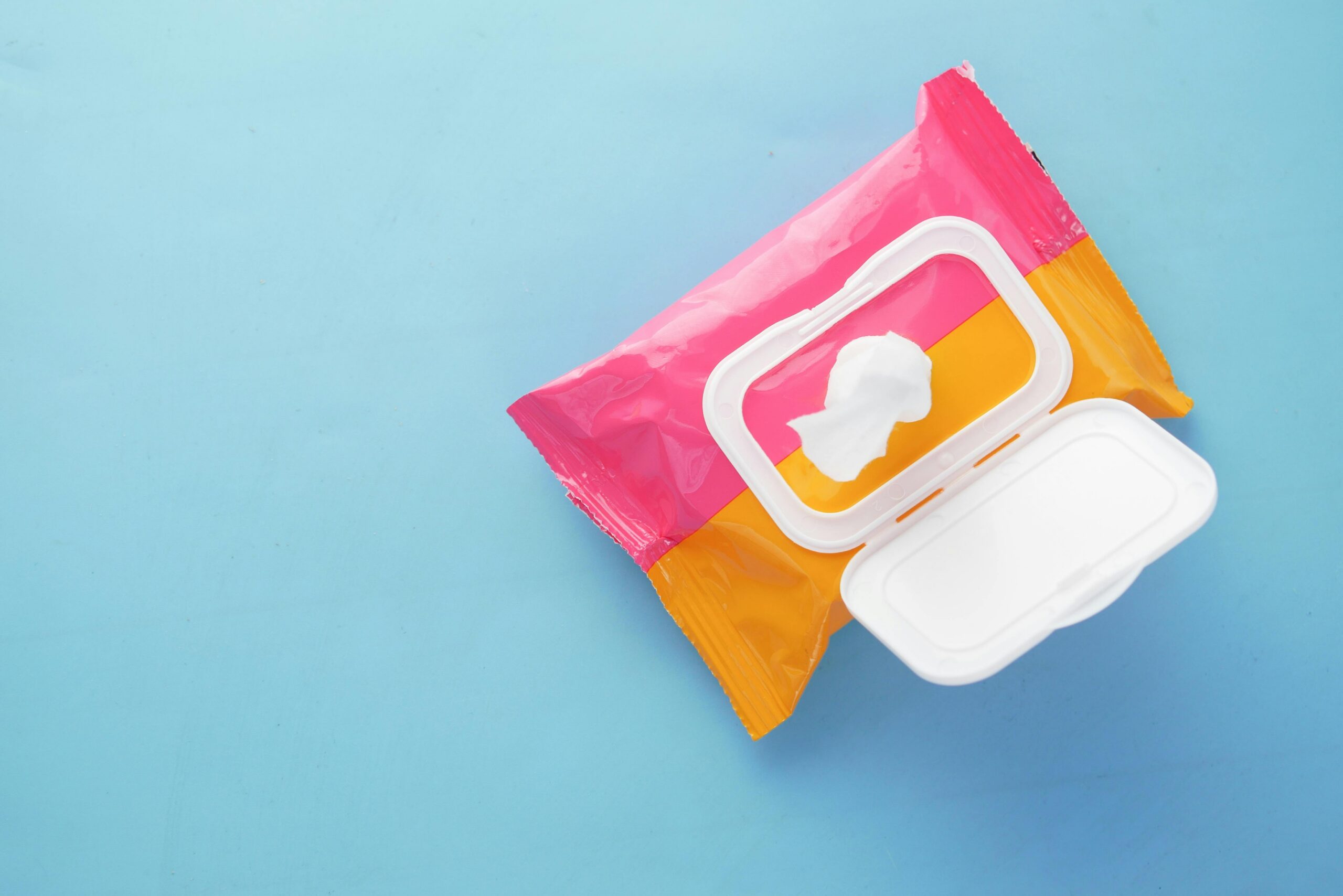
Mis-flushed items are products that get flushed down toilets when they should go in the bin. Our expert analysis claims these items contribute to approximately 215,101 sewer blockages a year, with an estimated national cost of £143,472,200.
Key takeaways for businesses:
- Mis-flushing is not just a household issue. Workplace toilets contribute too, especially in high-footfall sites.
- The cost does not stay “in the network”. Over time, repeated blockages and repairs can contribute to higher operating costs and customer bills.
Prevention is simple. Clear signage, the right bins, and sensible cleaning and procurement policies reduce risk fast.
What are mis-flushed items?
Mis-flushed items are anything flushed that should not be in the sewer. In practice, that usually means:
- Wet wipes (including some labelled “flushable”)
- Sanitary products
- Paper towels and cleaning cloths
- Cotton buds and dental floss
- Fats, oils, and grease (FOG) tipped down sinks, which can bind with wipes and create fatbergs
Sewers are designed for the “three Ps” only:
- Pee
- Poo
- Paper (toilet paper)
Everything else increases the risk of snagging, clumping, and blockage.
How much do mis-flushed items cost
in the UK?
Using annual reporting data from UK water companies and an industry assumption that 75% of sewer blockages are linked to mis-flushed items, we estimate:
- Total estimated cost (UK): £143,472,200 per year
- Estimated mis-flush linked blockages: 215,101 per year
- Average intensity: 7.5 blockages per 1,000 properties
- Average cost impact: £5,025 per 1,000 properties
These figures incorporate the operational cost of clearing blockages and dealing with knock-on impacts.
What areas are hit hardest?
Some networks see a higher intensity of blockage issues than others.
- Highest total incidents: Thames Water reported the most reported blockages overall (65,472).
- Highest intensity: Northern Ireland Water shows the highest intensity in this dataset at 11.0 blockages per 1,000 properties, with a cost impact of £7,366 per 1,000 properties.
- Lowest intensity: United Utilities shows the lowest intensity at 3.8 blockages per 1,000 properties, with a cost impact of £2,550 per 1,000 properties.
This difference matters because it shows the issue is not evenly distributed. Factors like population density, network age, and local behaviours can all play a role.
Why should businesses care?
Even if your business is not “causing” the whole problem, mis-flushing still affects you.
It can cause site disruption
Blockages can back up into buildings, flood external areas, or trigger emergency callouts. That is downtime, reputational risk, and a hygiene issue, especially in customer-facing sites.
It increases health and safety risk
Sewage exposure is a serious hazard. Any overflow or backflow can create contamination risks for staff, customers, and contractors.
It can drive long-term cost pressure
Water companies spend significant time and money clearing avoidable blockages. Over time, persistent operational pressure is one factor that can contribute to wider costs across the system.
It is a compliance and duty-of-care issue
If your business provides washrooms, you also control the basics that prevent misuse: signage, bins, cleaning routines, and what products are made available onsite.
What should and shouldn’t be flushed
in workplace toilets?
Here is the simple rule your team can follow.
Flush:
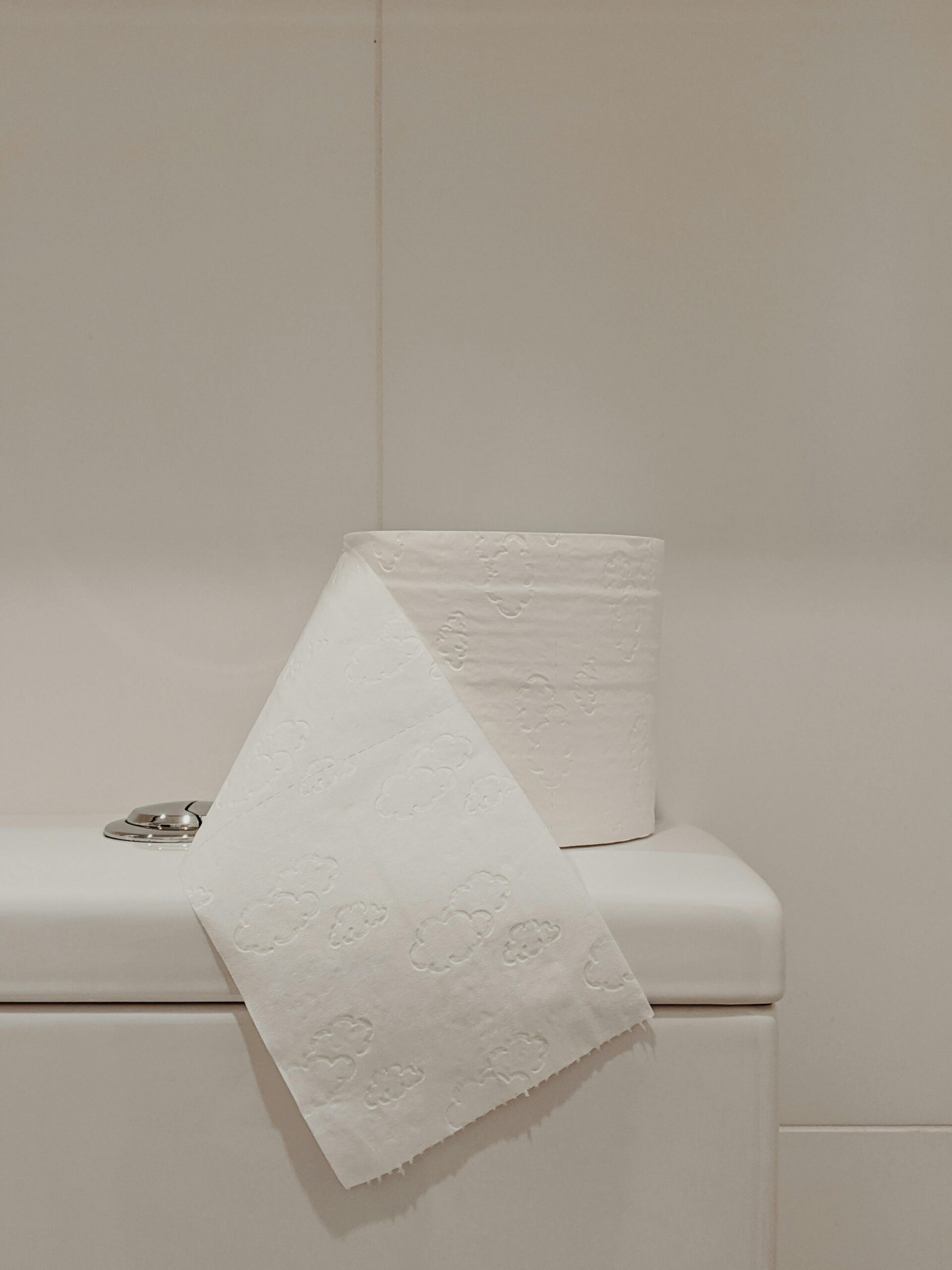
- Toilet paper
- Human waste
Do not flush:
- Wet wipes (even “flushable” wipes)
- Sanitary products
- Paper towels
- Cleaning wipes and cloths
- Nappies
- Cotton buds
- Fats, oils, and grease
If you want a one-liner for a sign, lean on the three P’s.
What businesses can do to prevent mis-flushing
Most fixes are low effort, and they work.
1) Put the right bins in the right places
If there is no bin, people improvise. In washrooms, that usually means flushing.
- Provide lidded general waste bins in every cubicle where possible
- Use dedicated sanitary bins where appropriate
- Make sure bins are emptied before they overflow
2) Use clear, direct signage
Don’t rely on a tiny sticker behind the door. Use signage that people notice.
- Put signs at eye level inside cubicles
- Keep wording simple
- Include a short list of common problem items (wipes, pads, paper towels)
3) Review what you stock in washrooms and cleaning cupboards
Some workplaces accidentally create the problem by making the wrong items easy to access.
- Avoid providing “flushable” wipes onsite
- Provide alternatives for cleaning, such as disposable paper designed for bins
- Train cleaning teams not to “rinse and flush” wipes or cloths
4) Train staff, especially in high-footfall sites
A five-minute toolbox talk beats a blocked toilet on a Saturday night.
- Hospitality: staff toilets, customer toilets, and back-of-house sinks
- Offices: shared washrooms, cleaning teams, and facilities staff
- Healthcare and education: clear separation of waste streams and signage that matches your audience
5) Keep your sanitary waste setup compliant and consistent
If your workplace generates sanitary waste, make sure you have the right storage and collection in place. This keeps the washrooms hygienic and reduces the temptation to flush.
If you need help, see our sanitary waste service page for practical guidance and compliant collection options.
Our view: small behaviour changes beat
big clean-up bills
The national estimate here is big, but the causes are often small and repeatable: one cubicle without a bin, one unclear sign, one cleaning routine that encourages flushing.
For businesses, the best approach is simple:
- Make the right behaviour easy
- Remove the “easy to flush” options
- Back it up with bins, signage, and consistent collections
If you want a quick sense check on your washroom waste setup, our team can help you review what is in place and what needs to change.
Data
Full data and methodology can be viewed here.


Have your waste collected
Get a fast FREE quote for your waste collection 0800 211 83 90
- Free quote within 1 hr
- Any type of waste
- FREE bins and delivery
- We cover all of the UK