
Turning Landfill Into Opportunity: How the UK Is Repurposing Historic Waste Sites
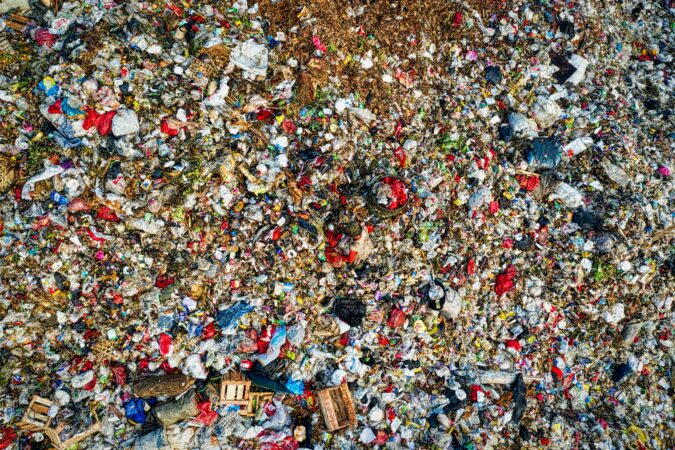
Across England and Wales, historic landfill sites account for a surprisingly large area of the landscape. Around 20,000 former landfill sites cover roughly 62,000 hectares, equating to 0.41% of the total land area. Much of this land has long been viewed as unusable, locked away by contamination risks, instability, and environmental concerns.
But attitudes are beginning to shift. As pressure mounts on land availability, infrastructure, energy generation, and climate resilience, ex-landfill sites are increasingly being re-examined not as liabilities, but as opportunities. With the right engineering, monitoring, and planning, many of these sites are finding new life in ways that deliver environmental, economic, and community benefits.
How much ex-landfill land is there in the UK?
Historic landfill sites vary widely in scale and condition. Some are small local tips that served individual communities. Others are vast former industrial or municipal disposal sites.
Key facts at a glance:
- Around 20,000 historic landfill sites across England and Wales
- Approximately 62,000 hectares of land are affected
- Many sites predate modern environmental controls
- Older sites often lack reliable records of what waste was deposited
Because much of this waste was buried before stricter regulations came into force, uncertainty remains around contamination levels, gas generation, and long-term stability. That uncertainty has traditionally limited redevelopment.
Why developing former landfill sites is challenging
Ground Stability and Settlement
Landfill waste continues to decompose and compact long after disposal stops. This can lead to uneven settlement, making the ground unsuitable for heavy structures. Subsidence remains one of the most significant engineering risks on former landfill land.
Gas Emissions
Decomposing waste produces landfill gases such as methane, carbon dioxide, and trace compounds. These gases can migrate through soil, posing safety, health, and environmental risks if not properly managed.
Contamination and Leachate
Historic landfills may contain chemicals, asbestos, or industrial waste. Rainwater filtering through buried waste can create leachate, which risks contaminating surrounding soil and waterways if unmanaged.
Together, these factors increase planning complexity, remediation costs, and long-term monitoring requirements. As a result, not all development types are appropriate.
What ex-landfill sites are generally unsuitable for
Because of these risks, most former landfill sites are not appropriate for developments that involve heavy loads, excavation, or sensitive land uses.
These typically include:
- High-rise residential or commercial buildings
- Underground structures such as basements or car parks
- Schools, hospitals, playgrounds, and care facilities
- Food production and agriculture
- Heavy industrial facilities requiring deep foundations
That said, “unsuitable for housing” does not mean “unsuitable for everything”.
Innovative and emerging uses for ex-landfill land
With proper capping, gas management, and monitoring, many ex-landfill sites can support low-impact, surface-based development. Across the UK, this has unlocked a range of practical and innovative uses.
Renewable Energy Generation
Former landfill sites are increasingly used for:
- Solar farms, where panels sit above capped ground
- Landfill gas capture, turning methane into usable energy
- Battery storage, supporting grid resilience
A well-known example is the use of capped landfill sites for solar arrays across the Midlands and South East, where land constraints make greenfield development contentious.
Biodiversity and Environmental Projects
Many ex-landfill sites have been successfully transformed into:
- Nature reserves and wildlife habitats
- Rewilding projects
- Flood mitigation and water-storage areas
Sites such as Rainham Marshes in London show how former wasteland can be restored into valuable ecological assets while remaining safely managed.
Transport and Infrastructure
Because landfill sites are often close to towns or industrial areas, they can be well-suited for:
- Park-and-ride facilities
- Car parks
- Transport depots
- Cycle and logistics routes
These uses avoid deep excavation while delivering clear public value.
Data Centres and Digital Infrastructure
As demand for data storage and processing grows, data centres are emerging as a potential use for ex-landfill land. These facilities are typically low-rise with wide footprints, making them compatible with engineered landfill caps when properly designed.
This approach also helps reduce pressure on greenfield sites while supporting the UK’s expanding digital economy.
Planning and engineering still matter
Not every former landfill site can or should be reused. Each site requires:
- Detailed site investigations
- Gas and leachate risk assessments
- Engineering controls, such as capping systems
- Long-term monitoring and management plans
Reuse must be carefully matched to site conditions. When done properly, however, redevelopment can be safe, compliant, and beneficial.
Why reducing reliance on landfill still matters
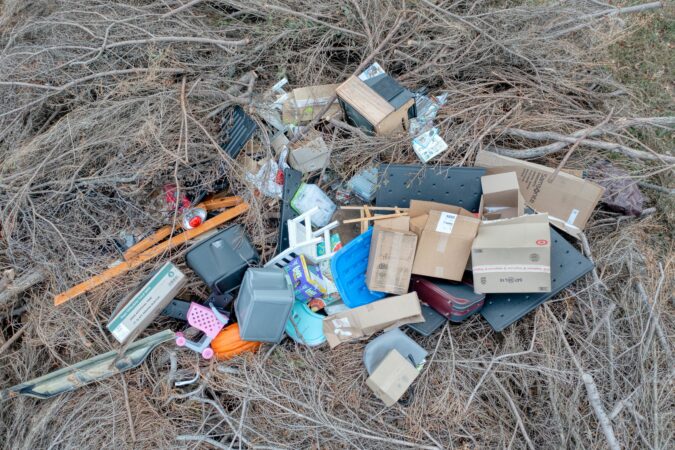
While repurposing ex-landfill land presents new opportunities, it does not remove the need to reduce how much waste we send to landfill in the first place.
Mark Hall, waste management expert at Business Waste, explains:
Looking ahead
Ex-landfill sites represent both a legacy challenge and a future opportunity. With careful planning, strong regulation, and innovative thinking, land once written off can support renewable energy, infrastructure, biodiversity, and modern services.
At the same time, the scale of historic landfill across the UK underlines why reducing general waste remains critical. The less we rely on landfill today, the fewer constrained sites we leave behind tomorrow.
Sources
- https://assets.publishing.service.gov.uk/government/uploads/system/uploads/attachment_data/file/290711/scho0805bjmd-e-e.pdf


Have your waste collected
Get a fast FREE quote for your waste collection 0800 211 83 90
- Free quote within 1 hr
- Any type of waste
- FREE bins and delivery
- We cover all of the UK