Spring Cleaning: Are Your Cleaning Products Hazardous?
Spring cleaning is a chance to reset your space, but it can also create waste that’s more complex than it looks. Many everyday cleaning products contain chemicals that, once used or disposed of, can be classed as hazardous.
Understanding which products fall into this category, how to dispose of them, and what safer alternatives exist can help both households and businesses reduce risk, stay compliant, and cut unnecessary costs.
Key takeaways
- Many common cleaning products contain hazardous chemicals
- Some items cannot be disposed of through normal waste or drains
- Eco-friendly and lower-risk alternatives are widely available
- Businesses have legal responsibilities when handling hazardous cleaning waste
- Poor disposal can lead to environmental damage and higher costs
Why are cleaning products
hazardous?
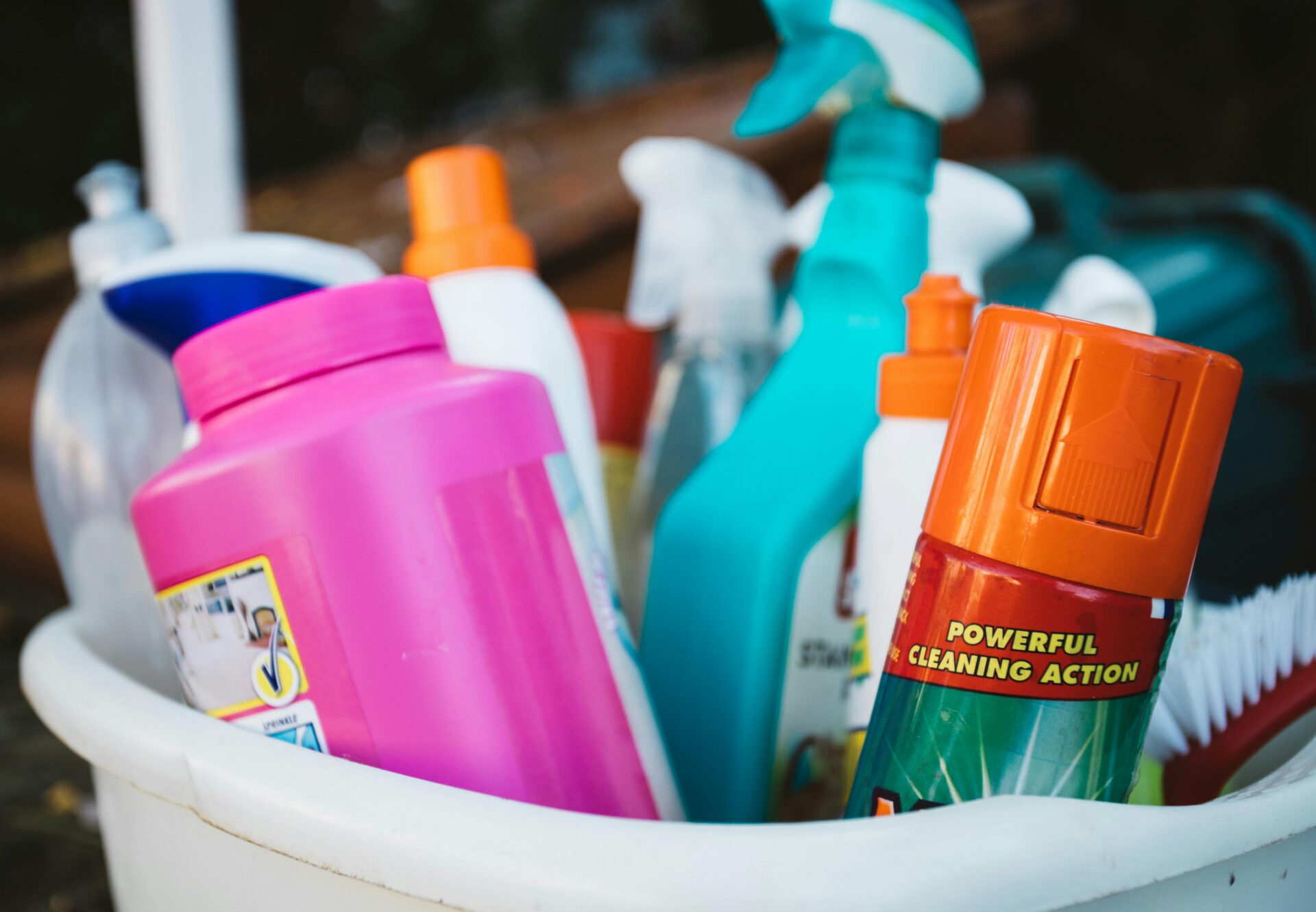
Many cleaning products are designed to break down grease, bacteria, or limescale, which often means they contain corrosive, toxic, or reactive chemicals.
These may include:
- Strong acids or alkalis
- Bleach (sodium hypochlorite)
- Ammonia-based compounds
- Solvents and degreasers
These substances can:
- Harm skin, eyes, and respiratory systems
- React dangerously if mixed (e.g. bleach and ammonia)
- Contaminate water systems if poured down drains
- Persist in the environment if not handled correctly
For businesses, these products may fall under hazardous waste regulations, particularly when stored, used in volume, or disposed of after use.
Common cleaning products that
may be hazardous
Many products used during spring cleaning can create hazardous waste, even if they are widely available on shop shelves.
Bleach-based cleaners
Highly effective disinfectants, but corrosive and harmful to aquatic life if disposed of incorrectly.
Oven cleaners
Often contain strong alkalis that can cause burns and require careful handling and disposal.
Drain unblockers
Typically made from highly reactive chemicals designed to dissolve blockages, these can be dangerous if misused.
Disinfectants and antibacterial sprays
Some contain biocides that can harm ecosystems when washed into water systems.
Aerosol sprays
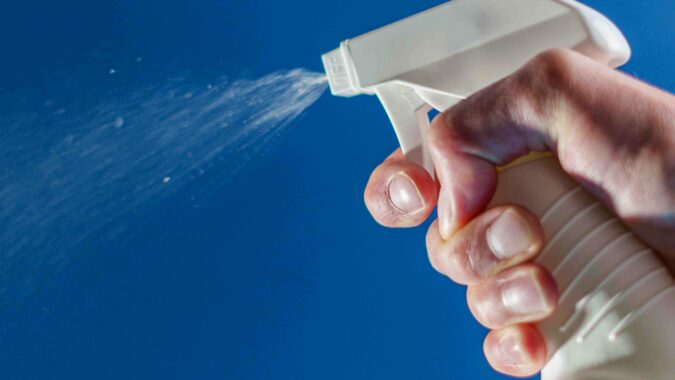
Pressurised containers can be hazardous waste if not fully emptied before disposal.
Industrial degreasers
Used in commercial settings, these may contain solvents that require specialist disposal.
Floor strippers and polish removers
Common in commercial cleaning, these can contain aggressive chemicals that are not suitable for general waste streams.
Eco-friendly cleaning products and safer
alternatives
There is a growing shift towards eco-friendly cleaning products and natural cleaning products that reduce environmental impact without compromising performance.
Natural cleaning options
These are often used in households and small-scale settings:
- Vinegar for descaling and deodorising
- Baking soda for abrasion and odour removal
- Lemon or citric acid for natural cleaning
While not suitable for all applications, they can replace harsher chemicals in many cases.
Eco-friendly commercial cleaning products UK
For businesses, there are now more eco-friendly commercial cleaning products available in the UK than ever before, including:
- Biodegradable surface cleaners
- Low-toxicity disinfectants
- Refillable cleaning systems
- Concentrated products that reduce packaging waste
These alternatives can help reduce hazardous waste volumes while supporting sustainability goals.
Non-hazardous industrial cleaning products:
what to look for
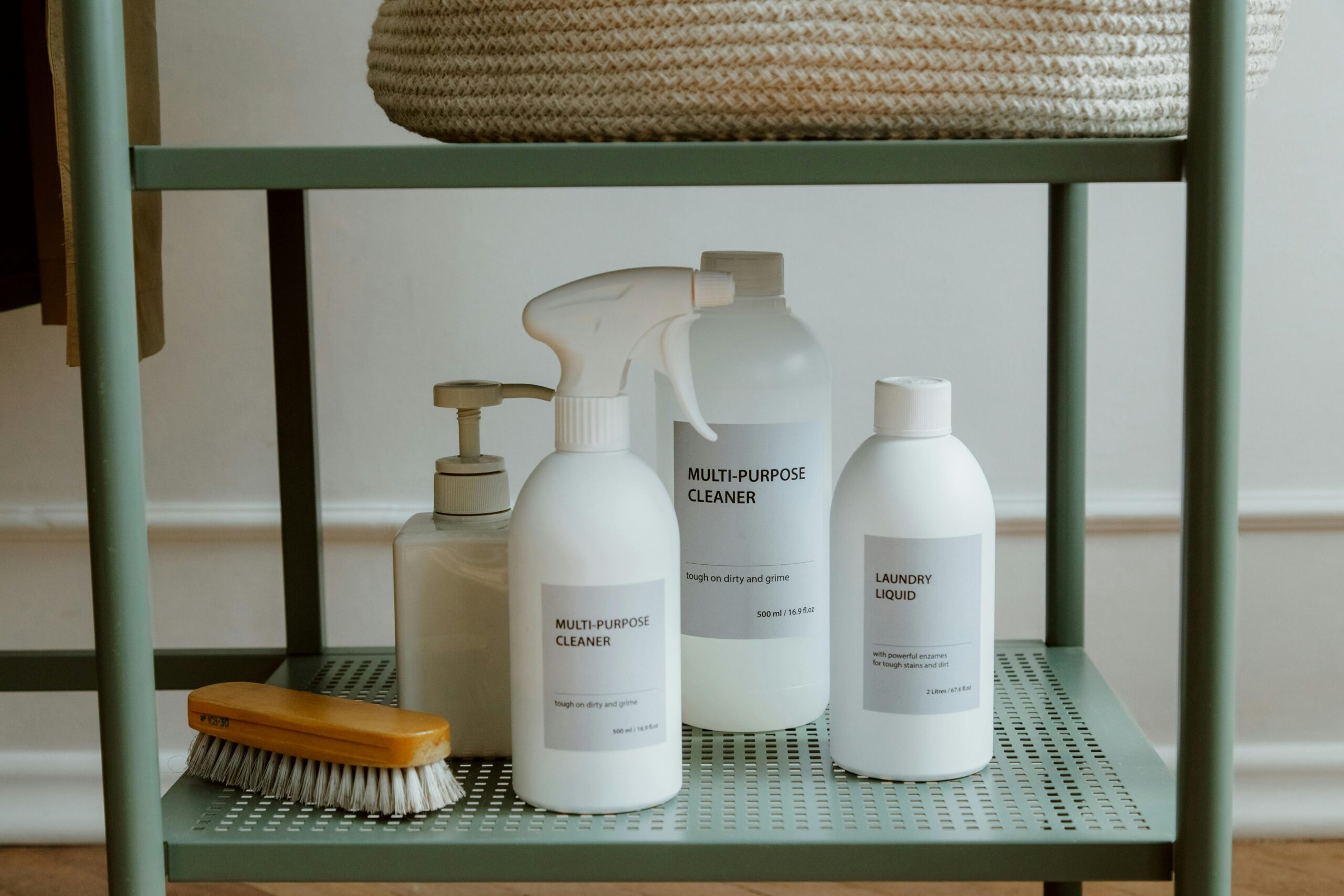
Switching to non-hazardous industrial cleaning products is not always about removing chemicals entirely; it’s about reducing risk.
When selecting products, look for:
- Low or no hazard classification
- Reduced volatile organic compounds (VOCs)
- Biodegradable ingredients
- Non-corrosive formulations
- Clear environmental certifications
For facilities managers and procurement teams, this can simplify waste handling and reduce compliance pressure.
How to dispose of hazardous cleaning
waste
For households
If you’re carrying out a spring clean at home:
- Avoid pouring leftover chemicals down the sink or drain
- Check labels for disposal guidance
- Use local authority recycling centres for hazardous household waste
- Ensure containers are sealed and stored safely before disposal
Even small volumes can have an environmental impact if handled incorrectly.
For businesses
For businesses, hazardous cleaning waste falls under stricter rules.
You must:
- Store hazardous waste safely and separately
- Use a licensed waste carrier
- Complete appropriate documentation (such as consignment notes)
- Avoid mixing hazardous and non-hazardous waste
Failure to follow these steps can lead to fines, enforcement action, and reputational damage.
Myth vs reality: cleaning products
and waste
Myth: “If I can buy it in a shop, it’s safe to dispose of normally”
Reality: Many retail cleaning products still contain hazardous substances that require careful disposal.
Myth: “Pouring small amounts down the drain doesn’t matter”
Reality: Chemicals can accumulate in water systems and harm wildlife, even in small quantities.
Myth: “Natural cleaning products don’t work as well”
Reality: Many eco alternatives are effective for everyday cleaning tasks, especially when used correctly.
Myth: “Hazardous waste only applies to large industrial businesses”
Reality: Small businesses, salons, offices, and hospitality venues can all generate hazardous cleaning waste.
The cost of getting it
wrong
Improper disposal of cleaning products is not just an environmental issue; it can also impact costs.
For businesses, poor waste management can lead to:
- Higher disposal fees due to contamination
- Additional collections or corrective handling
- Fines for non-compliance
- Inefficient use of cleaning materials
On the other hand, switching to lower-risk products and improving waste segregation can:
- Reduce disposal costs
- Simplify compliance
- Improve operational efficiency
What this means for
businesses
Spring cleaning is often seen as a one-off task, but for businesses, it highlights a broader issue, namely, how cleaning products are managed year-round.
With increasing regulatory pressure and a greater focus on sustainability, businesses are expected to:
- Understand the materials they use
- Manage waste streams correctly
- Reduce reliance on hazardous substances where possible
Even everyday cleaning routines can become a compliance risk if not handled properly.
Spring cleaning without creating
hazardous waste
A more sustainable approach does not mean compromising on cleanliness.
Simple steps include:
- Choosing safer or eco alternatives where possible
- Buying only what is needed to reduce surplus waste
- Training staff on correct product use and disposal
- Separating cleaning waste from general waste streams
For both households and businesses, spring cleaning is an opportunity to rethink not just what we clean, but how we manage what’s left behind.


Have your waste collected
Get a fast FREE quote for your waste collection 0800 211 83 90
- Free quote within 1 hr
- Any type of waste
- FREE bins and delivery
- We cover all of the UK