
432,000 Running Gels Could Become a London Marathon Waste Problem
The London Marathon is rightly celebrated for endurance, fundraising, and community spirit. It has also made progress on reducing event waste. But one growing sustainability blind spot that receives far less attention is running gel packaging.
With around 60,000 runners expected to take part in the 2026 London Marathon, and an estimated 72% using energy gels, as many as 432,000 hydration gel sachets could be used during the race.
That equates to roughly 16.2 tonnes of material associated with gel use, based on average sachet weights. Around the same weight as 12.5 cars. Laid end to end, those sachets would stretch 37.6 miles, or roughly one and a half marathons.
For an event working hard to improve sustainability, it raises an important question: Is single-use sports nutrition becoming an overlooked waste problem in endurance sport?
Key findings at aglance
- Up to 432,000 running gels could be used during the 2026 London Marathon
- That could represent around 16.2 tonnes of associated material use
- Most energy gel sachets use multi-layer plastic and foil packaging that is difficult to recycle
- Tear-off tabs and discarded wrappers can contribute to litter and microplastic pollution
- Refillable pouches and improved packaging design could help reduce waste at future races
Why are so many gels used?
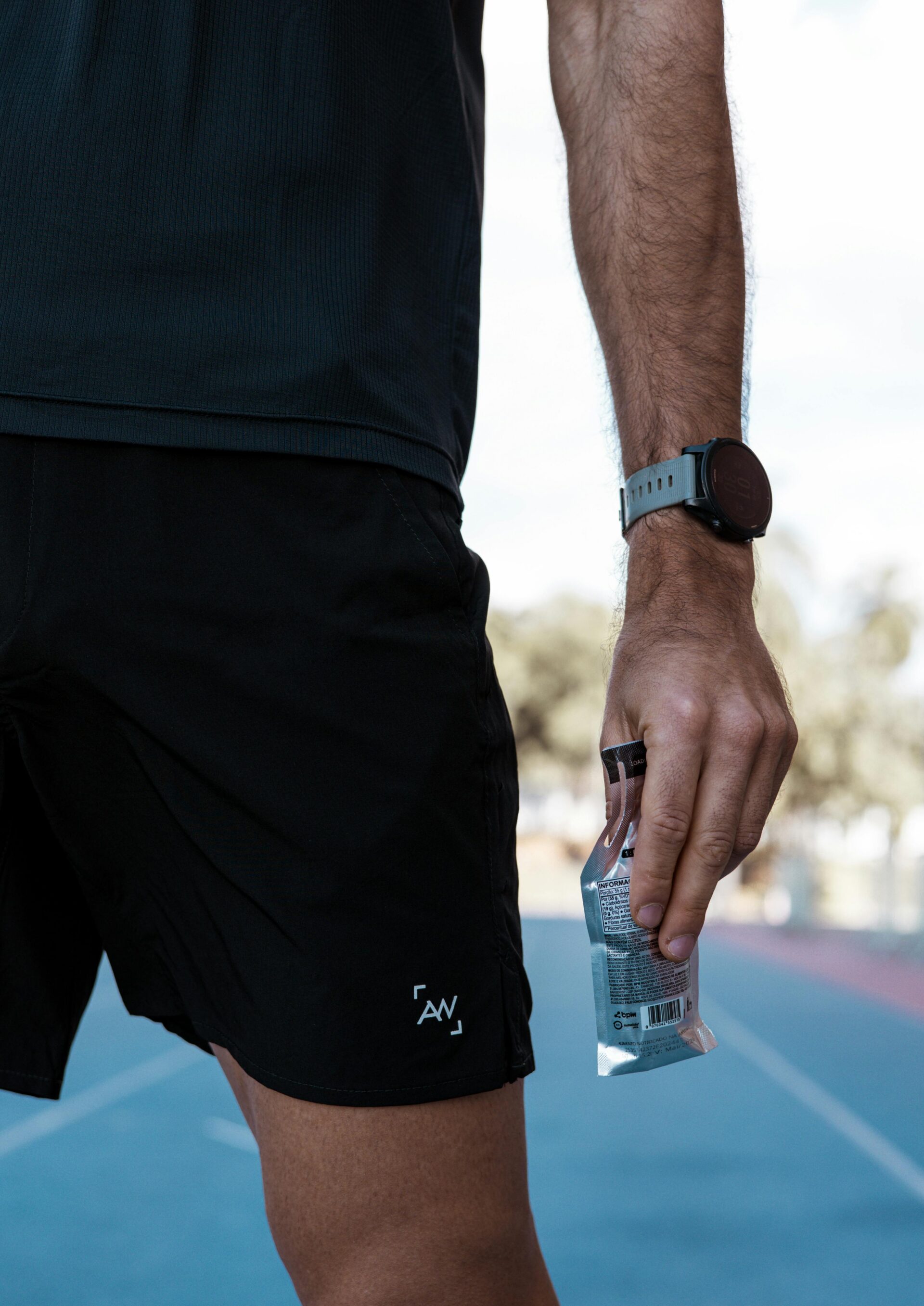
Energy gels have become a standard fuelling tool for distance runners. Many marathon runners aim to consume multiple gels during a race to maintain carbohydrate intake and delay fatigue.
Using:
- 60,000 participants
- 72% estimated gel use
- 10 sachets per runner on average
…gives a projected 432,000 sachets used in one event. That scale turns a personal fuelling choice into a packaging issue worth examining.
Why is running gel packaging difficult to recycle?
This is where the waste problem becomes more complicated. Most energy gels come in flexible multi-layer laminates, often combining:
- Plastic films
- Aluminium foil layers
- Barrier materials designed to protect shelf life and product stability
These materials perform well for sports nutrition, but poorly for conventional recycling.
Because the layers are bonded together, they can be difficult to separate through standard recycling systems. In many cases, used sachets are likely to end up in energy recovery or landfill, rather than closed-loop recycling.
That makes them a classic hard-to-recycle packaging stream.
The hidden environmental impact of gel sachets
The issue is not just disposal.
Resource-intensive materials
Some gel packets contain aluminium foil, which takes significant energy to produce. Throwing these away after seconds of use can represent a substantial loss of resources.
Small-format litter
Many sachets include tear-off tabs, which can become litter during races. Because these pieces are small, they can be difficult for clean-up teams to recover.
Microplastic concerns
Once fragmented, flexible plastic packaging can contribute to microplastic pollution in the wider environment.
Wildlife risks
Partially used sachets can contain sugary residue that may attract wildlife. These are small items individually, but significant at scale.
A sustainability blind spot in endurance sport?
Endurance sport has made visible progress on:
- Bottle recycling
- Paper cups
- Clothing donation schemes
- Lower-carbon event operations
But single-use fuelling products have received far less scrutiny.
That may be changing.
With mass participation events growing, sports nutrition packaging could become an emerging waste stream that organisers may need to address more directly.
What can runners do to reduce gel waste?
Individual choices can still make a difference.
Consider refillable gel pouches
Some brands now offer refillable options, reducing disposable packaging dramatically.
Keep tabs attached
Avoid fully tearing off sachet tabs to reduce small-format litter.
Carry used packaging until disposal
Even where race clean-up teams operate, runners should keep used wrappers until they reach bins where possible.
Explore alternative fuel sources
Some runners use alternatives such as:
- Dates
- Bananas
- Sweets
- Homemade fuel options
These can reduce reliance on single-use packaging.
What can brands and race organisers do?
Reducing this waste cannot be done by runners alone.
Expand dedicated collection schemes
Specialist take-back systems for hard-to-recycle packaging could become more common at events.
Create refill stations
There may be scope for future races to trial refill-based fuelling points.
Improve packaging design
Keeping tear tabs attached by design could help tackle littering. Longer term, recyclable or lower-impact materials could play a bigger role.
Treat gels as a managed event waste stream
Rather than seeing gels as incidental litter, organisers may increasingly need to plan for them as a specific waste category. That is where event sustainability may evolve next.
What this means for major event waste management
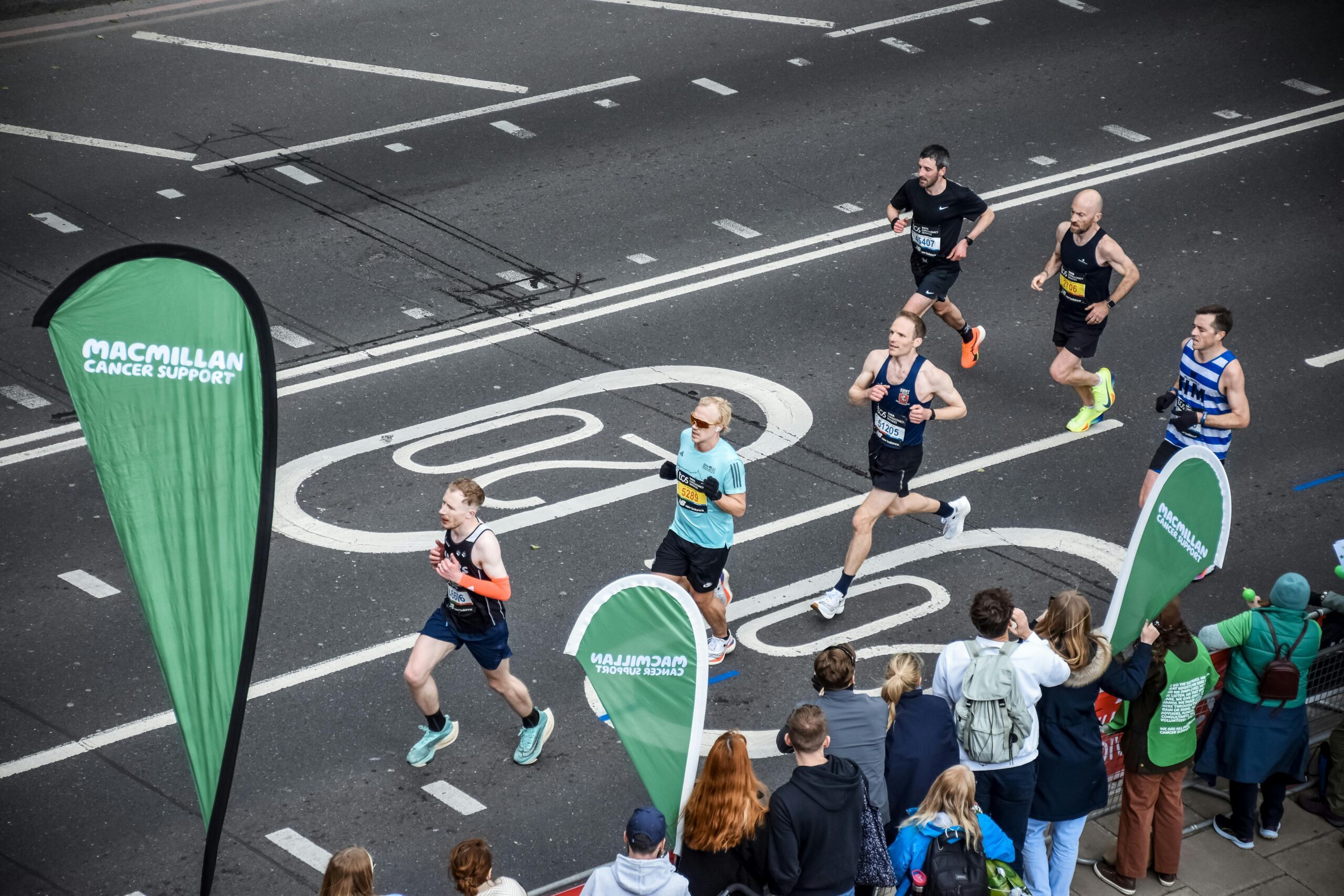
Large events increasingly have to manage waste streams that barely existed a decade ago.
Running gels are one example of how changing participant behaviour can create new waste challenges.
That does not take away from progress made at major races, but it does show sustainability efforts need to keep evolving, too.
Mark Hall, waste management expert at Business Waste, says:
The bigger question
The London Marathon has become a showcase for how major events can improve sustainability.
But this raises a wider question for endurance sport: Can performance nutrition become less dependent on single-use packaging?
As participation grows, that may become an increasingly important part of the sustainability conversation. For runners, brands, and organisers alike, it is a conversation worth starting now.
Sources
- https://www.bbc.co.uk/news/articles/c2k398d25k1o
- https://www.marketreportsworld.com/market-reports/energy-gel-products-market-14722317
- https://puresport.co/blogs/the-run-down/the-ultimate-guide-to-fuelling-your-marathons-with-energy-gels
- https://www.enflex.es/en/news/sport-gels-packaging-how-are-energy-gel-pouches-made


Have your waste collected
Get a fast FREE quote for your waste collection 0800 211 83 90
- Free quote within 1 hr
- Any type of waste
- FREE bins and delivery
- We cover all of the UK