England’s Waste Crime Action Plan: What’s New?
A 2025 government-backed survey found that waste industry respondents estimated around 20% of waste may be illegally managed. That’s both a regulatory issue and a direct risk for businesses.
The newly published UK waste crime action plan (20 March 2026) sets out how authorities plan to tackle illegal waste dumping. But for businesses, the key takeaway is simpler: you don’t have to break the rules to be held responsible.
What is illegal waste dumping?
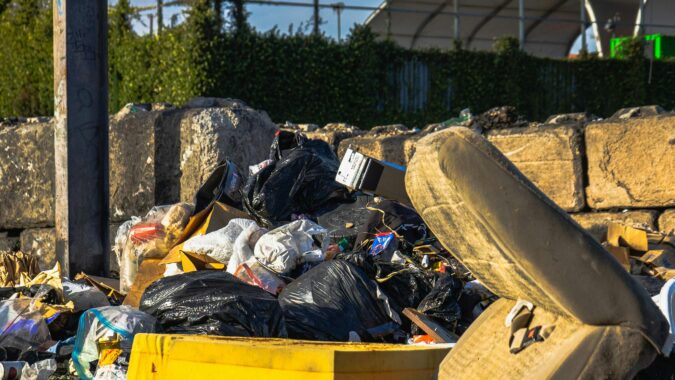
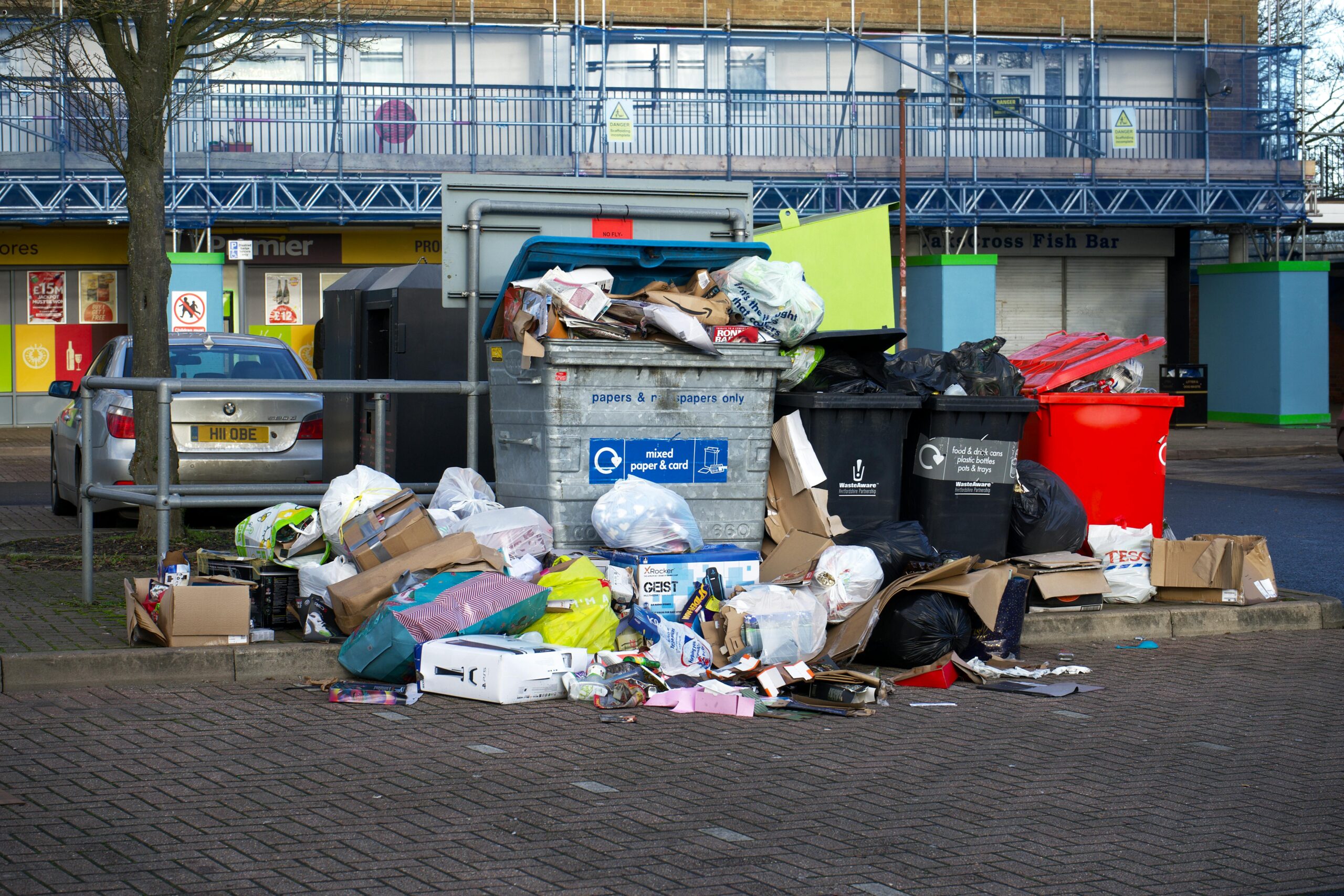
Illegal waste dumping refers to the unlawful handling, transport, or disposal of waste outside regulated systems.
This includes:
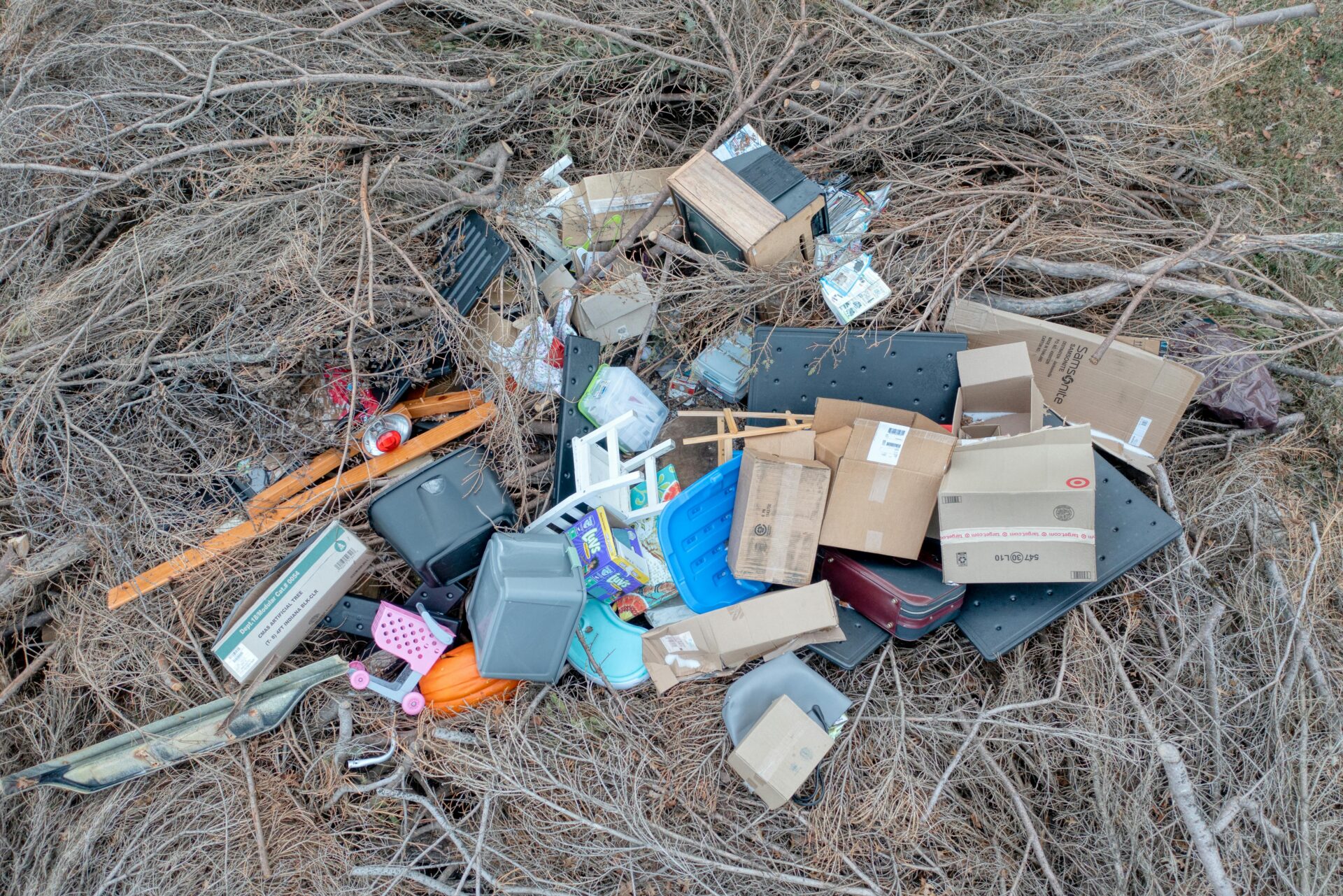
- Fly-tipping waste instead of disposing of it at licensed facilities
- Using unregistered or unlicensed waste carriers
- Misclassifying waste to avoid higher disposal costs
- Exporting waste illegally or without proper documentation
In simple terms, illegal dumping of waste happens whenever waste leaves the compliance system.
For businesses, this often isn’t deliberate. It typically happens when waste is handed to a third party that cuts corners further down the chain.
What does the UK waste crime action plan
include?
The UK waste crime action plan, published on 20 March 2026, outlines a more coordinated national approach to tackling waste crime.
It focuses on three core areas:
Prevent
- Tighter controls on waste carriers and operators
- Increased awareness of duty of care responsibilities
- Improved tracking of waste movements
Detect
- Better data sharing between regulators
- Expanded use of digital waste tracking systems which are available as of April 2026, with a view to becoming mandatory from October 2026
- Greater visibility across the waste chain
Enforce
- Stronger enforcement powers for regulators
- Increased inspections and investigations
- More penalties for non-compliance
The overall direction is clear: waste crime is being treated as a systemic issue, not just isolated incidents.
How big is the illegal waste dumping problem
in the UK?
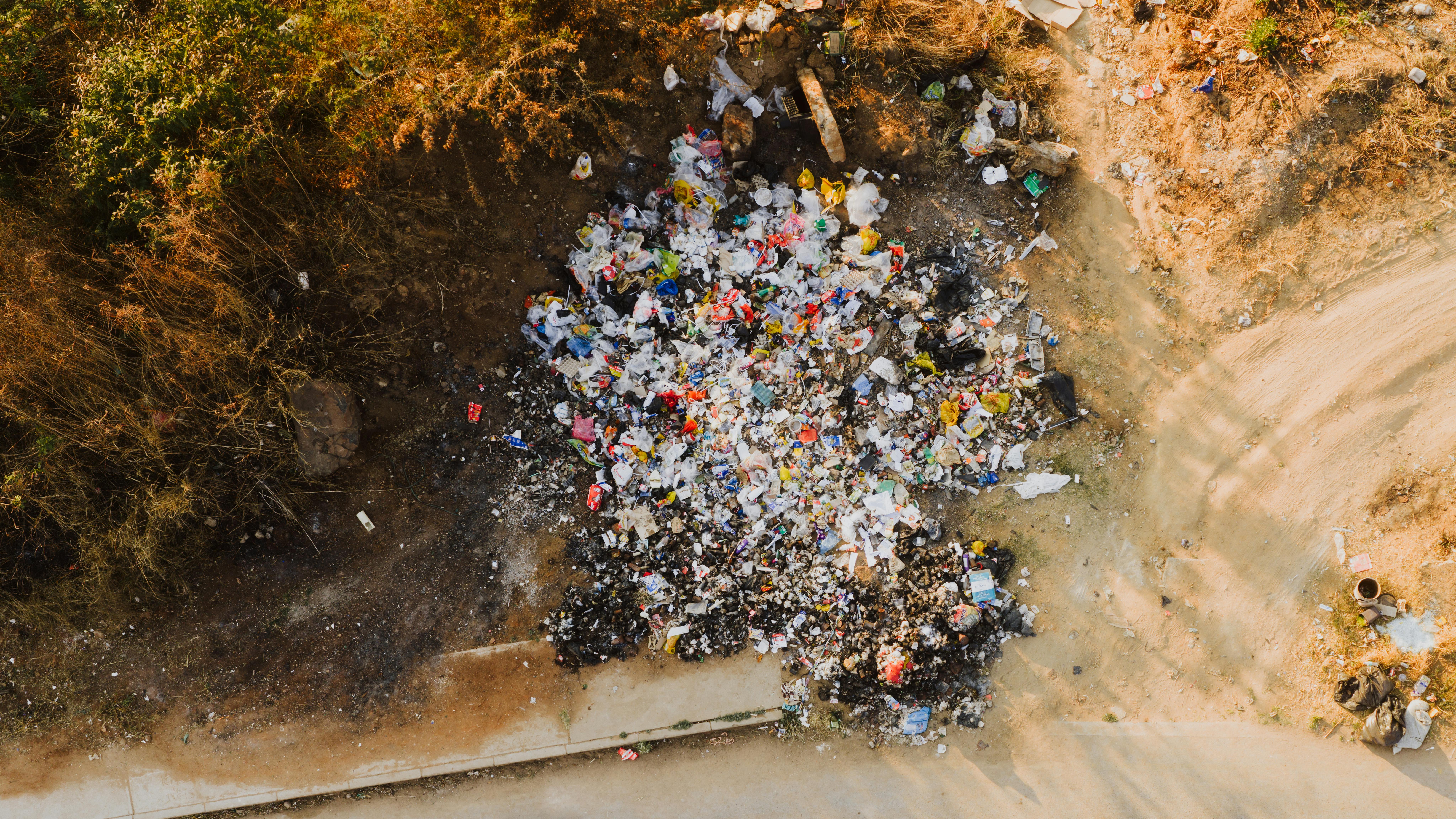
The scale is significant.
- Around 1 in 5 waste movements may involve illegal activity
- Waste crime is estimated to cost the UK economy around £1 billion per year
This isn’t limited to large-scale organised crime. It also includes everyday issues like:
- Small-scale fly-tipping
- Mismanaged commercial waste
- Incorrect disposal routes
The challenge is that illegal activity is often hidden within otherwise legitimate waste chains.
Why businesses are at risk
(even if they do nothing wrong)
This is where the issue becomes practical. Under UK law, businesses have a duty of care for their waste. That responsibility doesn’t end when waste leaves your site. If your waste is handled illegally later in the chain, you can still be held accountable.
Common risk scenarios
Using unlicensed carriers
A contractor offers a cheaper service but lacks the correct registration. Waste is then dumped illegally.
Lack of documentation
Missing or incomplete waste transfer notes make it difficult to prove compliance.
Passing waste to third parties without checks
Even reputable businesses can unknowingly use subcontractors who cut corners.
In each case, the issue isn’t intent; it’s visibility and control.
What happens if your waste is handled
illegally?
If your business waste is traced to illegal dumping, the consequences can be serious.
Financial penalties
Fines can be significant, depending on the scale and nature of the offence.
Legal liability
Failure to meet duty of care obligations can result in prosecution.
Reputational damage
Being linked to illegal waste dumping can affect customer trust and brand perception.
Even if the issue occurs further down the chain, the original producer of the waste is still part of the investigation.
How to protect your business from
illegal waste dumping
The new waste crime action plan makes one thing clear: businesses need to be more proactive.
Here’s what that looks like in practice.
Check your waste carrier
- Confirm they are registered with the Environment Agency
- Verify their licence details
Keep clear documentation
- Maintain waste transfer notes for all collections
- Ensure records are accurate and accessible
Understand your waste streams
- Know what types of waste your business produces
- Ensure they are classified and handled correctly
Avoid “too cheap to be true” services
- Low-cost providers often cut corners
- Price should not come at the expense of compliance
Review your waste chain regularly
- Don’t assume compliance, check it
- Ask where your waste is going and how it’s processed
These steps are simple, but they significantly reduce risk.
Our view: waste crime is now a
supply chain risk
The UK waste crime action plan signals a shift in how waste is regulated. This is no longer just about stopping illegal operators. It’s about tightening the entire system.
For businesses, that means:
- Greater scrutiny of waste handling
- Higher expectations around documentation and oversight
- Increased accountability across the supply chain
The key shift is this:
Waste crime is no longer just an environmental issue; it’s now a business risk.
Final thoughts
Illegal waste dumping is more widespread than many businesses realise. With 1 in 5 waste movements potentially affected, the risk is not theoretical.
The government’s response through the UK waste crime action plan is clear: more visibility, more enforcement, and more accountability.
For businesses, the takeaway is straightforward:
- You are responsible for your waste
- That responsibility doesn’t end at collection
- And the cost of getting it wrong is increasing
If you’re unsure about your current waste processes or want to sense-check your compliance, it’s worth reviewing your setup now rather than waiting for an issue to arise.


Have your waste collected
Get a fast FREE quote for your waste collection 0800 211 83 90
- Free quote within 1 hr
- Any type of waste
- FREE bins and delivery
- We cover all of the UK