
Care Home Waste Management Guide 2026
Running a care home successfully relies on putting residents’ safety, dignity, and well-being first. Behind the scenes, that also means managing a wide range of waste streams safely and legally. From clinical waste to food waste, care home waste management in 2026 is about compliance, hygiene, sustainability, and cost control.
This guide explains what counts as care home waste, what causes it, and how to manage it in line with current UK legislation and best practice.
What counts as care home waste?
Care home waste is more complex than standard commercial waste. It includes everyday materials such as packaging and food scraps, alongside healthcare-related waste that must be handled under strict regulations.
Common types of care home waste include:
Clinical waste
Waste contaminated with blood or bodily fluids that may pose an infection risk counts as clinical waste. This can include used dressings, swabs, PPE, and certain disposable medical items.
Offensive waste
Waste that may contain bodily fluids but is not infectious. This often includes incontinence pads, hygiene wipes, and non-infectious medical materials. It must still be segregated correctly.
Pharmaceutical waste
Expired, unused, or partially used medicines are pharmaceutical waste. This includes tablets, liquids, creams, and some controlled drugs, which must follow specific disposal routes.
Sharps waste
Needles, syringes, lancets, and other sharp instruments are used in medical care. These require approved sharps containers and specialist collection.
Sanitary and hygiene waste
Adult nappies, incontinence products, and washroom waste are generated in resident bathrooms. These are classified as sanitary waste.
Food waste
Plate scrapings, spoiled ingredients, and kitchen area preparation waste. In England, businesses with 10 or more employees must separate food waste under Simpler Recycling legislation.
Mixed recycling
Clean paper, cardboard, plastics, cans, and glass from day-to-day operations count as mixed recycling.
General waste
General waste such as non-recyclable and non-hazardous waste that cannot be recovered.
Hazardous waste
Hazardous waste may occur where there are cleaning chemicals, certain medical materials, and other substances that pose a risk to health or the environment.
Bulky waste
Mattresses, furniture, and mobility aids may need to be disposed of periodically.
Understanding the categories you’re dealing with is essential for meeting waste disposal care home guidelines and ensuring safe segregation.
Why is care home waste management
important?
Effective care home waste disposal protects residents, staff, and visitors.
It helps to:
- Reduce the risk of infection and cross-contamination
- Maintain high hygiene standards
- Meet Care Quality Commission expectations
- Comply with UK legislation such as the Environmental Protection Act 1990 and Hazardous Waste Regulations 2005
- Support sustainability goals and reduce landfill use
Care homes operate in a highly regulated environment. Failing to manage waste correctly can lead to fines, reputational damage, and risk to vulnerable residents.
What causes waste in care homes?
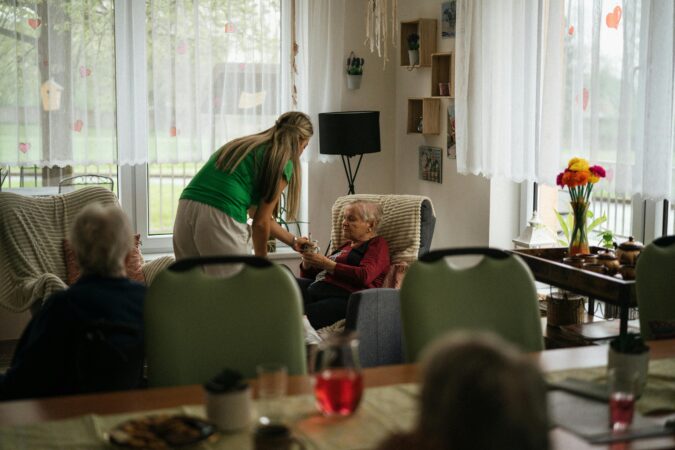
Care homes generate waste due to the nature of round-the-clock residential care.
Key causes include:
Medication and medical treatment
Blister packs, IV materials, dressings, and sharps all contribute to clinical and pharmaceutical waste.
Food service
Large portions, special dietary needs, and fluctuating resident numbers can increase food waste.
Hygiene and personal care
Incontinence products, wipes, gloves, and aprons generate significant volumes of offensive and sanitary waste.
Cleaning and infection control
Frequent cleaning produces chemical containers, disposable cloths, and packaging waste.
Textile turnover
Old bedding, towels, uniforms, and clothing create textile waste streams.
General day-to-day operations
Office paper, packaging deliveries, and routine supplies contribute to mixed recycling and general waste.
Identifying the root causes helps care homes reduce waste at source rather than simply increasing collections.
How to manage care home waste
Strong care home waste management starts with clear systems and staff training.
Segregate waste correctly
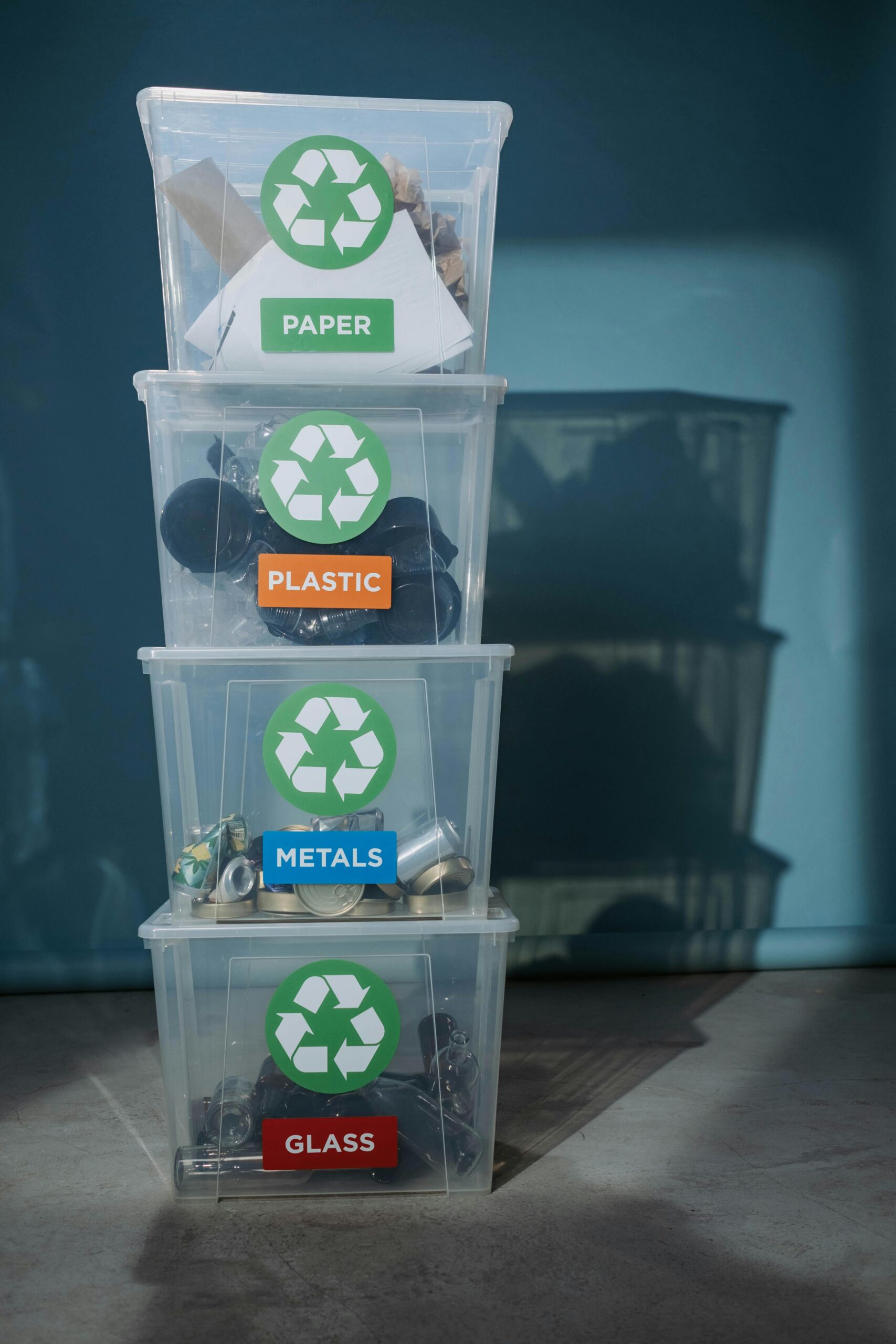
Keep clinical, offensive, pharmaceutical, food, recycling, and general waste in clearly labelled containers.
Train staff regularly
Ensure all employees understand what clinical waste is in a care home and how to separate it safely.
Follow the duty of care requirements
Under the Environmental Protection Act 1990, care homes must store waste securely, use licensed carriers, and retain waste transfer documentation.
Comply with healthcare guidance
Follow Department of Health guidance on the safe management of healthcare waste, including the use of colour-coded systems.
Separate food waste
Under Simpler Recycling rules in England, food waste must be separated for businesses with 10 or more employees.
Audit waste streams
Regular reviews help identify contamination, overfilled bins, and opportunities to reduce waste volumes.
Maintain safe storage areas
Keep bins secure, accessible for collection, and away from resident areas where possible.
Effective care home waste collection systems are about more than removing rubbish. They support infection control, regulatory compliance, and smooth daily operations.
What bins does a care home need?
The exact setup depends on home size and the extent of the services provided. Most care homes require:
- Clinical waste bags or infectious waste containers with colour coding guidance
- Sharps containers for needles and lancets
- Sanitary waste bins in bathrooms
- Food waste bins for kitchens
- Mixed recycling bins for dry recyclables
- General waste bins
- Secure storage for pharmaceutical waste
Larger homes may also need external wheelie bins, front-end loaders, or dedicated bulk containers, depending on waste volumes.
Bins should be clearly labelled, easy for staff to access, and positioned to reduce handling risks.
Care home waste management plan
A care home waste management plan sets out how waste is handled across the entire site.
A clear plan should include:
- Identification of all waste streams
- Segregation procedures
- Storage and collection arrangements
- Documentation and compliance processes
- Staff training requirements
- Emergency procedures for spills or sharps incidents
- Sustainability targets, such as reducing landfill waste
In 2026, care home waste management is about balancing safety, compliance, and environmental responsibility. A structured plan ensures consistent standards and protects both residents and your organisation.
By understanding your waste streams and applying the correct controls, you can create a cleaner, safer, and more sustainable care environment.


Have your waste collected
Get a fast FREE quote for your waste collection 0800 211 83 90
- Free quote within 1 hr
- Any type of waste
- FREE bins and delivery
- We cover all of the UK