
Energy from Waste in the UK: Busting the Biggest Myths
As landfill capacity continues to shrink across parts of the UK, Energy from Waste plants are increasingly being relied on to keep non-recyclable commercial waste going through the system. Yet much of the conversation around EfW still focuses on perception, rather than the practical role it plays when disposal options start to disappear.
Our waste management experts explain what Energy from Waste does, why it is needed, and address the most common myths surrounding its use in the UK.
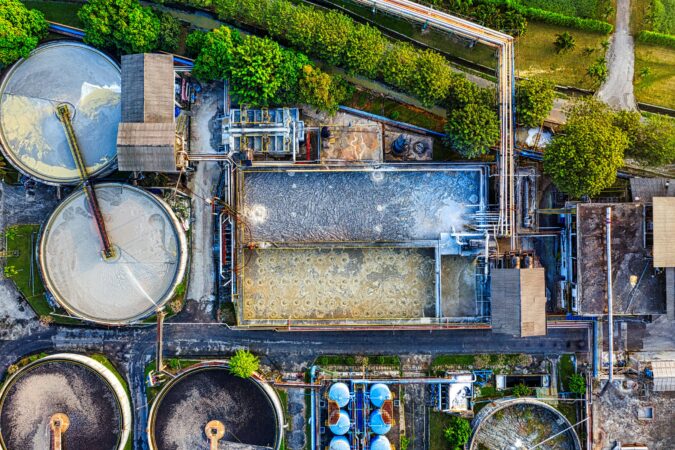
What is Energy from Waste?
Energy from Waste plants treat residual waste that cannot be recycled using a controlled combustion process.
In simple terms, EfW:
- Handles waste left over after recycling
- Generates electricity (and sometimes heat) from that waste
- Reduces the volume of waste sent to landfill
- Operates under strict environmental permits
EfW does not replace recycling. It sits lower in the waste hierarchy and is only used once recycling options have been exhausted.
For many commercial and industrial waste streams, EfW offers a controlled alternative to landfill where recycling is not possible.
How do people feel about
EfW plants?
Public opinion on Energy from Waste is mixed.
- 80% of people support renewable energy technologies overall
- Support drops to 37% when EfW plants are proposed locally
- In some regions, concern is much greater, particularly around air quality
This disconnect is often driven by confusion about how EfW plants operate and how they are regulated. There are some common myths around what they are, what they achieve and more.
Myth 1: Energy from Waste plants are unregulated incinerators
Reality:
Modern EfW plants are purpose-built energy facilities, not old-style incinerators.
- Operate under strict environmental permits
- Emissions are capped by law
- Monitoring is continuous and reported to regulators
- Plants can be shut down if limits are breached
Myth 2: Energy from Waste stops people recycling
Reality:
EfW does not cause recycling rates to fall.
Recycling fails when:
- Systems are confusing
- Waste is poorly separated
- Instructions are unclear
EfW is used after recycling has been done. Many areas with strong recycling performance also rely on EfW for the waste that remains.
Myth 3: Energy from Waste is meant to replace recycling
Reality:
Recycling always comes first.
EfW:
- Sits below recycling in the waste hierarchy
- Deals with contaminated, composite, or unrecyclable material
- Helps avoid landfill when recycling is no longer possible
It exists because some waste cannot yet be recycled, even in high-performing systems.
Myth 4: Energy from Waste plants release dangerous pollution
Reality:
Modern EfW plants operate very differently from what many people imagine.
- Emissions pass through multiple cleaning and filtration stages
- Harmful substances are removed before release
- Emissions remain within strict legal limits
These controls are far tighter than those applied to older incineration methods.
Myth 5: Sending waste to landfill is the safer option
Reality:
Landfill creates its own serious environmental risks.
- Generates methane, a potent greenhouse gas
- Takes up finite land space
- Requires long-term monitoring
Energy from Waste:
- Avoids methane emissions
- Recovers energy from residual waste
- Saves around 0.05 tonnes of CO₂e per tonne of waste compared to landfill
Over a year, this equates to around 37,500 tonnes of CO₂e saved.
Myth 6: EfW destroys useful materials
Reality:
EfW is not a dead end.
- Metals can be recovered from ash and recycled
- Remaining material can often be reused in construction
- Energy is captured rather than wasted
While not perfect, it still supports resource recovery where recycling is no longer viable.
Why Energy from Waste is necessary
Even the best recycling systems produce residual waste.
Without EfW, this waste would need to be:
- Sent to landfill
- Exported overseas
Both options increase costs and environmental impact.
EfW helps:
- Reduce reliance on shrinking landfill capacity
- Stabilise waste disposal costs
- Keep waste moving through the system
Without it, pressure on councils and businesses would increase, leading to longer transport distances, higher emissions, and greater disruption.
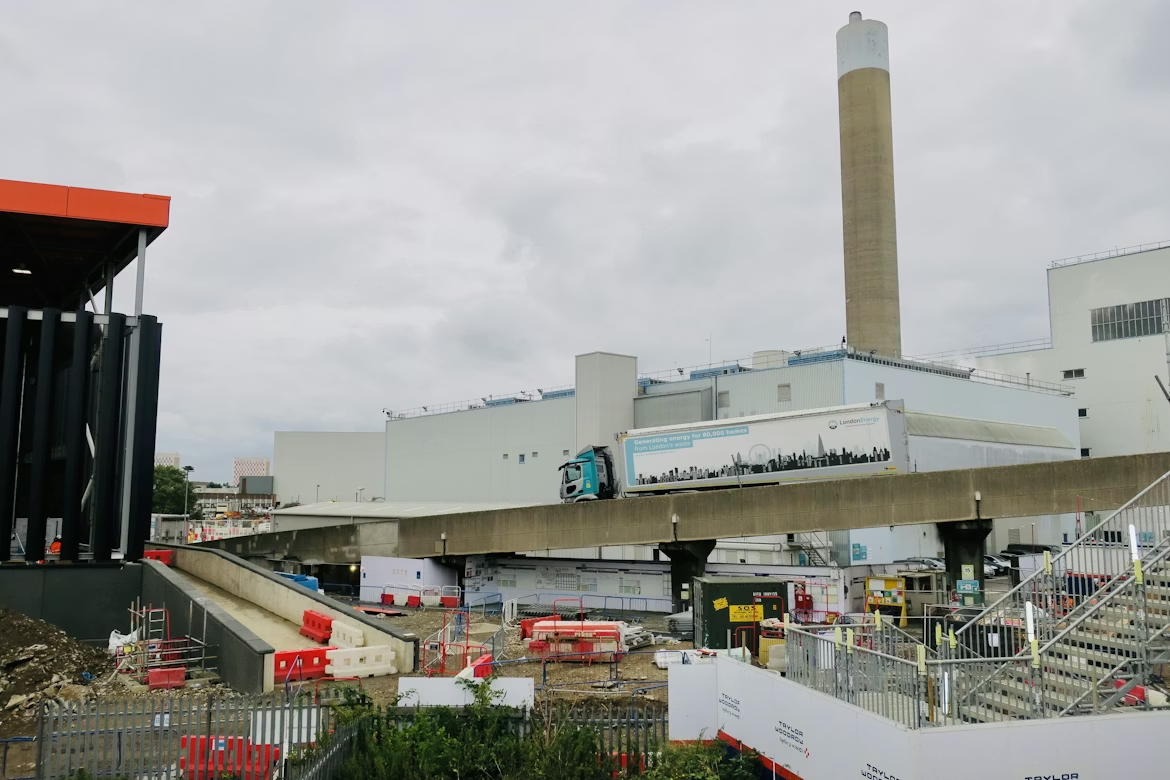
Expert insight
Mark Hall, waste management expert at Business Waste, said:
Energy from Waste is not a silver bullet, but it is a necessary part of the UK’s waste infrastructure. When used correctly, alongside strong recycling systems and clear public guidance, EfW helps manage unavoidable waste in a more controlled and sustainable way.
For more information on how different waste streams are handled, explore our guides to industrial waste and hazardous waste disposal.


Have your waste collected
Get a fast FREE quote for your waste collection 0800 211 83 90
- Free quote within 1 hr
- Any type of waste
- FREE bins and delivery
- We cover all of the UK