
How To Dispose Of Broken Glass
The correct disposal route for broken glass depends on the type of glass and whether it is contaminated. Businesses shouldn’t simply place broken glass into general waste or mixed recycling without ensuring that the stream accepts it.
The type of glass reflects the route you should take. Packaging glass may be recyclable, while mirrors, window glass, Pyrex and other specialist glass usually need separate treatment. Large volumes should be kept separate and collected through an appropriate commercial waste service.
Ensure broken glass is handled carefully to minimise risk of injury to staff, customers and waste collection workers.
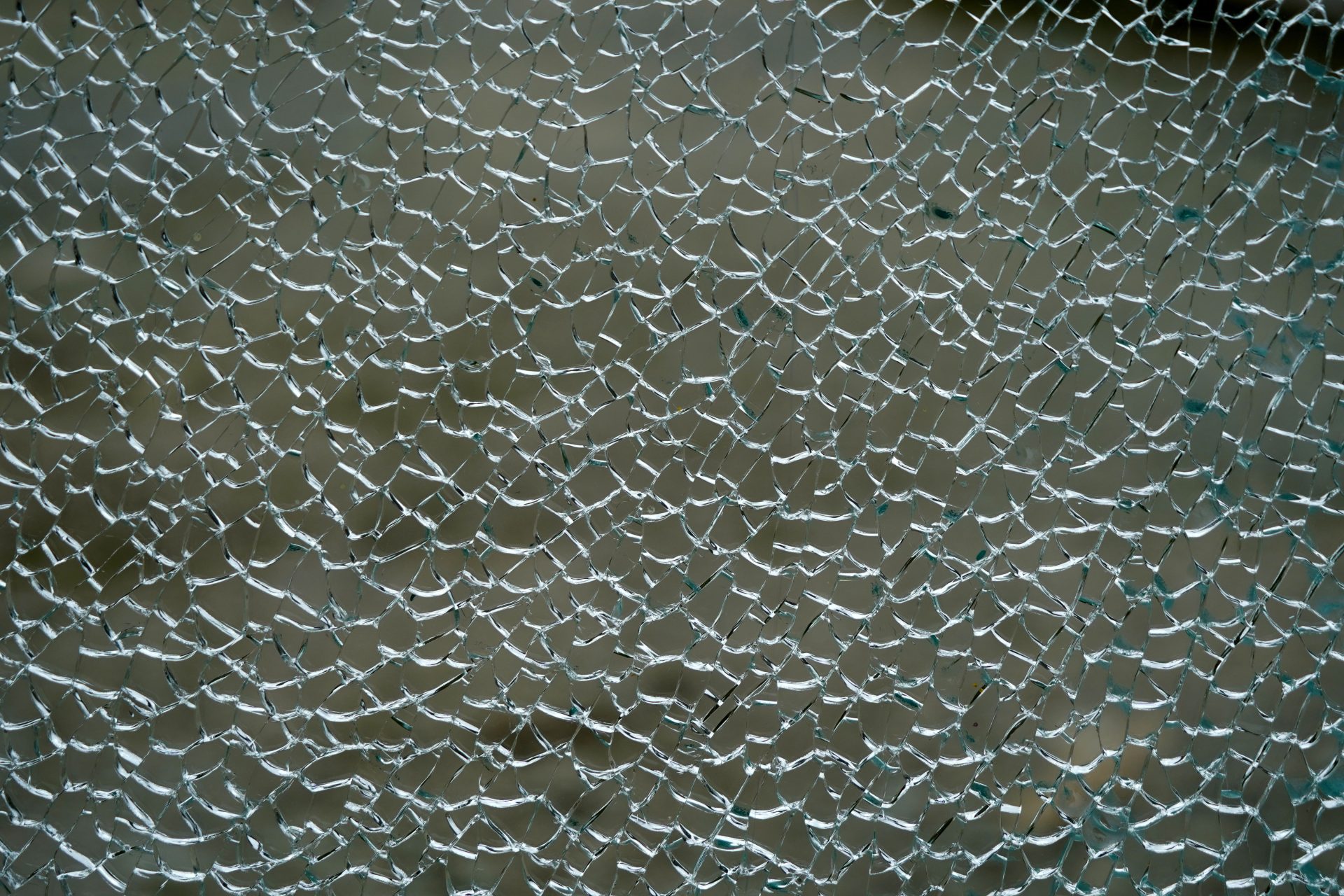
How to dispose of broken glass safely at work
1. Secure the area
Keep staff and customers away from broken glass, using signs or barriers where needed. Deal with the breakage promptly, especially in public-facing environments.
2. Wear suitable PPE
Depending on the situation, wear cut-resistant gloves, closed footwear, and eye protection to minimise risk.
3. Collect the glass safely
Use a brush and dustpan, tongs or suitable tools. Never pick up shards with bare hands. Sweep carefully for smaller fragments so the area is left in a suitable working condition.
4. Identify the type of glass
Bottles and jars, drinking glasses, window or flat glass, mirrors, Pyrex or heat-resistant glass, light bulbs and tubes, and contaminated or clinical glass may all need to be separated.
5. Use a suitable container
Avoid placing loose shards into thin plastic sacks or unsuitable packaging. Opt for a rigid commercial waste container and label it clearly if broken glass is being stored before collection.
6. Arrange the correct collection
Use an authorised waste carrier. Keep recyclable glass separate where possible. Use specialist routes for hazardous or contaminated glass.
Can you put broken glass in a commercial recycling bin?
Only if your waste provider accepts that type of glass in the recycling stream. Bottles and jars may be suitable for a dedicated commercial glass recycling collection. Glass with different compositions, such as Pyrex, ceramics and window glass, all may require a separate treatment route. Follow the specification agreed with your commercial waste provider.
What types of broken glass can businesses recycle?
Bottles and jars
Broken glass bottles and jars are common in pubs, bars, restaurants, hotels, cafés and catering businesses. These objects are usually relatively straightforward to recycle through a commercial glass collection.
Window and flat glass
Frequently found in construction sites, property maintenance, glazing companies and refurbishment projects. A specialist collection is often required due to the composition of the glass.
Drinking glasses and crockery
Often found in hospitality settings, this glass type should be kept separate from standard bottles and jars.
Mirrors and treated glass
These objects may contain coatings or other materials that require a different treatment route.
Light bulbs and fluorescent tubes
Don’t treat these objects as ordinary glass waste. Some fall under WEEE or hazardous waste requirements.
Why can’t all broken glass be recycled together?
A broken wine bottle and a broken drinking glass may look similar, but this doesn’t necessarily mean they’re suitable for the same recycling process.
Some glass types can contaminate packaging glass recycling, while some have different coatings and varying melting points. British Glass confirms the importance of clean cullet and ensuring the separation of suitable glass streams.
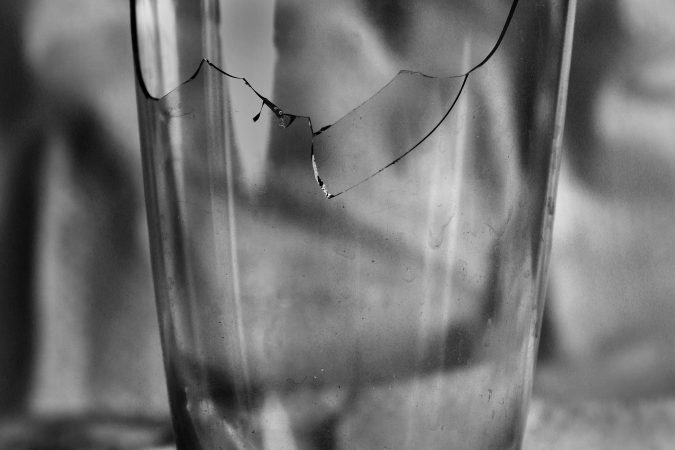
What should businesses do with contaminated broken glass?
Contaminated glass may need to be treated as hazardous or clinical waste. Don’t place it in your standard commercial glass recycling. First, identify the contaminant and use a correctly labelled container to store the broken glass before arranging a specialist waste collection.
Glass recycling statistics
- 75.1% of UK glass packaging waste was recycled in 2025, according to Defra.
- Around 1.631 million tonnes of glass packaging was recycled from 2.171 million tonnes arising (Defra).
- British Glass says glass can be recycled repeatedly without losing quality.
- Remelting one tonne of recycled glass can save around 580kg CO₂e (British Glass).
Separating recyclable glass can reduce the amount sent through general waste routes and help businesses recover more material.
How can businesses arrange broken glass collection?
Business Waste can arrange commercial glass collections for organisations across the UK. Suitable containers can be provided for bottles, jars and other glass waste, with specialist routes available where standard glass recycling is not appropriate.
If you’re in need of a one-off collection, we can also cater to this. Our in-house team will advise on correct segregation, storage, labelling and the appropriate recycling route for your site. We’ll also provide Waste Transfer Notes at no additional cost.

Contact us
Get a fast quote for broken glass collection
- Free quote within 1 hour
- Price-match guarantee
- Free glass containers
- Nationwide UK coverage

Have your waste collected
Get a fast FREE quote for your waste collection 0800 211 83 90
- Free quote within 1 hr
- Any type of waste
- FREE bins and delivery
- We cover all of the UK