What Can Be Recycled?
Most businesses can recycle paper, cardboard, glass bottles and jars, metal cans, plastic bottles, and some plastic tubs, pots and trays. However, these materials need to be free from contamination, depending on the local recycling facility you have access to and the waste collection service you have.
Simpler Recycling regulations have made businesses in England consider their setup more thoroughly than just choosing what can go in their bin. You now need to separate waste correctly, avoid contamination and keep the right paperwork at hand.
What can businesses recycle at work?
Many common waste types, as well as certain specialist waste, can be recycled by businesses in the UK. Ensure items are clean, dry and correctly separated before they are collected.
Paper and cardboard: office paper, envelopes, newspapers, magazines, cardboard boxes, packaging card.
Glass: bottles and jars, where collected separately or accepted in mixed recycling.
Metal: drink cans, food tins, empty aerosols where accepted, clean foil and foil trays.
Plastic: plastic bottles, some pots, tubs and trays, depending on the recycling service.
Food waste: where separate food waste collections are provided or required.
Wood: pallets, untreated wood and some timber through specialist collections.
Electrical items: WEEE, such as computers, printers, cables and small appliances, through a suitable WEEE route.
Batteries: through battery boxes or approved battery recycling points, not normal bins.
Textiles: through textile collections, donation routes or specialist recyclers.
Confidential paper: through secure shredding, then recycling.
Paper and cardboard recycling
Paper and cardboard are common in offices, shops, warehouses, schools, e-commerce businesses and hospitality sites. Most businesses create it through paperwork, deliveries, packaging or stock handling.
Common paper and cardboard waste includes:
- Office paper
- Envelopes
- Newspapers and magazines
- Flattened cardboard boxes
- Packaging card
- Paper bags
- Brochures and leaflets
- Shredded paper, where accepted
Keep paper and cardboard clean and dry. Wet cardboard, greasy pizza boxes, food-stained packaging, laminated paper, glittery cards, tissue paper and paper towels can cause problems in standard recycling.
Once collected, paper and cardboard are usually sorted, graded, pulped and turned into new paper or cardboard products. High-volume businesses may need cardboard bins, balers or compactors. Confidential paperwork should go through secure shredding before recycling.

Plastic recycling
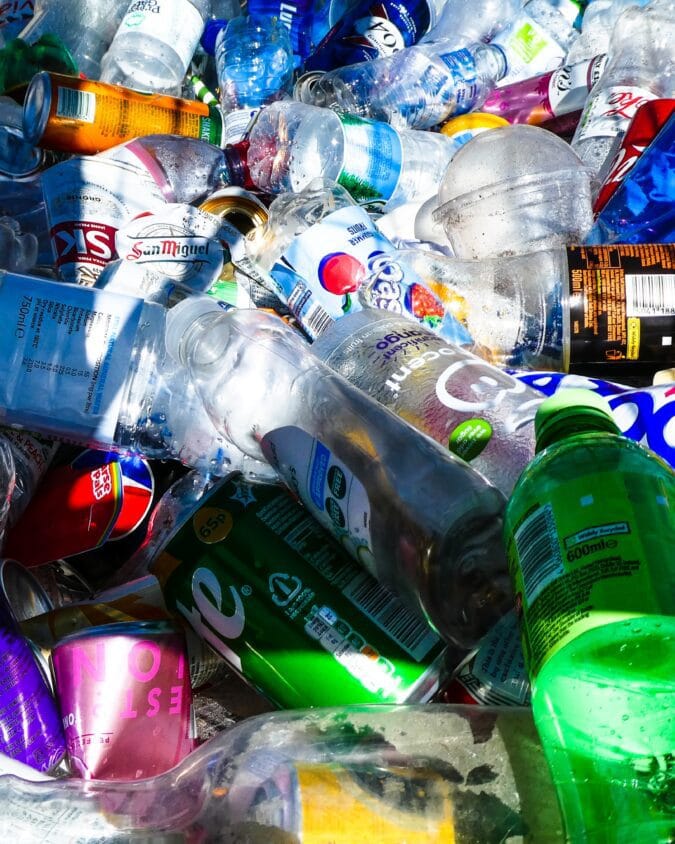
Plastic recycling is common for retailers, warehouses, offices, hospitality businesses, schools and manufacturers. The main issue is that “plastic” covers lots of materials, and not all of them can go in the same bin.
Commonly recyclable plastic waste may include:
- Plastic drink bottles
- Milk bottles
- Cleaning product bottles
- Some pots
- Some tubs
- Some trays
- Rigid plastic packaging, where accepted
Problem plastics may include:
- Plastic film
- Carrier bags
- Crisp packets
- Polystyrene
- Black plastic trays
- Mixed-material packaging
- Food-contaminated plastic
Recycling symbols do not always mean an item can go in your workplace recycling bin. Businesses should check what their waste provider accepts and use clear signage with real examples from their site.
Glass recycling
Glass recycling is common for pubs, bars, restaurants, hotels, cafés, event venues and leisure sites. Most commercial glass recycling focuses on bottles and jars, not all glass items.
Common glass waste includes:
- Glass bottles
- Glass jars
- Sauce bottles
- Condiment jars
- Drinks bottles
- Perfume bottles, where accepted
Items that usually need a different route include:
- Drinking glasses
- Pyrex
- Mirrors
- Window glass
- Light bulbs
- Ceramics
- Crockery
Glass bottles and jars are usually sorted by colour, crushed into cullet, cleaned and melted into new glass products. Some lower-grade glass may be used in aggregate or construction materials.
Businesses should keep glass separate from food waste and general waste. Broken glass requires careful handling as it can injure staff, cleaners and collection crews.
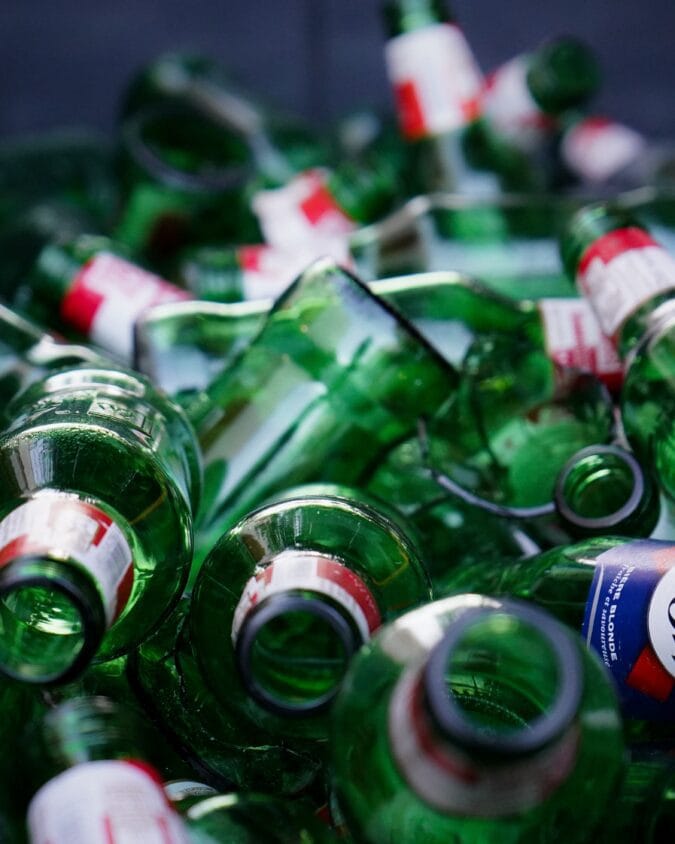
Metal recycling

Metal recycling is relevant for kitchens, restaurants, pubs, offices, warehouses, workshops, manufacturers and construction sites. Many everyday metal items can be recycled, but containers with chemicals, paint, gas or pressurised contents need care.
Common metal waste includes:
- Drinks cans
- Food tins
- Clean foil
- Foil trays
- Empty aerosols, where accepted
- Metal packaging
- Scrap metal
Metal offcuts
Metal items that need care include:
- Full or partly full aerosols
- Paint tins with residue
- Chemical containers
- Gas canisters
- Sharp metal items
- Oily or contaminated metal
Metal heads to authorised facilities to be sorted, processed, shredded and melted into new metal products. Aluminium and steel can be recycled repeatedly.
Businesses should not put sharp metal items loose into recycling sacks. Workshops, kitchens, warehouses and construction sites may need a separate metal waste route.
Food waste recycling
Food waste recycling is important for restaurants, cafés, pubs, hotels, schools, care homes, offices, supermarkets and staff canteens. It is also a key waste stream under Simpler Recycling for many businesses in England.
Common food waste includes:
- Plate waste
- Prep waste
- Fruit and vegetable peelings
- Bakery waste
- Coffee grounds
- Tea bags, where accepted
- Out-of-date food
- Leftover cooked food
Items that should stay out of food waste bins include:
- Packaging
- Plastic cutlery
- Napkins
- Liquids
- Glass
- Foil
- General waste
- Compostable packaging, unless accepted
Once collected, food waste is often sent to anaerobic digestion or composting. Anaerobic digestion produces biogas and digestate, while composting turns suitable organic waste into compost or soil improver.
Keep food waste separate from packaging and liquids. Contamination can affect treatment and may lead to rejected loads or extra charges.
Materials that need specialist recycling
Many specialist waste streams require a dedicated recycling stream, as well as their own containers.
- Wood and pallets: may be collected separately, especially from warehouses, retail and construction sites.
- Textiles: workwear, uniforms and fabric offcuts may need textile recycling or reuse routes.
- Cooking oil: should be collected separately from commercial kitchens.
- Printer cartridges: use cartridge recycling or take-back schemes.
- Confidential documents: should be securely shredded before recycling.
- Mattresses and bulky waste: need a suitable bulky waste or specialist recycling route.
- Hazardous waste: chemicals, solvents, asbestos, paint, clinical waste and certain aerosols need specialist disposal.
Why recycling contamination matters
Contamination occurs when non-recyclable items or dirty materials enter recycling bins. The cleaner your recycling streams, the better, as contamination leads to rejected loads and additional charges.
Examples of contamination include:
- Food waste in dry mixed recycling
- Coffee cups in paper recycling
- Wet cardboard in cardboard bins
- Batteries in general waste or mixed recycling
- Plastic film in DMR where not accepted
Consider implementing clear signage, staff training and suitable container placement to help reduce contamination on your site.
How businesses can improve recycling at work
-
Audit your waste
Look at what is currently going into your general waste and recycling bins. This helps identify which materials your business produces most often and where recyclable waste is being missed.
-
Put the right bins in the right places
Place recycling bins where waste is actually created, such as kitchens, print rooms, stock rooms and customer areas. Keep paper, cardboard, food waste and dry mixed recycling separate where required.
-
Use clear labels and staff guidance
Use simple bin labels with real examples from your workplace. Staff are more likely to recycle correctly when they can see exactly where common items should go.
-
Review and update your setup
Check bin sizes, collection frequency and contamination levels regularly. Update staff guidance when waste rules, suppliers, packaging or workplace processes change.
Recycling FAQs
-
 What can you recycle at work?
Most workplaces can recycle paper, cardboard, glass, metal, plastic bottles, some plastic packaging, food waste, WEEE, batteries and confidential paper through the right collection routes.
-
What should be recycled?
Materials should be recycled where there is a suitable collection route, and they are clean enough to be processed. Common examples include paper, cardboard, glass bottles, metal cans and plastic bottles.
-
Can all plastic be recycled?
No. Plastic bottles are widely recycled, but plastic film, crisp packets, polystyrene and mixed-material packaging often need separate routes or may not be accepted.
-
Can businesses use household recycling bins?
No. Waste produced by a business should be handled as business waste, even if the business is run from home.
-
What is recycling contamination?
Recycling contamination happens when the wrong material enters a recycling bin, such as food waste in paper recycling or batteries in mixed recycling.
-
What should not go in recycling bins?
Batteries, vapes, food waste, liquids, clinical waste, sanitary waste, nappies, electrical items, chemicals, paint, polystyrene and heavily contaminated packaging should not go in standard recycling bins.

Arrange commercial recycling
We help over 30,000 businesses in the UK divert their commercial waste from landfill. If your site needs expert guidance on your setup, or you simply have a question, contact our team today.


Have your waste collected
Get a fast FREE quote for your waste collection 0800 211 83 90
- Free quote within 1 hr
- Any type of waste
- FREE bins and delivery
- We cover all of the UK