Hotel Waste Management Guide 2026
This guide explains what counts as hotel waste, why it matters, and the practical steps hotels can take in 2026 to manage waste more effectively.
If materials containing PFAS enter your waste stream, you may face tighter handling rules, hazardous classification, and stricter duty-of-care responsibilities. Here’s what you need to know.
Fly-tipping is usually viewed as a local issue, with local consequences. A pile of dumped waste appears, the council clears it up, and residents are left frustrated. But there’s a second cost that is rarely mentioned
This guide explains how waste segregation works in schools, why it matters more with the latest Simpler Recycling rules taking effect, and how schools can build effective, compliant systems that staff and pupils actually follow.
Most businesses take data protection seriously. They lock down systems, train staff on phishing, and tighten access to customer records. But there’s one part of GDPR compliance that still gets missed. What happens to confidential waste when it’s thrown away?
As landfill capacity continues to shrink across parts of the UK, Energy from Waste plants are increasingly being relied on to keep non-recyclable commercial waste going through the system. Yet much of the conversation around EfW still focuses on perception, rather than the practical role it plays when disposal options start to disappear.
North Devon Council has confirmed it will stop all commercial waste collections from 31 March 2026, leaving thousands of local businesses responsible for arranging their own waste services. Businesses now need to act quickly to stay compliant and avoid disruption.
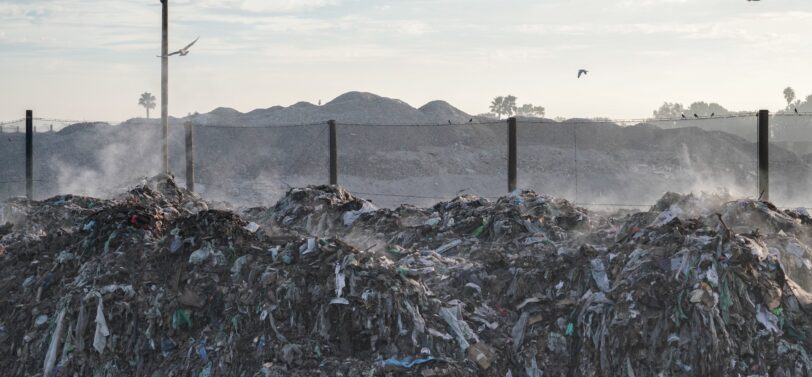
Across England, landfill capacity has been steadily shrinking, with some regions already operating at or close to zero available space. As sites close and approvals for new landfills slow, the UK is facing a growing landfill capacity crisis that is becoming harder to ignore.
As pressure mounts on land availability, infrastructure, energy generation, and climate resilience, ex-landfill sites are increasingly being re-examined not as liabilities, but as opportunities. With the right engineering, monitoring, and planning, many of these sites are finding new life in ways that deliver environmental, economic, and community benefits.
While councils are preparing to deliver food waste caddies and collection services, one issue risks undermining the success of the new system before it even begins: unclear food packaging guidance.
Published 7th January 2022 by Mark Hall. Last modified 9th June 2026