Resource & Waste Management Expo 2026: 4 Takeaways
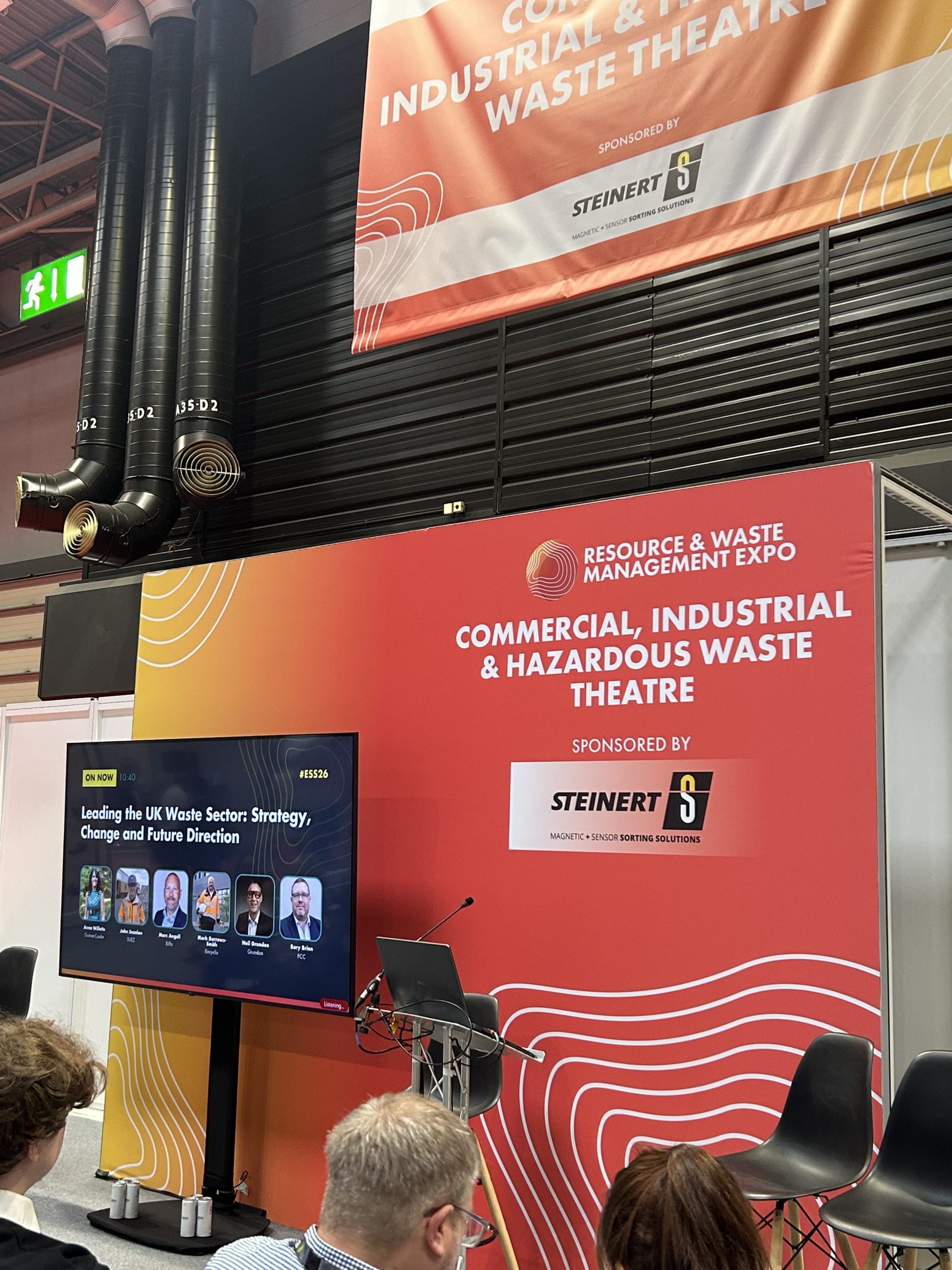
On the 16th of September, I visited the Resource and Waste Management (RWM) section of the ESS Expo, held at the NEC in Birmingham. The event brought together sales, marketing, logistics and leadership teams from some of the UK waste sector’s most influential organisations.
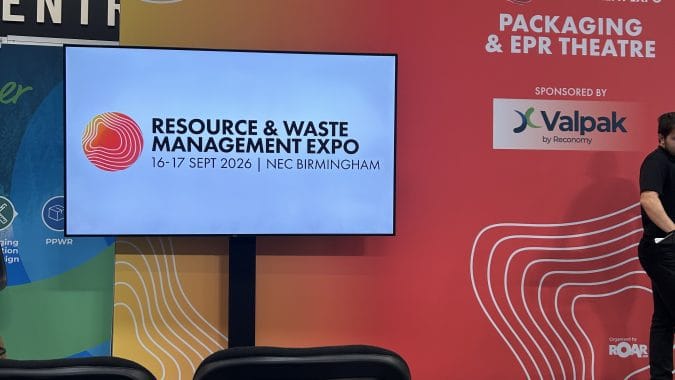
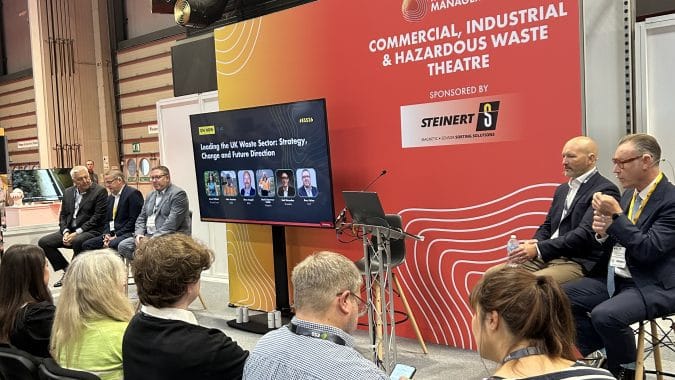
Between technology demos and conversations, I had the pleasure of sitting in on some talks, spanning textile waste innovation to WEEE waste recycling. Several key themes kept resurfacing across talks that initially seemed unrelated. What stuck was clear: the waste sector is being asked to take on more responsibility, and manufacturers, businesses, regulators and technology providers all have a part to play.
Here are four key takeaways from the event.
1. New regulations are making waste management more complicated for businesses
Businesses are having to navigate increasingly detailed packaging rules, particularly if they sell products in more than one market. There has already been confusion regarding the difference between UK packaging regulations and the EU’s Packaging and Packaging Waste Regulations (PPWR).
Ongoing changes to packaging definitions, material requirements and supporting evidence mean businesses in this sector have a lot to adapt to. There is also the issue of dual classification. For instance, some businesses may fall into the category of a manufacturer and an importer, while others may be an importer and a distributor, or another type of producer.
Organisations based in Northern Ireland face another issue. Some EU requirements apply under the Windsor Framework, while others do not. Clarity for these businesses is essential in the coming months.
Simpler Recycling signifies another example of the growing compliance workload. A phased rollout of guidelines, as well as slower adaptation in certain areas of England, has contributed to an inconsistent outlook.
The challenge for businesses is no longer simply understanding what can be recycled. Increasingly, it’s understanding the responsibilities attached to producing, selling and disposing of materials.
2. Manufacturers and recyclers need to work more closely together
A fabric design session headed by Andreas Dorner (RE&UP), Dawn Dungate (Textile Reuse Specialist), and Ross Barry (Reskinned) discussed how the waste industry is expected to find solutions for products never designed to be recovered.
A product’s design influences whether materials can be separated, reused or recycled. Textile blends, dyes, colours, fasteners and manufacturing processes can all complicate recycling. This also applies to packaging manufacturers who need to consider the recyclability of products in terms of real collection and processing systems. PPWR signifies a shift in focus towards the design stage.
The takeaway is that recycling facilities require a commercially viable route for the materials they receive. Technical recyclability alone is not enough. Closer collaboration between manufacturers and recyclers is essential to ensure priority is given to materials which are easy and inexpensive to recover.
Effective recycling starts well before a product reaches the facility.
3. Battery fires are threatening the infrastructure we rely on
Paul Marsden (SUEZ) states that the company deals with approximately two fires every day across its UK operations. With 6.3 million vapes being thrown away every week in the UK (Material Focus), concern within the waste industry over their destructive power has never been greater.
Lithium-ion batteries within vapes and other discarded electricals can ignite when crushed or damaged during waste collection or processing. Fires can destroy equipment, interrupt collections, close facilities and endanger workers. Operators are investing in detection, suppression and staff training, but those measures only address the issue after the battery has entered the wrong waste stream.
We cannot expect waste operators to keep investing in fire prevention while allowing batteries to enter ordinary waste streams in such large numbers. Collection infrastructure, product design and retailer take-back schemes all play a role in preventing these fires in the first place.
4. Technology could change how we prevent waste crime
The subject of waste crime was central to many talks at RWM 2026. Waste crime extends well beyond fly-tipping. It includes illegal waste sites, organised fraud, and transferring and disposing of waste outside authorised channels.
Illegal waste operators can undercut legitimate waste businesses, creating additional clean-up costs that fall on councils, businesses and taxpayers. Intervention before illegal sites build up remains a priority, according to the Environment Agency’s latest Waste Crime Action Plan.
The role of technology in tackling waste crime is an interesting topic. Panels touched on the opportunity to incorporate satellite monitoring and intelligence sharing across councils to strengthen the UK’s defence. It could help authorities use their resources more effectively in the fight against waste criminals.
Digital Waste Tracking offers an opportunity to improve visibility of waste movements across the UK. With mandatory reporting in England, Wales and Northern Ireland scheduled for October 2026, benefits we see could include:
- Better visibility of waste entering treatment and disposal facilities.
- More consistent records that regulators can use to identify suspicious movements.
- Less reliance on fragmented paperwork and disconnected reporting systems.
- Greater accountability throughout the waste supply chain.
Effectiveness will, of course, depend on the accuracy of submitted information and subsequent enforcement.
Summary
What stood out to me throughout the day was how closely connected these challenges are. We can introduce new legislation, invest in recycling infrastructure and develop technology to track waste, but progress will be limited if manufacturers, regulators, businesses and waste operators aren’t working with the same outcomes in mind.


Have your waste collected
Get a fast FREE quote for your waste collection 0800 211 83 90
- Free quote within 1 hr
- Any type of waste
- FREE bins and delivery
- We cover all of the UK