
How To Report Fly Tipping
If you need to know how to report fly-tipping, the quickest route is usually through your local council’s online reporting form. Larger waste crime, hazardous waste or organised dumping should be reported to the Environment Agency.
If the incident is happening now, or you feel threatened, call the police. Don’t touch any of the waste or confront anyone involved. Personal safety is paramount in this case.
Quick answer: How do I report fly-tipping?
- Report fly-tipping on public land to your local council.
- Report large-scale dumping, hazardous waste or organised waste crime to the Environment Agency.
- Report fly-tipping in progress or threatening behaviour to the police.
- Do not touch, move or open the waste.
- Take photos only if it is safe.
- Record the location, type of waste, approximate quantity and any vehicle details.
- If fly-tipping is on private land, the landowner is usually responsible for arranging clearance.
What is fly-tipping in the UK?
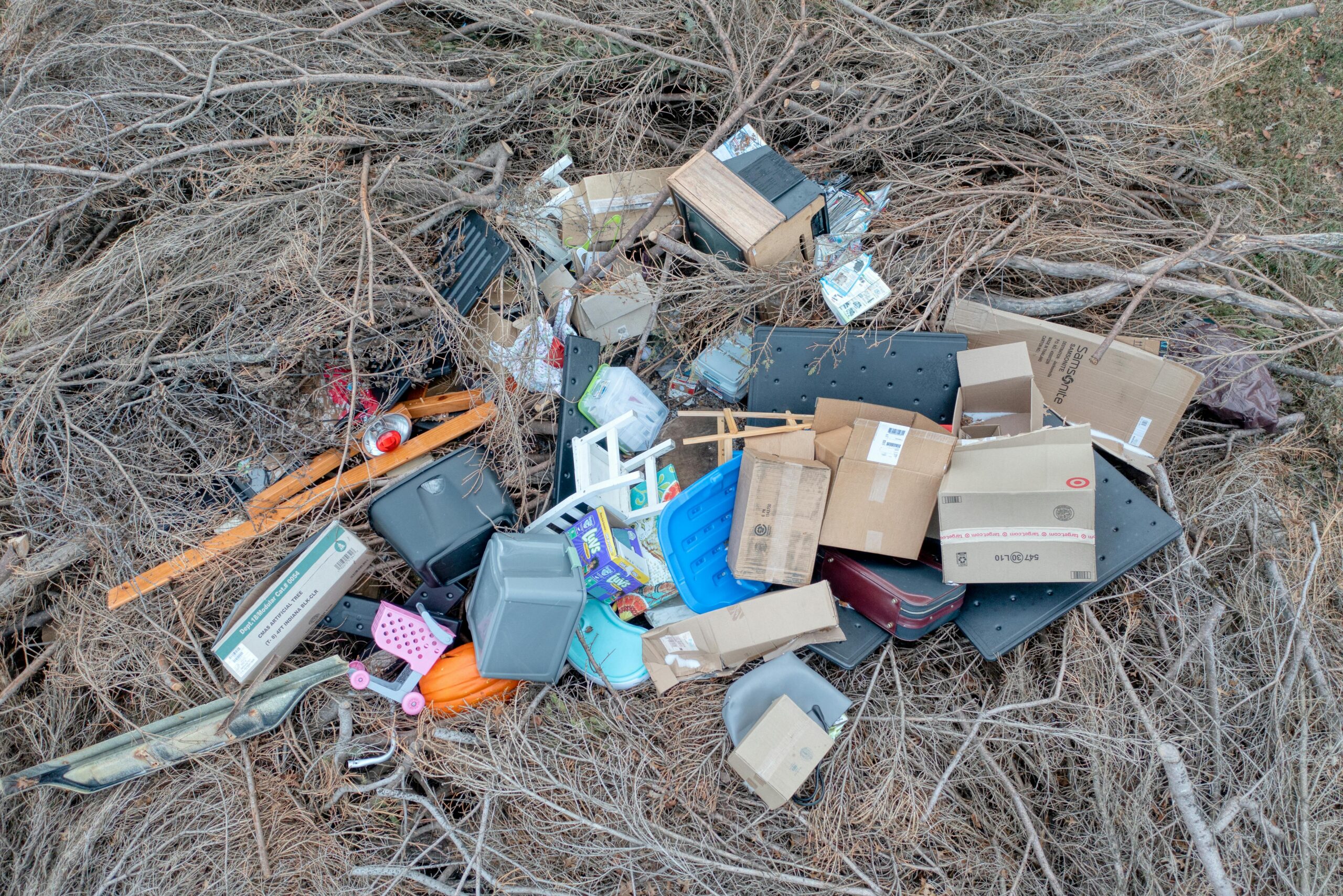
Fly-tipping refers to the illegal dumping of waste on land or water. It can include anything from a single bag of rubbish to van loads of construction waste.
Common examples of fly-tipping in the UK include:
- Black bags
- Old furniture
- Mattresses
- Fridges and appliances
- Garden waste
- Construction waste
- Tyres
- Clinical or hazardous waste
- Commercial waste
If the waste is left somewhere it shouldn’t be left, without permission or a legal disposal route, it’s likely a case of fly-tipping.
Who should you report fly-tipping to?
What information should you include in a fly-tipping report?
Try to be as descriptive as possible in order to give the relevant authority the best chance of apprehending the guilty party.
Include information such as:
- Exact location
- Date and time spotted
- Type of waste
- Approximate amount
- Photos, if safe
- Vehicle registration, make, model and colour, if seen
- Description of people involved, only if safe
- Whether the waste looks hazardous
- Whether it is blocking access, footpaths, roads or drains
- Whether the incident is on public or private land
Caution: Do not open bags, search through waste or put yourself at risk to collect evidence.
Report public land fly-tipping to your local council
If the dumping occurs on a roadside, pavement, footpath, in a park, alley, car park or any council-owned land, then your local council is the port of call. Residents in England, Scotland and Wales can search their postcode through GOV.UK. Most councils operate online reporting forms.
Report large-scale or hazardous waste dumping to the Environment Agency
If the waste consists of multiple lorry loads or hazardous waste, it’s in a remote area, or you believe it may be linked to organised waste crime, the incident should be reported directly to the Environment Agency.
Call the police if the incident is happening now
Don’t hesitate to call the police:
- If someone is actively dumping waste
- If there is intimidation or threatening behaviour
- If there is immediate danger
- If a vehicle is blocking a road or creating a hazard
What happens after you report fly-tipping?
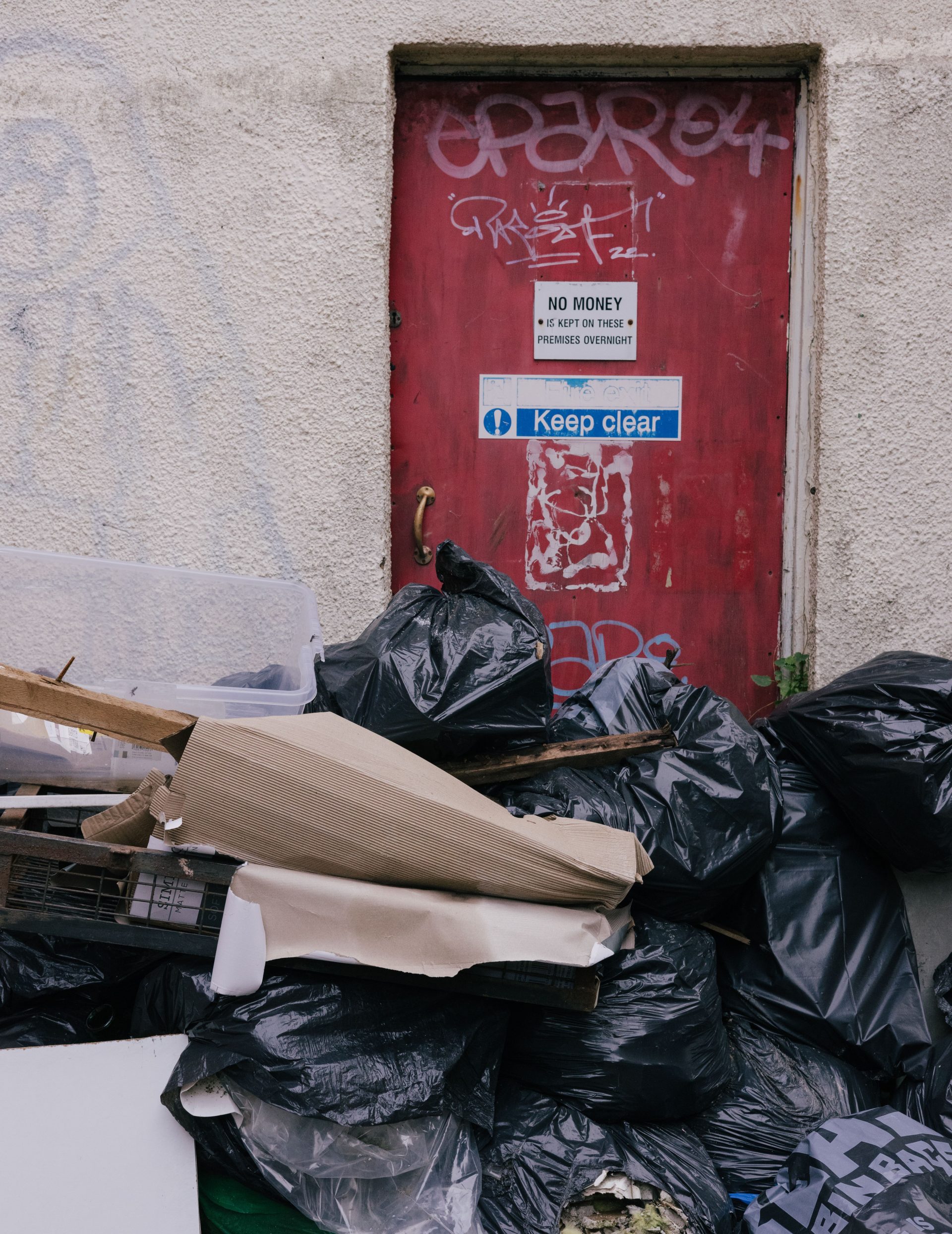
Reporting fly-tipping does not always mean it will be removed immediately, but it gives the council or Environment Agency the information they need to investigate and clear it through the right route.
After a report:
- Council may inspect the site.
- They may remove waste from public land.
- They may search for evidence.
- They may investigate vehicle details, CCTV or witness reports.
- If serious, it may be referred to the Environment Agency or police.
- Fly-tipping on private land may not be cleared for free by the council.
- Councils have powers to issue penalties and take enforcement action.
What if fly-tipping is on private land?
If waste is dumped on your business premises, yard, car park, farm or private land, reporting it is still important, but you may also need to arrange safe clearance through a licensed waste carrier.
Private land fly-tipping is often the responsibility of the landowner to clear. Still report it to the local council or Environment Agency, and don’t disturb the waste until evidence has been recorded to ensure it’s safe.
Councils may charge to remove fly-tipped waste from private land and business premises, so it’s wise to check your local guidance before committing to any action.
How businesses can prevent fly-tipping linked to their waste
All businesses have a Duty of Care for the waste they produce. This means you must take reasonable steps to ensure waste is handled legally.
Follow this checklist to ensure you’re operating within the requirements:
- Use a licensed waste carrier
- Check carrier registration
- Get a Waste Transfer Note
- Keep waste records
- Avoid cash-in-hand collectors
- Be wary of very cheap waste removal offers
- Store waste securely before collection
- Lock bins where appropriate
- Use CCTV or lighting in vulnerable areas
- Report suspicious dumping quickly
Your business can still be investigated if its waste is found fly-tipped, even if another person dumped it. That is why the waste carrier and paperwork matter.
Mark Hall, Waste Management Expert comments:

Contact us
Get a fast FREE quote for compliant waste collection
- Free quote within 1 hour
- All waste streams supported
- Free standard containers
- Nationwide UK coverage

Have your waste collected
Get a fast FREE quote for your waste collection 0800 211 83 90
- Free quote within 1 hr
- Any type of waste
- FREE bins and delivery
- We cover all of the UK