
£80m Of Packed Lunch Food Could Be Wasted Every Year
As pupils return to classrooms, our latest research estimates that 12,400 tonnes of packed lunch food could go uneaten every school year. This translates to a potential cost of £79.9 million across the UK.
The issue is not as simple as blaming parents, pupils or schools. Packed lunches can be hard to get right every day, and small amounts of uneaten food can quickly add up when they are repeated across a full school year.
Note: calculations are based on packed lunches, not total school food waste.
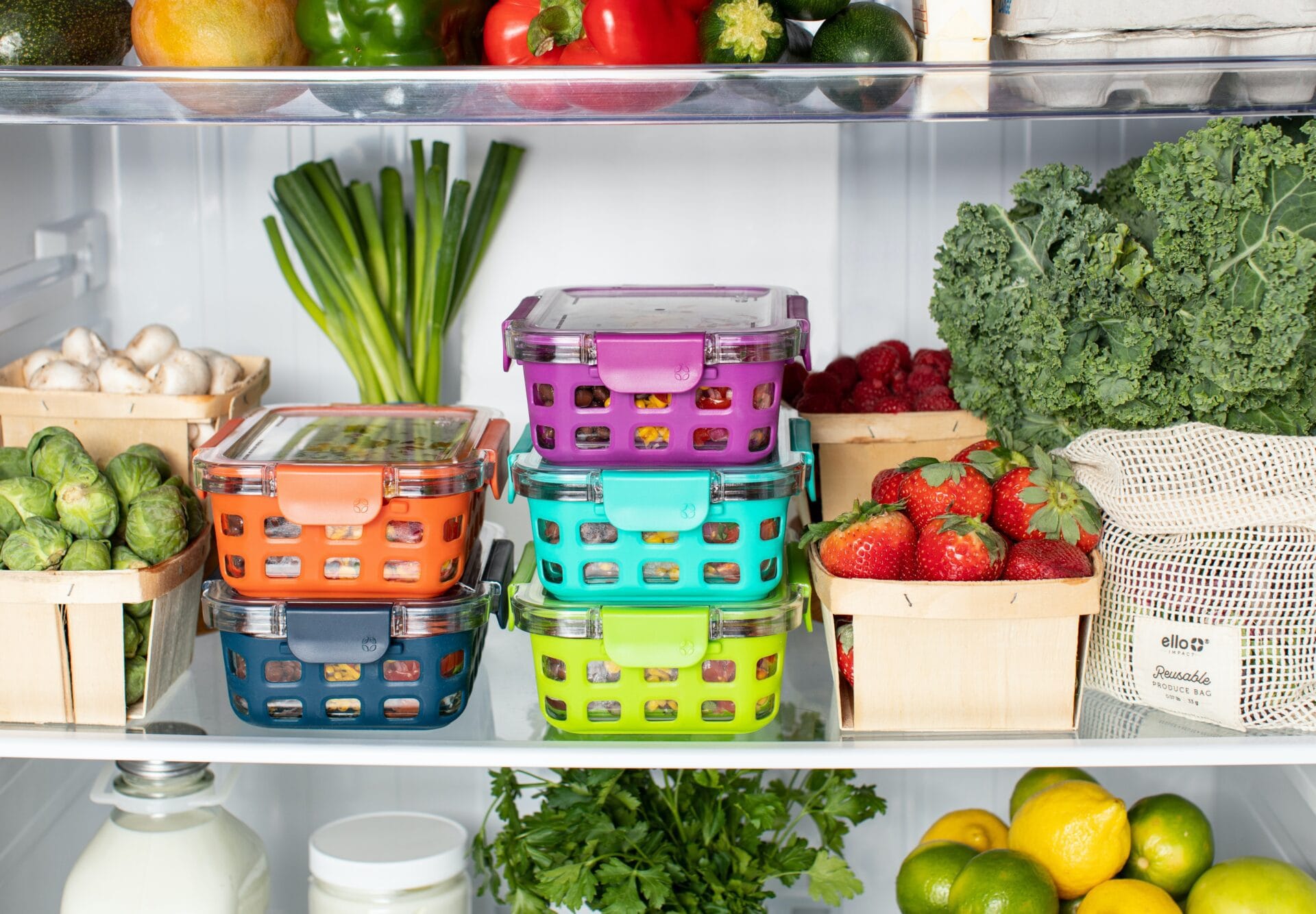
How much packed lunch food could be wasted?
- 12,400 tonnes of packed lunch food could go uneaten each school year.
- This could be worth £79.9 million across the UK.
- The average packed lunch child could waste 16.5kg of food each school year.
- This could cost parents around £106 per child per year.
- The estimate is based on around 756,000 children bringing packed lunches.
- The calculation uses an average packed lunch weight of 265g, a cost of £1.70 per day, and a study
- finding that 32.7% of packed lunch food can be left uneaten.
How was the packed lunch food waste estimate calculated?
There are approximately 9.59 million state school pupils across the UK. 2.72 million of these pupils receive or are eligible for a free school meal. This leaves 6.87 million pupils whose parents or guardians are left to decide how their child is fed during the school day. A survey by PubMed found that 11% of parents prefer to prepare a packed lunch for their child. When broadened, this data suggests around 756,000 children bring packed lunches to school.
A 265g packed lunch multiplied by 190 school days produces around 38,100 tonnes of packed lunch food per school year. If 32.7% of food is uneaten on average (PubMed), 12,400 tonnes of packed lunch food will go to waste.
What does 12,400 tonnes of food waste look like?
A figure so large is hard to comprehend. 12,400 tonnes is equivalent to roughly 1,000 double-decker buses worth of food.
Items such as:
- Half-eaten sandwiches
- Untouched fruit
- Unopened yoghurt
- Warm cheese
- Squashed snacks
- Food that has gone soggy by lunchtime
Are all common culprits of packed lunch waste. On its own, one uneaten sandwich or banana does not look like much. Scaled across the school year, the small leftovers in lunchboxes can become a major waste issue.
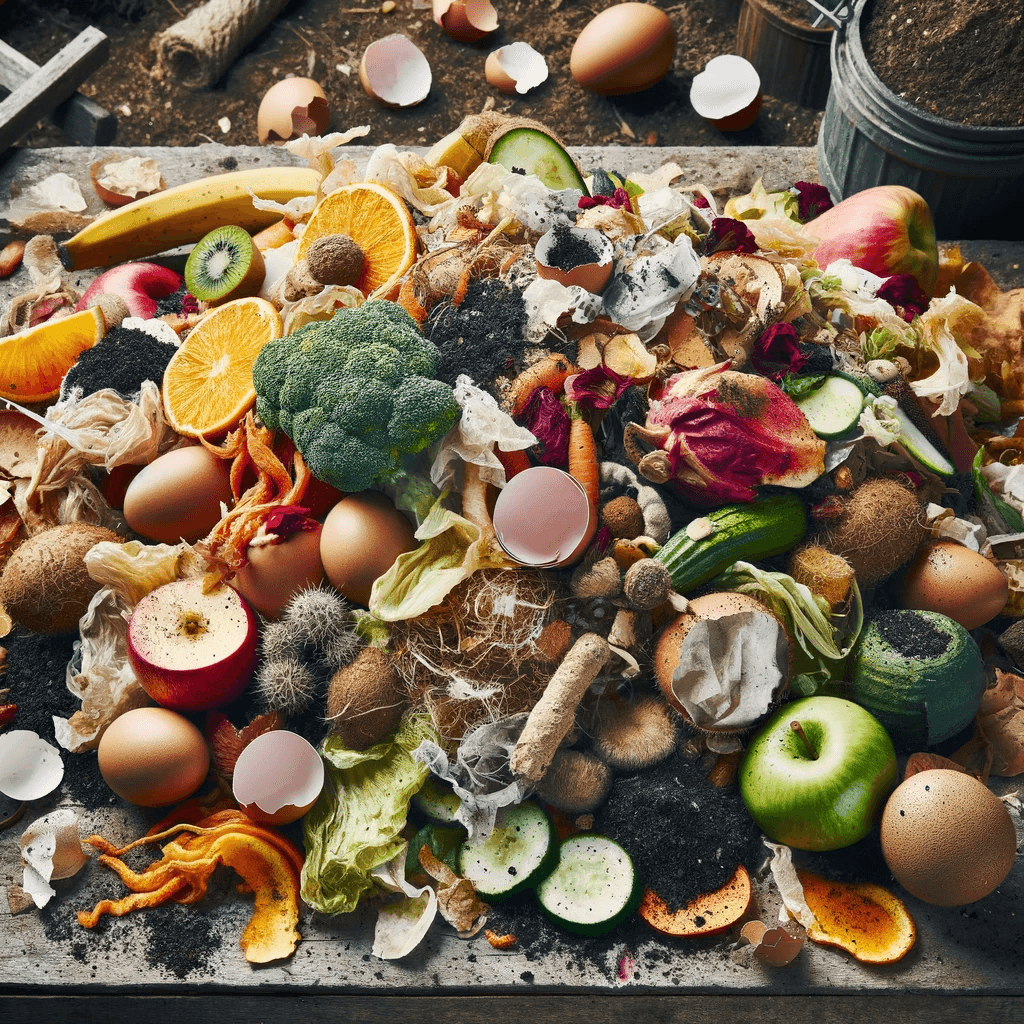
Why does packed lunch waste occur?
Neither parents nor children should hold sole responsibility. Many factors can result in food waste from packed lunches. For instance:
- Children may have limited time to eat.
- Break times are social, so playing with friends can take priority.
- Food may become warm, soggy or dry by lunchtime.
- Portions may be too large.
- Packaging or containers may be difficult to open.
- Children may not like the food packed that day.
- Schools may have limited time or space for lunch.
- Appetite varies day to day.
What schools can do about lunch waste
Schools are tasked with managing the waste produced by packed lunches, school meals, staff rooms, classrooms, events and kitchens.
Lunch waste often includes:
- Food waste
- Cardboard and paper packaging
- Plastic wrappers
- Drink cartons
- Yoghurt pots
- Foil
- Napkins
- General waste
Staff might consider the following steps to reduce waste at lunchtime:
- Monitoring what is left after lunch
- Giving pupils enough time to eat
- Using clear food waste and recycling bins
- Separating food waste from packaging
- Placing bins where pupils leave the dining area
- Using simple signs with pictures
- Reviewing canteen portion sizes and menu feedback
- Working with parents on packed lunch guidance
For schools, the priority is making sure food waste does not disappear into general waste.
Food waste collection for schools
Under Simpler Recycling, businesses in England must separate dry recyclable waste, food waste and non-recyclable waste from each other prior to collection. Collected food waste is then sent for appropriate treatment such as anaerobic digestion or composting, depending on the provider and local facilities.
Anaerobic digestion can produce biogas and digestate, while composting turns suitable organic waste into compost or soil improver. Both methods are a positive outcome compared to sending food waste to landfill.
We provide free food waste bins and recycling containers for schools in the UK. Our service ensures your waste is collected by registered waste carriers on a suitable schedule that matches your lunch and canteen volumes.

Contact us
Get a fast FREE quote for school waste management
- Free quote within 1 hour
- All school waste handled
- FREE containers
- Nationwide UK coverage
Methodology
- Business Waste used UK state school pupil numbers supplied in the research.
- The estimate starts with 9,592,534 state school pupils across the UK.
- An estimated 2,719,499 pupils receive or are eligible for a free school meal.
- This leaves 6,873,035 pupils whose parents may decide how to provide food during the school day.
- A survey finding that 11% of parents prefer to prepare a packed lunch was applied to this group.
- This gives an estimated 756,000 children bringing packed lunches.
- The calculation uses an average packed lunch weight of 265g.
- The model assumes 190 school days per year.
- This gives around 38,100 tonnes of packed lunch food per school year.
- A published packed lunch plate-waste study found 32.7% of solid food was left uneaten. This was applied as a modelling input.
- This gives around 12,400 tonnes of uneaten packed lunch food per school year.
- The cost estimate uses an average packed lunch cost of £1.70 per day.
- This gives an estimated £79.9 million of uneaten packed lunch food per school year.
- Figures are estimates and should not be treated as direct measurements of every UK packed lunch.
- Actual waste may vary by school, age, lunch type, appetite, menu, packed lunch contents and whether families use packed lunches every day or only sometimes.

Have your waste collected
Get a fast FREE quote for your waste collection 0800 211 83 90
- Free quote within 1 hr
- Any type of waste
- FREE bins and delivery
- We cover all of the UK