
HDPE Recycling
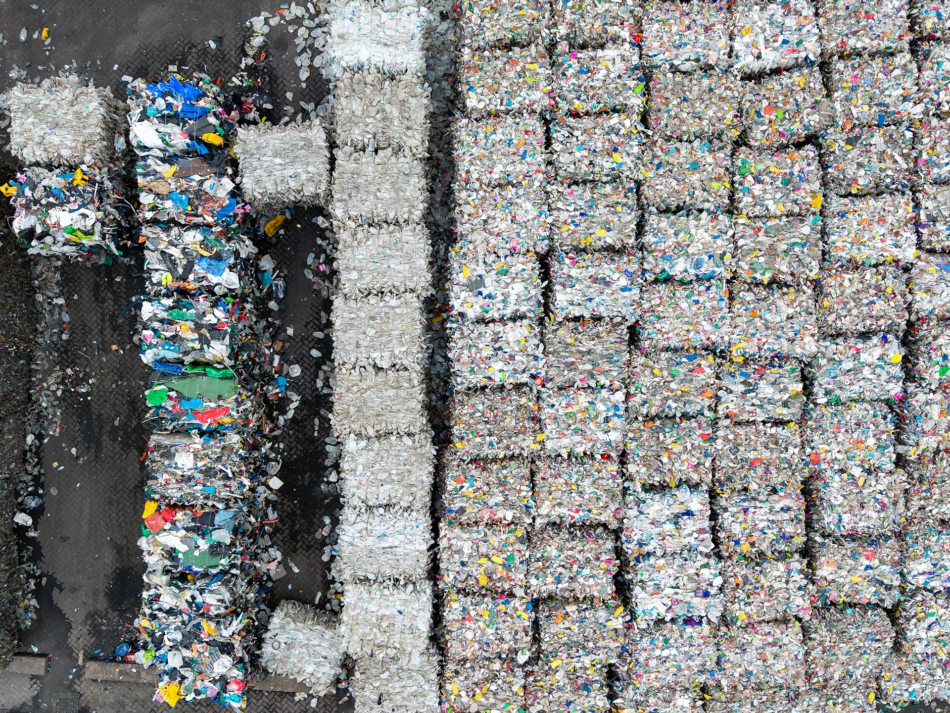
Business Waste arranges commercial High-density polyethene (HDPE) recycling and waste collection for businesses across the UK. We can collect clean HDPE bottles, containers, pipes, crates, offcuts and other suitable plastic marked with resin identification code 2.
We provide suitable bins, arrange scheduled or one-off collections through licensed waste carriers and supply the required Duty of Care paperwork. Tell us what HDPE your business produces, how much you have and how often it needs collecting, and we’ll confirm the right collection setup.


Get a free quote
Get a fast FREE quote for HDPE recycling
- Free quote within 1 hour
- HDPE waste assessed
- FREE bins and delivery
- We cover all of the UK
What HDPE waste can we collect?
We can arrange collections for many suitable HDPE plastics, such as:
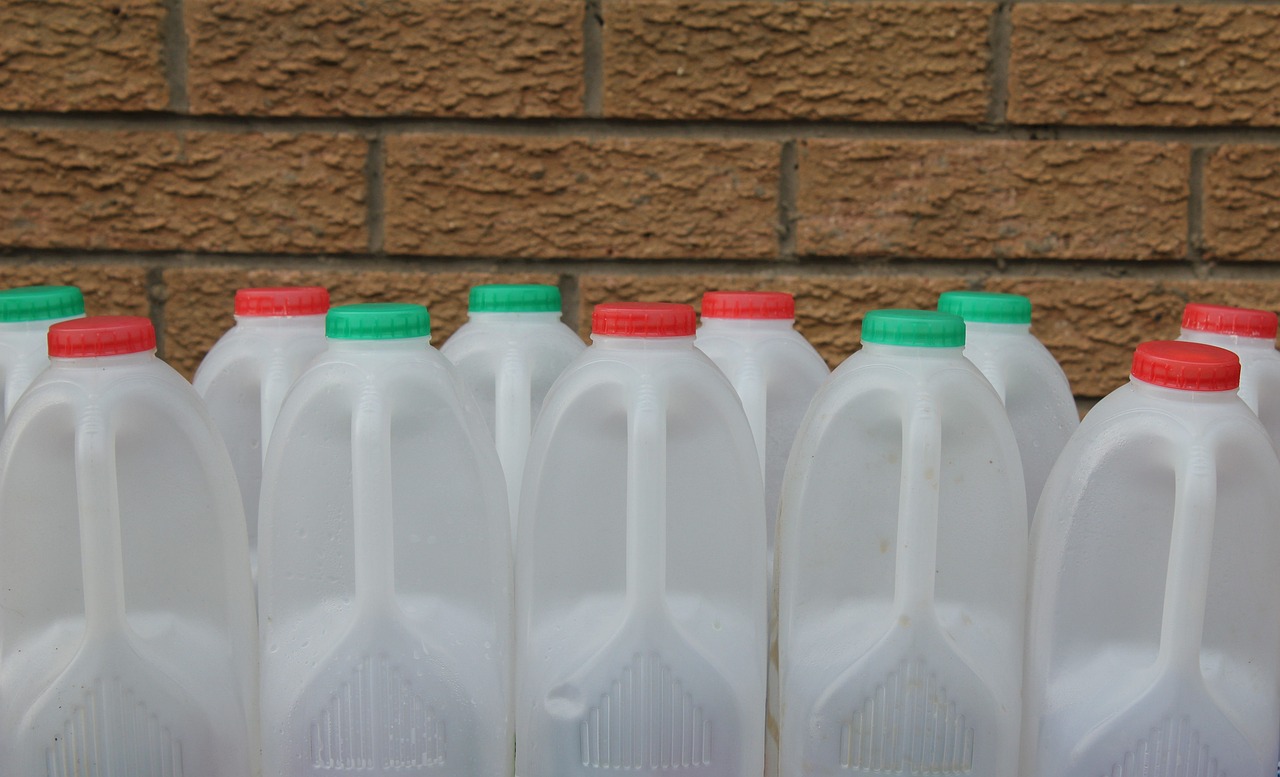
- Milk and drinks bottles
- Shampoo and cleaning-product bottles
- Detergent containers
- Food-grade containers and trays
- Plastic crates and boxes
- HDPE pipes and pipe fittings
- Manufacturing offcuts and sheets
- Suitable drums and containers
- Damaged or redundant HDPE bins
- Other clean HDPE marked with plastic code 2
Usually, HDPE should be empty and free from contaminants to qualify for collection. Any containers that previously held hazardous substances may require a separate collection route.
How commercial HDPE recycling works
-
Tell us what HDPE you produce
Let us know the type, approximate volume, site location and how often you need a collection.
-
Receive suitable containers
We provide bins based on the amount and type of plastic you produce, with no rental or delivery fees on standard collection bins.
-
Keep the plastic clean and separate
Store accepted HDPE away from food, liquids, general waste and hazardous materials.
-
Arrange collection
Licensed waste carriers collect your plastic on the agreed schedule and transfer it to an appropriate recycling facility.
-
Receive your paperwork
Business Waste supplies the relevant Duty of Care and collection records for your business.
What is HDPE?
High-density polyethene (HDPE or PEHD) is a light yet tough, hard-wearing thermoplastic with high tensile strength. This high tensile strength differs from low-density polyethene (LDPE), and HDPE is resistant to impact. It can also withstand exposure to temperatures of up to 120°C without being affected.
HDPE has recycling code 2. The plastic is opaque or translucent, and it doesn’t absorb liquid readily, which makes it ideal for all sorts of bottles. HDPE is also resistant to many chemicals, acids, and alcohol, so it’s a common choice for detergent bottles and containers used in healthcare facilities and laboratories.
Thanks to its strength, lightweight, and flexible characteristics, many products are made of HDPE, including:
- Milk bottles
- Shampoo and detergent bottles
- Plastic carrier bags
- Food containers
- Pipes and pipe fittings
- Plastic trays
- IBC containers and wheelie bins
Is HDPE recyclable?
Yes. HDPE 2 is recyclable and is widely used for products such as milk bottles, cleaning-product containers, pipes and crates. Clean HDPE can be sorted and reprocessed into new plastic products.
Not every item marked with code 2 will necessarily be accepted in the same recycling stream. Businesses should check the collection requirements for the specific HDPE waste they produce.
We’ll confirm the suitable bin and recycling route when arranging a commercial plastic collection.
How is HDPE plastic recycled?
HDPE recycling processes can vary depending on the products and machinery used. For example, HDPE film and plastic bags are recycled separately from bottles and thicker products as they may get caught in the teeth of some recycling machinery.
After your HDPE waste is collected and transported to a recycling centre, the general process to recycle HDPE involves:
- Sorting – clean and contaminated HDPE products are sorted, while all other plastic types and any other materials are removed for processing elsewhere.
- Cleaning – the HDPE is then rigorously cleaned to remove any contaminants and ensure the material quality is at a high level.
- Separating – further sorting ensures no other polymers are present. HDPE has a lower density than PET plastic but is similar to PP plastic. Optical sorting technology can help identify and separate different plastic polymers.
- Shredding and melting – the HDPE is then shredded and melted down to refine the polymer. It’s then cooled and formed into pellets.
- Creating new products – these pellets are used in manufacturing processes to create new HDPE products. Often they’re combined with some virgin HDPE pellets to form fresh pipes, crates, sheeting, film, and non-food bottles.
Why is recycling HDPE important?
Recycling HDPE keeps a useful plastic in circulation and reduces the need to manufacture as much new material. Recycled HDPE can be used for items such as pipes, crates, containers and plastic products.
For businesses, separating HDPE can also keep recyclable plastic out of general waste and may reduce disposal costs. High-volume clean plastic may also be worth assessing for a plastic recycling rebate.
How to dispose of HDPE
To dispose of HDPE plastic waste responsibly from your business it must be removed from your premises by licensed waste carriers. The easiest way to do this is to arrange commercial waste collection with Business Waste. We deliver free bins to store your HDPE waste before removing and recycling your plastic waste. To dispose of commercial HDPE plastic:
- Start with a free no obligation quote for plastic waste collection and recycling. This will be tailored to your needs, such as where your business is, how much HDPE plastic you need collecting, and how often. Our experts can advise on the best solution if you need a hand.
- Arrange delivery of free plastic bins to store your HDPE waste. You can fill each one within any max fill lines or weight limits with all types of plastic waste. A wide range of wheelie bins from 120 to 1100 litres are available – you only pay for collection.
- Place the full plastic waste bins at the agreed pickup point ahead of the collection time. Licensed waste carriers will come and remove the bins and replace them if you’ve arranged regular plastic waste collection.
- They’ll transport your HDPE plastic waste to a nearby waste management centre. Here it’s checked, sorted, and separated from other waste types. The HDPE plastic is then recycled and turned into new plastic products.
- Receive a free duty of care certificate confirming your HDPE plastic waste was removed and disposed of responsibly, legally, and in an eco-friendly way – for added peace of mind.
To dispose of HDPE plastic products at home you can normally throw them away in your household recycling bin. Check if your local authority accepts HDPE 2 plastic in your domestic recycling bin first. If it does, ensure all items are clean and dry to remove contaminants before putting them in your bin.
If you’ve got high volumes of HDPE or large items you might be able to take them to your local HWRC for recycling. Most HWRCs accept HDPE for recycling in their large plastic waste containers. Alternatively, contact Business Waste for a free quote for plastic waste collection.

Which businesses produce HDPE waste?
Any business that uses HDPE materials should recycle them. Most organisations create some level of HDPE waste, from empty milk bottles in the office kitchen for the countless cups of tea and coffee to old pipes on construction sites.
Some of the main industries that should recycle HDPE include:
- Retail: plastic carrier bags, containers, and packaging
- Hospitality: used plastic food containers, bottles, and bags
- Offices: empty plastic milk bottles and cleaning-product bottles
- Construction: pipes, pallets, containers, and fittings
Arrange HDPE plastic waste collection
Book collection of HDPE and other plastic waste on a daily, weekly, or fortnightly basis. We can also arrange a one-off removal. Get a free, no-obligation quote based on the number and size of plastic bins you need, how often you want them collected, and where your business is, anywhere in the UK.
We provide free bins to store HDPE waste; you just pay for collection. It’s separated and recycled responsibly at a suitable recycling centre. Licensed waste carriers remove your bins, and you’ll receive Duty of Care paperwork with all plastic waste diverted away from landfill.
Speak to our friendly team if you have any questions or want some advice about HDPE recycling at your business.
Read Our Customer Reviews
Efficient communication
We have worked alongside Business Waste for quite a few months now, and their efficiency with communication and resolving queries is great. Allie especially is a pleasure to liaise with. Great company from a B2B perspective
Flo Bolton-Smith
The real definition of service
The service received was simply outstanding. Business Waste gave good advice and a demonstration of a willingness to help and get me a solution.
Gregory Harrand
Great company
Great company to deal with, special thanks to Danielle who is always on the ball and sort any issues out instantly with proactive involvement with follow up phone calls and emails. I would recommend her to be the next PM to get things done, oh and as a company to deal with all the waste needs for your business.
Top Deals Online
Excellent service set up process
I was impressed by the speed of setting up the service. I made a single phone call to Business Waste and all the necessary paperwork was done efficiently.
Yahya Saeed
HDPE recycling FAQs
-
 How is HDPE made?
HDPE is made by cracking – applying intense heat to petroleum to produce ethylene gas. The ethylene molecules are polymerised (combined and attached) to form chains of polyethylene. They combine in a high-density arrangement to form a viscous resin or sludge. This is then moulded into the desired HDPE product.
-
Can I put HDPE plastic in my recycling bin?
You can put HDPE plastic waste in most household recycling bins as it’s widely collected by local councils. HDPE is recyclable and commonly used but check with your local authority whether it’s allowed in domestic recycling bins first. If not, you might be able to recycle HDPE at your nearest HWRC.
-
What is the recycling rate for HDPE in the UK?
There’s no single recycling rate for HDPE in the UK as it’s used for a variety of products. The recycling rates for some HDPE products in the UK are:
- 74% of HDPE plastic bottles are recycled
- 12% of HDPE plastic bags are recycled
- 75% of HDPE containers and tubs are recycled
-
How long does it take for HDPE plastic to decompose?
It can take hundreds of years for HDPE plastic to decompose. The time for HDPE plastic to break down depends on the product. For example, a HDPE supermarket bag may decompose in at least 20 years, while plastic bottles can take up to 250 years and HDPE pipes might decompose in more than 1,000 years.
Recycling all HDPE products is essential to avoid them rotting in landfill for hundreds of years.
-
What temperature does HDPE plastic melt at?
HDPE plastic melts at a temperature between 120 and 130°C. The plastic isn’t as hard as polypropylene (PP), which has a much higher melting point. The temperature to melt HDPE plastic can also vary depending on the type, size, and thickness of the product.
-
How many times can HDPE be recycled?
HDPE plastic can be recycled up to 10 times before its quality is compromised. Most recycled HDPE is combined with virgin pellets to maintain the high quality of plastic. HDPE is always checked at the recycling centre to ensure its quality before processing, so it’s worth always recycling any HDPE waste.

Get a fast and free quote
Get a fast FREE quote for plastic waste collection
- Free quote within 1 hour
- HDPE waste assessed
- FREE bins and delivery
- We cover all of the UK
Published 20th June 2023 by Mark Hall. Last modified 23rd September 2026