
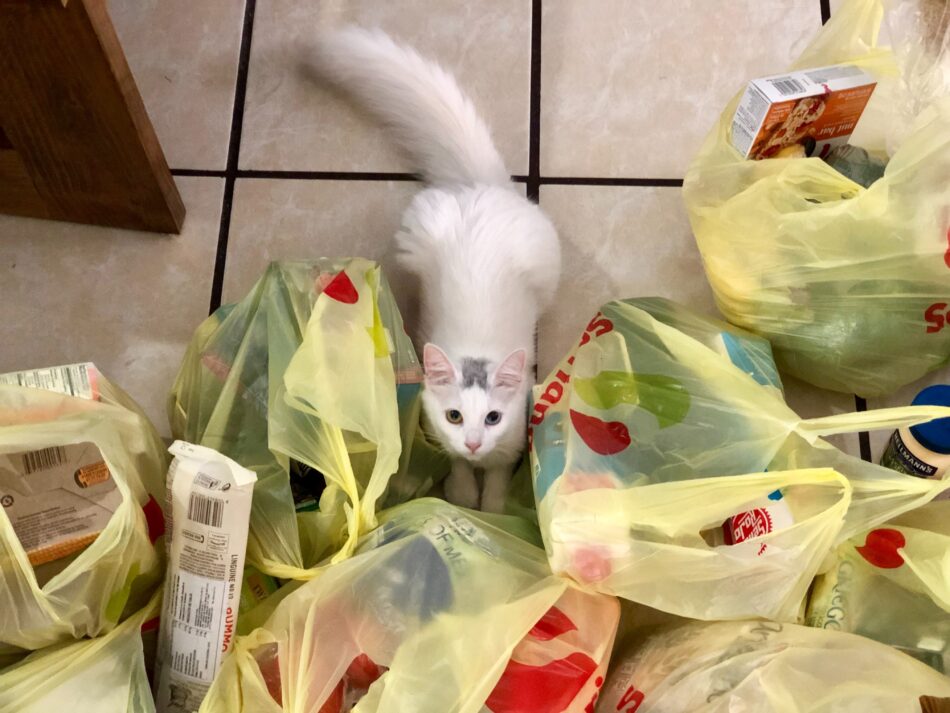
Plastic Bag Recycling and Disposal
Business Waste arranges plastic bag recycling for retailers, warehouses, manufacturers and other businesses producing suitable polyethene bag waste. This can include used carrier bags, clean polythene bags and other agreed commercial bag streams.
Tell us what bags your business produces, approximate volumes and whether you know the plastic type. We’ll confirm whether the material can be recycled, how to store it, and the most suitable collection setup.
We can arrange one-off or scheduled collections depending on your volumes and location, with containers or baling options available for businesses producing larger amounts.

Get a plastic bag recycling quote
Get a fast FREE quote for your plastic bag waste
- Free quote within 1 hour
- Plastic bag waste assessed
- One-off or scheduled collections
- Collections across the UK
How plastic bag recycling works
-
Tell us what plastic bags you produce
Tell us what bag type you have, how many need collecting and whether they are clean or contaminated with other waste.
-
Confirm the collection setup
We’ll check whether the bags are suitable for recycling and whether they need to remain separate from other plastic waste.
-
Store bags clean and dry
Empty bags before storage and keep them away from food, liquids, general waste and other contaminants.
-
Arrange collection
We arrange collection through registered waste carriers and transfer to an appropriate plastic-film recycling route.
What plastic bags can businesses recycle?
We collect all forms of plastic bags for recycling. This includes:
- Plastic carrier bags
- Bags for life when suitable for the recycling route
- Clean polythene bags
- Retail packaging bags
- Clear product bags
- Garment bags
- Suitable delivery/packaging bags
- Clean LDPE bags
- Suitable HDPE bags
Printed, coloured or labelled bags may still be recyclable depending on their material and the processor’s specification. Tell us what your bags are made from, where this information is available.
Compostable or biodegradable bags should not automatically be mixed with polyethylene bag recycling. Their disposal route depends on the material and whether an appropriate specialist treatment service is available.
Which businesses produce plastic bag waste?
- Retail: carrier bags, bags for life, garment bags and packaging from stock deliveries.
- Manufacturing: clean polythene sacks, packaging bags and suitable production bag waste.
- E-commerce and fulfilment: product packaging bags and suitable plastic mailing/packing bags.
- Hospitality and food businesses: clean supply/packaging bags where they have not been contaminated with food.
When should businesses bale plastic bags?
Businesses producing regular volumes of clean, consistent plastic bags may benefit from baling them before collection. A baler compresses lightweight plastic into dense bales, reducing storage space and making larger quantities easier to handle and transport.
Baling works best where materials are kept clean and separated by plastic type.
Businesses producing regular volumes of clean, separated plastic bags or film may also qualify for a plastic recycling rebate. Eligibility depends on material type, quality, weight and current market conditions.
How are plastic bags recycled?
Suitable plastic bags are sent to a specialist plastic-film recycling route. The material can be sorted by plastic type, cleaned where required and processed into flakes, granules or pellets that can be used as feedstock for new plastic products.
The exact process depends on the polymer, colour, contamination and specification of the receiving facility.
Read Our Customer Reviews
Efficient communication
We have worked alongside Business Waste for quite a few months now, and their efficiency with communication and resolving queries is great. Allie especially is a pleasure to liaise with. Great company from a B2B perspective
Flo Bolton-Smith
The real definition of service
The service received was simply outstanding. Business Waste gave good advice and a demonstration of a willingness to help and get me a solution.
Gregory Harrand
Great company
Great company to deal with, special thanks to Danielle who is always on the ball and sort any issues out instantly with proactive involvement with follow up phone calls and emails. I would recommend her to be the next PM to get things done, oh and as a company to deal with all the waste needs for your business.
Top Deals Online
Excellent service set up process
I was impressed by the speed of setting up the service. I made a single phone call to Business Waste and all the necessary paperwork was done efficiently.
Yahya Saeed
Plastic bag recycling FAQs
-
 Who invented plastic bags?
Swedish engineer Sten Gustaf Thulin first invented plastic bags with the Swedish firm Celloplast patenting the one-piece polyethylene shopping bag in 1965. Funnily enough, plastic bags were invented to save the planet. This was because they offered an alternative to the paper bags used at the time, amid fears that too many would result in forests being cut down.
-
What are plastic bags made of? And how are plastic bags made?
Today, plastic bags are commonly made from polyethylene. This manmade material consists of ethylene monomers in long chains, developed from natural gas and petroleum.
Plastic bags are made through a complex scientific process called blown film extrusion. The pellets of polyethylene are melted down and liquified in an industrial warehouse. Then they’re blown into a very thin material, which is manufactured into the bags we recognise.
-
Can you recycle plastic bags?
Yes, plastic bag recycling in the UK is possible. However, it depends on the type of plastic that the bag is made of. In most cases, you can recycle plastic bags made of HDPE or LDPE in your domestic recycling bin – though it’s best to check with your local council or authority first.
For other types of plastic bags, you may need to take them to a nearby household recycling centre or supermarket with specific plastic bag waste bins. Businesses need to arrange commercial waste collection to recycle any plastic bag waste they generate.
-
How do you dispose of plastic bags?
Check what your local council accepts in kerbside recycling – as you might be able to easily dispose of plastic bags in your household recycling bins. However, bin contamination with non-recyclable materials could mean the entire load is sent to landfill. Putting plastic bags in general waste bins will also add to landfill.
In some cases, you can also recycle plastic bags at your local supermarket. There are collection points at Tesco, Sainsbury’s, The Co-Operative, Asda, Morrisons, and Waitrose in many towns and cities, where you can return your carrier bags. You can find these usually by the main entrance.
Ask your local council if there’s a recycling programme that may even provide a free collection service. Otherwise, visit your nearby household recycling centre where there may be banks specifically for plastic bags.
-
What are the problems with plastic bag waste?
Even if you put your plastic bag securely in your household waste bin, they’re designed to be so lightweight that millions escape every year and wreak havoc. They clog drains, cause litter pileups, and endanger wildlife who can suffocate or choke on them.
Plastic bags that end up in landfill can take around 300 years to degrade. As they break down over this time, they release toxic particles due to the plastic they’re made from. These can leach into the oil and nearby water, contaminating water sources used by animals, which can affect the food chain higher up too.
-
Are there alternatives to plastic bags?
The easiest alternative to plastic bags is reusable bags. Most major retailers sell these for a small charge, or you can even reuse your current plastic bags that may last for years. If you purchase a reusable bag, some retailers will even replace it for free once it reaches the end of its life or becomes badly damaged.
Since the introduction of the 5p charge in 2015 – and the increase to a minimum 10p charge in 2021 – sales of plastic bags are down by an incredible 90%. This has made a huge difference already. However, the UK is still guilty of using more than one billion plastic bags every year.
-
What are some facts about plastic bags?
A few facts about plastic bags are that:
- Between 2018 and 2019, around 1 billion single-use plastic bags were sold in the UK – according to government figures.
- Almost five trillion plastic bags are made each year worldwide.
- An average UK family can use up to 15 plastic bags in one shopping trip.
- 20% of Brits accidentally put plastic bags in their recycling bins when they can’t be recycled.
-
Where can you take plastic bags to recycle or dispose of them for free?
You can recycle your plastic bags for free by taking them back to your local supermarket and returning them to a collection point. These bags will then be reused or recycled by the supermarket. Alternatively, you can check your local council’s website and enquire about a collection programme for plastic bags.

Learn about more waste types
Find out more about other rubbish streams.
Get a fast and free quote
Get a fast FREE quote for your plastic bag waste
- Free quote within 1 hour
- Plastic bag waste assessed
- One-off or scheduled collections
- Collections across the UK
Published 19th April 2022 by Mark Hall. Last modified 25th September 2026