
Foam Recycling
Foam waste comes in very different forms, from lightweight polystyrene packaging to polyurethane offcuts, insulation boards and damaged foam products. The right collection route depends on what the foam is made from, whether it is clean and whether it is attached to other materials.
We arrange commercial foam recycling and waste collection across the UK. We can assess polyurethane foam, expanded and extruded polystyrene, packaging foam, insulation and other suitable materials. We’ll then confirm the correct containers, a collection schedule that suits you and an available recycling or recovery route.
 Collections made in the last 7 days

Get your foam waste collected
Get a fast FREE quote for foam waste removal
- Free quote within 1 hour
- Commercial foam waste assessed
- FREE bins and delivery
- Nationwide UK coverage
What foam waste can we collect?
We collect a host of different forms of foam waste, including:
- Polyurethane foam offcuts and padding
- Suitable memory foam
- Expanded polystyrene (EPS) packaging
- Extruded polystyrene (XPS) insulation
- Foam packaging and protective inserts
- Clean insulation boards and offcuts
- Suitable rigid foam products
- Manufacturing foam scrap
- Upholstery or padding material where accepted
The collection route depends on the foam type, contamination and whether it is part of a larger product. Whole mattresses, pressurised expanding-foam cans and foam contaminated with hazardous substances may need separate services.
How commercial foam
waste collection works
-
Tell us what foam you have
Identify the foam where possible and tell us the volume, location and whether it is loose material or part of a larger product.
-
Agree on the right container
We recommend suitable storage based on the foam type and volume. Bulky products may need a different collection setup from loose packaging or production offcuts.
-
Keep accepted foam separate
Store it away from general waste, food, liquids and other sources of contamination. Different foam types may need separate containers.
-
Arrange collection
A licensed waste carrier collects the material on the agreed schedule and transfers it to a suitable recycling, recovery or treatment facility.
-
Keep your records
We’ll provide the relevant Duty of Care paperwork and Waste Transfer Note for the collection.
What is
foam waste?
Foam waste is any product made completely or mostly from foam that’s used, damaged, or just no longer needed. Foam is a material made from low-density elastomers, plastics, and other materials, so it is classified as a type of plastic waste. It’s created as small bubbles form on or in liquid.
Your business may encounter foam waste through everything from using polystyrene cups in the kitchen to having offcuts of insulation from a construction project. There are many different types of foam, and each one is built from a different combination of materials. This means the appropriate way to dispose of waste foam can depend on its type.
Types of
foam
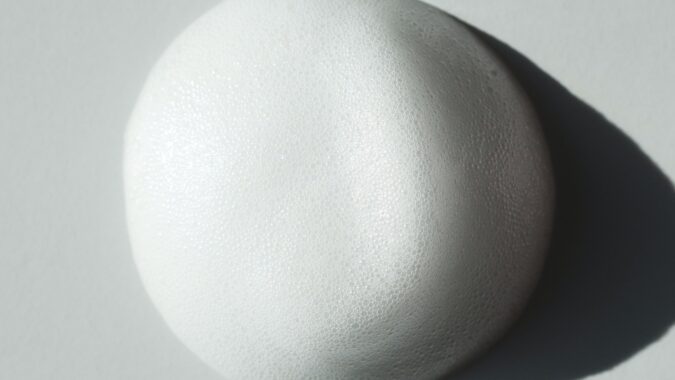
There are many different types of foam you may encounter when running your business. However, the most popular types of foam you might need to recycle include:
- Memory foam – Memory foam is mainly used in the construction of mattresses, pillows, and padding. As a result, most memory foam waste accumulates within the hospitality industry.
- Polystyrene foam – Polystyrene comes in two forms. Rigid polystyrene is used for products such as CD and DVD cases, while foamed/expanded polystyrene is used to create packaging materials and products such as cups and takeaway containers.
- Styrofoam – Styrofoam™ is a DuPont brand of extruded polystyrene (XPS) insulation. It’s typically used within the construction industry for building and pipe insulation.
- Expanding foam – Expanding foam is made from polyurethane and is also often used within the construction industry or to carry out home repairs.
How is
foam recycled?
The recycling route depends on the polymer. Foam is first identified and separated by material type, as polyurethane and polystyrene cannot simply be treated as one waste stream.
Clean polyurethane foam may be shredded or reprocessed for use in products such as rebonded foam. Suitable EPS can be compacted or densified before being reprocessed into new polystyrene products. Some insulation materials require specialist routes or may not be recyclable through the same facilities.
Can polystyrene foam be recycled?
Yes, suitable expanded polystyrene (EPS) can be recycled if an appropriate collection and processing route is available. Because EPS is lightweight yet bulky, collection and compaction can be a challenge when making recycling practical.
Can polyurethane foam be recycled?
Polyurethane foam recycling depends on the material’s condition. Clean production offcuts and some flexible polyurethane foams may have traditional recycling routes, while foam attached to other materials or contaminated during use can be harder to process.
Memory foam is a type of polyurethane foam, but a whole mattress should not automatically be treated as loose foam waste. The mattress may need a separate bulky collection and dismantling route.
Which businesses
produce foam waste?
Many businesses use foam in their daily operations, often without realising. When such materials and products come to the end of their life, you need to recycle or reuse them where possible.
Some of the main businesses and industries that need foam waste disposal include:
- Care homes – used and damaged memory foam mattresses
- Construction – leftover expanding foam to fill gaps and pink foam insulation
- Hotels – memory foam mattresses at the end of life
- Takeaways – damaged and used takeaway containers and food packaging
- Manufacturers – polyurethane offcuts, cushioning and production scrap
How to dispose
of foam waste
As there are different types of foam, it’s important you know how to dispose of each one appropriately after use. Businesses’ waste management and disposal plans must align with government legislation. There are no specific regulations that cover the disposal of foam waste, but it does fall under the umbrella of other regulations – such as the Environmental Protection Act 1990.
This means you have a duty of care to ensure all waste you produce – including waste foam – is disposed of in a safe, legal, and environmentally friendly manner. At Business Waste, we can ensure that your waste disposal is carried out in accordance with all regulations – giving you great peace of mind.
Arrange delivery of free bins with Business Waste to fill with your foam waste. Then organise and pay for collection and we’ll transport them to a nearby recycling facility for sorting and disposal in an eco-friendly way – diverting as much as possible away from landfill. There’s no other preparation as it’ll be cleaned, sorted, and treated at the facility if needed.
Reusing damaged or unneeded foam items is another easy and green way to dispose of any waste foam your business produces. Donating old mattresses to charity is one way to get rid of them without harming the environment. There are various other alternative uses for scrap foam, such as:
- Reuse packing peanuts/Styrofoam to protect items during transit. For example, if you’re moving office or house, you can store fragile items such as cups, glasses, and plates inside Styrofoam to reduce the chances of them breaking.
- Add small scraps of Styrofoam to coolers instead of ice, helping to keep your food and drinks cold on a warm day.
- Use Styrofoam to create lightweight yet realistic-looking props for theatre productions and movies. Consider donating to your local theatre company.
- Create a composter for your home or workplace with used Styrofoam.
Arrange commercial foam
waste collection
Arrange collection of your foam waste with Business Waste, wherever your company is based in the UK, with our nationwide foam recycling services. Whatever type of foam you need to get rid of and however much, we’ll find a solution for you.
One of our experts will advise on the type, size, and number of bins you may need, and answer any other questions you may have about getting rid of your old or damaged foam types.
Foam recycling
FAQs
-
 Is foam recyclable?
It depends on the type of foam. There are different types of foam and many can be recycled into new materials and products when disposed of properly. However, you can’t simply put it in a recycling bin. Foam waste needs separating and sending to an appropriate recycling facility where it’s sorted and any recyclable foam will be processed.
This usually involves separating any recyclable elements – such as metals, plastics, and paper – for recycling individually. Then the foam elements may be shredded for use as packaging or other products.
-
What are the downsides of disposing of Styrofoam in landfill?
The main downside to disposing Styrofoam products in landfill is that they don’t easily biodegrade. It’s estimated Styrofoam can take anywhere between five and 1000 years to degrade naturally. During this time, they take up a great deal of finite space at landfill sites, which are already overcrowded.
As the Styrofoam breaks down, small pieces of the material could be caught by the wind. This may result in Styrofoam ending up in lakes or other bodies of water – further polluting the ocean.
-
What happens if you burn Styrofoam?
For a long time, businesses would incinerate certain items as a form of waste disposal. However, burning polystyrene and Styrofoam is incredibly dangerous. They release a variety of toxic chemicals such as carbon dioxide into the atmosphere. Carbon dioxide negatively impacts the planet, the earth’s atmosphere and even poses a threat to human health.
-
How can my business reduce foam waste?
Recycling foam is important, but the difficulty of recycling certain products means business owners should be on the lookout for ways to reduce the amount of foam waste they produce. You can try and reduce your foam waste by:
- Sourcing eco-friendly alternatives to foam products. For example, you could ditch Styrofoam cups and replace them with paper coffee cups.
- Donating or reselling foam waste products like memory foam mattresses, before trying to dispose of them.
- Ensuring every member of your team is aware of foam products that are recyclable, so they’re not accidentally thrown away alongside your general waste.
- Avoiding purchasing more products than you need by managing your stock carefully.
-
Is memory foam biodegradable?
In the UK alone, around 67,000 tonnes of mattresses are sent to a landfill each year. Many of these are made from memory foam or similar materials. While studies suggest they break down slightly over time due to long-term exposure to sunlight, they are not biodegradable.
As a result, they contribute heavily to the overcrowding of landfills and global warming. For this reason, you should either donate, sell, or recycle old memory foam mattresses to avoid it ending up in landfill.

Get a free foam waste collection quote
Get a fast FREE quote for foam waste collection
- Free quote within 1 hr
- Any type of waste foam
- FREE bins and delivery
- We cover all of the UK
Published 26th April 2022 by Mark Hall. Last modified 14th August 2026