

Agricultural Waste Management
Business Waste arranges agricultural waste management for farms and horticultural businesses across the UK. From feed packaging and cardboard to used machinery oils, we help you identify suitable collection options and containers for the materials your site produces.
Tell us what needs removing, how much you have and how vehicles can access your farm. We’ll confirm the available service and costs, with Waste Transfer Notes included at no additional charge for routine non-hazardous collections.
Chemical and liquid waste is assessed separately to establish suitable handling and paperwork.
 Collections last 7 days

Get your agricultural waste collection quote
- Collections for agreed farm waste streams
- Containers matched to your materials
- Services available across the UK
- No additional Waste Transfer Note charge
Waste collection services for farms
We help you arrange collections around the materials produced in your stores, workshops and working areas:
- Packaging and recycling: cardboard and accepted plastic packaging from deliveries and supplies.
- General waste: non-recyclable materials suitable for routine commercial collections.
- Waste oils and chemicals: assessment of the contents, quantities and suitable collection options.
- Containers and access: advice on the collection containers needed and how vehicles will reach them.
- Waste paperwork: documentation appropriate to the agreed waste classification.
How farm waste collection works
-
Identify the materials
Tell us what needs collecting, how it was produced and approximately how much you have.
-
Confirm storage and access
Share container details, photographs and any restrictions on vehicles entering or loading at your farm.
-
Agree the service
We’ll confirm accepted materials, collection arrangements, costs and any specialist packaging requirements.
-
Prepare for collection
Keep the agreed streams separate and follow the preparation instructions provided.
-
Retain the waste records
Keep the transfer or consignment documentation relevant to your collection.
Agricultural liquid waste management
Agricultural liquid waste management starts with identifying the liquid and how it was produced. Used machinery oil, chemical washings, sheep dip and slurry can need very different storage and treatment arrangements.
Tell us the liquid’s contents, volume, current storage and your location, as well as any access issues. We’ll check the collection options available and confirm whether further information or testing is needed before quoting.
Liquids on farms can include:
- Machinery oils and workshop liquids: describe the product, contamination and storage container.
- Chemical residues and washings: provide product names and safety data sheets where available.
- Used sheep dip: identify the product and the disposal arrangements required.
- Slurry, silage effluent and livestock washings: assess separately from chemical and oil waste.
Which agricultural waste streams need collecting?
Agricultural waste is any type of rubbish produced through agricultural activities such as farming. Natural agricultural waste products can include the likes of manure from animals, while farm plastic waste is also common and includes packaging and containers for storing chemicals used across the business.
- Packaging: cardboard, feed sacks, fertiliser bags and other accepted packaging.
- Farm plastics: silage wrap, crop covers and rigid plastics, subject to service availability and contamination requirements.
- Workshop waste: used oils, filters, batteries and maintenance chemicals.
- Chemical waste: unwanted pesticides, residues and contaminated containers.
- Veterinary waste: used sharps, unwanted medicines and contaminated materials requiring separate assessment.
- Routine workplace waste: suitable general waste and recycling from farm offices, staff facilities and stores.
Veterinary waste should be identified according to its contents and contamination, with sharps and medicines kept separate from routine farm waste.
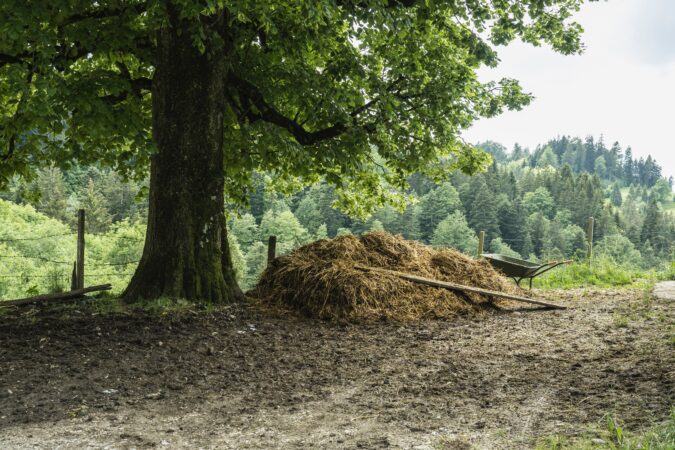
Containers for agricultural waste collections
The right container depends on the material, its condition and the collection method. Tell us what you currently use so we can confirm whether it is suitable or whether different packaging is needed.
-
Waste drums
For agreed liquids or solids where the drum material, closure and condition are suitable for the contents.

-
IBC containers
An option for certain compatible liquids, subject to assessment of the container and collection requirements.
-
Commercial wheelie bins
For agreed general waste or recycling streams. Oils, pesticides, sharps and unidentified chemicals require separate assessment.
Read Our Customer Reviews
Efficient communication
We have worked alongside Business Waste for quite a few months now, and their efficiency with communication and resolving queries is great. Allie especially is a pleasure to liaise with. Great company from a B2B perspective
Flo Bolton-Smith
The real definition of service
The service received was simply outstanding. Business Waste gave good advice and a demonstration of a willingness to help and get me a solution.
Gregory Harrand
Great company
Great company to deal with, special thanks to Danielle who is always on the ball and sort any issues out instantly with proactive involvement with follow up phone calls and emails. I would recommend her to be the next PM to get things done, oh and as a company to deal with all the waste needs for your business.
Top Deals Online
Excellent service set up process
I was impressed by the speed of setting up the service. I made a single phone call to Business Waste and all the necessary paperwork was done efficiently.
Yahya Saeed
How agricultural waste is treated
Treatment depends on the material and any contamination. Accepted packaging may be recycled, while oils, chemicals and other specialist wastes need an appropriate authorised route. We’ll confirm the arrangements for the materials included in your collection.
Hazardous agricultural waste must be assessed and sent to a facility authorised to accept and treat it. Keep different farm plastics separate and tell us about soil, feed or chemical contamination. Describe any coatings, preservatives or contamination before arranging wood recycling.
Manure and slurry used as fertiliser need different arrangements from discarded chemicals, oils and packaging. Their status and management requirements depend on how they are stored and used.
Farm waste regulations

Your farm is responsible for describing its waste accurately, storing it securely and passing it to appropriately authorised businesses. Check carrier registration and make sure the receiving site can accept the relevant materials.
Hazardous waste needs additional controls and documentation. Using a collection provider supports these duties but does not remove your responsibilities as the waste producer.
Waste Transfer Notes are included at no additional charge for routine non-hazardous collections. We’ll explain the documentation and any charges for specialist or hazardous streams when quoting.
Agricultural waste FAQs
-
Why is agricultural waste a problem?
Agricultural waste poses a huge problem if not properly disposed of – as it can have a distinctly negative impact on the environment. Alongside the dangers of landfill and incineration, the chemicals used in farming and agriculture can cause pollution if they end up in the wrong places.
For example, pesticides that allow fields to flourish can cause mass levels of pollution in rivers and streams. Polluted water damages the eco-system and can lead to the death of animals and also contaminate drinking water. Farming activity can also release greenhouse gases that add to air pollution.
Every agricultural business has a responsibility to ensure we both minimise waste and find a way to ensure proper disposal of any waste produced. With a growing focus on protecting the environment, the importance of agricultural waste management has never been more prevalent.
-
How do agricultural wastes harm the environment?
The impact of agricultural waste on the environment can be extremely negative when not controlled or disposed of properly, as they add to the pollution of the planet. In addition to the potential dangers of chemicals, pesticides, and fertilisers, other hazardous agricultural waste can lead to environmental harm.
Agricultural waste such as plastic and packaging can also harm the environment if not disposed of correctly. If it ends up in landfill it may take hundreds of years to decompose and leach chemicals into surrounding soil and water, which is why plastic recycling is so important.
-
How do farmers get rid of waste?
There are many ways farmers can dispose of agricultural waste. Organising regular waste collection by licensed waste carriers (of both traditional and recyclable materials) is the main method. Here farmers use relevant bins to collect and store each type of waste and then arrange a time and place for waste carriers to pick up and transport it to a recycling, incineration, or landfill site.
However, many farmers choose to dispose of their farm waste themselves. With manure this can be reused as a natural fertiliser. Otherwise, this involves controlled fires – which are less than ideal for the environment. Sometimes farm waste management requires adapting policies to ensure products can be reused or composted.
-
How can farmers reduce food waste?
There are a few different actions farmers can try to reduce food waste during its production, storage, and transportation – as well as its use for feeding animals and employees:
- Try not to buy more food products than you need – such as to feed animals.
- Identify the products you don’t use, or that are often left over when you’re no longer able to use them. Minimise the amount of these you buy or produce.
- Take proper care of your plants/produce to avoid planting crops that will never be harvested/will be harvested poorly.
- Consider investing in new technologies that can help manage crop growth.
- Recycle any waste food where possible.
- Introduce composting to your routine.
- Consider selling surplus products in bulk at a decreased price, instead of throwing it away.
- Donate surplus products to charities such as food banks or homeless shelters, who will ensure the products don’t go to waste.
-
What pollutants can be found in agricultural waste?
Different types of agricultural waste can contain various pollutants. These can be released naturally when disposed of improperly – such as ending up in landfill – or through burning and releasing into the atmosphere. Some of the most common pollutants from farming include:
- Pathogens
- Pesticides
- Sediments
- Metals
- Salts

Get a fast and free quote for agricultual waste management
- Collections for agreed farm waste streams
- Containers matched to your materials
- Services available across the UK
- No additional Waste Transfer Note charge
Published 11th April 2022 by Mark Hall. Last modified 23rd October 2026