
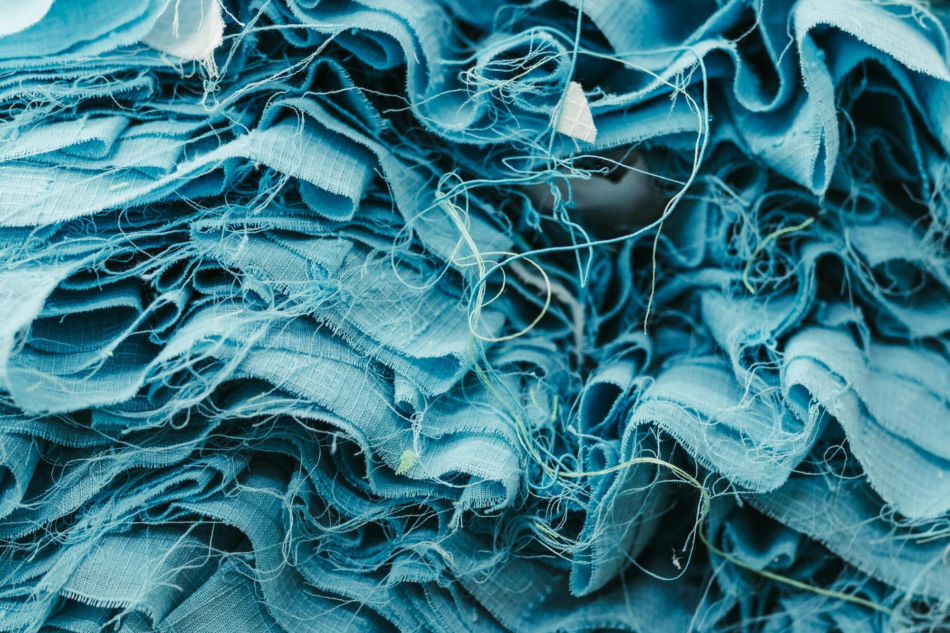
Fabric Recycling
Fabric scraps, production offcuts, damaged linen and unwanted textiles can quickly take up storage space in factories, shops, hotels and other commercial sites. We offer fabric recycling services for businesses across the UK, with suitable bins or bags and scheduled collections arranged through registered waste carriers.
Tell us what fabric your organisation produces, the approximate volume and whether it is reusable, damaged or scrap. We’ll confirm the appropriate storage, collection and recycling route.

Get a free quote
Get a fast FREE quote for fabric recycling
- Free quote within 1 hour
- Commercial fabric waste assessed
- FREE bins and delivery
- We cover all of the UK
What fabric waste can we recycle?
We can recycle many suitable clean fabrics, including:
- Manufacturing offcuts
- Fabric scraps
- End-of-roll material
- Textile samples and swatches
- Damaged or surplus clothing
- Uniforms and workwear
- Bedding and linen
- Towels and tablecloths
- Curtains
How each fabric is recycled depends on the fibre, condition and any contamination. Wet, heavily soiled, chemically contaminated or mixed-material products may need a separate collection route.
Regular fabric recycling collections can be arranged daily, weekly or fortnightly depending on your volumes, location and available storage. We can also provide one-off or ad hoc collections according to your individual needs.
What is fabric waste?
Fabric waste, also known as textile waste, is any unwanted, discarded, or unusable items or pieces of scrap made from any type of textile. This includes cotton, linen, wool, nylon, polyester, denim, and synthetic fibres. It can refer to offcuts from the manufacturing process, extra stock, and damaged items (such as ripped, stained, or soiled items).
There are three main kinds of fabric waste:
- Pre-consumer fabric waste – manufacturing and design waste such as swatch waste (textile samples), scraps and offcuts, end-of-roll waste (surplus fabric after manufacturing), and damaged textiles (colour, print, or size defects).
- Post-consumer fabric waste – any waste fabrics after consumers have used it like second-hand clothing, home furnishings, and other textiles that are damaged, soiled, or simply discarded.
- Industrial fabric waste – commercial fabric waste from businesses and industrial applications including carpets, curtains, and bedding from businesses like hotels, offices, and restaurants.
Common examples of fabric waste include:
- Clothes
- Duvets, bedsheets, and pillowcases
- Towels, flannels, and cloths
- Tablecloths, curtains, and cushion covers
- Flags
Some mixed-material products, including carpets, footwear and accessories, may require separate collection or additional sorting.
Branded uniforms, rejected stock and other sensitive textiles may require secure destruction rather than standard reuse.

Bins and bags for fabric recycling
Smaller fabric scraps, clothing and linen can be stored in commercial bags or wheelie bins where suitable. Businesses producing larger or bulkier textile volumes may require higher-capacity containers.
Keep accepted fabric clean and dry where possible, particularly if it could be reused or recycled into new fibres.
Is fabric recyclable?
Many fabrics can be recycled, but the route depends on the fibre, condition and whether different materials have been combined. Clean cotton, wool and some synthetic fabrics may have recycling routes, while mixed, coated or contaminated textiles can be harder to process.
We’ll assess the fabric your organisation produces and confirm the appropriate collection and recycling service.
Can fabric be reused before recycling?
Clean clothing, linen and other fabrics that remain suitable for use may be suitable for reuse. Damaged material, offcuts and fabric that cannot be reused can then be assessed for recycling or another recovery route.
How to recycle fabric
To recycle fabric from your business you should first segregate it from other waste and store it in separate bins, bags, or containers for fabric recycling. You can combine different fabric materials and textiles in these bins but must keep other rubbish out of them. This reduces the risk of contamination to ensure as much fabric scrap as possible is recycled.
Then arrange collection of your old fabric by licensed waste carriers. They will transport it to a materials recovery facility (MRF) where the fabrics are sorted, separated, cleaned, and assessed. The type of fabric and its condition affects how it might be recycled. These are some common methods of fabric recycling:
- Respinning – many items made from 100% natural fabrics such as wool, cotton, silk and linen can be broken down into their raw materials and reused to create new textiles. First, the textiles are sorted into each fabric type and then they’re cleaned to remove any contaminants. They’re then pulled apart to separate the fibres, which are spun to create new yarn and fabrics that can be woven or knitted to form new textiles.
- Shredding – non-natural textiles like polyester are usually recycled by being shredded. This creates small pieces of fabric that can then be melted and turned into new polyester. Some fabrics are shredded and used to form insulation or for filling, such as to fill car seats and cushions.
- Chemical recycling – this is a less used method for recycling fabrics such as polyester and nylon and mixed fabrics. Chemicals are used to break down the polymers that make up fabrics. They’re then cleaned and purified to remove contaminants and re-polymerised to create new fabrics and textiles.
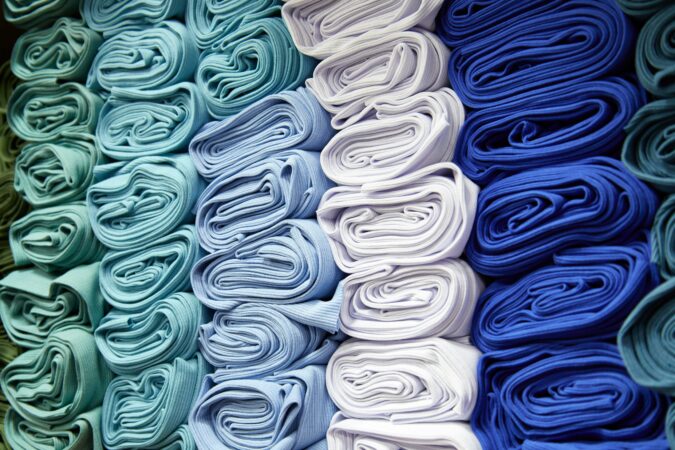
Fabric waste services
Get rid of any type and volume of waste fabric from your business anywhere in the UK. We provide free bins to separate and store your old fabric in various sizes that can accommodate the amount you produce. This includes bins, bags, and containers suitable for shops, factories, hotels, and other companies.
Arrange collection of your commercial fabric waste on a daily, weekly, or fortnightly basis. Combine the best number and sizes of bins with a collection schedule that’s efficient and cost-effective. All bins are removed by licensed waste carriers and transported safely to a nearby MRF for recycling.
This ensures your waste fabric is recycled and disposed of away from landfill to help protect the environment and save you money. Organise collections at a time and day that slots in well with your operations. Flexible options are available to suit seasonality and other changes in your fabric recycling needs.
You receive a free duty of care certificate too. This includes details about when and where your fabric waste was removed, who by, and where and how it was disposed of to provide proof and peace of mind that your waste fabric is managed responsibly.
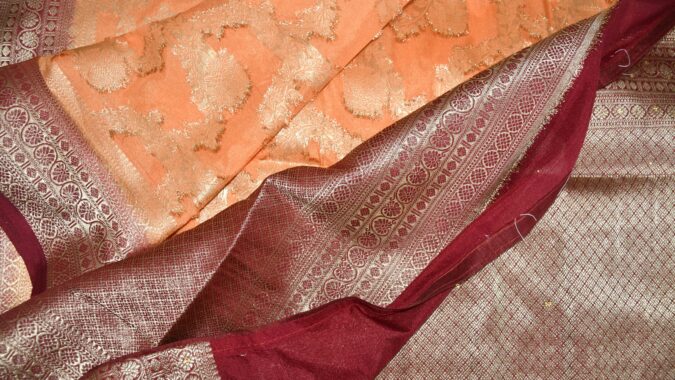
Get a free quote for fabric recycling
See how much your business could save on fabric recycling today with a free no-obligation quote. Simply tell us the number and sizes of bins you need (or a rough estimate of how much waste fabric you produce), how often you want collections, and your location. One of our team can provide a free price estimate.
We work with experienced fabric recycling companies across the UK that help us source competitive prices bespoke to your needs. There’s no paying for half-empty bin removals or landfill tax as all waste fabric is recycled where possible and kept away from landfill sites to protect the environment and save you money.
Speak to one of our friendly and experienced team today for your free quote and to discuss your needs for waste fabric recycling. Call 0800 211 8390 or contact us online for your tailored quote.
Read Our Customer Reviews
Efficient communication
We have worked alongside Business Waste for quite a few months now, and their efficiency with communication and resolving queries is great. Allie especially is a pleasure to liaise with. Great company from a B2B perspective
Flo Bolton-Smith
The real definition of service
The service received was simply outstanding. Business Waste gave good advice and a demonstration of a willingness to help and get me a solution.
Gregory Harrand
Great company
Great company to deal with, special thanks to Danielle who is always on the ball and sort any issues out instantly with proactive involvement with follow up phone calls and emails. I would recommend her to be the next PM to get things done, oh and as a company to deal with all the waste needs for your business.
Top Deals Online
Excellent service set up process
I was impressed by the speed of setting up the service. I made a single phone call to Business Waste and all the necessary paperwork was done efficiently.
Yahya Saeed
Fabric waste recycling FAQs
-
 Is fabric recyclable?
Fabric is recyclable and should be recycled rather than disposed of in landfill or incinerated. The recyclability of fabric depends on the specific type and its condition. Any 100% natural fabric is easier to recycle than blended and damaged fabrics. However, even synthetic fabrics like polyester are recyclable.
-
Who needs to recycle scrap fabric?
Every business that creates fabric waste should recycle it. Common businesses and industries that should recycle scrap fabric include:
- Shops – excess clothing stock and damaged textiles
- Factories – scrap fabric offcuts and surplus materials
- Hotels – old bedding, curtains, and furnishings
- Restaurants – tablecloths, napkins, and towels
- Schools – old and damaged uniforms
-
Where can you recycle fabric scraps in the UK from home?
You can recycle fabric scraps produced at home in many clothing banks that are often found in supermarket and council car parks. Depending on the type and condition of old fabric you might be able to donate it to a local charity shop. Alternatively, see if there are any community organisations or charities that will accept it (such as an animal shelter to use as bedding).

Get a fast and free quote
Get a fast FREE quote for fabric waste collection
- Free quote within 1 hour
- Commercial fabric assessed
- FREE bins and delivery
- We cover all of the UK
Published 2nd June 2025 by Mark Hall. Last modified 24th September 2026