
How to Dispose of Light Bulbs In The UK
How to dispose of light bulbs in the UK depends on the type of bulb. LEDs, compact fluorescent lamps (CFLs), fluorescent tubes and other energy-saving bulbs should be recycled through an appropriate WEEE or specialist lamp recycling route.
Traditional incandescent and halogen bulbs are not normally recycled. These can usually go in general waste if your local waste service allows it.
Businesses should keep old bulbs separate from general waste where a recycling or hazardous waste route is required. Households can normally use a recycling centre or retailer collection point.
Note: do not put any light bulbs in household mixed recycling, dry mixed recycling, or glass recycling bins.
Are light bulbs recyclable?
Some light bulbs are recyclable, but not all types use the same waste route.
LED bulbs, CFLs, fluorescent tubes and other electrical lighting can be recycled through specialist WEEE or lamp recycling services. Materials such as glass, metals and electronic components can then be separated for recovery.
Traditional incandescent and halogen bulbs are not normally accepted for recycling and usually need to go in general waste.
No light bulbs should go into standard glass recycling, as they are made differently from glass bottles and jars and may contain electrical components or hazardous substances.
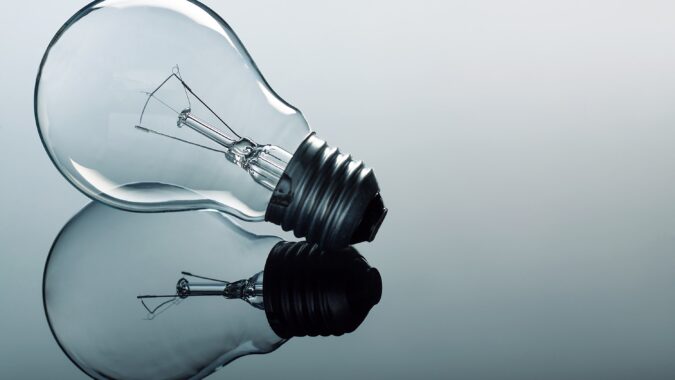
How to dispose of light bulbs in the UK
Led bulbs
LEDs don’t contain mercury, but they do contain electrical components and must be treated as electrical waste (WEEE).
How to dispose: Recycle through WEEE collection, retailer take-back schemes, or recycling centres.
LED strip lights
WEEE waste that contains reusable components.
How to dispose: Recycle through WEEE collections.
CFL bulbs
Compact fluorescent lamps (CFLs) may contain small amounts of mercury.
How to dispose: You must recycle CFLs separately through specialist bulb recycling or WEEE collections.
Fluorescent tubes
They can also contain mercury, so they should not go into general waste.
How to dispose: Specialist fluorescent tube or WEEE recycling.
Incandescent bulbs
These aren’t usually suitable for recycling. They don’t contain any mercury.
How to dispose: Wrap carefully and place in general waste.
Halogen bulbs
Like incandescent bulbs, they don’t contain any mercury, and they’re not suitable for recycling.
How to dispose: Wrap carefully and place in general waste.
HID, sodium, and metal halide lamps
Can often contain mercury or other specialist components.
How to dispose: They require specialist hazardous/WEEE collections.
Note: Check local council guidance for household disposal, as recycling options vary by area. Businesses should use licensed WEEE or hazardous waste collections where required.
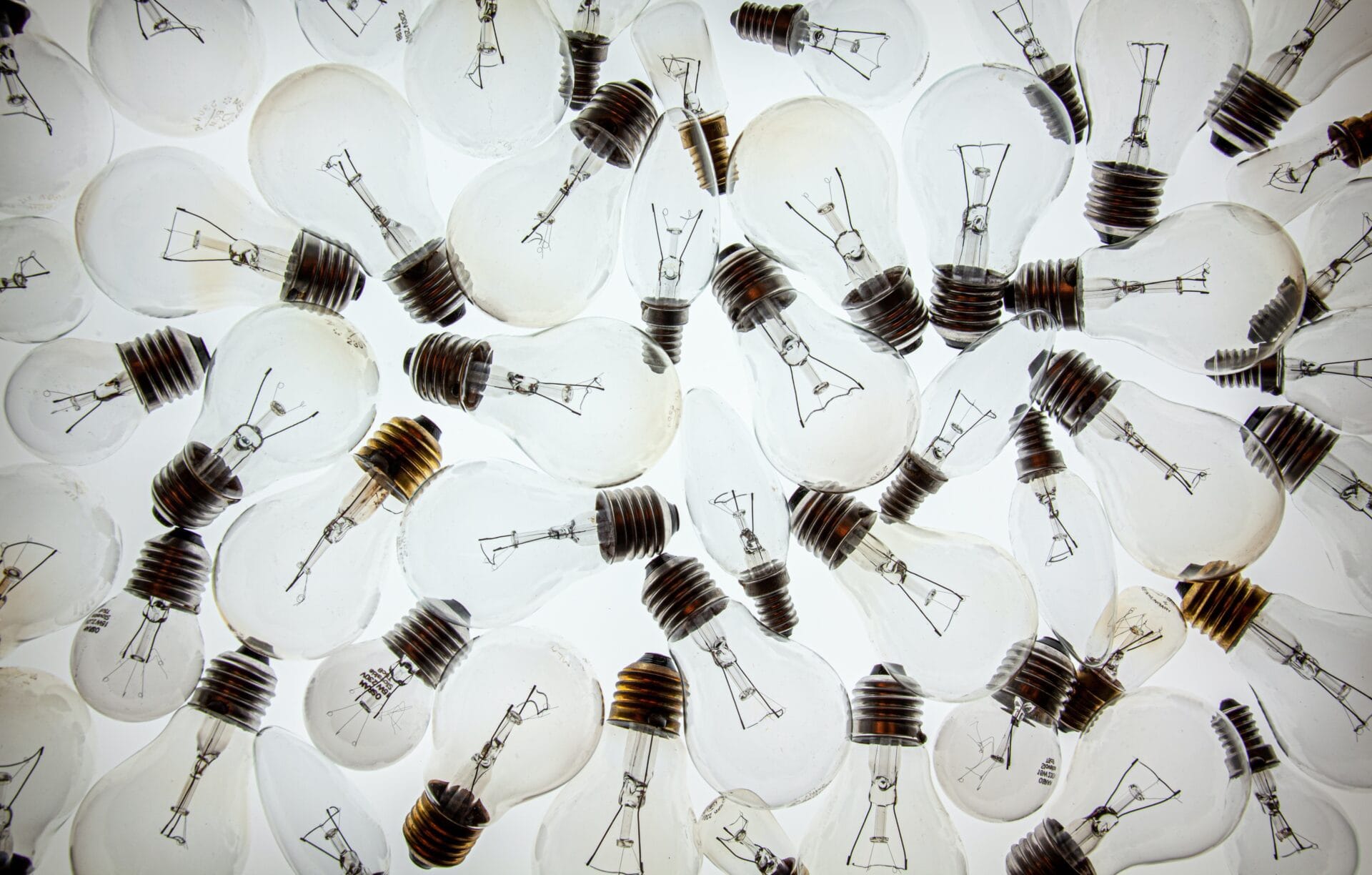
What types of light bulbs cannot be recycled?
As previously mentioned, you cannot recycle old light bulbs such as:
- Incandescent bulbs: They contain no toxic or harmful chemicals, but the fine wires within them are difficult to separate, so they can’t be recycled with other types of glass. Instead, they should be disposed of with your household rubbish or commercial general waste.
- Halogen bulbs: Like incandescent or filament light bulbs, the thin wires mean halogen bulbs are also not accepted for recycling in many cases. But they don’t contain any toxic elements, so are safe to dispose of in your household or commercial general waste bins.
How to dispose of old light bulbs
Disposing of old light bulbs such as filament, incandescent, or halogen bulbs (those with a wire inside the bulb), can’t be done through WEEE recycling. This is because the wires inside them are very fine and difficult to separate, making them hard and expensive to recycle – so most recycling centres don’t bother.
When disposing of light bulbs like incandescent and halogen types, you can throw them away safely with your general waste – as they don’t contain any chemicals or parts that need special handling. To dispose of old light bulbs like these, wrap them in some waste paper, fabric, or their original packaging so they don’t shatter and cut into other waste.
Can you recycle broken light bulbs?
Broken incandescent, halogen, and LED bulbs should be wrapped carefully before disposal or recycling so the glass does not cut anyone handling the waste. Use paper, cardboard, or the original packaging, then place the broken bulb in the correct waste stream for that bulb type.
Broken CFLs and fluorescent tubes need more care because they contain mercury. Avoid using a hoover to suck up the shards, keep people away from the area, and place the pieces in a sealed bag or container before taking them to an approved recycling point or arranging specialist collection.
If possible, businesses should alert their waste provider if fluorescent tubes or CFLs have broken before collection.
How should businesses dispose of old light bulbs?
Businesses should separate old light bulbs from general waste and use the correct collection route for each lamp type.
Fluorescent tubes and CFLs require particular care because they can contain mercury and may be classified as hazardous waste. LEDs should normally be collected as WEEE.
Store bulbs securely before collection to prevent breakage and arrange removal through an authorised waste carrier. Businesses replacing lighting across an office, warehouse, shop or other site can use a one-off collection or scheduled lamp recycling service.
Where can households recycle light bulbs?
There are a few places where householders recycle light bulbs:
- WEEE bins – one of the easiest ways of recycling light bulbs in bulk for businesses or households is to arrange delivery and collection of a WEEE waste bin by a licensed waste carrier. Store any used, broken, or expired light bulbs in the bin. They’re then transported to an appropriate recycling centre nearby for safe separation and recycling.
- Recycling centres – most council recycling centres have specific light bulb recycling bins where you can dispose of any type of light bulb. Check whether your local recycling centre offers such facilities.
- Select shops – certain supermarkets and other big stores have light bulb recycling bins for quick and convenient recycling. Often these are near any battery recycling bins they may also provide.
Arrange light bulb collection
Businesses should not put light bulbs in dry mixed recycling, glass recycling, or general waste unless the bulb type is suitable for general disposal. LED bulbs, fluorescent tubes, CFLs, and other energy-efficient lamps should usually be collected through WEEE or specialist light bulb recycling.
If you’re replacing lighting in offices, warehouses, schools, hotels, shops, care homes, factories, gyms, restaurants, or rental properties, you’ll likely need light bulb disposal. We can arrange WEEE bins, fluorescent tube containers, one-off clearances, or scheduled collections for larger volumes.
This helps keep mercury-containing lamps separate, prevents bulbs from contaminating other recycling streams, and gives your business the right waste paperwork for your disposal records.
Contact us online or call 0800 211 8390 to get a free quote and start recycling light bulbs anywhere in the UK today.
Light bulb disposal FAQs
-
 How do you recycle light bulbs?
How to recycle light bulbs depends on their type and if you’re getting rid of them from your business or home. You can recycle LED, fluorescent, CFL, and other energy-efficient light bulbs from a business with your WEEE waste collections. The chemical elements will be removed and the glass recycled separately.
Households can recycle light bulbs at many large household waste recycling centres (HWRCs). These should have separate bins for light bulbs, but check with your local authority first. Domestic light bulbs are also recycled by being dismantled and the glass sent for recycling and any hazardous components disposed of safely.
Unfortunately, you can’t recycle old incandescent light bulbs.
-
How do you dispose of LED light bulbs?
LED light bulbs are much easier to recycle compared to older incandescent or halogen bulbs, as they don’t contain any harmful chemicals. They’re made up of glass, metal, and electronic components. The easiest way to dispose of LED light bulbs is in a WEEE waste bin.
Businesses can use WEEE waste bins to dispose of lots of LED light bulbs safely and sustainably at once. If you’ve only got a few old LED bulbs to dispose of at home, visit your local recycling centre or home and electronic shops such as IKEA and Homebase that may have in-store recycling bins for LED light bulbs.
-
How do you dispose of LED strip lights?
You should dispose of LED strip lights in the same way as individual LED light bulbs – with a WEEE waste bin. LED strip lights are a type of electronic waste, so disposing of in a WEEE waste bin ensures the individual components are separated and recycled or reused where possible.
-
Can I put light bulbs in the bin?
Yes, you can put incandescent and halogen light bulbs in your general waste bin at home or work. It’s also safe to put LED light bulbs in your household waste bin when they reach the end of their life. However, it’s better for the environment to recycle LEDs with WEEE waste.
You should not put CFL or fluorescent light bulbs in the bin as they contain mercury or other chemicals and class as a type of hazardous waste. These chemicals can leach when the general waste ends up in landfill, contaminating ground, water, and air, posing a risk to human and environmental health.
-
Are fluorescent tubes hazardous waste?
Fluorescent tubes contain small amounts of mercury, so they need specialist disposal. Ensure they don’t go in general waste, dry mixed recycling, or glass recycling.
Businesses should arrange fluorescent tube recycling or hazardous/WEEE waste collection.

Learn more about light bulb recycling
-
Fluorescent tube disposal
-
WEEE waste collection



Have your waste collected
Get a fast FREE quote for your waste collection 0800 211 83 90
- Free quote within 1 hr
- Any type of waste
- FREE bins and delivery
- We cover all of the UK