
What to do with pumpkins after Halloween
Millions of pumpkins are grown, harvested, bought, carved, and thrown away at Halloween every year in the UK. It adds to the scary amount of food waste we already create. But there are all sorts of things to do with pumpkins after Halloween to avoid creating more food waste and adding to landfill levels.
Understanding how to dispose of pumpkins after Halloween helps households and businesses use carved and old pumpkins in a more sustainable way. Simply using the innards of a pumpkin in recipes when carving a pumpkin is a good start – yet more than half of all Brits aren’t aware that pumpkins are edible!
Scooping out the insides of a pumpkin and using them to cook up a soup is one of the best things to do before you start carving your jack-o’-lantern. There are other options for making the most of pumpkins in October before they start to rot. Discover what to do with old pumpkins after Halloween with these ideas.
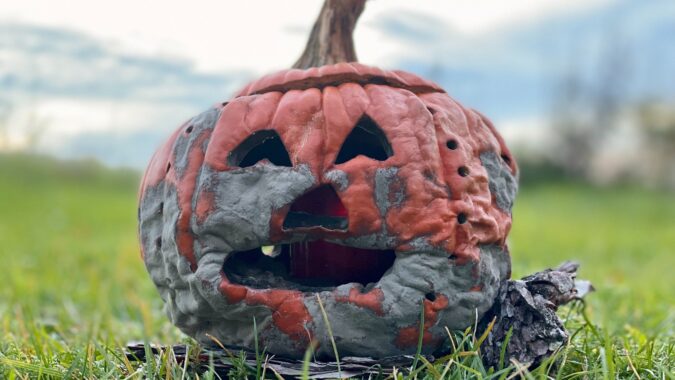
Facts about Halloween pumpkin waste
A few frightening facts and stats about pumpkin waste at Halloween are that:
- Between 17 and 24 million pumpkins are bought each year in the UK to celebrate Halloween.
- The good news is most are locally sourced, as between 10 and 15 million pumpkins are grown and harvested in the UK annually.
- However, it’s estimated around 13 million pumpkins are wasted – carved up then thrown away with household waste.
- This works out at about 18,000 tons of Halloween pumpkin waste that ends up in landfill.
- The costs of our Halloween habit are haunting, as Brits spend close to £29 million on pumpkins every year.
- When Pumpkins sit in landfill they release methane gas – a harmful greenhouse gas that contributes to global warming.
- It can take a pumpkin more than 20 years to decompose in landfill – compared to eight to 12 weeks in compost to completely break down if chopped up.
How long do Halloween pumpkins last?
Carved Halloween pumpkins may last for up to five days. In particularly cold areas they might last for up to two weeks before they start to wilt. If you leave an uncarved pumpkin on your porch out of the sun and avoid freezing conditions, it can last for two to three months.
You can extend the life of a pumpkin at Halloween by decorating it with a black marker pen, googly eyes, paper or cardboard – rather than carving into it. If you want to carve it, avoid cutting off the top, as removing the stem shortens the life of any fruit or vegetable. Cut into the back or bottom instead.
Are Halloween pumpkins edible?
Yes, all varieties of pumpkins are edible. You can eat carving pumpkins in the UK, but they’re often a bit waterier and stringier than the types grown for eating. Still, you can eat them – just keep the pumpkin cool, check for any bugs, and ideally use it within 24 hours of carving it.
One of the best things to do with pumpkins after Halloween is using the innards and flesh in seasonal recipes. After carving out the insides of a pumpkin, use this bit of the fruit soon after in your baking or store in the fridge for later. A few pumpkin recipe ideas to use as much of the fruit as possible include:
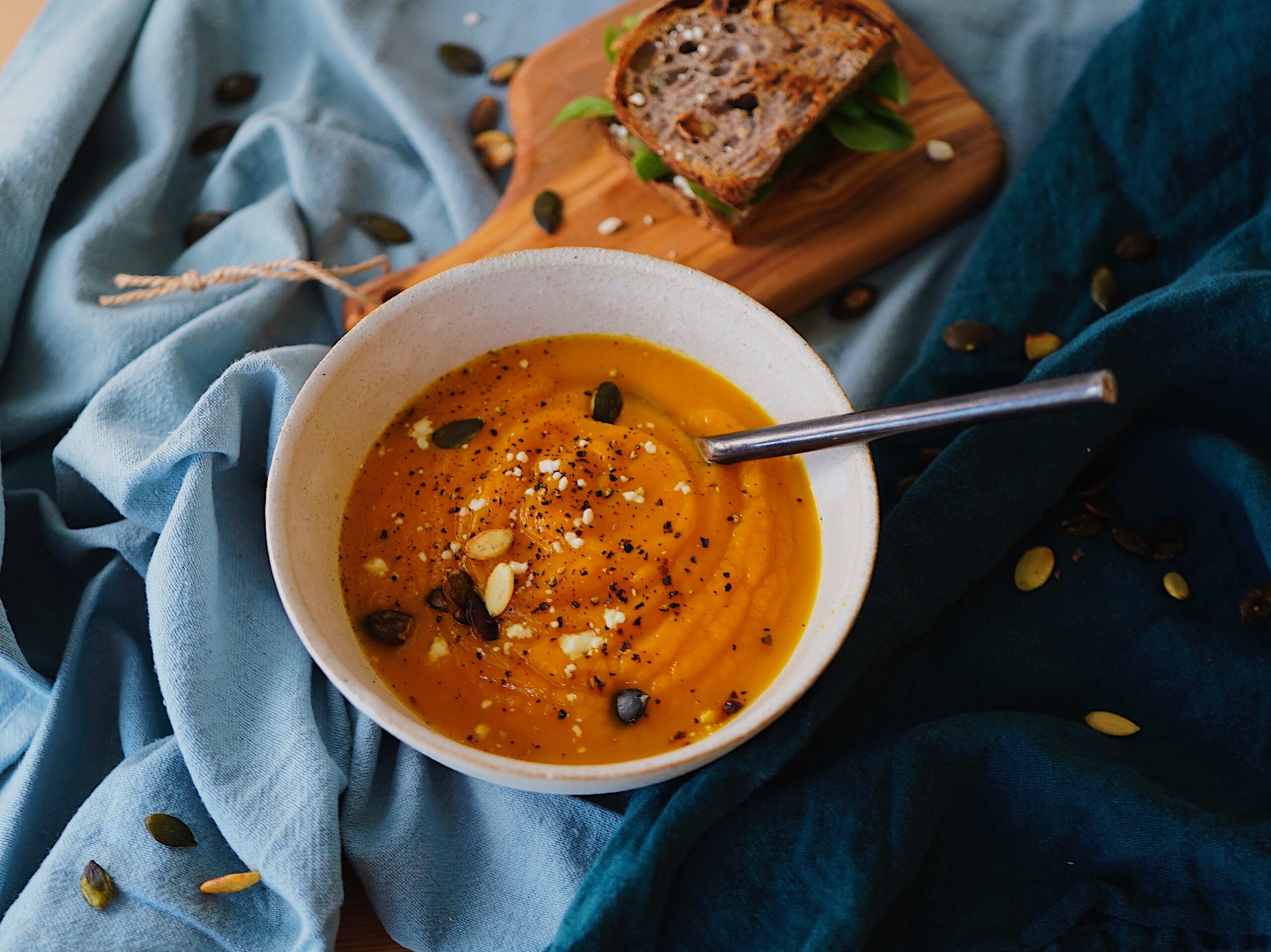
- Pumpkin soup – an autumnal classic, simply boil the flesh with stock and seasoning, then put it in a blender.
- Pumpkin cake – follow a traditional carrot cake recipe but switch out carrot for pumpkin or follow a recipe for the similar pumpkin loaf.
- Roasted pumpkin seeds – scoop out the seeds, dry them off, and coat in your chosen seasoning (salt, chili powder, or herbs for a savoury snack – cinnamon and sugar for something sweet).
- Pumpkin pie – this American fall favourite uses a shortcrust pastry tart case, plenty of sugar, milk, and butter for a tasty treat.
- Pumpkin spiced latte – blend pumpkin flesh to create a puree, then whizz this up with coffee, milk, cinnamon, and maple syrup for a homemade pumpkin spiced latte.
What to do with carved pumpkins after Halloween
Most people buy pumpkins to transform into jack-o’-lanterns by carving into its orange flesh. This creates a creepy effect but does mean it won’t last very long and you’re left with an awkward shape and amount of pumpkin. Whatever you do though, don’t throw it in your household or business’ general waste bin to prevent it going to landfill.
As mentioned, one of the best things to do with pumpkins after Halloween is to eat as much as possible. However, if you carved into it a few days ago or have already used the edible parts in a few recipes, you might wonder how to dispose of the rest of it. Here are some ideas for what you can do with old carved pumpkins:
- Chop up and compost – there’s lots of water in pumpkins so they decompose quickly. Cut them up into smaller chunks and they can break down in as little as eight weeks. Remove the seeds before adding to your compost pile, so they don’t root.
- Bury in soil – if you don’t have a compost bin you can still cut up an old pumpkin, remove its seeds, and bury it directly in your garden. It will break down and provide nutrients for other plants.
- Plant the seeds – take out the seeds and rinse any pulp off, then store in a cool dry place (your fridge or a dark cupboard). Pick out the biggest ones and plant them in April, so they should be fully grown into pumpkins by October.
- Make DIY jewellery – if you want to do something with the seeds now, use them to make a necklace or bracelet. Wash and dry the seeds, colour them with pens or paint, then make a hole through each with a needle and thread through some fine elastic.
- Turn it into a plant pot – transform a carved pumpkin into a short-term plant pot by filling with florists’ foam or soil (make sure to block up any carved-out bits first so it doesn’t fall out the side). Then pop in your flowers or plants. Try to use plants that prefer shade, as keeping the pumpkin in sunlight will speed up its rotting.
- Dispose of it with food waste – if your old carved Halloween pumpkin has reached the end of its life (starting to physically decompose and smell), dispose of it in a food waste bin. This should ensure it’s sent for anaerobic digestion to generate energy – rather than rotting in landfill and adding to greenhouse gas emissions.
What to do with pumpkins after Halloween for animals
It’s not just humans who can eat waste Halloween pumpkins, they’re also safe and healthy to eat for all sorts of animals. Before feeding one to Fido (or any other wildlife), make sure you remove any paint, ink, or other decorations that could cause illness. Otherwise, there are a few things you can do with pumpkins after Halloween for animals:
- Make a bird feeder – cut the top off your old pumpkin to create a bowl shape and fill with bird seed. Then hang it up in your garden with some strong string or wiring, and check it holds.
- Pass on to your pets – pumpkins are safe for domesticated animals and they’re full of goodness too. Packed with vitamins and fibre makes them great for digestion for dogs and cats. If your pets are fussy, try blending it into a puree and adding to their regular food.
- Donate your old pumpkin – local animal shelters, farms, and zoos may accept your old pumpkins to use as animal feed.
Which bin do pumpkins go in?
When it’s time to throw your old pumpkin away, don’t put it in the same bin as your household rubbish or general waste at work. This will likely result in it making its way to landfill and adding to increasing greenhouse gas emissions. Instead, to dispose of pumpkins after Halloween use a food waste bin.
Putting old pumpkins in a food waste bin ensures they’re disposed of properly alongside other types of food waste. Often, it’ll go for anaerobic digestion, which uses pumpkins and other food waste to generate energy – a much greener option.


Have your waste collected
Get a fast FREE quote for your waste collection 0800 211 83 90
- Free quote within 1 hr
- Any type of waste
- FREE bins and delivery
- We cover all of the UK