Bulky Waste Collection Costs Rise 18% as UK Households Face Postcode Lottery
Bulky waste collection costs have increased by 17.8% in just over a year, according to new analysis by Business Waste Ltd.
The average minimum charge for a council bulky waste collection across the UK is now £37.70, up from £32.00 in February 2025. However, what households pay varies significantly depending on where they live.
Some councils continue to provide free bulky waste collections, while others charge as much as £90.90 for a minimum collection.
Bulky waste collection charges have risen by 18%
Business Waste Ltd reviewed bulky waste collection charges published on council websites across the UK.
The analysis found:
- The average minimum charge increased from £32.00 in February 2025 to £37.70 in June 2026.
- The highest minimum charge is now £90.90.
- 30 councils offer some form of free bulky waste collection.
- 89 councils provide a discounted bulky waste collection service for eligible residents.
- The lowest paid minimum charge remains £5.00.
In 2025, the highest minimum charge was £85.00 at Runnymede Borough Council. Runnymede no longer provides a council bulky waste collection service. In 2026, the highest minimum charge is £90.90 at Argyll and Bute Council, up from £80.90 the previous year.
The number of councils offering free bulky waste collections has also increased slightly, rising from 26 in 2025 to 30 in 2026.
Regional bulky waste collection costs compared
The South East has the highest average minimum bulky waste collection charge at £46, followed by the East of England at £45.
Northern Ireland remains the cheapest region on average, with a minimum charge of £7. However, this still represents a 17.25% increase since 2025.
Regional average minimum bulky waste collection charges in 2026 were:
- South East: £46.00, up 2.66% from £45.00
- East of England: £45.00, up 2.61% from £44.00
- Scotland: £37.00, up 9.76% from £34.00
- South West: £36.00, up 10.09% from £33.00
- West Midlands: £35.00, up 10.74% from £31.00
- Wales: £34.00, up 13.94% from £30.00
- London: £31.00, down 5.20% from £33.00
- East Midlands: £29.00, up 9.70% from £26.00
- North West: £25.00, up 8.93% from £23.00
- Yorkshire and the Humber: £24.00, up 2.84% from £23.00
- North East: £23.00, up 37.31% from £17.00
- Northern Ireland: £7.00, up 17.25% from £6.00
The North East recorded the largest regional increase, with the average minimum charge rising by 37.31%. London was the only region where the average minimum charge fell, decreasing from £33.00 to £31.00.
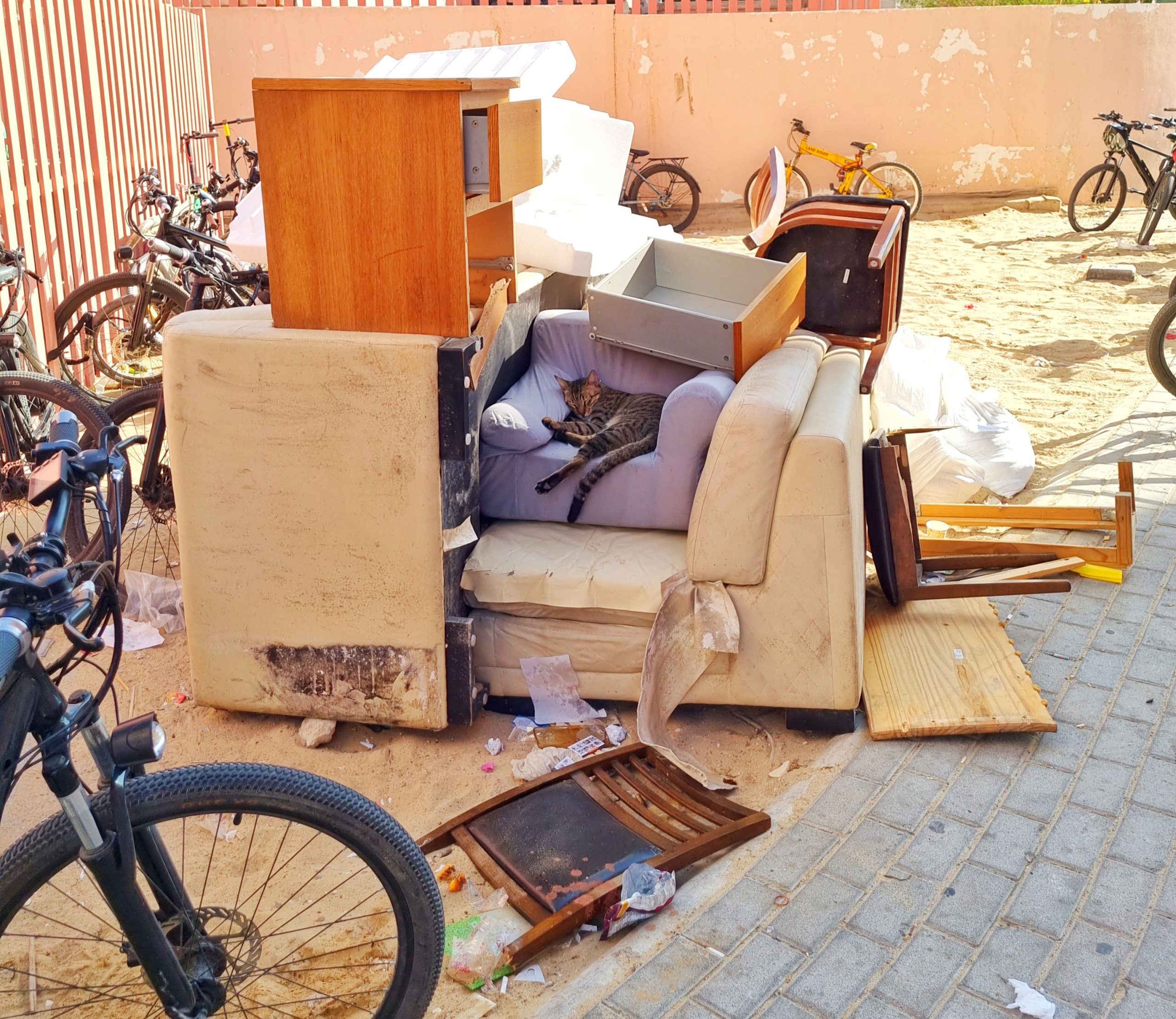
Where do councils still offer free bulky waste collection?
The number of councils offering free bulky waste collections has increased slightly since 2025.
London has the highest number of councils providing free collections, followed by the North West and Northern Ireland.
The regional breakdown is:
- London: eight councils
- North West: seven councils
- Northern Ireland: six councils
- Yorkshire and the Humber: three councils
- East Midlands: two councils
- South East: one council
- East of England: one council
- Scotland: one council
- North East: one council
- South West: no councils
- West Midlands: no councils
- Wales: no councils
Free collections do not always mean unlimited collections. Many councils restrict the service by limiting the number of free collections each year, the number of items collected, or eligibility criteria.
-
 15 councilsstill offer free bulky waste collection

Neighbouring councils can charge very different prices
The findings highlight a clear postcode lottery for bulky waste collection across the UK.
Neighbouring councils can charge very different amounts for broadly similar services. For example:
- Salford charges £52.50, while neighbouring Manchester offers a free first collection and Rochdale also provides a free collection before charges apply to larger collections.
- Richmond upon Thames charges £85.00, while neighbouring Hounslow charges £41.00.
- Havering charges £71.50, while neighbouring Barking and Dagenham and Redbridge both offer free collections.
- Bromley charges £43.00, while neighbouring Lewisham charges just £5.00 for the first item.
These differences do not necessarily mean one council provides a better or worse service than another. Charges can vary depending on collection contracts, local geography, staffing costs, disposal fees, service design, item limits, and the level of subsidy a council chooses to provide.
Mark Hall, waste management expert and co-founder of Business Waste Ltd, said:
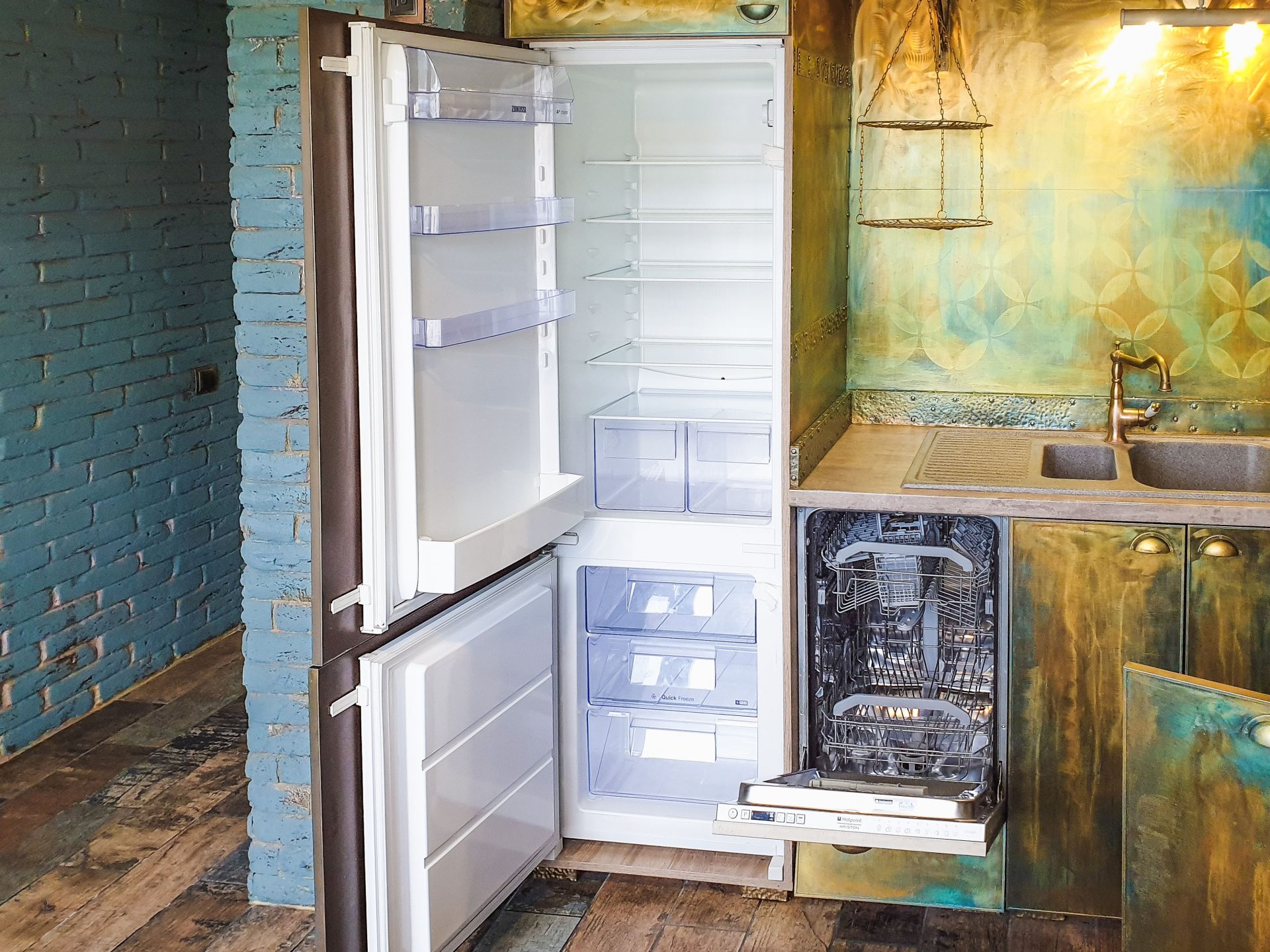
Fridge collection can cost more
Fridges and freezers are often treated differently from standard bulky waste because they need careful handling.
Many councils have restrictions on the type, size, and number of fridges they will collect. Some charge a separate fee.
The highest fridge collection charge found was £74.90 at Richmond upon Thames. Other high fridge collection charges included £64 at Three Rivers District Council, £60 at Boston Borough Council, and £57 at Watford Borough Council.
Because fridge rules vary so much, households should check their council’s own guidance before booking.
Does bulky waste collection cost affect fly-tipping?
The analysis also compared minimum bulky waste collection charges with fly-tipping incidents across English councils.
It found only a weak negative correlation of -0.26, suggesting that collection prices have only a limited relationship with fly-tipping rates.
Council type and location appear to have a greater influence. London boroughs recorded an average of around 14,980 fly-tipping incidents, compared with approximately 1,430 incidents for district councils, despite often having similar or lower bulky waste charges.
Councils offering free bulky waste collections also recorded more incidents on average, with around 8,121 fly-tipping incidents, compared with approximately 4,006 incidents for councils that charge for the service.
The findings suggest that fly-tipping is influenced by far more than collection prices alone. Factors such as urban density, housing type, deprivation, enforcement resources, local behaviour, and access to waste services are all likely to play a role.
Mark Hall adds:
Bulky waste collection FAQs
-
What is bulky waste collection?
Bulky waste collection is a council service for large household items that do not fit in a normal bin. This can include furniture, mattresses, appliances, carpets, and other large items.
-
How much is bulky waste collection?
The average minimum bulky waste collection charge across UK councils is £37.70, based on Business Waste Ltd analysis from May and June 2026.
-
Which council has the highest bulky waste collection charge?
The highest minimum charge found was £90.90 at Argyll and Bute Council.
-
Do councils offer free bulky waste collection?
Yes. 30 councils in the dataset offer some form of free bulky waste collection. Free collections may still have limits, such as the number of items or collections allowed.
-
Why do bulky waste collection charges vary?
Charges vary because councils use different collection systems, contracts, item limits, disposal routes, and subsidy models. Some charge per item, while others charge per collection or by item type.
-
Does expensive bulky waste collection cause fly-tipping?
The data found only a weak link between minimum bulky waste charges and fly-tipping incidents. Price may play a role, but location, density, enforcement, and service access also appear to be important factors.

Methodology
Business Waste Ltd collected bulky waste collection pricing data from individual council websites during May and June 2026.
Where available, the research recorded the minimum collection charge, along with the cost of collecting one, three, six, and nine items.
Discounts, fridge collection charges, service restrictions, and other pricing notes were also recorded where published. Councils where pricing information was unavailable, the service was not offered, or bulky waste collections were not provided directly by the council were recorded as N/A.
County councils do not typically operate bulky waste collection services, so they were excluded from pricing comparisons where appropriate. The analysis identified 21 county councils that do not provide a bulky waste collection service.
Where 2025 pricing data was used, it reflects charges published in February 2025. Prices, eligibility, and service availability may have changed since then and should be verified directly with the relevant council before use.


Have your waste collected
Get a fast FREE quote for your waste collection 0800 211 83 90
- Free quote within 1 hr
- Any type of waste
- FREE bins and delivery
- We cover all of the UK