
Can You Put Books In The Recycling Bin?
Can you put books in the recycling bin? Sometimes, but it depends on the type of book and the recycling service available in your area.
Paperback books may be accepted with paper and cardboard by some councils, while hardback books are often unsuitable for normal kerbside recycling because of their covers, glue and binding materials. Many household waste recycling centres also have dedicated book banks or reuse areas.
If a book is still in good condition, reuse is normally the better option. Donating, selling or passing it on keeps the book in use for longer and avoids unnecessary recycling or disposal.
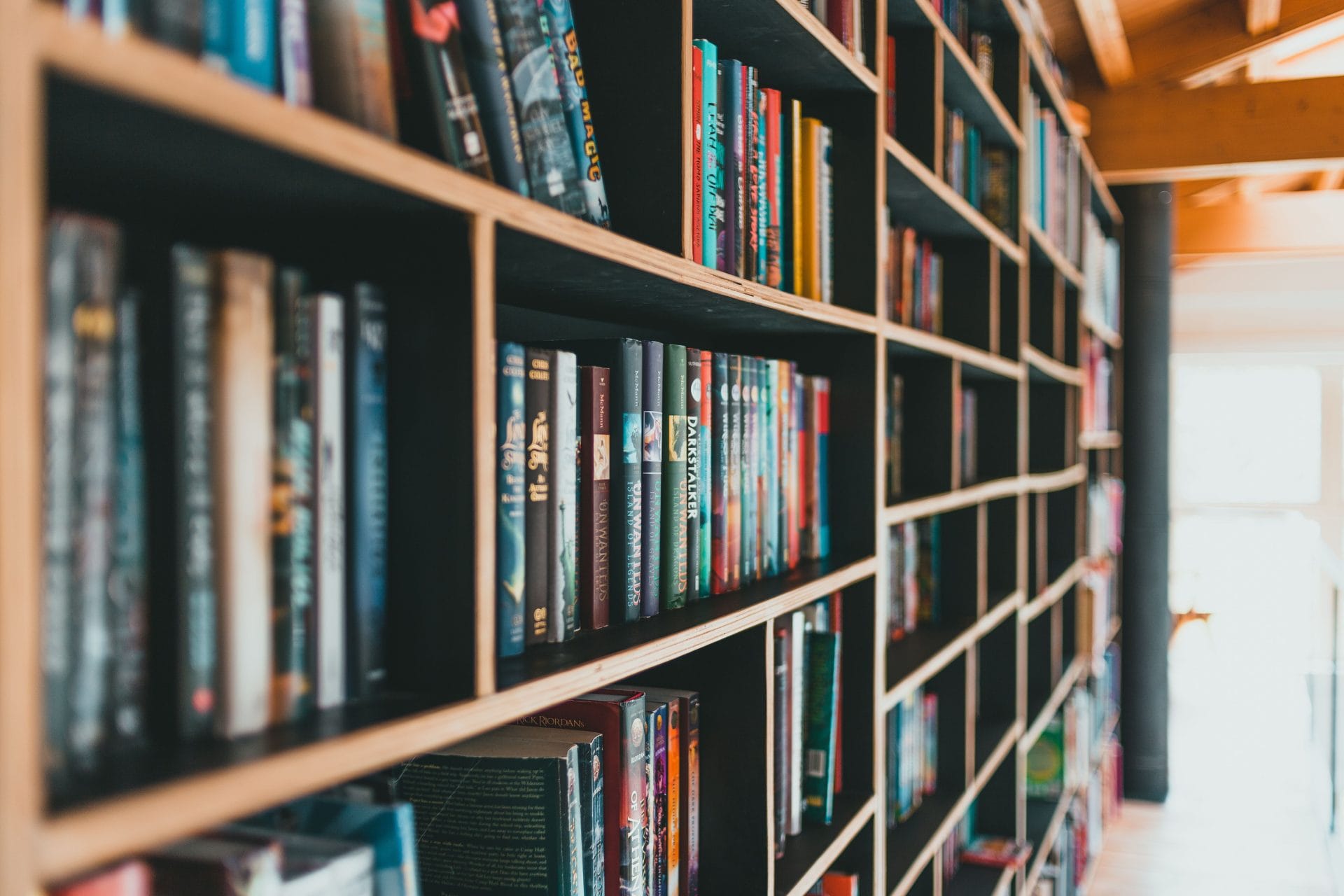
Can books go in the recycling bin?
Books do not have one universal recycling route in the UK. Whether you can put them in your household recycling bin depends on the type of book and your local council’s rules.
Paperback books are easier to recycle because most of the material is paper. Some councils accept them alongside paper and cardboard, while others ask residents to take books to a recycling centre or dedicated book bank.
Hardback books can be more difficult to process because the covers, glue, stitching and other binding materials may need to be removed before the paper can be recycled. For this reason, many kerbside schemes do not accept them.
Check your local council guidance before putting books in a recycling bin. Recycle Now also has a postcode checker that shows the recycling options available in your area.
How to recycle books
Before recycling an old book, check whether it can be reused. Books in readable condition may be suitable for donation, resale or passing on to someone else.
If the book cannot be reused:
- Check your local recycling rules – some councils accept paperback or other books in household recycling, while others do not.
- Use a book bank or recycling centre – many household waste recycling centres have dedicated book or paper recycling containers.
- Separate materials if required – some recycling routes may require hard covers or non-paper components to be removed.
- Keep books dry and clean – wet, mouldy or heavily contaminated paper is less likely to be suitable for recycling.
Businesses with larger quantities of books should arrange an appropriate commercial paper or book recycling collection rather than using household recycling facilities.
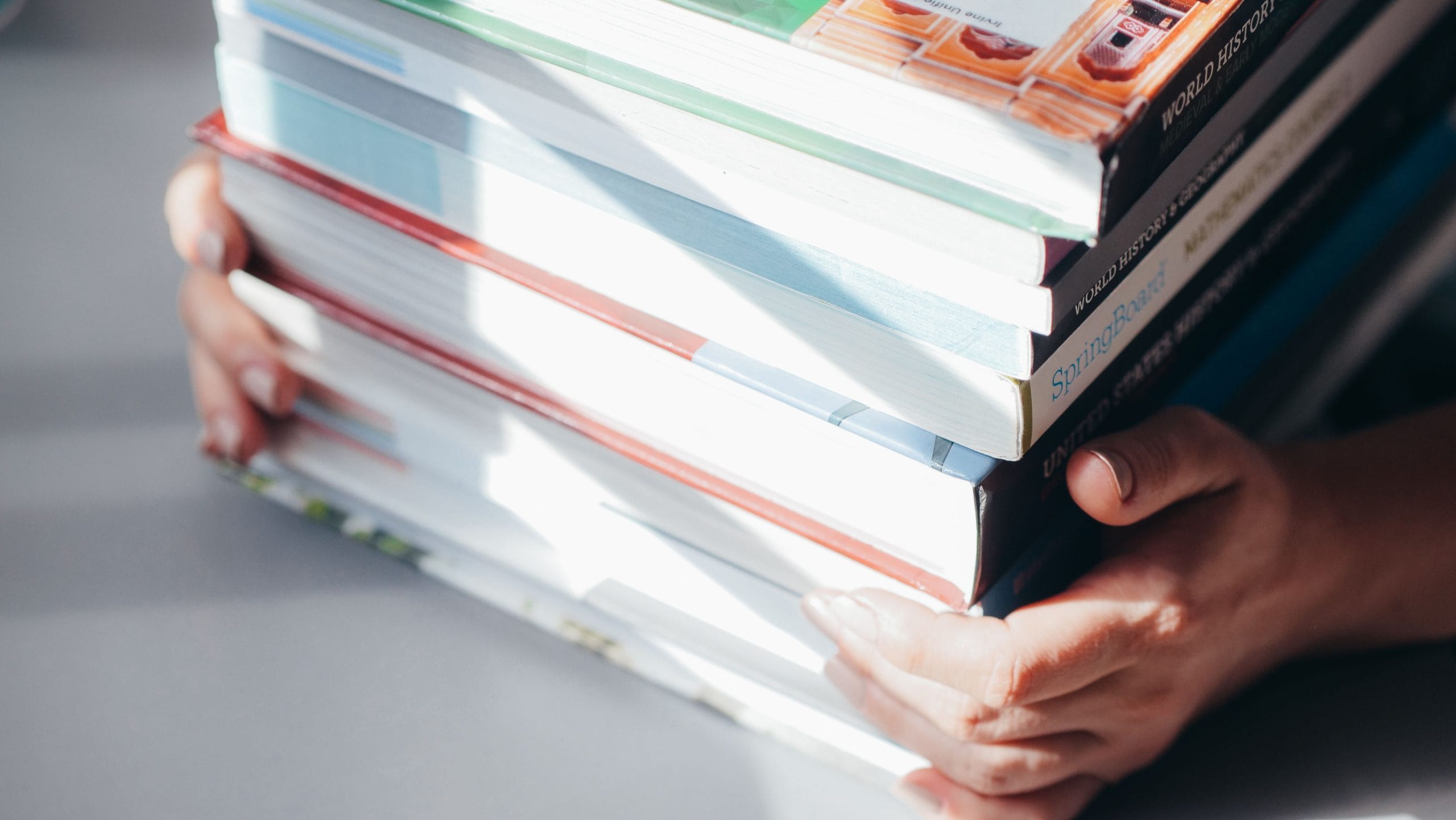
Why can some books be difficult to recycle?
The paper pages inside most books are recyclable, but other materials can make processing more complicated.
Hardback books may contain:
- Thick card or board covers
- Plastic or fabric coatings
- Glue
- Thread or stitching
- Laminated finishes
- Metal or plastic decorative elements
These materials may need to be separated before the paper can be pulped. This is why some councils and recycling facilities accept paperback books but not hardbacks, or ask residents to use a dedicated book recycling point instead of the normal kerbside bin.
How can businesses recycle old books?
Offices, schools, libraries, retailers, publishers and warehouses often generate large volumes of old books. Businesses can follow these steps to ensure they are disposed of correctly:
- Separate books from general waste.
- Reuse, donate or redistribute old books if they are still in suitable condition.
- Arrange a commercial paper/cardboard or specialist book collection for larger quantities.
- Keep waste transfer documentation where required.


Have your waste collected
Get a fast FREE quote for your waste collection 0800 211 83 90
- Free quote within 1 hr
- Any type of waste
- FREE bins and delivery
- We cover all of the UK