
LDPE Recycling
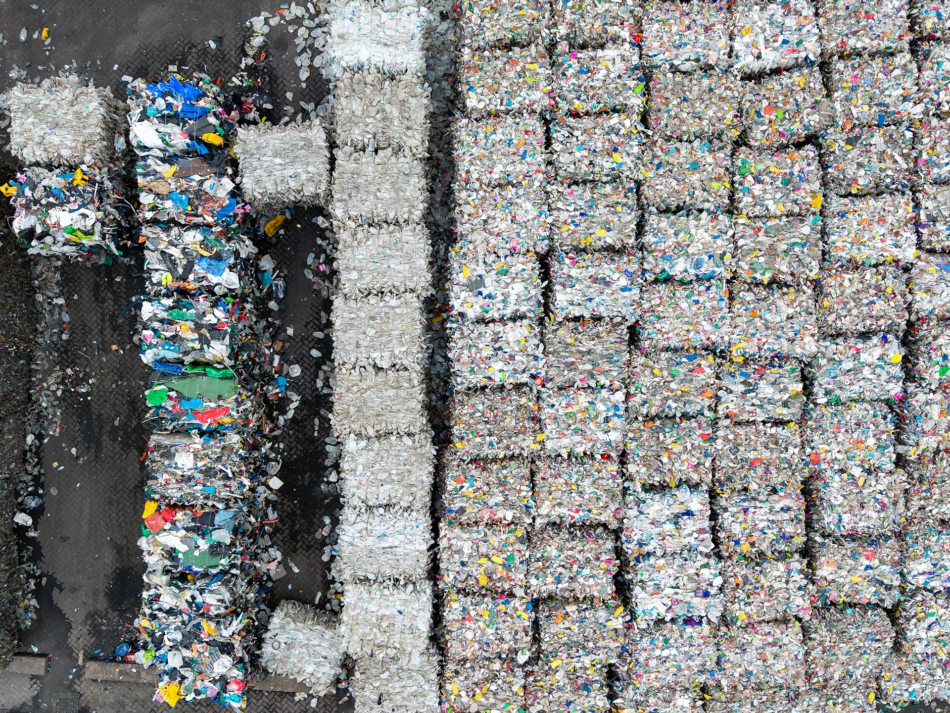
Businesses often produce low-density polyethylene (LDPE) as shrink wrap, pallet wrap, plastic film, bags and flexible packaging. These materials are lightweight but can quickly build up in warehouses, shops, factories and hospitality sites.
We can arrange collection and recycling for suitable LDPE waste across the UK. Our service includes appropriate containers, scheduled collection frequencies through licensed waste carriers and the required Duty of Care paperwork. For larger volumes of clean film or wrap, we can also assess whether plastic baling would make storage and collection more practical.
We’ll explain your collection costs and any baler or specialist equipment charges upfront, with no hidden charges. Your dedicated account manager can help with collection queries, container changes and extra collections when film and packaging waste builds up.

Get a free quote
Get a fast FREE quote for LDPE recycling
- Free quote within 1 hour
- Commercial LDPE waste covered
- FREE bins and delivery
- We cover all of the UK
What LDPE waste can we collect?
We assess suitable LDPE such as:
- Pallets and shrink wrap
- Clean plastic film
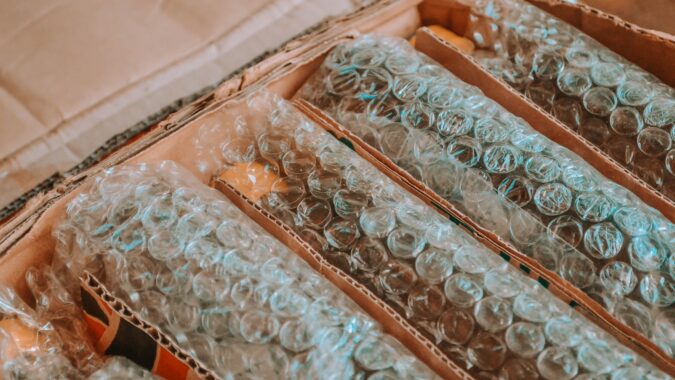
- Bubble wrap
- Clear plastic bags
- Suitable carrier bags
- Flexible packaging
- Squeezable bottles and containers
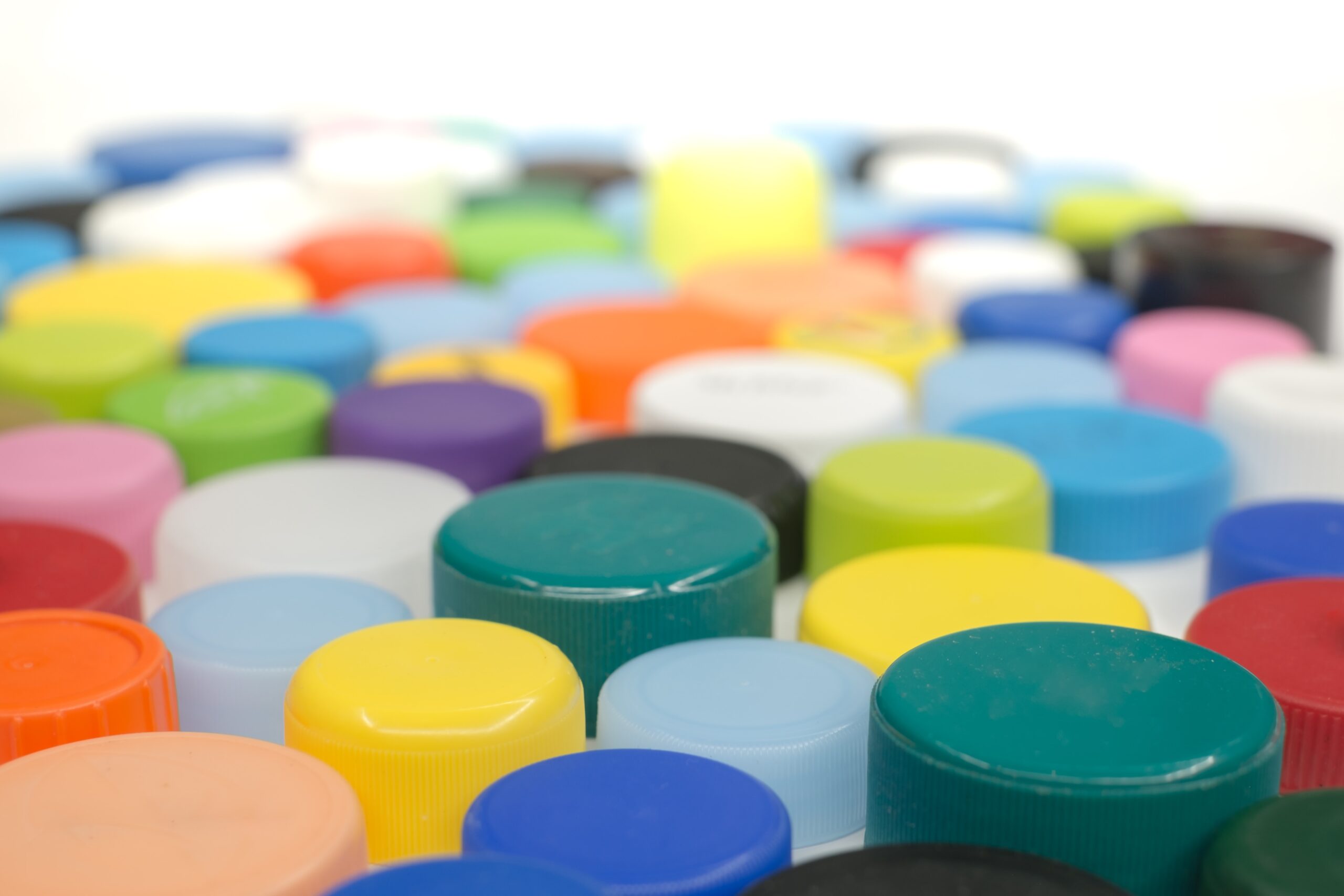
- Bottle tops and lids made from LDPE
- Manufacturing film and offcuts
- Suitable cable insulation and other industrial LDPE
LDPE should be clean and free from food, liquids, chemicals and other contamination. Some flexible films need a separate recycling route, so we will confirm what can go in each container before your service starts.
We also offer one-off or ad hoc collection services, meaning if you have a sudden influx of LDPE, compliant disposal is available.
How commercial LDPE recycling works
-
Tell us about your LDPE waste
Let us know whether you produce film, wrap, bags, rigid LDPE or another material, along with the volume and site location.
-
Choose the right storage
We recommend suitable bins or containers based on the material and available space. High-volume clean film may also be suitable for baling.
-
Keep it clean and separate
Store accepted LDPE away from food, liquids, general waste and other contaminants. We will confirm whether it needs separating from other plastic streams.
-
Arrange collections
Licensed waste carriers collect the material on the agreed schedule and transfer it to a suitable recycling route.
-
Keep your records
We’ll provide the relevant Duty of Care paperwork and collection records.
What is LDPE?
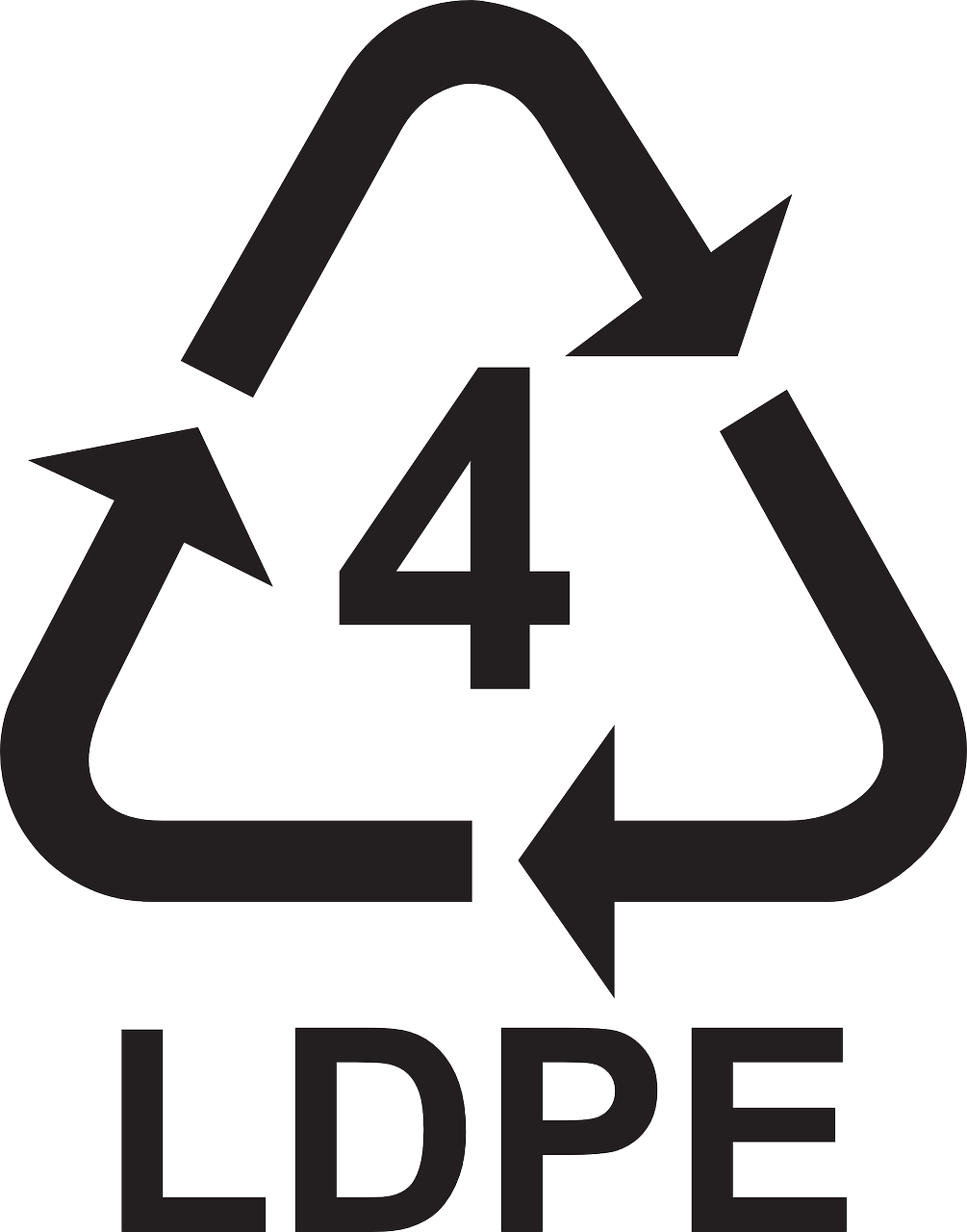
Low-density polyethylene (LDPE) is a flexible thermoplastic identified by resin code 4. Compared with high-density polyethylene (HDPE), it is generally softer, lighter and more flexible, which makes it common in film, wrap, bags and flexible packaging.
It’s used to create a wide range of products used in daily domestic, commercial, and industrial applications, such as:
- Pallet and shrink wrap
- Cling film
- Bubble wrap
- Clear plastic bags
- Bottle tops and lids
- Food packaging
- Children’s toys
- Electrical wire and cable insulation
- Squeezable condiment bottles
- Floor tiles
Is LDPE recyclable?
LDPE is recyclable, including many rigid products and suitable flexible films. However, flexible LDPE can be more difficult to process than rigid plastic and may require a specialist recycling route.
Businesses should keep LDPE clean and follow the collection requirements for the material they produce. Our team can confirm whether film, wrap, packaging or rigid LDPE can be collected together or needs a separate container.
How is LDPE recycled?
Rigid and soft LDPE plastics are normally separated before recycling. Soft LDPE film is often sorted by grade to ensure high-quality material output.
The general process to recycle LDPE involves:
- Sorting – once your waste LDPE plastic reaches the recycling centre, it’s sorted and separated by plastic type and grade. Often, soft and rigid LDPE items will be separated and sent for recycling separately.
- Cleaning – lots of LDPE film, packaging, and other items may be contaminated with food, labels, and stickers. They’re cleaned thoroughly to remove these and then dried sometimes.
- Shredding/chewing – thin LDPE can get caught in the teeth of some recycling machines, so it’s sent to specialist LDPE recycling machines. These chew up and shred the plastic into small pieces.
- Melting and moulding – the shredded LDPE is then heated before being moulded into plastic pellets.
- Creating new products – these pellets are often used to create new recycled LDPE products such as compost bins, panelling, and bin bags.
What is recycled LDPE used for?
Recycled LDPE can be processed into pellets and used to manufacture products such as bin liners, plastic film, panelling and other suitable plastic goods. The end use depends on the quality and grade of the recovered material.
Why is recycling LDPE important?
Recycling LDPE keeps suitable plastic film and packaging in circulation rather than mixing it with residual waste. Reprocessed material can be used to manufacture new plastic products.
For businesses producing regular volumes of clean film or wrap, separating LDPE can also reduce general waste volumes and make storage easier. Larger clean streams may be worth assessing for a plastic recycling rebate.
How to dispose of LDPE plastic
To dispose of LDPE plastic from your business you must arrange commercial waste collection by licensed waste carriers. LDPE can be stored in bins with other types of plastic waste your organisation produces, as it’s sorted before processing at the recycling centre. We can help you dispose of and recycle LDPE waste in a few simple steps:
- Start with a free no obligation quote for LDPE waste collection and recycling from your business. Provide details about the sizes and number of bins you need, how often you want them collected, and where your business is in the UK.
- Arrange delivery of free plastic bins to your site anywhere in the UK – you only cover the collection costs. Put your LDPE and any other plastic waste in each bin within any max fill or weight limits.
- Place your full plastic bins in the agreed collection spot. Licensed waste carriers will remove your bins on time and replace them if requested.
- Your plastic waste is transported to a nearby waste management centre where it’s checked, sorted, cleaned, and recycled into fresh LDPE products.
- Receive a free duty of care certificate for every load of plastic waste removed from your business. This provides peace of mind and shows that your LDPE waste was removed and recycled – upholding your responsibilities.
For any LDPE waste you produce at home, see if you can dispose of it in your household recycling bin with your local authority. Check for the LDPE 4 recycling logo where the authority lists accepted waste for recycling. If you can’t, check if you can take it to your local HWRC or contact us at Business Waste to arrange plastic waste collection.
Who needs to recycle LDPE?
Every business should recycle LDPE where possible. It could be lots of carrier bags from a supermarket, shrink wrap used for packaging, or tiles from a construction site. Whatever type and amount of LDPE waste you produce should be stored with any other plastic waste before you arrange commercial waste collection to ensure it’s recycled.
Some industries that create high levels of LDPE waste for recycling include:
-
Construction
Floor tiles, shrink wrap, and packaging

-
Retail
Plastic bags, shrink wrapping, packaging, and toys
-
Restaurants
Food packaging, condiment bottles, and bottle lids



Arrange LDPE plastic waste collection
Business Waste arranges scheduled LDPE recycling collections across the UK. Tell us what material you produce, how much you have and how often it needs collecting, and we’ll confirm the appropriate storage and recycling route.
Read Our Customer Reviews
Efficient communication
We have worked alongside Business Waste for quite a few months now, and their efficiency with communication and resolving queries is great. Allie especially is a pleasure to liaise with. Great company from a B2B perspective
Flo Bolton-Smith
The real definition of service
The service received was simply outstanding. Business Waste gave good advice and a demonstration of a willingness to help and get me a solution.
Gregory Harrand
Great company
Great company to deal with, special thanks to Danielle who is always on the ball and sort any issues out instantly with proactive involvement with follow up phone calls and emails. I would recommend her to be the next PM to get things done, oh and as a company to deal with all the waste needs for your business.
Top Deals Online
Excellent service set up process
I was impressed by the speed of setting up the service. I made a single phone call to Business Waste and all the necessary paperwork was done efficiently.
Yahya Saeed
LDPE recycling FAQs
-
How is LDPE made?
LDPE is made by compressing ethylene gas and then putting it in a reaction vessel at temperatures of around 160°C. Here the polymerisation process begins, which converts about 20% of the ethylene into polyethylene. Antioxidants and stabilizers are added to the polyethylene before it’s cooled in water and cut into pellets.
These pellets are dried and screened for contaminants by an air-streaming process, and the resulting LDPE is removed. It’s then packaged and sent to manufacturers for melting and moulding into products.
-
Is LDPE biodegradable?
LDPE is technically biodegradable, but it can take hundreds of years to break down. LDPE is 100% recyclable so should be recycled rather than sent to landfill. As LDPE starts to break down the chemicals contained in the plastic can leach out, which adds to pollution levels and has a negative environmental impact.
-
How long does it take for LDPE to biodegrade?
It can take between 500 and 1,000 years for LDPE to biodegrade. The exact amount of time for LDPE to biodegrade depends on the specific product, as thicker items may take longer than thinner LDPE film and bags. Conditions also affect how long LDPE takes to biodegrade.
-
How many times can LDPE be recycled?
LDPE is 100% recyclable, but it can only be recycled a few times. This is because the thinner material loses its quality as it goes through the recycling process. It can depend on the specific product and its thickness, but unlike HDPE which can be recycled up to ten times, LDPE can sometimes only be recycled once.
It’s still worth sending all your LDPE waste for recycling though, as its quality will be checked at the recycling centre before processing.
-
Can I put LDPE 4 in my recycling bin?
Check with your local council or authority if they accept LDPE 4 for recycling in domestic household recycling bins. It’s one of the most used plastic types and can be put in most recycling bins. If your local authority doesn’t accept LDPE waste for recycling see if you can take it to a nearby HWRC instead.

Get a fast and free quote
Get a fast FREE quote for plastic waste collection
- Free quote within 1 hour
- LDPE film, wrap and packaging
- FREE bins and delivery
- Nationwide UK service
Published 3rd July 2023 by Mark Hall. Last modified 2nd October 2026