
Warehouse Waste Management Guide 2026
Warehouses generate some of the highest waste volumes of any commercial environment. From packaging and pallets to damaged stock and outdated equipment, materials move quickly, and waste builds up just as fast.
According to WRAP, packaging remains one of the largest commercial waste streams in the UK, while poor segregation and over-ordering continue to drive unnecessary landfill and rising disposal costs.
A clear warehouse waste management approach helps you stay compliant, reduce costs, improve recycling rates, and create a safer, more efficient workspace. This guide explains what warehouse waste looks like in practice and how to control it in 2026.
Why is warehouse waste management important?
Warehouses operate on tight margins and tight timelines. Inefficient waste processes slow teams down, create hazards, and increase costs. A structured waste strategy delivers measurable operational and financial benefits.
Save resources
Right-sized bins and optimised collections reduce unnecessary pickups, lower fuel use, and cut disposal costs.
Stronger reputation
Retailers, suppliers, and customers increasingly expect sustainable operations. Effective recycling solutions and landfill reduction support ESG reporting and tender requirements.
Stronger compliance
UK businesses must meet duty of care obligations under the Environmental Protection Act 1990 and follow segregation guidance linked to Simpler Recycling regulations. Clear processes reduce the risk of contamination or incorrect disposal.
Employee safety and satisfaction
Overflowing bins, loose packaging, and mixed waste create trip risks and manual handling issues. Ensuring waste areas are kept clean will improve working conditions.
Sustainability initiatives
Reducing waste and increasing recycling will contribute to meeting carbon reduction targets and support net-zero strategies.
What causes waste in warehouses?
Warehouses deal with constant inbound and outbound goods. Without controls, this creates high volumes of avoidable waste.
Common warehouse waste types
- Cardboard boxes and outer packaging
- Plastic wrap and shrink film
- Pallets and broken wood
- Paper documentation
- Damaged or returned stock
- General waste from staff areas
Hazardous or specialist waste
- Batteries and WEEE from scanners and devices
- Cleaning chemicals
- Fluorescent tubes and lighting
- Oils or mechanical residues
Overstocking supplies
Excess inventory leads to expired, obsolete, or damaged stock that must be disposed of.
Outdated or faulty equipment
Old racking, machinery parts, and electronics often end up scrapped if not planned for reuse or recycling.
Inefficient segregation
Mixing recyclables with general waste reduces recovery value and increases landfill costs.
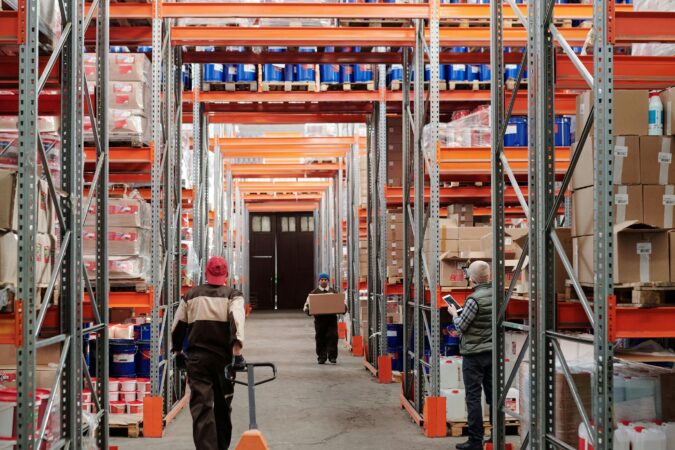
How to manage warehouse waste
Effective warehouse waste management is about prevention first, then smarter handling.
Staff training
Educate your team to understand what goes in each bin and why. Clear signage and short inductions have been found to immediately increase segregation.
Materials audit
Review what waste you produce, how much, and where. A structured waste audit highlights oversized bins, contamination issues, and cost savings.
Designated zones for waste
Create clear collection points for cardboard, plastic film, pallets, and general waste. This improves consistency and reduces cross-contamination.
Clean waste streams
Keep recyclables dry and separated. Clean cardboard and plastic contribute to higher recycling values and lower disposal costs.
Correct storage techniques
Flatten boxes, bale film or cardboard where possible, and store hazardous materials safely to meet compliance rules.
What bins does a warehouse need?
The right containers depend on your volumes, layout, and waste streams. Most warehouses use a mix of:
- Wheelie bins for paper, general waste, and light recyclables
- Large 1100L bins for high-volume packaging
- Front-end or rear-end loaders for frequent bulk waste
- Balers or compactors for cardboard and plastic film
- Skips or RoRo containers for pallets and bulky materials
- Separate containers for hazardous or WEEE waste
Right-sizing prevents overflow and reduces collection frequency, which lowers costs.
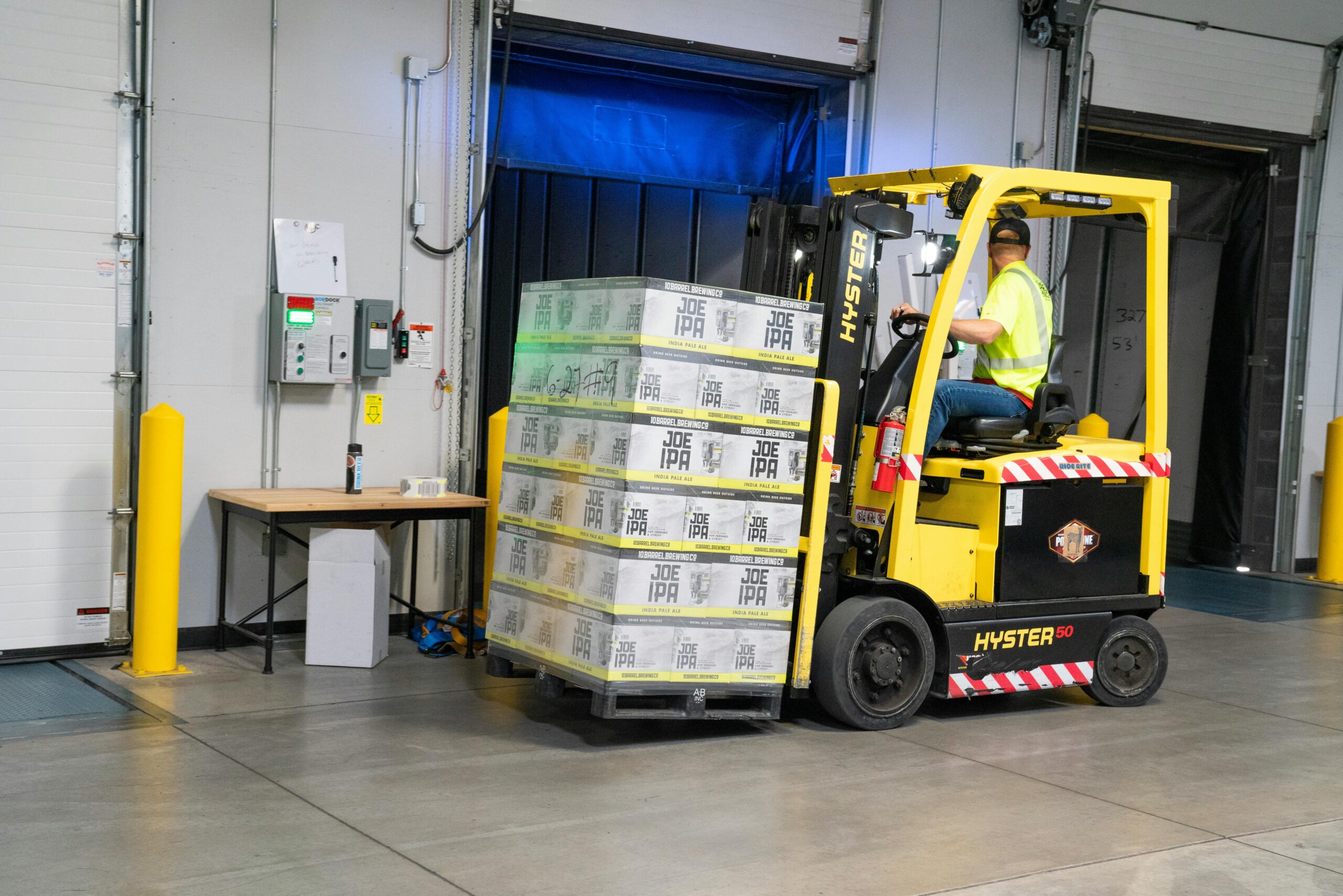
Warehouse waste management plan
A warehouse waste management plan sets out how waste is stored, segregated, collected, and reported across your site.
In practice, this means:
- Identifying each waste stream
- Estimating weekly or monthly volumes
- Assigning the correct containers
- Setting collection schedules
- Recording compliance documentation
- Reviewing performance regularly
For multi-site operations, standardising bins and processes across locations makes training easier and improves reporting accuracy. A clear plan also helps demonstrate compliance and sustainability progress to stakeholders.
Tips to decrease warehouse waste
immediately
Small changes can deliver quick wins.
Do:
- Flatten cardboard before disposal
- Separate plastic film from general waste
- Repair or reuse pallets where possible
- Track stock levels to avoid over-ordering
- Label bins clearly and consistently
- Review collection frequency quarterly
Don’t:
- Mix recyclables with food or liquids
- Let bins overflow
- Store hazardous waste with general waste
- Overfill containers beyond safe weight limits
- Ignore seasonal volume changes
With the right processes in place, warehouse waste becomes easier to manage, cheaper to collect, and recycling begins to increase. Cleaner streams, safer spaces, and better compliance all start with a clear plan and consistent habits across your team.


Have your waste collected
Get a fast FREE quote for your waste collection 0800 211 83 90
- Free quote within 1 hr
- Any type of waste
- FREE bins and delivery
- We cover all of the UK