
Fibreglass Recycling
Old fibreglass can be difficult to manage because products such as panels, pipes, roofing, vehicle parts and manufacturing offcuts are often bulky and cannot be placed in a standard plastic recycling stream.
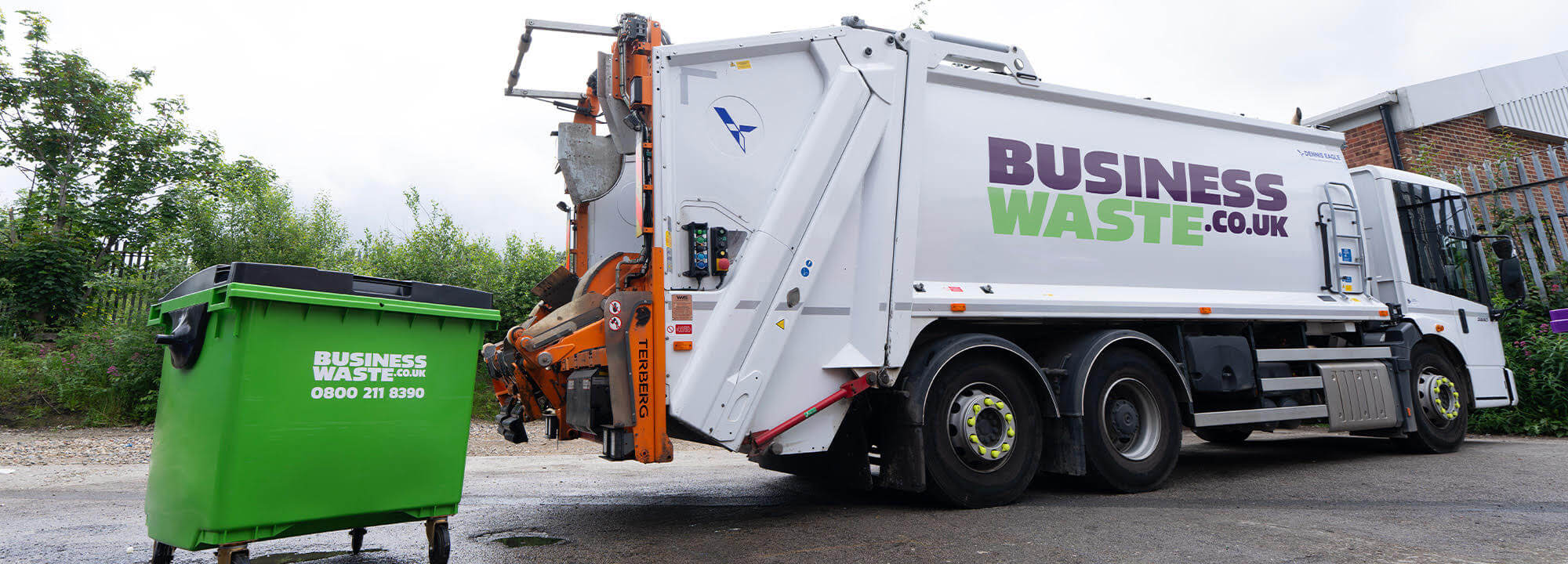
Business Waste arranges collection of suitable fibreglass and glass-reinforced plastic (GRP) waste across the UK. Tell us what material you have, how much you need removed, and whether it is a one-off load or a regular waste stream. We’ll confirm the suitable container, collection schedule and available treatment route with no hidden charges.
Your dedicated account manager can help with collection queries, container changes and additional collections when fibreglass waste builds up.

Get a free quote
Get a fast FREE quote for fibreglass recycling
- Free quote within 1 hour
- Commercial GRP and fibreglass
- FREE bins and delivery
- Nationwide UK coverage
What fibreglass waste can we collect?
We can arrange collection of multiple fibreglass items, including:
- GRP sheets and manufacturing offcuts
- Fibreglass pipes and panels
- Roofing and cladding
- Protective barriers and screens
- Vehicle body panels and bumpers
- Bathtubs and suitable bathroom products
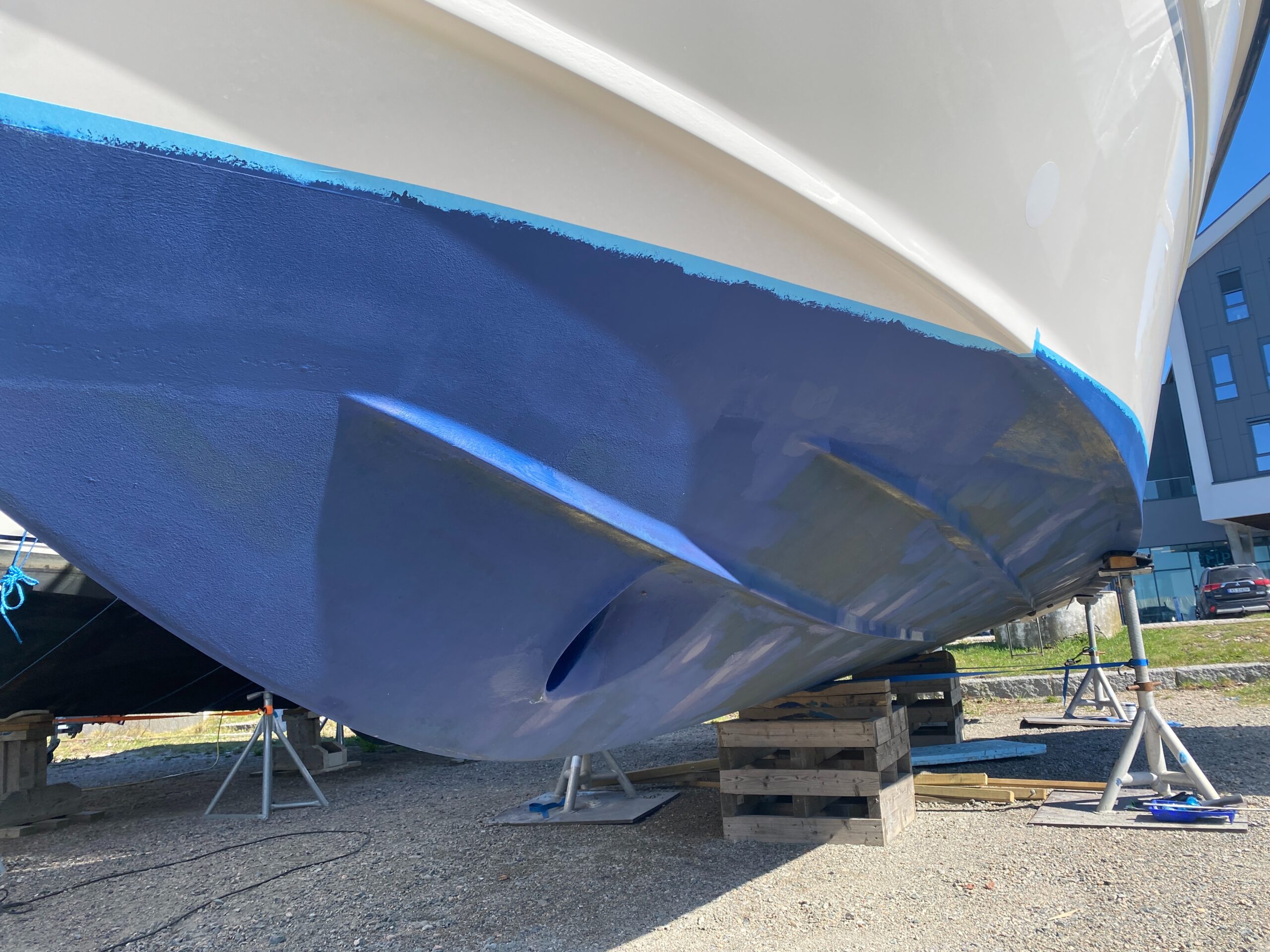
- Boat and marine components
Material must be assessed before collection, particularly where the fibreglass is combined with other materials or contaminated with chemicals, oils, coatings or hazardous substances.
If you require a one-off collection of commercial fibreglass, we can cater to your business. Speak to our team and we’ll accomodate ad hoc collections.
How fibreglass waste collection works
-
Tell us about the material
Let us know what the fibreglass is, the quantity, your location and whether you need a one-off or regular collection.
-
Agree the storage and collection setup
We confirm the appropriate container based on the size, shape and volume of the GRP you produce.
-
Keep fibreglass separate
GRP should be kept separate from standard plastic recycling and other materials where required so it reaches the correct treatment route.
-
Arrange collection
A licensed waste carrier removes the material on the agreed schedule and transfers it to an authorised facility.
-
Keep your waste records
Business Waste Ltd provides the relevant Duty of Care paperwork and Waste Transfer Note for the collection.
What is glass reinforced plastic?
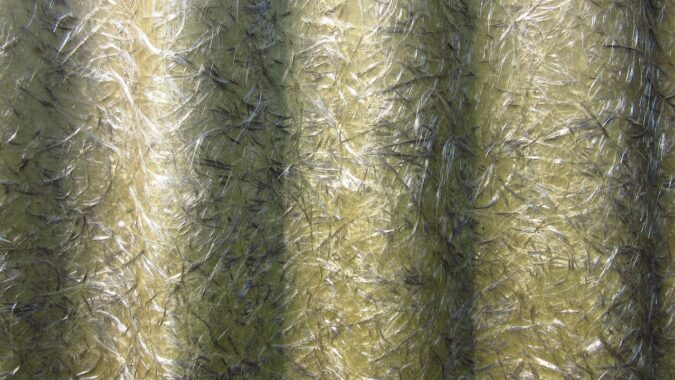
Glass reinforced plastic, also known as fibreglass, is a composite material made by reinforcing a plastic resin with glass fibres. It’s a type of plastic reinforced with fine fibres made of glass and resin. This makes it a strong, durable, lightweight, and flexible material with many uses.
GRP is waterproof, easy to repair, and rot- and impact-resistant. There are more than 40,000 applications of fibreglass across many industries. It’s used for everything from boat manufacturing to wind turbines.
Common items made from or that include fibreglass are:
- Swimming pools
- Boat hulls
- Protective barriers
- Surfboards
- Circuit boards
- Car bumpers
- Bathtubs
- Windows
- Roofing
- Spas and hot tubs
How is fibreglass recycled?
Fibreglass is more difficult to recycle than many single-polymer plastics due to its combination of fibres. Available recycling and recovery routes depend on the material, contamination, local infrastructure and the facility receiving the waste.
Some GRP can be mechanically processed by cutting or grinding it into smaller material for use in other products. Other composite recovery technologies are also developing, but recycling routes are more limited than for common plastics such as HDPE or polypropylene.
Why is fibreglass recycling important?
Fibreglass is durable and difficult to process once it becomes waste. Keeping GRP separate gives it the best chance of reaching an appropriate recycling or recovery route rather than being mixed with general waste.
For businesses producing regular fibreglass offcuts or bulky GRP products, a dedicated collection helps keep the material contained and makes collection planning easier.
Which businesses produce fibreglass waste?
Any organisation that produces waste fibreglass should send it for recycling. Recycling fibreglass can save your company money on commercial waste disposal costs. Common industries that need to recycle fibreglass include:
-
Garages
Car bumpers, doors, hoods, timing belts, and other car parts

-
Construction
Insulation, cladding, roofing, pipes, and screens
-
Factories
Offcuts of fibreglass sheets from manufacturing processes



Arrange waste fibreglass collection
Need to remove old GRP products or regular fibreglass offcuts? Tell us what material you have, the approximate volume and your location. We’ll confirm the available container, collection frequency and treatment route.
Read Our Customer Reviews
Efficient communication
We have worked alongside Business Waste for quite a few months now, and their efficiency with communication and resolving queries is great. Allie especially is a pleasure to liaise with. Great company from a B2B perspective
Flo Bolton-Smith
The real definition of service
The service received was simply outstanding. Business Waste gave good advice and a demonstration of a willingness to help and get me a solution.
Gregory Harrand
Great company
Great company to deal with, special thanks to Danielle who is always on the ball and sort any issues out instantly with proactive involvement with follow up phone calls and emails. I would recommend her to be the next PM to get things done, oh and as a company to deal with all the waste needs for your business.
Top Deals Online
Excellent service set up process
I was impressed by the speed of setting up the service. I made a single phone call to Business Waste and all the necessary paperwork was done efficiently.
Yahya Saeed
Fibreglass recycling FAQs
-
What can recycled fibreglass be used for?
Most recycled fibreglass is either crushed or heated in processes that destroy the material so it can’t be used like new fibreglass. Instead, crushed or powdered fibreglass is used to strengthen concrete or added to asphalt. Fibreglass waste that’s heated through the process of pyrolysis creates a pyro-oil, pyro-gas, and solid by-product.
The pyro-gas can be used as an alternative to natural gas and as a fuel for the burners of pyrolysis reactors – ensuring it’s self-sustainable. Pyro-oil is often blended with other fuel oils as its less valuable than crude oil.
-
Is fibreglass hazardous waste?
Fibreglass is not a type of hazardous waste despite being made from a combination of chemicals. It’s a type of plastic that’s not classed as hazardous. However, proper disposal and recycling of fibreglass must be done where possible to prevent the risk of environmental damage if waste fibreglass ends up in landfill.
-
Is fibreglass biodegradable?
Fibreglass is not biodegradable. Microorganisms will not break down waste fibreglass and weather conditions, chemicals, and other environmental factors won’t help GRP decompose. It won’t rot either, though exposure to UV can make it brittle. Therefore, waste fibreglass should never go to a landfill site or be sent for composting.
-
Why is fibreglass used so much?
Fibreglass is used in a wide range of products and applications for a few reasons, as it’s:
- Cheaper than the likes of carbon fibre
- Stronger than most metals with a similar weight
- Flexible for moulding into many shapes
- Impact resistant and shatterproof
- Non-magnetic and non-conductive
-
What is the lifespan of fibreglass?
The lifespan of fibreglass depends on its application. There’s no set number of years fibreglass will last, and it can be affected by environmental factors and human interaction (such as physical damage). The general lifespan of various fibreglass products are:
- Fibreglass insulation lasts between 80 and 100 years
- Fibreglass boats and roofing can last for up to 50 years
- Wind turbine blades made from fibreglass have a lifespan of 20 years
-
What recycling code is fibreglass?
Even though fibreglass is technically a type of plastic it doesn’t fall into one of the seven plastic recycling codes due to its glass contents. It’s a composite material, made from more than two materials with different physical or chemical properties. The plastic and glass fibres can’t be separated easily, so fibreglass isn’t recycled with any type of plastic.

Get a fast and free quote
Get a fast FREE quote for plastic waste collection
- Free quote within 1 hr
- Any type of waste plastic
- FREE bins and delivery
- Price-match guarantee on collections
Published 17th July 2023 by Mark Hall. Last modified 2nd October 2026