
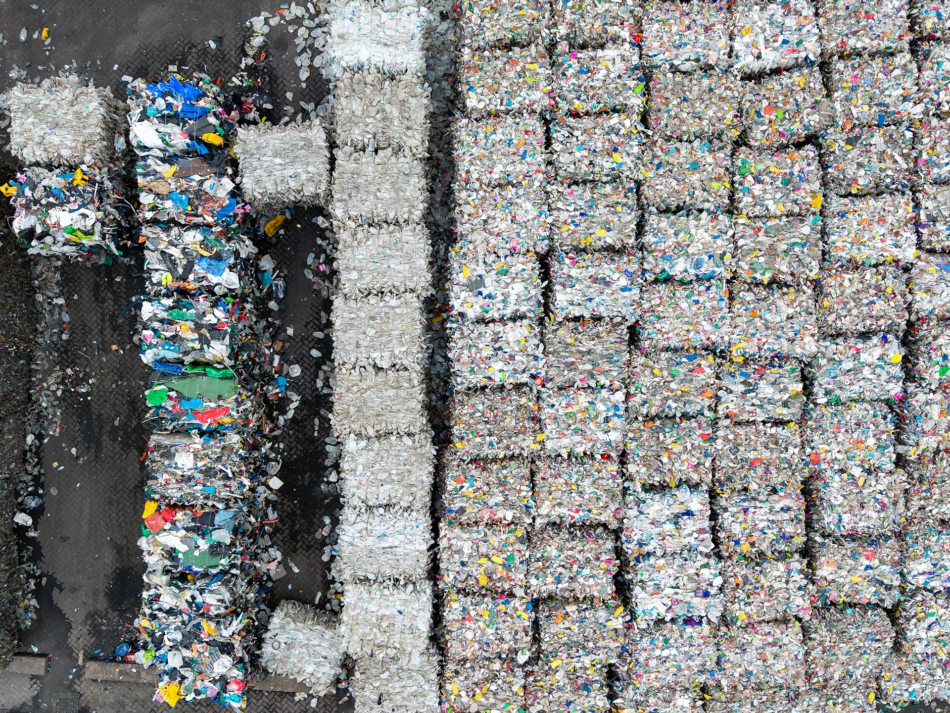
Acrylic Recycling
Acrylic sheets, signs, display panels, screens and fabrication offcuts can require a specialist recycling route when they reach the end of their useful life. Business Waste arranges acrylic recycling across the UK for suitable commercial polymethyl methacrylate (PMMA) waste with no hidden fees.
Tell us what acrylic your business produces, the approximate volume and how it is currently stored. We can confirm the suitable container and collection setup, arrange removal through licensed waste carriers and provide the relevant Duty of Care paperwork at no extra charge.
Manage your acrylic recycling alongside your other business waste through Business Waste, with one agreement, one invoice and one point of contact.

Get a free quote
Get a fast FREE quote for recycling acrylic
- Free quote within 1 hour
- PMMA plastic waste assessed
- FREE bins and delivery
- Price-match guarantee
What acrylic waste can we collect?
Whatever type of acrylic waste your business generates, we can usually arrange collection and disposal. Common examples include:
- Acrylic and PMMA sheets
- Signage and display panels
- Point-of-sale displays
- Clear acrylic barriers and screens
- Fabrication and manufacturing offcuts
- Acrylic glazing and panels
- Suitable lighting or display components
- Clean PMMA components and mouldings
Acrylic should be assessed before collection, especially where it is laminated, bonded to another material, coated or contaminated. Different acrylic products may need different recycling or treatment routes.
One-off or ad hoc collections are also available. Simply tell our team what acrylic waste you have and we’ll arrange your collection.
How commercial acrylic recycling works
-
Tell us what acrylic you have
Give us the material type, volume, site location and any information about coatings, attachments or contamination.
-
Agree on the storage setup
We confirm how your acrylic waste should be stored before collection and whether it needs to be kept separate from other plastic waste.
-
Arrange collection
A licensed waste carrier collects the material on the agreed schedule and transfers it to an appropriate recycling or treatment facility.
-
Keep your records
Business Waste provides the relevant Duty of Care paperwork and Waste Transfer Note for the collection.
What is PMMA plastic?
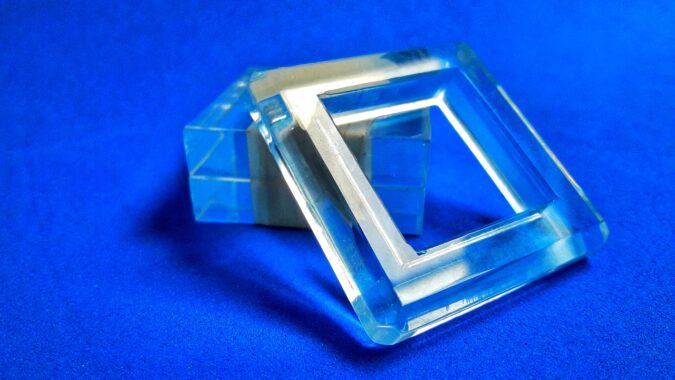
Polymethyl methacrylate (PMMA) is a rigid thermoplastic commonly known as acrylic. It is often used as a lighter alternative to glass in products such as signs, display panels, glazing, screens and protective barriers.
PMMA is often grouped under plastic resin identification code 7, which covers plastics outside the main six resin categories.
Common uses of acrylic plastic include:
- Windows
- Glasses lenses
- Signs
- Aquariums
- Hockey rinks
- LCD screens
- Security barriers
- Medical devices
Is acrylic recyclable?
PMMA acrylic can be recycled, but it usually requires a specialist recycling route. Acceptance depends on the type of acrylic, its condition and whether it is mixed with coatings, adhesives or other materials.
Business Waste can assess your acrylic waste and confirm whether a suitable recycling route is available.

How is acrylic recycled?
The acrylic recycling process depends on the type and available facility. Acrylic is first identified, sorted and cleaned to remove contaminants and other materials.
Some PMMA can be mechanically reprocessed, while chemical recycling can use depolymerisation to break the polymer back down into useful raw material. This recovered material can then be used to manufacture new acrylic products.
Acrylic is a durable plastic that can remain useful as a secondary raw material when an appropriate recycling route is available. Keeping clean PMMA separate can improve its chances of being recovered rather than mixed with residual waste.
For businesses producing regular acrylic sheets or fabrication offcuts, separating the material can also make storage and collection easier.
Which businesses produce acrylic waste?
Every organisation that uses acrylic sheets or products should send them for recycling when they reach the end of their life. Some of the main industries that should recycle acrylic include:
-
Retailers
Old signs, broken LCD screens, and security barriers

-
Factories
Any acrylic waste from manufacturing processes
-
Hospitals
Non-contaminated medical devices containing acrylic



Arrange PMMA plastic waste collection
Tell us what acrylic waste your site produces, the approximate amount and how often you need it removed. We’ll confirm the suitable collection setup and available recycling route. Your dedicated account manager can help with collection queries, container changes and adjustments as your acrylic waste volumes change.
Read Our Customer Reviews
Efficient communication
We have worked alongside Business Waste for quite a few months now, and their efficiency with communication and resolving queries is great. Allie especially is a pleasure to liaise with. Great company from a B2B perspective
Flo Bolton-Smith
The real definition of service
The service received was simply outstanding. Business Waste gave good advice and a demonstration of a willingness to help and get me a solution.
Gregory Harrand
Great company
Great company to deal with, special thanks to Danielle who is always on the ball and sort any issues out instantly with proactive involvement with follow up phone calls and emails. I would recommend her to be the next PM to get things done, oh and as a company to deal with all the waste needs for your business.
Top Deals Online
Excellent service set up process
I was impressed by the speed of setting up the service. I made a single phone call to Business Waste and all the necessary paperwork was done efficiently.
Yahya Saeed
Acrylic recycling FAQs
-
Is acrylic biodegradable?
Acrylic plastic is not biodegradable. Bacteria and microorganisms cannot break down acrylic and it can take hundreds of years for it to eventually decompose through natural processes. Acrylic is commonly used due to its resistance to degradation. Therefore, waste acrylic should be recycled and disposed of responsibly as it won’t biodegrade in landfill.
-
What plastic code is acrylic?
Acrylic and PMMA waste are classed under plastic recycling code 7. This is because it’s harder to recycle than the other six types of plastic. It can be stored with other waste plastic but will be recycled separately due to its properties and the depolymerisation process. Other plastics that fall under code 7 include polycarbonate, ABS, and fibreglass.
-
Is acrylic plastic toxic?
Acrylic plastic is not toxic and has similar properties to glass. It doesn’t release chemicals at normal temperatures and is safe for the storage of food and drink. However, toxic fume may be released during the production of acrylic and if it’s disposed of improperly it may release chemicals into the environment, such as in landfill.
-
How is acrylic made?
Acrylic is made through polymerisation. The monomer methyl methacrylate is added to a catalyst that causes a reaction and joins carbon atoms together in a chain. This stabilises the final acrylic. The acrylic is either extruded or cast.
Extrusion forces acrylic through a nozzle to form rods and more shapes. Cast acrylic involves pouring the acrylic resin into a mould. Often this is between two sheets of glass. They’re heated and pressurised to remove any bubbles, then the edges are sanded and buffed to form sheets of acrylic.
-
Can you melt acrylic plastic?
Acrylic plastic has a melting temperature of 160 °C. Melting or incinerating acrylic should be avoided as it can release harmful emissions into the atmosphere. Acrylic has high durability and is resistant to degradation, so it’s safe to use at normal temperatures and will retain its properties when heated.

Get a fast and free quote
Get a fast FREE quote for plastic waste collection
- Free quote within 1 hr
- Any type of waste plastic
- FREE bins and delivery
- We cover all of the UK
Published 5th July 2023 by Mark Hall. Last modified 2nd October 2026