
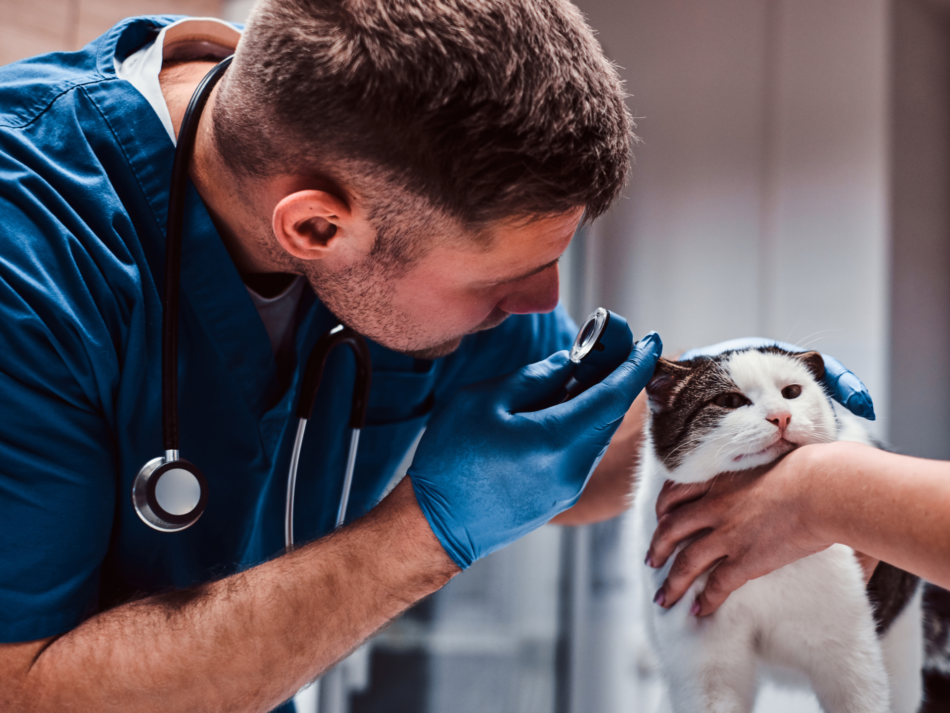
Veterinary Waste Disposal
Business Waste arranges veterinary waste disposal and collections for veterinary practices, surgeries and animal healthcare facilities across the UK.
We can provide containers and collections for sharps, infectious clinical waste, offensive waste, medicines, anatomical waste and other agreed veterinary waste streams, alongside routine recycling and residual waste.
Tell us the waste streams your practice produces, average volumes and postcode, and we’ll help confirm the appropriate containers and collection requirements.
 Collections in the last 7 days

Get a free quote
Get a quote for veterinary waste disposal
- Free quote within 1 hour
- Clinical, sharps and medicine waste collections
- Containers matched to each waste stream
- Nationwide veterinary waste services
From local businesses to household names



Waste services for veterinary practices
We can build your waste service around the treatments carried out at your practice and the waste streams produced. This can include:
- Veterinary clinical waste collections for infectious waste and other correctly classified clinical streams.
- Sharps and medicine waste collections using the appropriate containers for the contamination involved.
- Anatomical and offensive waste services where these streams arise from treatment and animal care.
- Routine waste and recycling collections for cardboard, packaging, food waste and residual waste from non-clinical areas.
- One-off and scheduled collections for routine veterinary waste, expired medicines or occasional specialist streams.
- Routine and agreed specialist waste managed through one account, reducing the need to arrange separate suppliers for individual streams.
How does veterinary waste collection work?
-
Tell us about your practice
Provide the veterinary services you offer, waste streams produced, volumes and postcode.
-
We confirm suitable containers
Different containers are matched to sharps, medicines, infectious waste, offensive waste and other agreed streams.
-
Separate and store each stream
Keep veterinary waste in the correct labelled container and store it securely before collection.
-
We arrange collection
Registered waste carriers remove the waste and transfer it to an authorised treatment or disposal facility.
-
Keep the correct records
Waste Transfer Notes or hazardous-waste consignment documentation are used according to the waste classification.
Veterinary clinical waste disposal
Veterinary clinical waste must be classified according to what it contains and the risk it presents. Infectious waste, medicines, sharps, anatomical waste and non-infectious offensive waste do not all use the same container or treatment route.
Our medical waste disposal services for veterinary practices can cover the agreed streams your surgery produces, with containers and collections matched to the waste classification.
Some veterinary treatment waste is clinical or hazardous, but practices also produce non-clinical waste such as packaging, food waste and routine recyclables. Each stream should be classified according to its contents and properties.
What waste do veterinary practices produce?
Veterinary waste is simply any waste produced within a veterinary practice or surgery. Most vet waste is classified as clinical waste as it’s produced within a healthcare setting and is potentially hazardous. However, even packaging for animal feed and general waste created by staff and clients counts as veterinary waste.
Some of the main types of vet waste include:
- Infectious clinical waste
- Healthcare offensive waste
- Sharps
- Cytotoxic and cytostatic medicines
- Other waste medicines
- Anatomical waste
- Hazardous and non-hazardous chemicals
- Routine dry recycling
- Food waste
- Residual waste
- WEEE and batteries, where relevant.
Veterinary waste bins and containers
There are various bins, bags, and containers to safely store veterinary waste before collection. Each veterinary waste bin is designed to hold a specific kind of waste, reducing the risk of contamination and ensuring proper disposal. Explore some common veterinary waste bins, bags, and containers and their uses.
-
Cytotoxic and cytostatic waste bags
Cytotoxic and cytostatic waste requires the appropriate purple-coded container for the item involved. Soft waste, medicinal containers and sharps should not automatically be placed in the same type of packaging.

-
Anatomical waste containers
Animal tissue and body parts require a dedicated collection route. The classification and container depend on infection risk, chemical preservation and whether animal-by-product controls apply.
-
Non-infectious clinical waste bags
Suitable for non-infectious animal healthcare waste such as certain dressings or protective clothing contaminated with body fluids where there is no infectious, pharmaceutical or chemical contamination.
-
Chemically contaminated infectious waste bags
Yellow clinical-waste packaging is used where infectious waste is also contaminated by hazardous chemicals.
-
Wheelie bins
For routine residual waste and agreed dry recycling from reception, office, staff and other non-clinical areas.
-
Sharps bins
The correct sharps container depends on whether the item is contaminated with cytotoxic/cytostatic medicines, other medicines or another clinical material.



Veterinary waste collection
Arrange veterinary waste collection and disposal with Business Waste. Our nationwide network means we work with licensed waste carriers across the UK who can easily collect and transport your vet waste for safe and compliant disposal. From city centre to suburban and countryside veterinary practices, we offer solutions for all.
Collection frequencies should reflect the waste stream, container size, treatment activity and how quickly each container fills. One-off collections can be arranged for expired medicine stocks, practice clear-outs, equipment replacement or occasional specialist waste alongside regular clinical-waste services.
After collection, your waste will go to the treatment or disposal route appropriate to its classification.
Case study: Veterinary medicines waste support for Vetalia
Vetalia takes a different approach to veterinary care, providing an online-first medicines service led by a practising UK veterinary surgeon. While it doesn’t operate like a traditional veterinary clinic, handling veterinary medicines still creates a need for safe and compliant pharmaceutical waste management.
We provide Vetalia with a 9-litre Pharmi unit, giving the business a dedicated container for pharmaceutical waste rather than mixing unwanted medicines with general or other waste. The unit is collected every six months, matching the relatively small amount of waste the business generates.
Pharmaceutical waste remains securely segregated between collections and is removed through an appropriate waste route, without the need for the broader clinical waste setup typically required by a veterinary surgery.
Read Our Customer Reviews
Efficient communication
We have worked alongside Business Waste for quite a few months now, and their efficiency with communication and resolving queries is great. Allie especially is a pleasure to liaise with. Great company from a B2B perspective
Flo Bolton-Smith
The real definition of service
The service received was simply outstanding. Business Waste gave good advice and a demonstration of a willingness to help and get me a solution.
Gregory Harrand
Great company
Great company to deal with, special thanks to Danielle who is always on the ball and sort any issues out instantly with proactive involvement with follow up phone calls and emails. I would recommend her to be the next PM to get things done, oh and as a company to deal with all the waste needs for your business.
Top Deals Online
Excellent service set up process
I was impressed by the speed of setting up the service. I made a single phone call to Business Waste and all the necessary paperwork was done efficiently.
Yahya Saeed
Veterinary waste classification and paperwork
Veterinary healthcare wastes generally sit within the 18 02 waste-code chapter for waste from the diagnosis, treatment or prevention of disease involving animals. Individual codes then distinguish sharps, infectious waste, medicines, chemicals and non-infectious waste.
Hazardous veterinary waste requires the relevant consignment documentation and record-keeping for the UK, where the practice operates.
In England, veterinary practices already in scope of Simpler Recycling must separate ordinary food waste, dry recyclable materials and residual waste before collection. These requirements sit alongside the separate classification and disposal rules for clinical, medicinal and hazardous veterinary waste.
Veterinary clinical-waste services may also require a periodic waste audit so the receiving facility has current information about the waste streams and classifications produced by the practice.
Vet waste collection FAQs
-
How can you reduce veterinary waste?
There are a few steps you can take to reduce the amount of waste produced at a veterinary practice. These include:
- Reducing how many single-use plastics or similar products you use onsite.
- Setting up a recycling scheme within the practice. Ensure all members of staff are aware of the steps they can take to reduce waste.
- Carefully managing stock and supplies, ensuring that you’re aware of the use-by dates on medications and similar products.
- Investing in reusable PPE garments, such as surgical masks, to avoid throwing away lots of items in a single day.
- Donating materials you no longer need (but remain useful) to local charities. For example, animal shelters will accept donations of bedding and blankets.
-
How often can veterinary waste be collected?
Veterinary waste can be collected as often as necessary – depending upon the amount of waste you produce at your facility every day. As a result, you may require daily, weekly, or fortnightly collection. Our flexible collection schedules mean you can adapt to meet your changing needs too.
-
How do vets dispose of chemical waste?
Vets can produce a range of chemical waste such as sterilisers and disinfectants, photographic chemicals, disinfectant, and x-ray solutions. These need to be stored in separate chemical waste bins and containers to avoid contamination or causing harm to human health. After collection and removal, most chemical waste from a vet practice is incinerated for safe disposal.

Get a fast and free quote
Get a quote for veterinary waste disposal
- Free quote within 1 hour
- Clinical, sharps and medicine waste collections
- Containers matched to each waste stream
- Nationwide veterinary waste services
Published 13th April 2022 by Mark Hall. Last modified 30th October 2026