
How Is WEEE Recycled? 4 Innovations in 2026
E-waste, or electronic waste, is discarded electrical and electronic equipment. In the UK, it is often referred to as WEEE, which stands for Waste Electrical and Electronic Equipment.
Common examples include old laptops, desktop computers, monitors, mobile phones, printers, cables, chargers, batteries, vapes, circuit boards, and other electronic components.
For businesses, e-waste is one of the most valuable waste streams produced, but also one of the easiest to handle incorrectly. Many electrical items contain reusable metals, critical minerals, plastics, batteries, hazardous parts, or data-bearing components.
That means old electronics should not be treated as ordinary waste. They are a resource, a compliance responsibility, and in some cases, a safety risk.
Key takeaways
E-waste recycling usually involves collection, sorting, dismantling, shredding, material separation, and specialist recovery.
Depending on the item, this may include:
- Removing batteries and hazardous parts
- Separating plastics, glass, and metals
- Recovering copper, aluminium, steel, gold, silver, and palladium
- Processing circuit boards separately
- Destroying or wiping data-bearing equipment
- Sending recovered materials back into manufacturing
Recovered e-waste can be turned into new metals, manufacturing feedstock, replacement components, jewellery, construction materials, plastics, and new electronic parts.
The challenge is complexity. A single device can contain many different materials in a small space, which makes separation difficult. That is why new technology is now playing a bigger role in e-waste recycling, from recovering gold and rare earth magnets to detecting hidden batteries and managing vapes as a dedicated WEEE category.
4 e-waste recycling innovations changing electrical waste
in 2026
1. The Royal Mint is recovering gold from old circuit boards
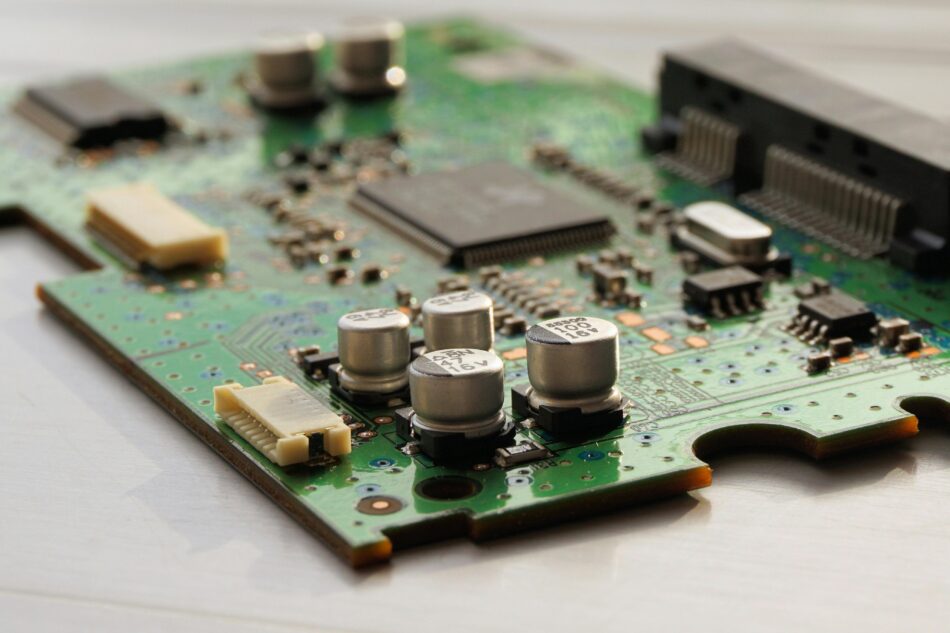
The Royal Mint has opened a precious metals recovery facility in Llantrisant, South Wales, designed to extract gold from printed circuit boards found in e-waste. The facility can process up to 4,000 tonnes of printed circuit boards every year. Approximately 30X the weight of a fully-grown blue whale.
This is significant because circuit boards from phones, laptops, computers, and other electronics contain small amounts of precious metals. Traditionally, these materials could be exported, incinerated, or processed through more carbon-intensive routes.
The Royal Mint’s approach shows how old electronics can become a domestic source of high-purity recovered gold. It also supports a wider circular economy model, where valuable materials are recovered and reused rather than lost from the UK waste stream.
For businesses, this makes one thing clear: old IT equipment should not be treated as low-value rubbish. Even small devices can contain recoverable materials.
What it could mean
- More valuable materials recovered in the UK
- Less reliance on traditional mining
- Stronger business case for separating WEEE properly
- More interest in circuit board recycling as a specialist stream
2. Rare earth magnets are being recycled in the West Midlands
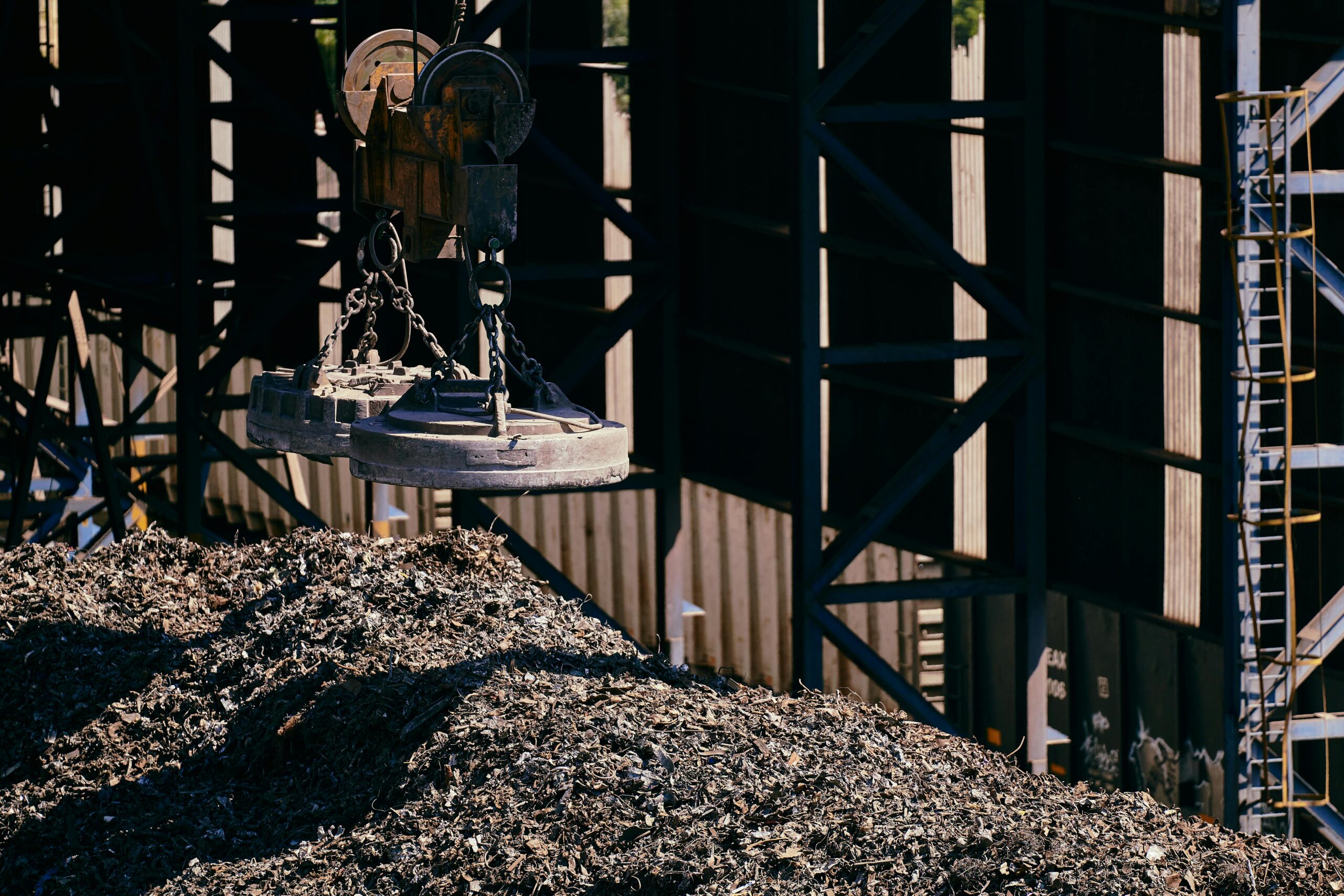
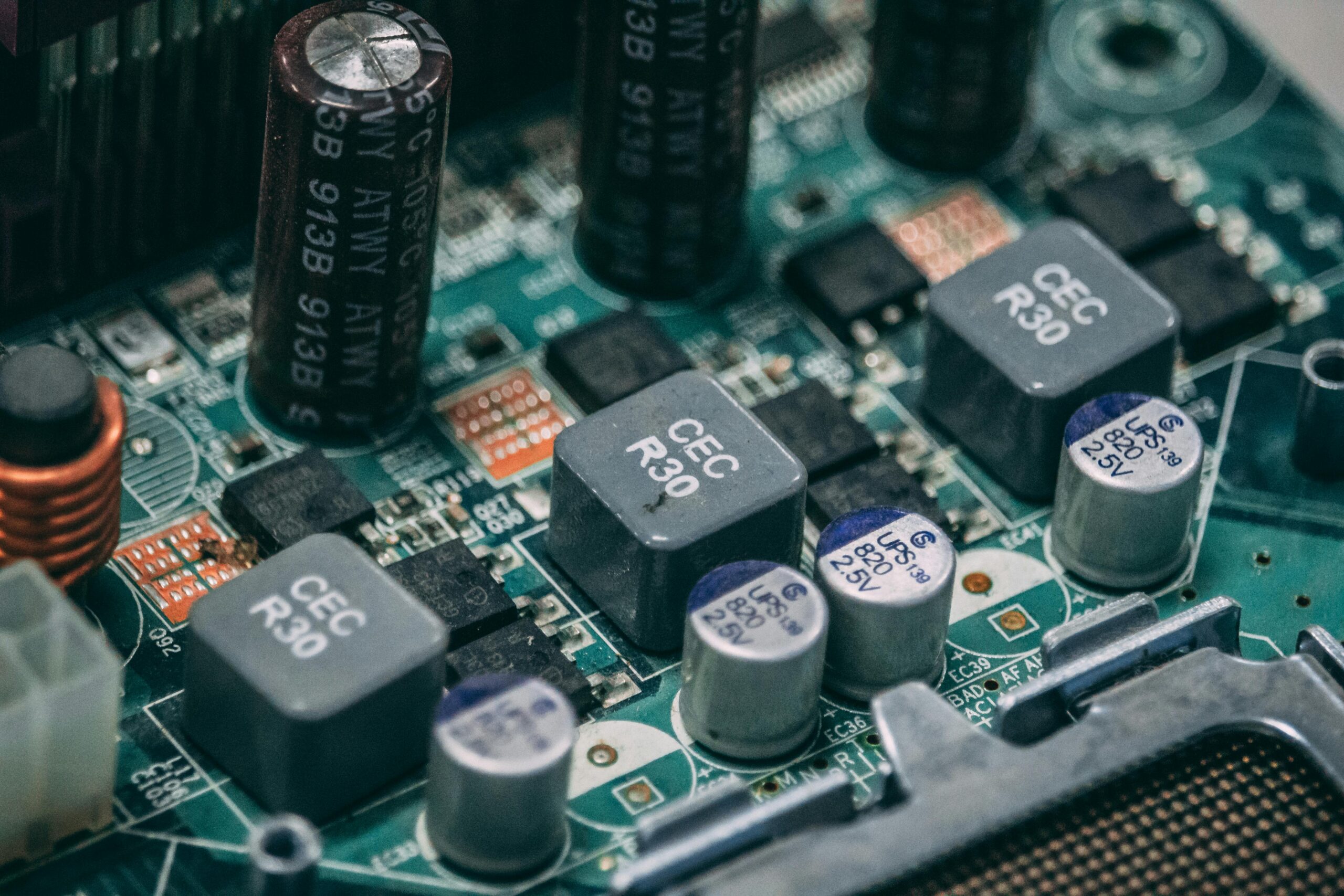
The University of Birmingham launched a rare earth magnet recycling facility in the West Midlands in January 2026. The facility is designed to recover and recycle rare earth magnets, helping support the UK rare earth value chain.
Rare earth magnets are used in modern technology, including electric vehicles, wind turbines, robotics, medical equipment, pumps, and consumer electronics. They are small, powerful, and strategically important.
HyProMag has also validated new recycling routes for rare earth magnets, with Innovate UK Business Connect reporting in March 2026 that the company had restored UK rare earth magnet manufacturing for the first time in 25 years.
E-waste recycling is no longer just about recovering obvious materials like steel and aluminium. It is increasingly about recovering critical minerals and specialist components that support future manufacturing.
What it could mean
- More UK-based recovery of critical materials
- Less dependence on imported rare earth supplies
- Greater value in old motors, drives, and electronic components
- A stronger link between waste management and clean technology supply chains
3. AI and X-ray systems are being used to detect hidden batteries
Hidden batteries are one of the biggest risks in e-waste recycling. If lithium-ion batteries are crushed or damaged during processing, they can cause fires in recycling facilities, collection vehicles, or waste handling sites.
The GRINNER project is developing an autonomous AI-enabled robotic sorting system that detects and removes e-waste containing batteries before it reaches crushing or consolidation machinery. The system combines energy-resolved X-ray detectors, software analysis, and robotic picking.
This is a practical innovation, not just a technical one. Battery-related fires can disrupt waste services, damage facilities, and put workers at risk. Better detection helps make e-waste recycling safer and more efficient.
What it could mean
- Fewer battery fires in recycling and waste facilities
- Safer processing of mixed electrical waste
- Better separation of battery-containing devices
- More reliable WEEE recycling operations
For businesses, the lesson is simple: battery-powered items should be separated and handled correctly from the start. That includes vapes, power tools, laptops, phones, tablets, and rechargeable devices.
4. Vapes are now treated as a dedicated WEEE category
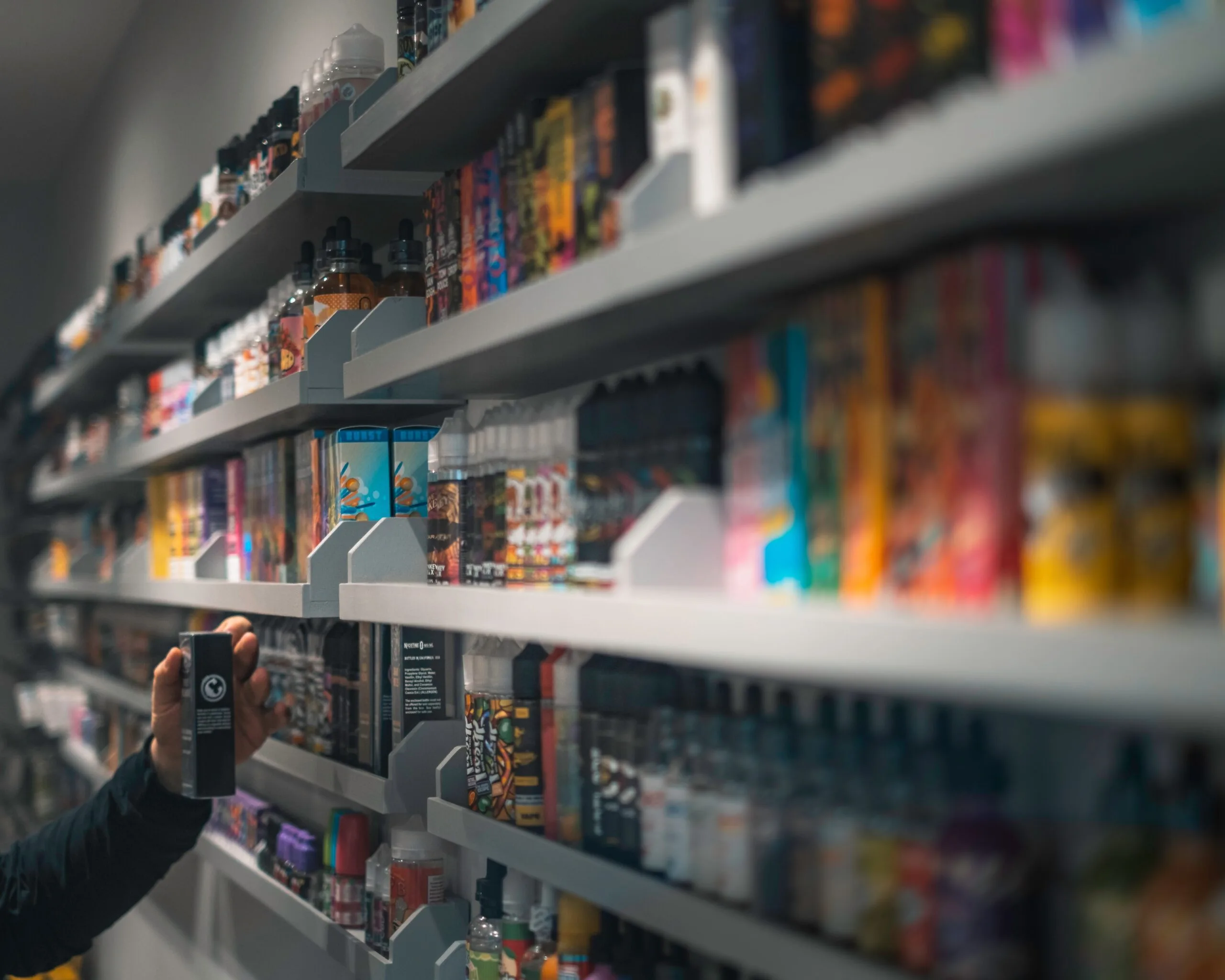
Vapes have become one of the clearest examples of how quickly a new product can create a waste challenge.
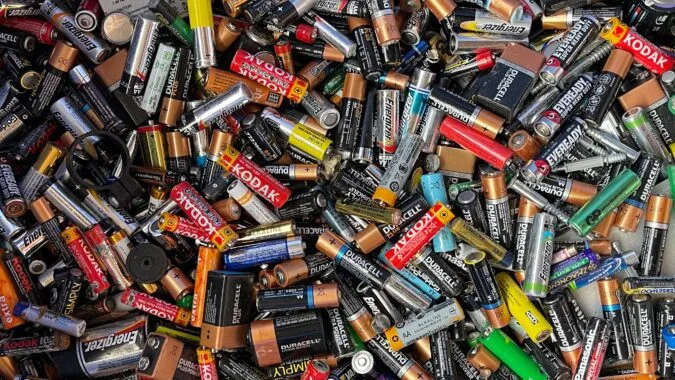
The UK WEEE Regulations were amended in 2025 to introduce a dedicated category for vapes and e-cigarettes. Category 15 covers disposable e-cigarettes, rechargeable vaping devices, vape pods, cartridges, and associated charging equipment.
GOV.UK guidance has also been updated to reflect Category 15, which includes vapes, electronic cigarettes, heated tobacco products, and related electrical items.
This matters because vapes combine multiple waste issues in one small product:
- Batteries
- Plastics
- Metals
- Electronic components
- Liquid residues
They should not be placed in the general waste. They require targeted collection and treatment because their composition creates both recycling and safety challenges.
What it could mean
- More specialist vape collection routes
- Better battery recovery
- Lower fire risk from discarded vapes
- Clearer producer and retailer responsibilities
- More pressure on businesses to separate small electrical waste correctly
Expert insight
Mark Hall, WEEE waste expert and Co-Founder at Business Waste, comments:
Final thoughts
E-waste recycling in 2026 is becoming smarter, safer, and more valuable.
For businesses, the practical takeaway is simple. If it has a plug, battery, cable, circuit board, screen, or electronic component, it needs proper handling.
The future of e-waste recycling may be innovative, but it still depends on one basic step: separating electrical waste correctly before it leaves your site.


Have your waste collected
Get a fast FREE quote for your waste collection 0800 211 83 90
- Free quote within 1 hr
- Any type of waste
- FREE bins and delivery
- We cover all of the UK