
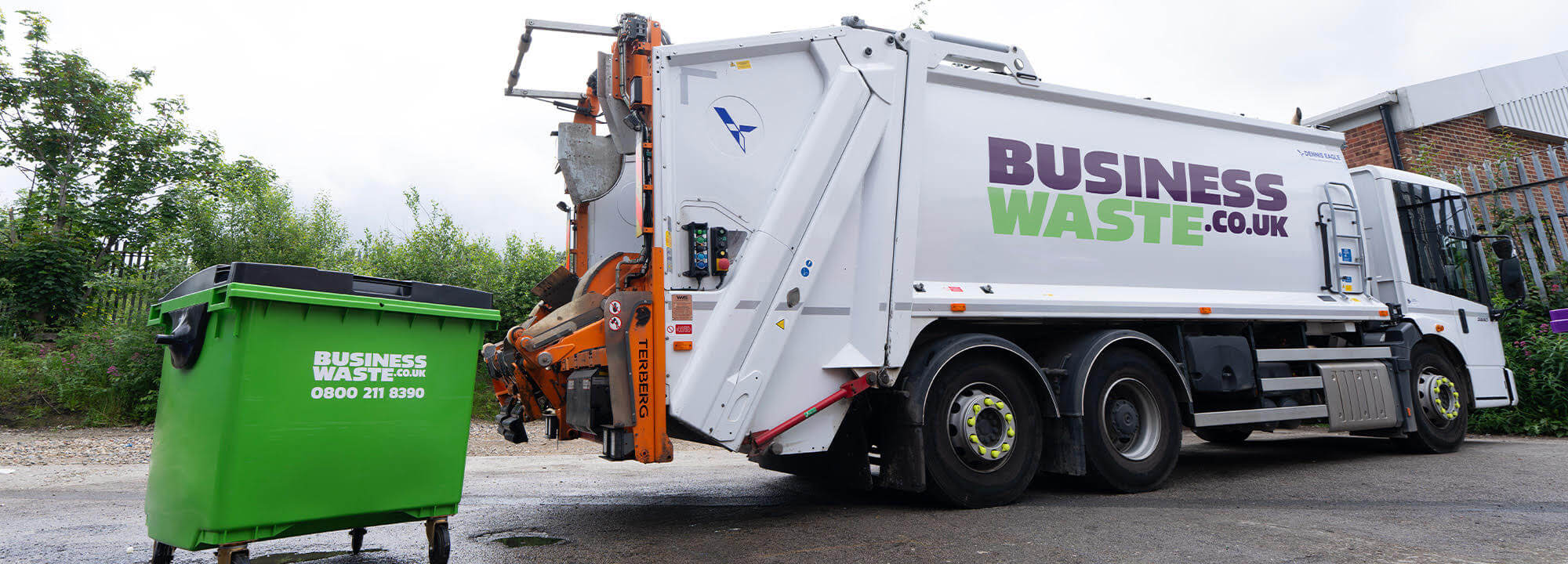
Garage And Automotive Waste Management
Garages and automotive workshops create a wide range of waste every day. This includes used oil, filters, tyres, scrap metal, cardboard, plastics, and general waste from routine servicing and repairs. Managing these waste streams effectively reduces costs, improves safety, and helps garages meet their legal duties under the Environmental Protection Act 1990 and the Hazardous Waste Regulations. Research and adhere to any local rules that may apply in your area.
Reducing waste is the most cost-effective approach. It helps to lower disposal fees, avoid unnecessary collections, and limit the volume of hazardous materials stored on site. These practical steps help garages cut waste at the source while protecting staff and the environment.

Get a free quote
Get a fast FREE quote for your garage waste collections
- Free quote within 1 hr
- Any type of waste
- FREE bins and delivery
- We cover all of the UK
Why is it important to
reduce garage waste?
Garages handle many materials that can damage the environment if stored or disposed of incorrectly. Reducing waste helps:
- Lower waste disposal and collection costs
- Improve compliance with waste oil, hazardous waste, and Duty of Care requirements
- Reduce contamination risks and spills
- Improve workshop efficiency and space management
- Minimise fire risks from poor storage of flammable waste
- Reduce your carbon footprint by reusing and recycling more
Garages must store waste securely, separate hazardous materials, and use licensed waste carriers. Further, they should maintain records of required paperwork, such as hazardous waste consignment notes. Reducing waste makes meeting these requirements simpler and cheaper.
Ways to reduce waste
in a garage
Waste in garages typically originates from servicing work, part replacements, deliveries, and daily operations. The tips below help control costs and minimise waste.
- Reduce waste oil and fluids
Used oil, coolant, brake fluid, and transmission fluid count as hazardous waste. Reducing them helps cut disposal costs and improves compliance.
- Carry out regular stock checks to avoid ordering excess
- Buy high-quality oils and fluids that last longer
- Use drip trays to prevent spills and waste
- Train staff to measure accurately to avoid overfilling
- Store oils in labelled, sealed containers to prevent leaks and contamination
- Keep waste oil separate from other waste streams to avoid mixed liquids
- Manage any leaks through the use of drip trays
- Minimise tyre and parts waste
Tyres, brake pads, filters, and exhaust components make up a large proportion of garage waste.
- Rotate tyres and offer repairs when safe to extend their life
- Avoid unnecessary part replacements
- Return parts to suppliers where take-back schemes exist
- Choose reusable or rebuildable components where possible
- Store parts correctly to avoid damage through poor handling
- Reduce packaging and general waste
Garages receive constant deliveries, often wrapped in cardboard, plastic, and protective packaging.
- Ask suppliers for minimal or recyclable packaging
- Consolidate deliveries to cut waste and save space
- Reuse cardboard boxes for storage
- Flatten cardboard immediately to reduce bin volume
- Provide clear recycling points for staff in the workshop and office
- Improve segregation to increase recycling
Many garages produce recyclable metal, plastic, cardboard, and batteries; however, mixing them with general waste increases costs and reduces recycling.
- Separate metals such as brake discs, exhausts, and scrap components
- Provide labelled bins for cardboard, plastics, and metal
- Keep hazardous waste (oil filters, oily rags, batteries) separate
- Add a battery collection point for small, portable batteries
- Train staff on what goes where, using simple signage
Good segregation reduces contamination, improves recycling rates, and lowers disposal fees.
- Manage hazardous waste responsibly
Garages generate several hazardous waste types, including:
- Use reusable absorbent pads where possible
- Store absorbents indoors to avoid unnecessary contamination
- Drain oil filters properly to reduce hazardous weight
- Switch to refillable aerosols or pump sprays
- Keep a spill kit on site and train staff to avoid over-use
- Store hazardous waste away from drains in sealed, labelled containers
- Ensure all collection paperwork is organised and up-to-date
This supports compliance with Duty of Care requirements and reduces disposal charges linked to hazardous waste weight.
How to reduce metal waste
in garages
Metal waste is often the easiest to recycle and can even generate revenue through metal recycling rebates.
- Set aside a dedicated scrap metal area
- Avoid mixing metal parts with general waste
- Work with a licensed scrap collector for regular pickups
- Remove plastic or rubber before recycling metal, where possible
- Reuse storage racks and metal containers for loose parts
Read more waste reduction guides
Offices produce all sorts of waste with many steps to minimise it, but they’re not the only workplaces with work to do. Explore more ways to reduce waste across other sectors and for specific materials in our detailed guides.
-
How to reduce retail waste

-
How to reduce hotel waste
-
How to reduce home waste


Get a fast and free quote
Get a fast FREE quote for your office waste collections
- Free quote within 1 hr
- Any type of garage waste
- FREE bins and delivery
- We cover all of the UK
Published 22nd December 2025 by Mitch Thorne. Last modified 2nd September 2026