Seven Waste Mistakes Dental Practices Should Avoid
A 2026 paper on dental waste training found that 56% of staff involved in a dental waste project lacked confidence in their understanding of waste segregation. The same paper also cited research suggesting that up to half of clinical waste may be placed in the wrong waste stream.
Dental practices produce multiple waste streams, including infectious waste, clinical waste, and amalgam waste. Incorrect segregation can increase disposal costs, lead to compliance issues, put staff safety at risk, and reduce opportunities for appropriate recycling and recovery.
What waste mistakes should dental practices avoid?
- Using the wrong sharps container
- Putting everything in clinical waste
- Throwing clinical waste into the general bin
- Mixing amalgam with other waste
- Only discussing waste handling during staff inductions
- Assuming the waste company is responsible for everything
- Forgetting to label bags and containers
Why dental waste segregation matters
Clinical, offensive, sharps, amalgam, general, dry mixed recycling (DMR), confidential, and WEEE waste can all be produced within a single dental practice. Some of these waste streams require specialist treatment, while others can be collected through standard waste or recycling services.
If staff are unsure where particular items should be disposed of, waste segregation can quickly become inconsistent.
This can lead to:
- Higher disposal costs
- Unnecessary specialist treatment of non-clinical waste
- Rejected or contaminated waste loads
- Sharps injuries
- Duty of Care compliance issues
- Avoidable environmental harm
Over-disposing of waste can also increase costs. Placing clean, uncontaminated items into clinical waste bins means paying for specialist treatment when it is not required.
The goal is not to dispose of more waste, but to ensure every item goes into the correct container.
1. Using the wrong sharps container
Around 32% of sharps injuries are linked to disposal-related causes, including sharps being placed in overfilled containers or needles being left loose.
The correct sharps container depends on whether the item is contaminated with:
- Medicinal products
- Chemicals
- Infectious materials
A suitable sharps container should be:
- Assembled correctly
- Clearly labelled so the source can be identified
- Positioned close to where sharps are used
- Closed and locked once it reaches the fill line
Staff should never:
- Fill past the approved fill line
- Reopen a permanently closed container
- Compact contents to create more space
For more information on compliant sharps containers, visit our dedicated sharps bin page.
2. Putting everything in clinical waste
Staff may feel it is safer to place anything used near patients into clinical waste containers. However, this is not always the correct disposal route. Clean packaging, uncontaminated paper, and other non-clinical items may be suitable for general waste or recycling.
Clinical waste requires specialist treatment and is typically more expensive to dispose of. If unsuitable materials are placed in this waste stream, your practice could be paying for unnecessary specialist treatment.
You can help reduce this risk by:
- Training staff on correct clinical waste segregation
- Providing clear examples of what belongs in each waste container
- Making the appropriate bins easy to access throughout the practice
3. Throwing clinical waste into the general bin
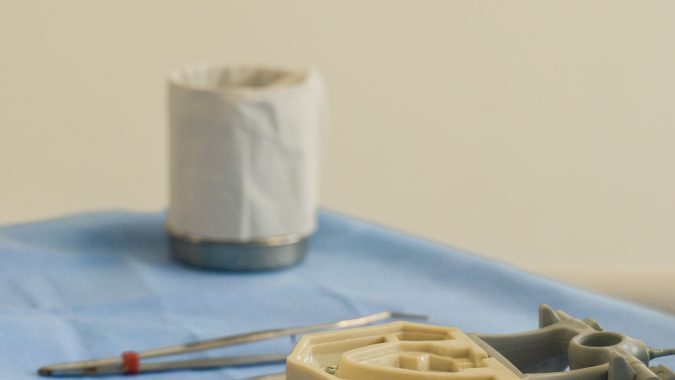
Reverse the process, and you’re also in trouble. Clinical waste, such as infectious swabs, dressings, and other contaminated items, should not be mixed with everyday workplace rubbish.
Sharps should also never be loose in general waste or recycling bags. Once a sharp or clinical item is hidden in other waste streams, it can cause injuries to dental staff, cleaners, waste collection crews, and treatment workers.
Safety starts at the location where the waste is produced.
Mark Hall, Waste Management expert at Business Waste, encourages dental practices to get the basics right on site.
4. Mixing amalgam with other waste
Dental amalgam waste is not just another clinical waste stream. Because it contains mercury, it must be collected and disposed of separately.
It should never be placed in:
The waste generated from placing or removing amalgam fillings needs separate collection. This waste includes:
- Amalgam residue
- Used amalgam capsules
- Separator contents
- Extracted teeth containing amalgam
Ensure staff are equipped with the knowledge to differentiate between amalgam waste, other sharps, and clinical waste. Practices should use clearly labelled containers to support staff in practising correct segregation.
5. Only discussing waste handling during staff inductions
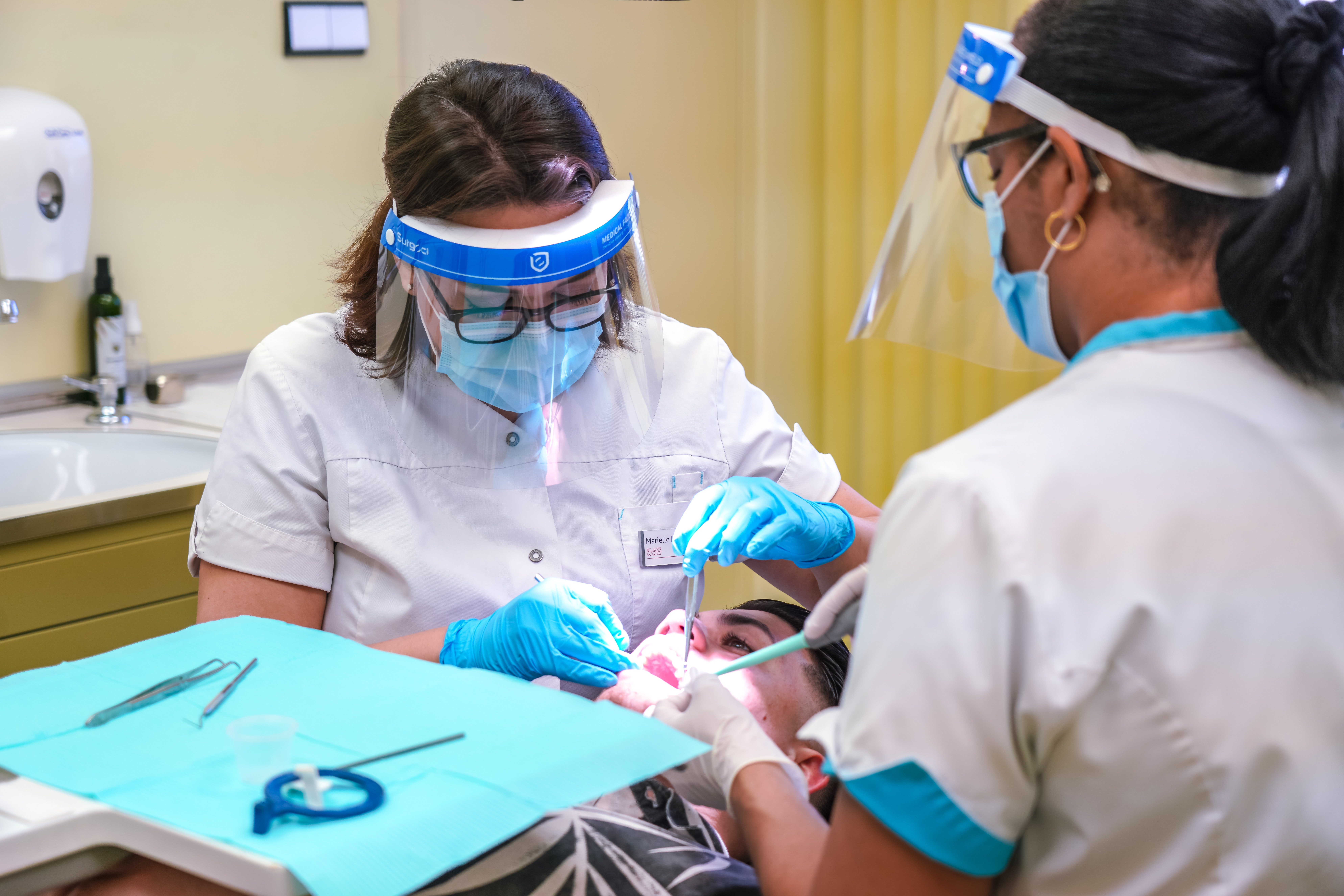
Waste training isn’t something that should only be mentioned fleetingly in a staff member’s induction. Best practices should always be evolving in a dental practice.
Waste procedures can change when:
- New treatments are introduced
- Equipment changes
- Suppliers change
- Waste contractors change
- Legislation or guidance changes
- Staff roles change or develop
Regular refresher training sessions can help uncover any staff confusion. This should be practical and based around items staff handle in their day-to-day activities.
If numerous staff members place the same item in the wrong bin, instructions are likely unclear and should be altered.
6. Assuming the waste company is responsible for everything
Ensuring your dental practice uses a licensed waste carrier is essential. However, it doesn’t remove the Duty of Care, which you are responsible for.
Dental practices are responsible for:
- Separating waste correctly
- Describing waste accurately
- Storing waste safely before collection
- Checking waste paperwork before signing it
- Using an authorised waste carrier for every movement
Your waste transfer notes and other relevant documents should match what is collected from the practice. If a description, container type, or waste code looks wrong, it should be queried.
If you fail to meet waste Duty of Care, prosecution and an unlimited fine can follow if you’re convicted. In England, businesses that fail to provide waste transfer documentation when required can receive a £300 fixed penalty.
7. Forgetting to label bags and containers
Not all waste produced at a dental practice heads straight for treatment. It may be moved several times before it’s sent to its final destination. Consistently labelling your waste bins, bags, and containers can help identify where waste came from and whether it’s in the correct stream.
Bags should be:
- Closed securely
- Tagged where required
- Not overfilled
Containers should be:
- Sealed correctly
- Marked with your practice information
- Traceable back to source
It might feel like extra admin, but labelling is an important part of the evidence trail that proves your waste has been handled correctly.
Mark Hall: waste should be reviewed regularly
Dental waste review checklist
If you’re reviewing your dental practice waste setup, ask yourself the following questions:
- Are the right containers available in the right treatment rooms?
- Are sharps containers positioned close to where they are used?
- Are sharps bins assembled correctly and kept below the fill line?
- Are amalgam containers clearly separated from other waste streams?
- Are clean packaging and paper kept out of clinical waste where appropriate?
- Are clinical items being kept out of general waste and recycling?
- Are waste bags, tags, and containers labelled correctly?
- Does your waste paperwork reflect what is actually being collected?
- Has staff waste segregation training been refreshed recently?
- Have your waste arrangements been reviewed since introducing new treatments, equipment, or suppliers?
Business Waste provides tailored dental waste management services for practices across the UK. If you need help improving waste segregation, meeting compliance requirements, or arranging collections, contact our team for a free, no-obligation quote.

Get a fast and free dental waste management quote
Get a fast FREE quote for dental waste managment
- Free quote within 1 hour
- Any type of dentist waste
- FREE bins and delivery
- We cover all of the UK
Sources
- https://jida.scholasticahq.com/article/157936-how-staff-training-can-improve-perceptions-and-knowledge-on-waste-management-in-dentistry
- https://cpdonline.co.uk/knowledge-base/health-and-safety/sharps-ppe/
- https://consult.defra.gov.uk/waste/consultation-household-waste-duty-of-care/supporting_documents/Updated%20Waste%20Duty%20of%20Care%20Code%20of%20Practice.pdf?

Have your waste collected
Get a fast FREE quote for your waste collection 0800 211 83 90
- Free quote within 1 hr
- Any type of waste
- FREE bins and delivery
- We cover all of the UK