16 December 2025
The Five Biggest Waste Stories of 2025
From new national legislation to the collapse of key recycling markets, surges of waste crime, and high-profile collection failures, the system has faced pressure from every direction.

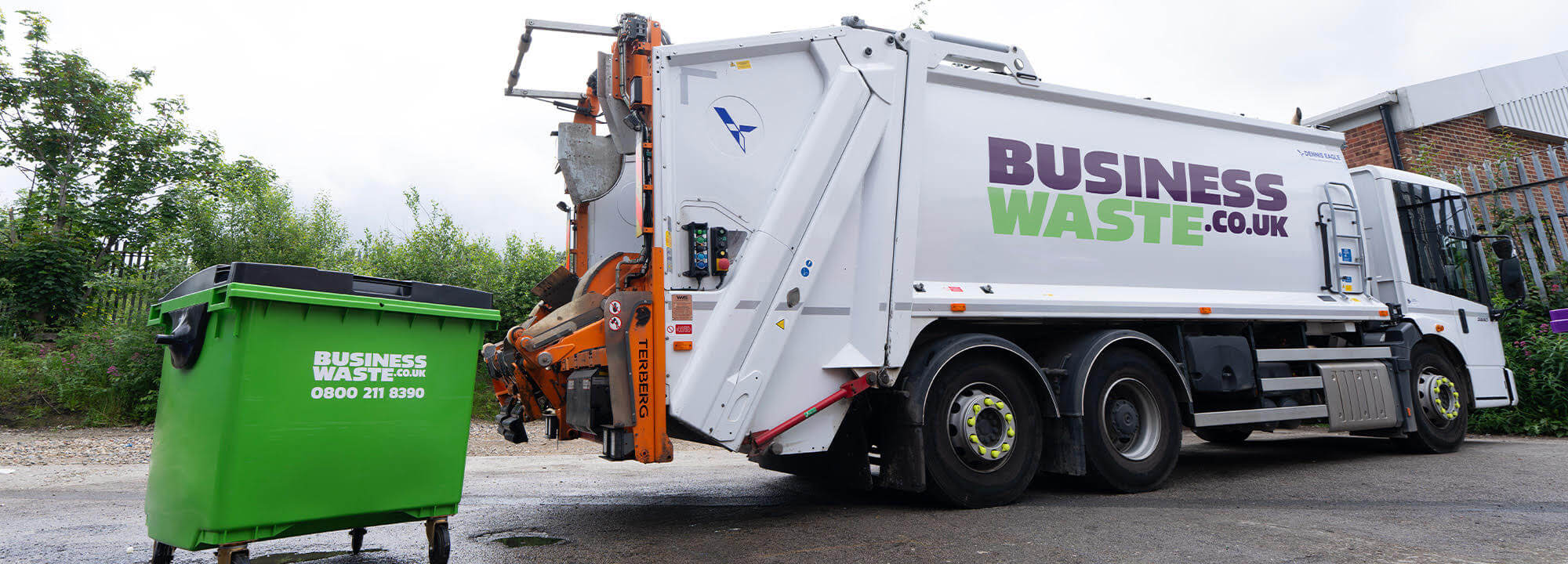
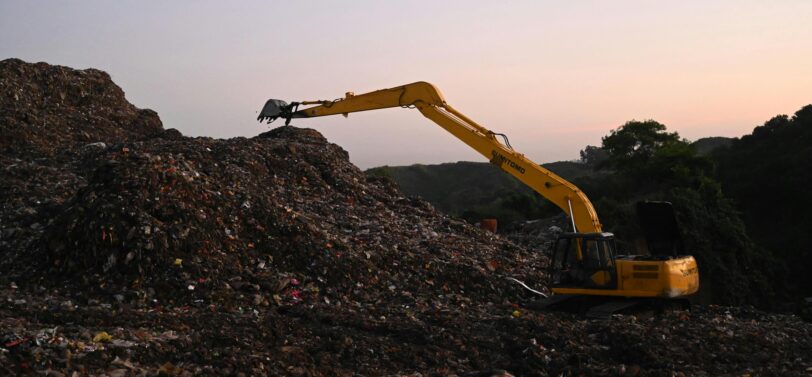
From new national legislation to the collapse of key recycling markets, surges of waste crime, and high-profile collection failures, the system has faced pressure from every direction.

With 1.6 million temporary workers now making up 5.4% of the UK workforce, businesses need to be aware of the common waste problems that appear during seasonal peaks and the operational fixes that prevent them.

Food waste is already a major cost for UK organisations, and the introduction of Simpler Recycling has raised the risks for businesses that continue to mix materials incorrectly.

Every year, huge amounts of uneaten food go straight into the bin at staff festive events. That waste costs businesses money and increases their environmental footprint.

HMOs house around 1.5 million people across England. They generate higher waste volumes and more contamination risks than standard homes. That places greater responsibility on landlords to ensure correct bins, clear instructions and safe waste handling.
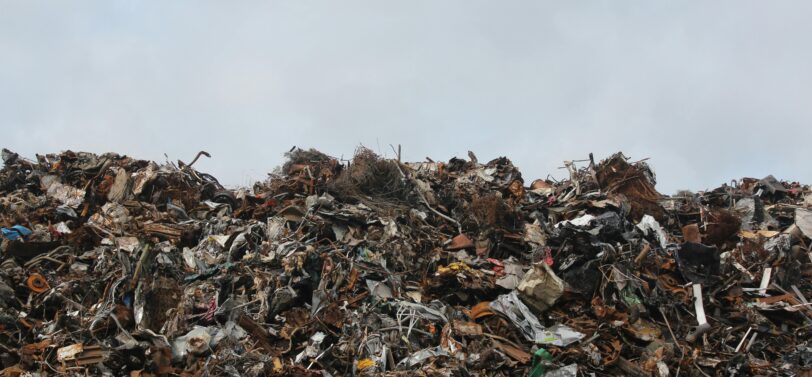
New analysis of Environment Agency data shows that several English regions could reach zero remaining landfill space within the next decade. In some areas, that reality has already arrived.

44% of UK retailers are left with excess stock after Christmas and New Year discounting. Here’s how to donate stock safely, legally and without creating unintended waste problems.
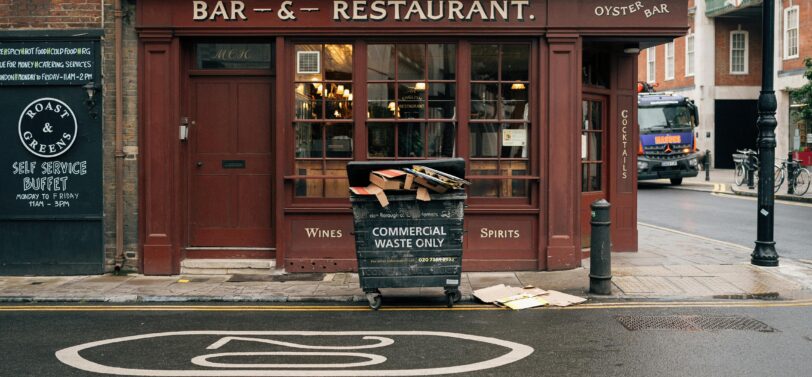
According to industry insights, festive waste volumes increase by around 30% every year.¹ But there’s a growing issue that many companies overlook: packaging and waste left behind by delivery drivers.
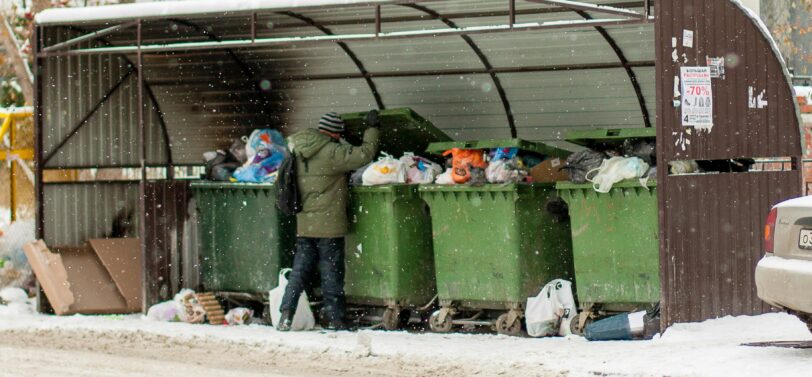
For thousands of people experiencing homelessness, the cold forces them into desperate decisions, including taking refuge inside commercial bins.
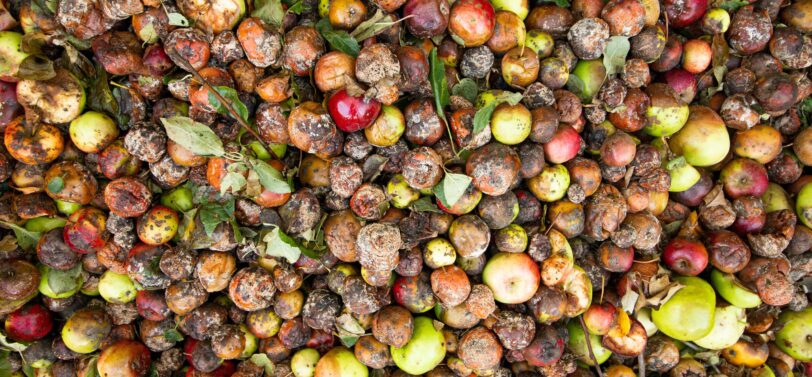
Rising food waste volumes, limited plant capacity, delays to infrastructure investment, and the roll-out of Simpler Recycling rules are creating a perfect storm for the waste industry and businesses that rely on regular food waste collections.
Published 7th January 2022 by Mark Hall. Last modified 9th June 2026