
Climate Anxiety at Work: How Businesses Can Take Practical Environmental Action
Climate anxiety is not only a personal issue. It can also affect how people feel about the places they work, the organisations they buy from, and the businesses they believe are taking environmental responsibility seriously.
During Mental Health Awareness Week 2026, the theme is Action, with the Mental Health Foundation highlighting that taking even small actions can give people hope and reduce feelings of powerlessness. That makes this a useful moment for businesses to ask a practical question: are we giving employees visible ways to support environmental progress at work?
Waste management cannot solve climate anxiety. But clear, practical environmental action can help employees see that sustainability is not just something written in a policy, but something happening around them every day.
What is climate anxiety?
Climate anxiety is distress, worry, or fear linked to climate change and its impacts on ecosystems, the environment, human health, and wellbeing. The Mental Health Foundation notes that climate anxiety is particularly common among children and young people.
This does not mean everyone who worries about the climate has a mental health condition. In many cases, climate anxiety is a natural response to visible environmental risks, extreme weather, and concern about the future.
For employers, the takeaway point is simple: climate concern can shape how staff view workplace values, leadership decisions, and day-to-day business practices.
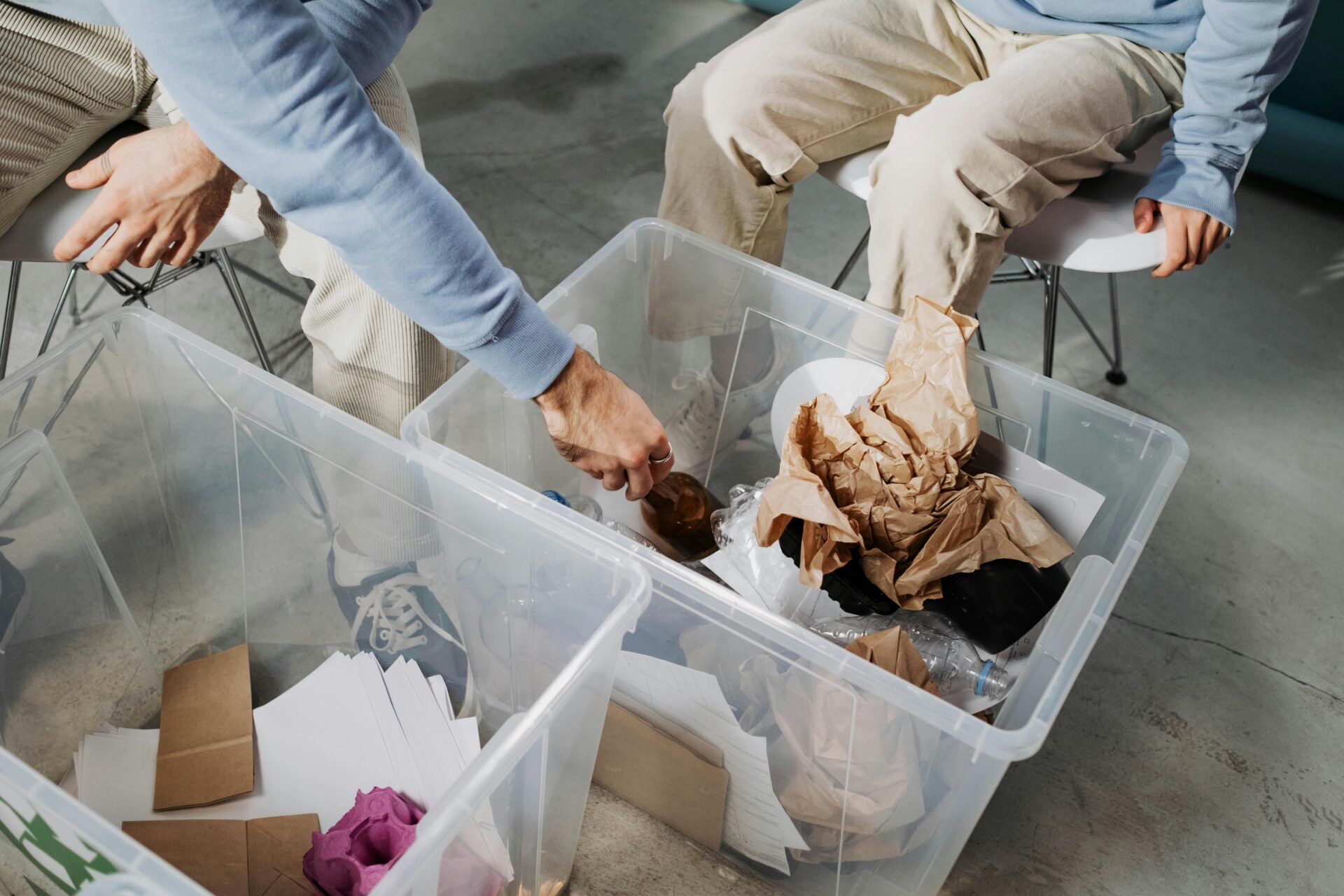
Climate anxiety statistics: how common
is concern?
Climate concern remains widespread in the UK:
- 57% of adults in Great Britain said climate change and the environment were important issues in October 2024. This was lower than the recent high of 69% in July to August 2023, but still shows that environmental concern remains mainstream. (ONS)
- 80% of people said they were concerned about climate change in Winter 2024, according to the Department for Energy Security and Net Zero’s Public Attitudes Tracker. This was down from 85% in Autumn 2021, but still represents a clear majority. (GOV)
- Climate change is already affecting mental health in the UK, including through extreme weather such as flooding and heat, as well as growing awareness of long-term climate impacts. (UKHSA)
For businesses, this means climate concern is not a niche issue. It is something many employees, customers, and younger workers are already aware of.
Why can climate anxiety affect
the workplace?
Workplaces are where many people gauge whether environmental commitments feel real.
A business might talk about sustainability, but employees notice what happens in practice. They see whether recycling bins are clear, whether food waste is separated, whether packaging is overused, and whether general waste is treated as the default option.
When there is a gap between what a business says and what it does, staff may become frustrated or cynical. That can make sustainability feel performative rather than meaningful.
This matters because climate anxiety is often linked to a sense of powerlessness. If employees see visible action at work, even at a small scale, it can help turn concern into participation.
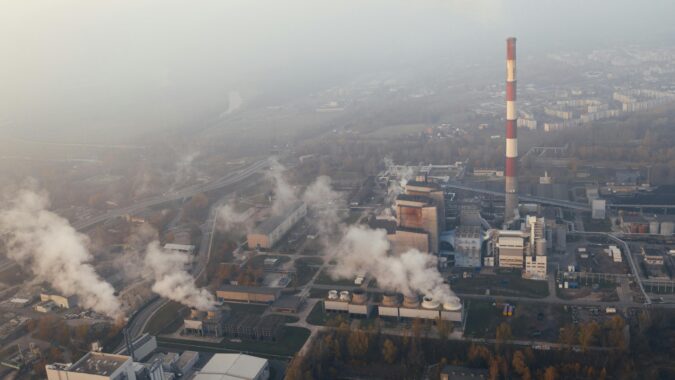
What should businesses avoid?
Businesses should avoid treating climate anxiety as something that can be fixed with slogans or awareness days.
Common mistakes include:
- Making broad sustainability claims without showing practical evidence
- Asking staff to recycle without providing clear bins or signage
- Launching green initiatives without explaining the impact
- Ignoring obvious waste problems in offices, kitchens, warehouses, or customer spaces
- Treating sustainability as a marketing issue rather than an operational one
The goal is not to tell employees how to feel. It is to remove obvious barriers to action.
Mark Hall, Waste Management Expert and Co-Founder at Business Waste, comments:
How can businesses take practical
environmental action?
Businesses can support practical environmental action by making waste reduction visible, simple, and measurable.
Start with a waste audit
A waste audit helps a business understand what it throws away, where waste is produced, and which materials could be reduced, reused, or recycled.
It can identify:
- Recyclable materials that are going into general waste
- Excess packaging
- Food waste from kitchens or staff areas
- Incorrect bin use
- Opportunities to reduce collection costs
A waste audit gives businesses a clear starting point rather than relying on assumptions.
Improve recycling systems
Recycling only works when it is easy to use.
Businesses should check whether:
- Bins are in easy-to-access locations
- Labels are clear
- Staff know what goes where
- Dry mixed recycling is separated correctly
- Contamination is being monitored
A confusing recycling setup can undermine even the best intentions.
Reduce food waste
Food waste is one of the most visible workplace waste issues, especially in hospitality, offices, schools, and healthcare settings.
Businesses can reduce it by:
- Reviewing ordering habits
- Monitoring plate waste or kitchen waste
- Separating food waste from general waste
- Training staff on food waste bins
- Looking at donation routes where suitable
This supports both sustainability and cost control.
Communicate progress clearly
Employees are more likely to engage when they can see what has changed.
Businesses can share simple updates such as:
- How much waste has been diverted from landfill
- How recycling performance has improved
- How food waste has been reduced
- What changes staff have helped deliver
This does not need to be complicated. A short monthly update can make environmental action feel more tangible.
Make sustainability visible
Visible sustainability improvements can include:
- Better bin signage
- Clearly separated recycling points
- Reusable kitchen items
- Reduced single-use packaging
- Clear waste policies for staff areas
- Regular reminders during onboarding
Small improvements matter because they show that action is part of daily operations.
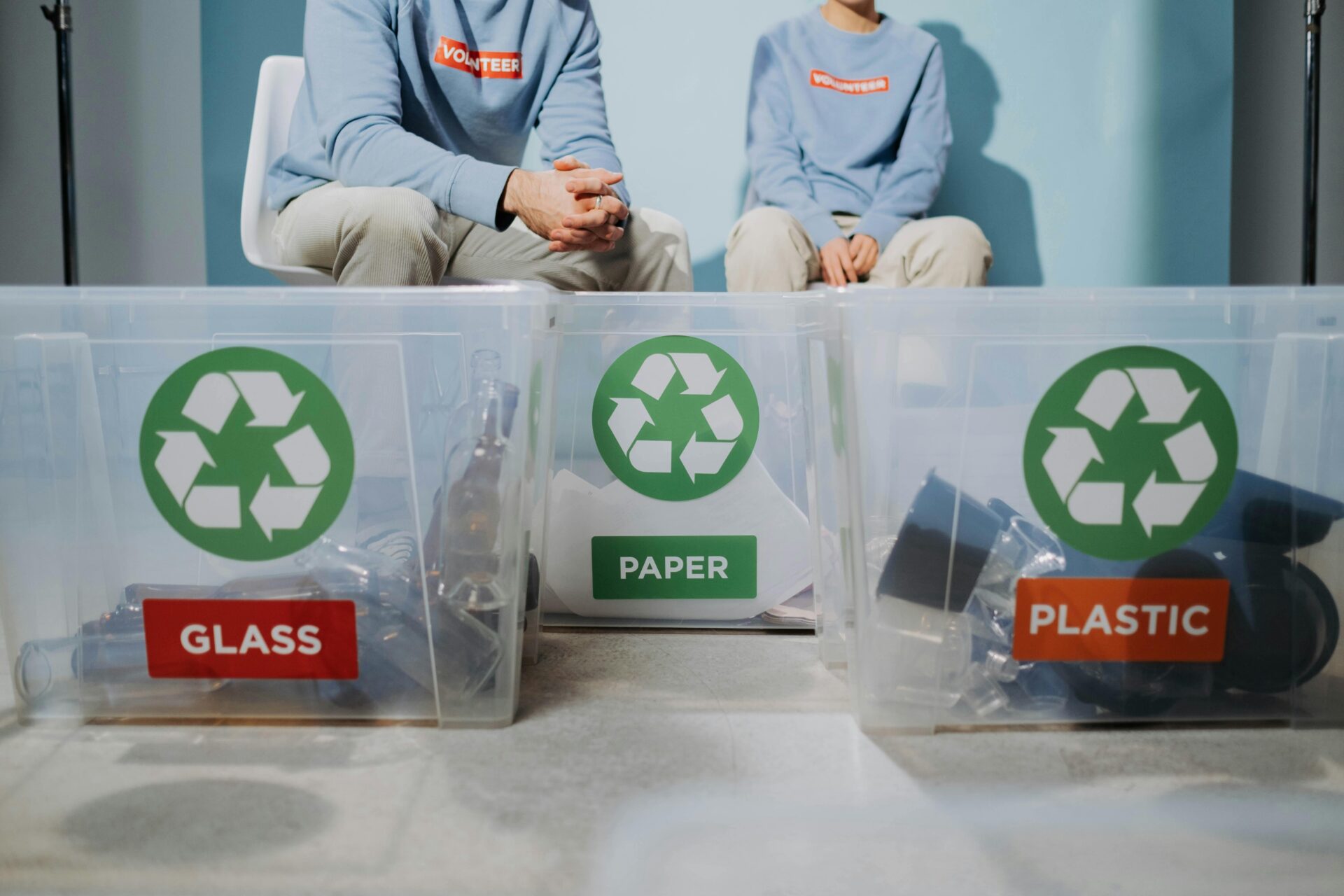
Action has to be practical
Mark Hall adds:
Final thoughts
Climate anxiety at work should be handled carefully. Businesses are not mental health clinicians, and they should not overstate the role waste management can play.
But they can take responsibility for the environmental systems employees see every day.
This Mental Health Awareness Week, the most useful message for businesses is not that they need to solve climate anxiety. It is that clear, practical action matters.
A waste audit, better recycling system, food waste reduction plan, and honest internal communication can help staff see that environmental progress is possible. For many workplaces, that is a realistic and meaningful place to start.


Have your waste collected
Get a fast FREE quote for your waste collection 0800 211 83 90
- Free quote within 1 hr
- Any type of waste
- FREE bins and delivery
- We cover all of the UK