
Waste Metal Collection
Recycling metal is important for businesses, as almost all metal scrap and waste can be reused and turned into new products and materials. Millions of products that businesses and industries use daily are made from metal or contain some element of it. Arrange disposal of your metal waste in an environmentally friendly manner with our services.
We collect all types of metal waste from any location in the UK. This could be by-products in manufacturing, such as metal swarf and offcuts, to electronic parts from an IT business or used drinks cans from the hospitality industry. Call 0800 211 8390 or contact us online for a free and fast quote to get rid of your waste metal.
 Collections in the last 7 days

Get a free metal collection quote
Get a fast FREE quote for your metal waste disposal
- Free quote within 1 hr
- Any type of metal waste
- FREE skips, bins and delivery
- We cover all of the UK
Metal waste
collection
Wherever your business is based and whatever the industry, arrange waste metal collection anywhere in the UK. We’ll provide you with free bins to fill with your metal scrap to send for recycling. You just fill within the weight limits, leave in an agreed spot and pay for collection.
Arrange collection of your metal scraps, offcuts and other such waste on a schedule that suits you – whether it’s daily, weekly, or fortnightly. We can offer bespoke solutions with the number and size of metal waste bins and containers you need, from a one-off collection to regular small or large disposals.
Store your metal waste bins in a secure and dry place to avoid potential contamination. In some cases, this can be best inside to avoid vandalism and rainwater seeping in. However, we understand that’s not always possible depending on your premises and the size of the bins you use.
Talk to one of our expert team today, call 0800 211 8390. Ask any questions you may have and they can answer, as well as provide you with a free quote tailored to your metal waste management needs. Call or contact us online to sort out metal waste collection for your business.
Scrap metal
bins
Businesses that produce only a small amount of metal waste typically store it in a skip. Skips come in many sizes and are usually loaned to scrap metal producers for free as part of the contract.
For businesses that produce large volumes of scrap metal, roll-off bins are usually used. Non-ferrous metals are typically put into special forklift bins. Businesses that produce seriously large volumes of scrap metal often install hydraulic balers on their premises.
Explore some of the available scrap metal bins.
-
2-yard skip
Small skip that holds 20 to 30 bags of waste
-
14-yard skip
Large skip ideal for commercial scrap metal
-
40-yard roll on roll off skip
Biggest available skips for huge amounts of waste metal
Who needs
metal waste disposal?
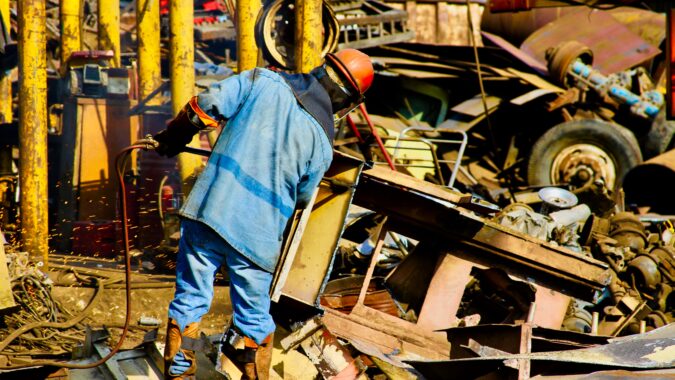
Businesses in many industries produce scrap metal waste. They include metalworking factories, appliance manufacturers, and home furnishing producers. Some of the largest scrap metal producers are the automobile, aircraft and construction industries.
Whenever metal is used in manufacturing, a certain amount of waste is an unavoidable by-product. This comes in many forms from small cuttings called metal swarf, to large offcuts of metal sheets, bars or rods. Most of this is recyclable, so manufacturing companies should arrange proper metal waste disposal.
Some of the main industries and businesses that need metal recycling include:
- Automotive – scrap cars, car parts, empty oil and paint tins
- Construction – tools and materials used in construction
- Factories – metal swarf and offcuts from manufacturing processes
- Kitchens – old and damaged pans, aerosols used for cleaning
- Retail – food and drinks packaging
How does metal
waste collection work?
-
Select your free bins
It’s quick and easy to organise commercial waste collection for your business.
Simply start by telling us the:
- Type of waste you need removing
- Size of bins you require
- Number of bins you want
We’ll provide you with a free quote.
-
Arrange delivery
When you’re happy with the type, number, and size of free bins, tell us when you need your bins delivering.
Let us know about any access issues where you want the bins delivering – such as locked gates, access codes and times. We’ll get you up and running in no time.
-
Fill up your bin
After the free bins arrive at your chosen location, fill them up with the agreed waste type.
Make sure you remain within any weight limits for the specific waste type and bin size.
-
Get your business waste collected
We’ll arrange waste collection at a time and frequency to suit you and the amount of waste you have.
As featured in…




What is
metal waste?
Metal waste or scrap metal is any product that’s broken or no longer useable, which is made completely or mostly from a metal material. For example, it could be broken tools, metal sheets from manufacturing, a bent pipe, old electrical appliances, and more. Generally, it must be made from at least 50% metal to be recycled.
Scrap metal waste can be recycled over and over again without changing its properties. Steel, for example, is one of the most recycled metals on the planet. A wide range of useful materials are recoverable from metal scraps – such as steel, copper, and zinc – to produce new metals and products.
What metals
can be recycled?
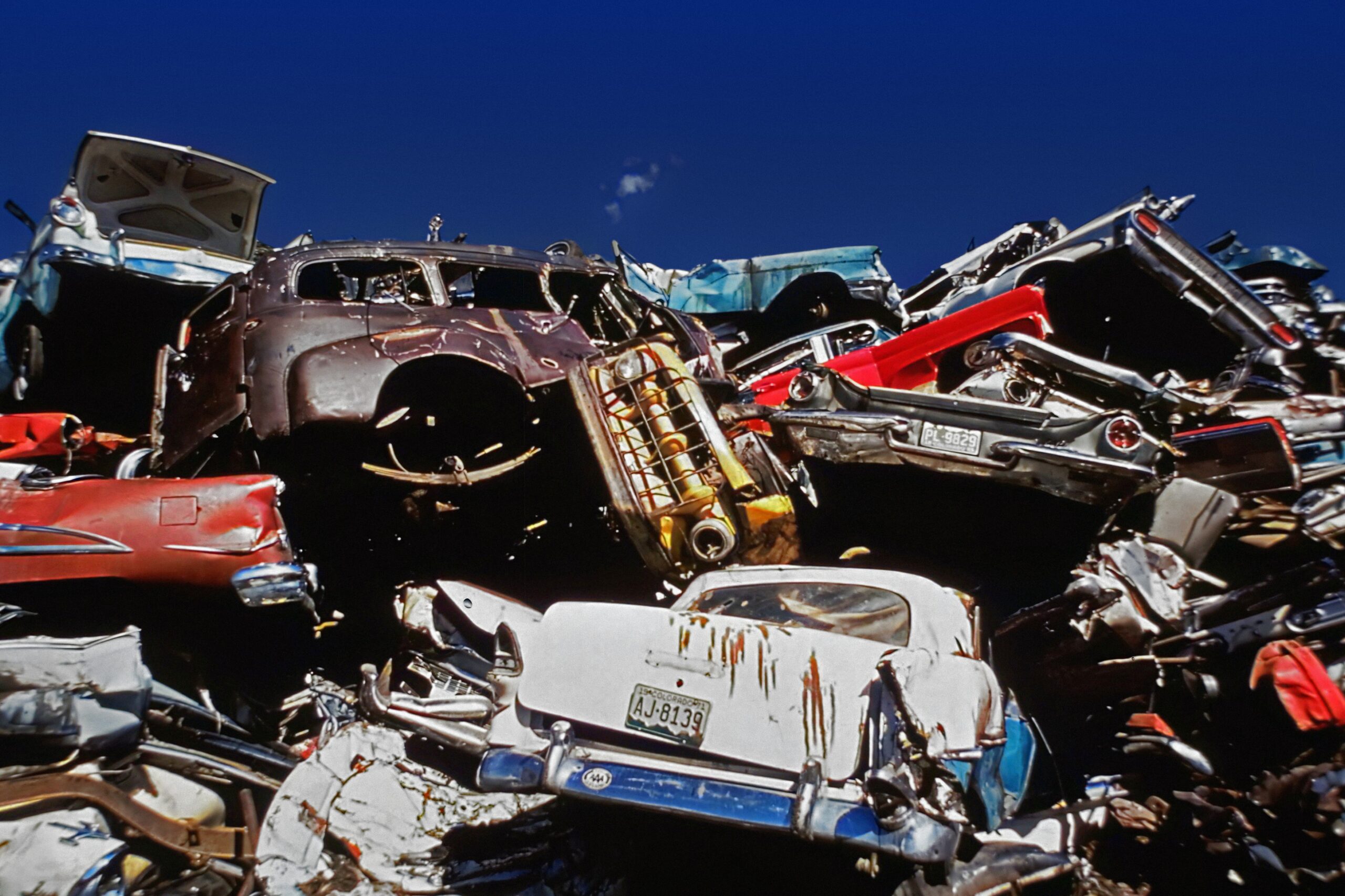
You can recycle most metals used within your business. Some of the main metals that are highly recyclable include aluminium, brass, copper, iron, steel, and tin. It’s also possible to recycle silver and gold.
Generally, recyclable materials fall under one of two metal categories:
- Ferrous metals combine iron and carbon. Examples of ferrous metals include alloy steel, carbon steel, cast iron and wrought iron.
- Non-ferrous metals include aluminium, copper, lead, tin, and zinc. Most common precious metals are also non-ferrous, such as gold, iridium, palladium, platinum, and silver.
There are a few metals you can’t recycle, though these are less common. They can include radioactive metals such as uranium and plutonium, as well as metals contaminated by harmful toxins.
How to dispose of
metal waste
Disposing of and recycling scrap metal follows a similar process to many other materials. The first step is to separate your scrap metal from other waste types and store them in an individual metal waste container for collection. Splitting them up into different metal waste bins for each type – such as separating waste steel, brass, and iron – can help.
However, this isn’t essential and often doesn’t happen. Instead, the scrap metal dealer or recycling plant will sort it, using magnets and sensors. They also identify the metals by colour or weight. Aluminium, for example, looks silver in colour and is relatively lightweight – while copper looks yellowish and is about 70% heavier.
Arrange metal waste removal with Business Waste and we’ll deliver bins for free. Simply fill these within the weight limits for the size of metal waste bin you use, place it at an agreed accessible pickup point and we’ll transport it to a nearby recycling plant for processing.
How are
metals recycled?
Recycling metals is a straightforward process. After it’s collected from your business and transported to a recycling centre most types of metal will go through the following five stages of metal recycling:
- Sorting – recyclable and non-recyclable metals are separated, with each metal type identified and separated as well. The quality of scrap metal is checked too, as this needs to be high to create new products of a good standard.
- Shredding – scrap steel is cut into small sheets normally, while steel is converted into blocks. This makes it easier to handle and melt, as small pieces of scrap metal have large surface to area volumes and being easier to melt consumes less energy.
- Melting – shredded scrap metal is introduced into big furnaces. Each type of metal has its own individual furnace, as the melting temperature varies depending on its material and volume. This step of metal recycling uses the most energy, but it’s still significantly less than the energy needed to create new metals from scratch.
- Purifying – purification ensures the final product of the process is high quality and contaminant-free. The most common method of purification used by many companies is electrolysis.
- Solidifying – the final stage of metal recycling is the solidifying stage. Here the molten metal is carried away by conveyor belts to allow it to cool and solidify, transformed into a new metal product.
Metal waste
facts
More than 400 million tonnes of scrap metal are recycled every year – 10 million tonnes in the UK alone. This makes it a lucrative market and the scrap metal industry is worth £5 billion. However, it’s estimated that only half of all metal used in the UK is recycled – despite almost 100% of it being recyclable.
Households across the country get through a total of around 600 million aerosol cans and nine billion drinks cans every year – 90% of which are made from aluminium. Recycling aluminium is especially advantageous as it saves up to 95% of energy compared to creating new aluminium cans from raw materials.
It’s a similar story when you recycle steel. Every one tonne of steel recycled saves an average of 1.67 tonnes of CO2. When buildings are demolished in the UK about 94% of steel is recycled, while according to reports from Tata Steel more than 70% of steel packaging gets recycled.
Read our reviews
James was very helpful and to be honest since starting with this company the service has been excellent.Christeen Norfolk
Metal recycling
FAQs
-
 Why is it important to recycle metals?
Recycling metals preserves limited, dwindling resources. It also minimises global warming, as the recycling process emits less carbon dioxide than mining and processing new metal. For businesses it reduces the landfill tax you have to pay, as this is avoided by recycling your waste metal.
Because of the importance of scrap metal and its recycling, the government introduced the Scrap Metal Dealer Act (SMDA) 2013. One of the key elements of the act was to outlaw scrap being sold for cash. Cash transactions are not traceable, and traceability is one of the essential factors of an efficient metal recycling system.
-
Is steel recyclable?
Yes, steel is 100% recyclable and one of the most commonly recycled metals in the world. It can be completely reused for building materials and all sorts of other products. Around 40% of steel production uses recycled scrap. Recycling steel can be done time and again turning it into new material of the same quality.
-
How is steel recycled?
Steel recycling starts with the scrap steel being collected and taken to a recycling plant, mill, or foundry. Here it’s sorted and checked to ensure there are no contaminants present. Then it’s usually melted down at over 1,500°C and purified to remove any lingering contaminants. Finally, it solidifies into new steel, for use in all sorts of products.
-
Can you put metal in general waste?
There are certain types of metal waste that may go in general waste as they’re difficult to recycle. This can include items such as a hole punch and pots and pans – due to them containing other non-metal materials. Generally, if it’s an item made of less than 50% metal it may not be possible to recycle.
Always check whether you can recycle metal waste first before throwing it in with general waste. Common products such as drinks cans should always be recycled, as they’re normally made 100% from metal.
-
What happens to scrap metal in recycling?
With scrap metal recycling the waste is first sorted and separated into different types of scrap metal. Machines use magnets to pick out magnetic ferrous metals for non-ferrous metals, for example. It’s then shredded, smelted, and treated. Most results of scrap metal recycling turn the waste into ingots.
These metal ingots can then be melted down again, purified, and solidified into new metal products. Business Waste collects scrap metal for recycling from many organisations to divert such waste from ending up in a landfill. Contact us today for a free quote to recycle your scrap metal.
-
Do electronics contain metal?
Most electronic devices contain metals such as gold, silver, platinum, copper, nickel, and aluminium. Gold is commonly used in electronics as it resists corrosion and is malleable, while silver is very conductive of electricity and much more cost-effective. Metals are used in the circuit boards and computer chips especially that are contained in computers, mobile phones, and tablets.
Get your free metal waste collection quote
Get a fast FREE quote for metal waste collection
- Free quote within 1 hr
- Any type of metal waste
- FREE skips, bins and delivery
- We cover all of the UK