
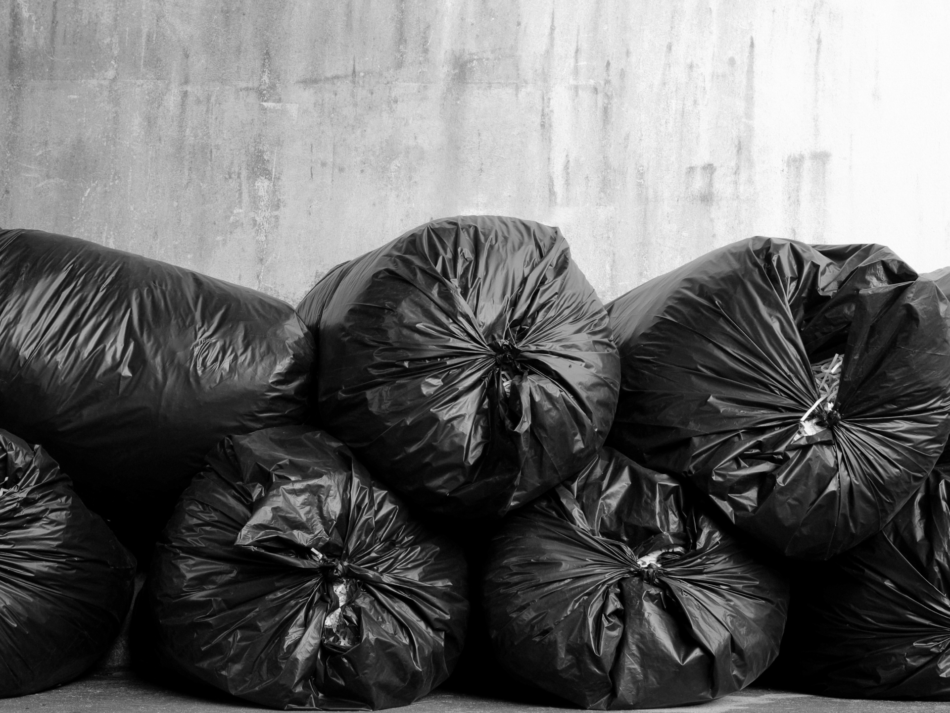
Commercial General Waste Collection & Disposal Services
Business Waste provides commercial general waste collections and disposal for UK businesses. We collect residual and non-recyclable waste from any business premises, including offices, retail, hospitality, manufacturing, and more. We provide free bins and arrange scheduled collections with the relevant waste transfer paperwork and an appropriate disposal or recovery route.
We support 30,000+ UK organisations and are registered with the Environment Agency as an upper-tier waste carrier, broker and dealer under registration CBDU49243.
Our commercial general waste disposal service covers single-site and multi-site businesses, with flexible scheduling from daily to fortnightly collections. We also provide one-off collections if your site simply needs a clearout.

Get a free quote
Get a fast FREE quote for general waste collection
- Free quote within 1 hour
- Price-match guarantee on waste collections
- FREE bins and delivery
- Nationwide UK collection
Simpler Recycling and General Waste
Since April 2025, businesses in England with 10 or more full-time equivalent employees are legally required to separate their waste streams, including general waste, from recyclable materials such as paper, cardboard, glass, food, and plastics. Businesses that do not follow the requirements can receive an Environment Agency compliance notice, with further enforcement possible if it is ignored. We’ll ensure you set up with the right bins and collection schedule to meet your Simpler Recycling obligations from day one.
From local businesses to household names


Read Our Customer Reviews
Efficient communication
We have worked alongside Business Waste for quite a few months now, and their efficiency with communication and resolving queries is great. Allie especially is a pleasure to liaise with. Great company from a B2B perspective
Flo Bolton-Smith
The real definition of service
The service received was simply outstanding. Business Waste gave good advice and a demonstration of a willingness to help and get me a solution.
Gregory Harrand
Great company
Great company to deal with, special thanks to Danielle who is always on the ball and sort any issues out instantly with proactive involvement with follow up phone calls and emails. I would recommend her to be the next PM to get things done, oh and as a company to deal with all the waste needs for your business.
Top Deals Online
Excellent service set up process
I was impressed by the speed of setting up the service. I made a single phone call to Business Waste and all the necessary paperwork was done efficiently.
Yahya Saeed
What is general waste (residual waste)?
General waste, also called residual waste or non-recyclable waste, is any waste that cannot be recycled or composted. For commercial businesses, this typically includes: packaging that is too contaminated for the relevant recycling stream, food-soiled materials, non-recyclable plastics, polystyrene, soft plastics, mixed materials, and items not accepted in recycling streams.
General waste is distinct from dry mixed recycling, food waste, cardboard, glass, and clinical waste, which require separate collection streams.
How general waste collection works
-
Tell us about your general waste
Tell us about your business, site layout, and current waste issues. We’ll provide a quote based on your waste volume, bin size, collection frequency, site access and postcode.
-
Free delivery of your bins
We deliver the right number and size of standard general waste bins with no delivery, rental, or hidden fees. You pay for the agreed collection service.
-
Fill and secure the bins
Only place residual waste agreed for that collection in the bin – food waste, recyclable packaging and specialist streams should remain separate where required. Keeping waste bagged and lids closed helps prevent contamination and the attraction of pests.
-
Scheduled collections & responsible disposal
Collections are arranged through registered waste carriers on your agreed schedule and transferred to an authorised facility for the appropriate treatment, recovery or disposal route. You receive a free duty-of-care certificate for full traceability.
Why businesses use Business Waste for general waste collections
General waste becomes a problem when bins overflow, collections are missed, or recyclable materials end up in the wrong place. It can also become expensive when bin sizes or collection schedules do not match the amount of waste your site produces.
Common issues include:
- Overflowing bins and missed collections creating hygiene risks
- General waste costs increasing when recyclable materials are repeatedly placed in the residual stream
- Rising landfill tax costs (the standard UK rate is £126.15 per tonne in 2025/26, up from £103.70 in 2023/24, a 22% increase in two years)
- Inconsistent service from multiple local suppliers
- Limited visibility of waste volumes or spending
- Contamination caused by poor segregation
- Limited space for bins
Business Waste can help with:
- Reliable daily, weekly, or fortnightly collections
- Free bins with no hire, rental, or delivery fees
- One point of contact for general waste and recycling streams
- Waste transfer paperwork and duty-of-care records provided
- Bin sizes and collection schedules reviewed where volumes change
- Landfill diversion where suitable routes are available
- Single-site and multi-site collection options
- A dedicated account manager to help with collection, container or paperwork queries
Common general waste requirements by sector
General waste looks different from one business to the next. An office may only need a small wheelie bin, while a restaurant, school, or hospitality site may need larger bins and more frequent scheduled collections.
Business Waste Ltd helps you choose the right bin size, collection frequency, and paperwork setup for single-site and multi-site businesses.
Common requirements:
- High-volume general waste (offices, schools, hospitality)
- Limited yard or bin storage space
- Seasonal changes in collection frequency
- Multiple sites that need one invoice
- Segregation advice or a full audit of your waste setup
What we put in place:
- Wheelie bins or larger containers based on volume and available space
- Collection frequency based on how quickly bins fill
- Service reviews where waste volumes change
- Consolidated service arrangements, invoicing and reporting for multi-site organisations
- Waste audits where recycling or cost issues require investigation
Case study: general waste collection for Redmond Joinery
Redmond Joinery operates a combined workshop and showroom, where both production and presentation play an important role. Waste handling needs to support daily operations while keeping the customer facing space clean and organised.
The business produces general waste from packaging, material offcuts, and routine site upkeep. With a showroom in use, waste cannot build up or disrupt the working environment.
Redmond Joinery now uses a 240-litre general waste bin collected fortnightly. The setup is sized around its actual workshop and showroom waste, rather than a default schedule. The 240L bin gives the business enough capacity between collections without requiring a larger container or unnecessary additional collections. This keeps the customer-facing space clean, supports Duty of Care compliance, and avoids over-servicing, which can increase costs when bin size or collection frequency is not reviewed properly.
What bins are required for general waste?
You receive free bins and only pay for collections. The right bin depends on how much residual waste your site produces, available storage space and how often you want collections.
Available general waste containers:
- 240 litre wheelie bins: A compact two-wheel bin for smaller businesses or sites producing lower volumes of residual waste. Useful for offices, salons, shops, and other premises with limited storage.
- 360 litre wheelie bins: The largest two-wheel option, providing extra capacity without requiring the same space as a four-wheel container. Useful for smaller hospitality venues, shops and other sites where a 240L bin fills too quickly.
- 660 litre bins: A four-wheel container for medium-to-high volumes of waste. Suitable for hospitality businesses, schools, care homes, offices and other larger premises.
- 1100 litre bins: The largest standard wheelie bin, suited to busy sites producing regular volumes of general waste, including warehouses, large offices, retail sites and multi-occupancy buildings.
- Compactors: Suitable for high-volume sites producing dry, compactable residual waste. Compactors reduce the volume stored on site and can reduce how often large waste loads need collecting.
- Large static general waste containers: Sites with sufficient space and high volumes of waste could benefit from a front-end loader or rear-end loader. These static containers are designed for regular volumes of dry commercial waste.
What can go in general waste:
- Non-recyclable wrappers and composite packaging
- Polystyrene where no separate recycling route is available
- Paper or cardboard that is too contaminated to recycle
- Used non-hazardous wipes, cloths and vacuum dust
- Broken ceramics and crockery
- Food-contaminated packaging that cannot be cleaned or recycled
- Other non-hazardous residual waste agreed for the collection
What must not go in general waste:
- Hazardous waste
- Chemicals
- Clinical waste
- Electricals and batteries
- Glass
- Food waste
General waste compliance and paperwork
Under Section 34 of the Environmental Protection Act 1990, businesses have a Duty of Care for the waste they produce. This means general waste must be stored securely, collected by licensed carriers, and sent through the right disposal or recovery routes.
Businesses must store commercial waste securely and transfer it only to an authorised person. We arrange all collections through registered waste carriers and provide the relevant waste transfer record.
For non-hazardous waste in England, each transfer needs a Waste Transfer Note (WTN) or another document containing the same information. A season ticket can cover repeated transfers of the same waste for up to one year, and records must normally be kept for two years.
Business Waste Ltd provides the paperwork needed to show your waste has been handled correctly.
- Waste Transfer Notes for every collection
- Fully licensed waste carriers
- Duty-of-care documentation
- Support with waste audits and segregation
- Landfill diversion where possible
- Disposal through approved routes such as EfW and RDF
Each collection generates an audit ready paper trail that satisfies Environment Agency inspections and supports landfill diversion reporting for ESG and ISO 14001 obligations.
Get a fast and free quote
Get a fast FREE quote for your general waste
- Free quote within 1 hour
- Non-recyclable general waste
- FREE bins and delivery
- Nationwide UK collection
General Waste FAQs
-
 Is commercial waste the same as general waste?
Commercial general waste is the non-recyclable, non-hazardous waste produced by your business. It covers similar materials to household general waste, contaminated packaging, mixed materials, polystyrene. However under commercial law you have a legal Duty of Care to use a licensed carrier for collection and disposal.
-
How much does commercial general waste collection cost?
Prices depend on bin size, collection frequency, location, and waste volume. Business Waste Ltd provides a free tailored quote within one hour, with no hidden fees, no bin hire charges, and one month’s free collections for new customers.
-
What is the difference between general waste and trade waste?
Trade waste is a legal term for waste generated by a business or commercial premises. General waste refers to the non-recyclable portion of that trade waste. Both require collection by a licensed waste carrier and a Duty of Care waste transfer note.
-
What is general waste?
General waste is any non-recyclable, non-hazardous rubbish your business produces. These items cannot go into your recycling or food waste bins, but they also don’t require specialist disposal.
Common examples include:
- Non-recyclable plastics such as cling film and sweet wrappers
- Used cleaning materials like wipes and cloths
- Snack wrappers and crisp packets
- Bagged vacuum dust
- Broken ceramics such as mugs and crockery
-
What goes in a general waste bin?
A general waste bin should only hold non-recyclable, non-hazardous rubbish. This prevents contamination and keeps disposal costs down.
You can include:
- Non-recyclable plastics
- Non-hazardous cleaning products
- Food scraps and kitchen waste where food bins are not yet required
- Old textiles and soft materials
- Broken household or office items that cannot be recycled
You should not include recyclables, electrical items, chemicals or anything that classifies as hazardous waste.
-
What cannot go in general waste?
To stay compliant, protect staff safety and avoid contamination fees, the following must never be placed in general waste bins:
- Recyclables: cardboard, paper, plastics, glass, bottles and tins
- Electrical items (WEEE): phones, laptops, chargers, lamps
- Hazardous materials: paint tins, batteries, chemicals, gas canisters
- Medical waste: sharps, medicines, clinical items
- Hot ash or anything that may ignite
If you’re unsure, speak to our team.
-
What are the different types of general waste?
General waste can cover a wide range of everyday items that cannot be recycled. Typical types include:
- Non-recyclable plastics
- Ceramics and broken crockery
- Padded envelopes, Jiffy bags and bubble wrap
- Wallpaper, wall coverings and old décor
- Bagged vacuum dust
- Snack wrappers and foil packets
- Damaged or worn-out metal items such as coat hangers or small office tools
These items often end up in DMR bins by mistake, so understanding the waste stream helps reduce contamination.
-
What happens to general waste in the UK?
After collection, general waste usually undergoes a combination of treatment processes to minimise environmental impact. These may include:
- Energy from Waste: rubbish is burned under controlled conditions to generate heat and electricity
- Refuse Derived Fuel (RDF): waste is processed into fuel for power plants
- Mechanical treatment: materials are mechanically separated to recover anything recyclable
- Landfill (where unavoidable): Landfill is used where recovery or treatment is not suitable, but Business Waste Ltd prioritises landfill diversion where possible.
For most Business Waste Ltd customers, landfill diversion is prioritised wherever possible.
-
Is general waste biodegradable?
Some elements of general waste will biodegrade, such as food scraps, organic matter and biodegradable plastics. However, many other materials can take decades or centuries to break down, including:
Separating food waste is now a legal requirement for most businesses, helping reduce the amount of biodegradable waste entering landfill.
-
How should businesses dispose of general waste?
All commercial general waste must be collected by a licensed waste carrier. You must also:
- Store waste securely in the correct bins
- Keep recyclables separate to avoid contamination
- Complete a Waste Transfer Note (WTN) for each collection
- Ensure collections are carried out by a registered waste carrier
Using Business Waste ltd ensures everything is handled legally, with a free Duty of Care certificate for every collection.
-
How can my business reduce general waste?
Reducing general waste lowers collection costs and improves your environmental performance. Some simple steps include:
- Introducing or expanding recycling bins
- Ensuring staff understand waste segregation
- Using refillable or reusable products
- Switching to recyclable packaging
- Avoiding single-use plastics where possible
For more ideas, explore our Reduce Waste guide.

Free general waste bins and scheduled collections in your area
And arrange your free bin and your collection
- Armagh
- Bolton Waste Management
- Brighton & Hove Waste Management
- Bristol Waste Management
- Canterbury Waste Management
- Cardiff Waste Management
- Carlisle Waste Management
- Chelmsford Waste Management
- Chester Waste Collection
- Chichester Waste Collections
- Commercial Waste Birmingham
- Commercial Waste Collection Edinburgh
- Commercial Waste Collection London
- Coventry Waste Management
- Durham Waste Management
- Ely Waste Disposal
- Glasgow Waste Management
- Hull Waste Management
- Kent Waste Management
- Lancaster Waste Management
- Lichfield Waste Disposal
- Liverpool Waste Management
- Luton Waste Management
- Newport Waste Management
- Oxford Waste Management
- Perth
- Peterborough Waste Management
- Preston Waste Management
- Reading Waste Management
- Ripon Waste Collection
- Salford Waste Management
- Slough Waste Disposal
- Southend Waste Disposal Services
- St Albans Waste Disposal
- Stirling Waste Management
- Stockport Waste Collection
- Swansea Waste Management
- Truro Waste Collection
- Wakefield Waste Management
- Warrington Waste Management
- Waste Collection Bath
- Waste Collection Middlesbrough
- Waste Disposal Inverness
- Waste Management Aberdeen
- Waste Management Aldershot
- Waste Management Alfreton
- Waste Management Ashington
- Waste Management Ashton-under-Lyne
- Waste Management Aylesbury
- Waste Management Barnsley
- Waste Management Barnstaple
- Waste Management Basildon
- Waste Management Basingstoke
- Waste Management Bedford
- Waste Management Bedfordshire
- Waste Management Bedworth
- Waste Management Belfast
- Waste Management Bellshill
- Waste Management Belper
- Waste Management Bexhill-on-Sea
- Waste Management Bicester
- Waste Management Bishop Auckland
- Waste Management Bishop’s Stortford
- Waste Management Blackburn
- Waste Management Blackpool
- Waste Management Blyth
- Waste Management Bognor Regis
- Waste Management Borehamwood
- Waste Management Bournemouth
- Waste Management Bradford
- Waste Management Brent
- Waste Management Bridgwater
- Waste Management Bridlington
- Waste Management Brighouse
- Waste Management Broadstairs
- Waste Management Bromley
- Waste Management Bromsgrove
- Waste Management Burnley
- Waste Management Burntwood
- Waste Management Bury
- Waste Management Bury St Edmunds
- Waste Management Buxton
- Waste Management Cambridge
- Waste Management Cannock
- Waste Management Canvey Island
- Waste Management Castleford
- Waste Management Caterham
- Waste Management Chatham
- Waste Management Cheltenham
- Waste Management Chesterfield
- Waste Management Chippenham
- Waste Management Christchurch
- Waste Management Clevedon
- Waste Management Coalville
- Waste Management Colchester
- Waste Management Colne
- Waste Management Congleton
- Waste Management Cornwall
- Waste Management Cramlington
- Waste Management Crawley
- Waste Management Croydon
- Waste Management Cumbria
- Waste Management Dartford
- Waste Management Derby
- Waste Management Devon
- Waste Management Dewsbury
- Waste Management Doncaster
- Waste Management Dorset
- Waste Management Dover
- Waste Management Droitwich
- Waste Management Dronfield
- Waste Management Dudley
- Waste Management Dumfries-Galloway
- Waste Management Dundee
- Waste Management East Lothian
- Waste Management East Riding of Yorkshire
- Waste Management Eastbourne
- Waste Management Ellesmere Port
- Waste Management Enfield
- Waste Management Essex
- Waste Management Evesham
- Waste Management Exeter
- Waste Management Falkirk
- Waste Management Falmouth
- Waste Management Fife
- Waste Management Folkestone
- Waste Management Frome
- Waste Management Gateshead
- Waste Management Gillingham
- Waste Management Gloucester
- Waste Management Grantham
- Waste Management Gravesend
- Waste Management Grimsby
- Waste Management Guisborough
- Waste Management Hailsham
- Waste Management Halesowen
- Waste Management Halifax
- Waste Management Hampshire
- Waste Management Harlow
- Waste Management Harrogate
- Waste Management Hastings
- Waste Management Havant
- Waste Management Hemel Hempstead
- Waste Management Hereford
- Waste Management Herne Bay
- Waste Management High Wycombe
- Waste Management Hornchurch
- Waste Management Horsham
- Waste Management Houghton Le Spring
- Waste Management Hounslow
- Waste Management Huddersfield
- Waste Management Huntingdon
- Waste Management Ilford
- Waste Management Ilkeston
- Waste Management in Tewkesbury
- Waste Management Ipswich
- Waste Management Keighley
- Waste Management Kendal
- Waste Management Kettering
- Waste Management Kidderminster
- Waste Management Kingston-Upon-Thames
- Waste Management Kingswinford
- Waste Management Knutsford
- Waste Management Lancashire
- Waste Management Leeds
- Waste Management Leicester
- Waste Management Leigh
- Waste Management Leighton Buzzard
- Waste Management Letchworth Garden City
- Waste Management Leyland
- Waste Management Leyton
- Waste Management Lincoln
- Waste Management Lincolnshire
- Waste Management Loughborough
- Waste Management Lowestoft
- Waste Management Maidenhead
- Waste Management Maidstone
- Waste Management Malvern
- Waste Management Manchester
- Waste Management Mansfield
- Waste Management Margate
- Waste Management Market Harborough
- Waste Management Melton Mowbray
- Waste Management Milton Keynes
- Waste Management Morecambe
- Waste Management Newark-on-Trent
- Waste Management Newbury
- Waste Management Newcastle upon Tyne
- Waste Management Newton Aycliffe
- Waste Management Norfolk
- Waste Management North Shields
- Waste Management North Yorkshire
- Waste Management Northampton
- Waste Management Northwich
- Waste Management Norwich
- Waste Management Nottingham
- Waste Management Oldham
- Waste Management Oxfordshire
- Waste Management Penzance
- Waste Management Plymouth
- Waste Management Poole
- Waste Management Portsmouth
- Waste Management Ramsgate
- Waste Management Redditch
- Waste Management Rochdale
- Waste Management Romford
- Waste Management Rossendale
- Waste Management Rotherham
- Waste Management Rugby
- Waste Management Rushden
- Waste Management Salisbury
- Waste Management Sandbach
- Waste Management Scarborough
- Waste Management Scottish Borders
- Waste Management Scunthorpe
- Waste Management Sevenoaks
- Waste Management Sheffield
- Waste Management Shrewsbury
- Waste Management Shropshire
- Waste Management Sittingbourne
- Waste Management Skegness
- Waste Management Somerset
- Waste Management South Lanarkshire
- Waste Management South Shields
- Waste Management Southampton
- Waste Management St Helens
- Waste Management Stafford
- Waste Management Staffordshire
- Waste Management Stoke-on-Trent
- Waste Management Stroud
- Waste Management Suffolk
- Waste Management Sunderland
- Waste Management Surrey
- Waste Management Sussex
- Waste Management Sutton
- Waste Management Sutton Coldfield
- Waste Management Sutton-in-Ashfield
- Waste Management Swindon
- Waste Management Tamworth
- Waste Management Taunton
- Waste Management Telford
- Waste Management Torquay
- Waste Management Tunbridge Wells
- Waste Management Walsall
- Waste Management Wandsworth
- Waste Management Warminster
- Waste Management Watford
- Waste Management Wednesbury
- Waste Management Welwyn Garden City
- Waste Management West Bromwich
- Waste Management West Midlands
- Waste Management West Yorkshire
- Waste Management Weymouth
- Waste Management Whitstable
- Waste Management Wigan
- Waste Management Woking
- Waste Management Wolverhampton
- Waste Management Worcester
- Waste Management Worksop
- Waste Management Yorkshire
- Winchester Waste Collection
- Worthing Waste Collection
- Wrexham Waste Collection
- York Waste Management
Published 6th April 2022 by Mitch Thorne. Last modified 8th October 2026