3 March 2026
Restaurant Waste Management Guide 2026
This guide explains how to manage waste in a restaurant and build a system that works during busy services and quieter seasons.

Have you experienced extra strain carrying your Halloween pumpkin to your car from the supermarket this year? The good news is that there’s nothing to be scared about and you’re not getting weaker – it’s the pumpkins that are getting bigger this year.
Farmers have commented that the wet July and August (with enough sunny intervals) has seen pumpkin crops thrive[1]. A warm September and early October helped ripen the fruits at the right time too[2]. With between 10 and 15 million pumpkins grown and harvested in the UK every year that means most pumpkins sold are bigger and heavier than usual.
You might get more pumpkin for your pound thanks to the miserable summer, but experts at Business Waste are worried it will lead to more pumpkins being wasted. Already around 24 million pumpkins are sold in the UK every year to celebrate Halloween with 18,000 tonnes of pumpkins thrown away that end up in landfill.
“More than half of Brits who buy pumpkins once a year just to make a jack-o’-lantern aren’t aware that they can eat and use the fruit,” says Mark Hall, representative for waste management company Business Waste. “Instead, they scoop out the insides and chuck it straight in the bin, meaning thousands of tonnes of edible pumpkins go to waste. It’s a real shame, especially with the millions of homes in the UK currently experiencing food insecurity.”
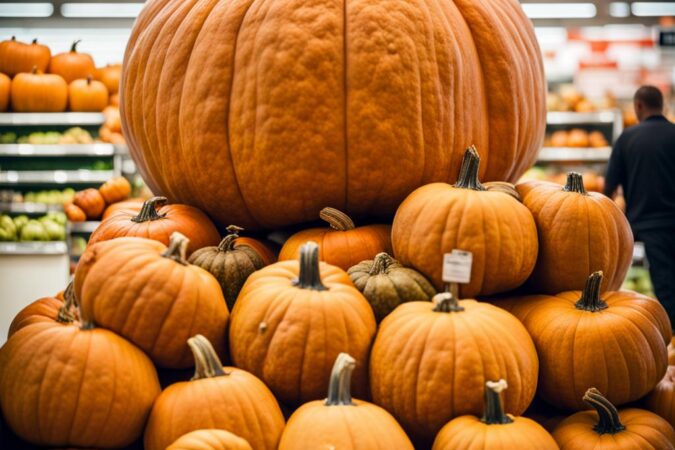
There are no exact figures about how much bigger pumpkins are compared to last year. However, as 18,000 tonnes of pumpkins are thrown out normally in a year, even a 1% increase in size could lead to significant amounts of extra waste:
The average pumpkin that you buy in the supermarket has a diameter of 15 to 25cm and weighs between 2 and 3kg[3]. Medium pumpkins range in size from 60 to 80cm in diameter and can weigh as much as 9kg.
The bigger the pumpkin size you normally buy, the larger it will likely be this year, and the more food waste it will create if disposed of irresponsibly. Unless more consumers eat or use the pumpkin flesh then those buying bigger pumpkins for their porch could create more avoidable food waste in the UK.
“Unfortunately, more food often leads to more waste,” adds Hall. “We encourage people to only buy the number and sizes of pumpkins they need. You should also plan how you’re going to use all of the pumpkin and manage it properly, as after carving a pumpkin it only lasts for 3 days to a week before it starts to rot.”
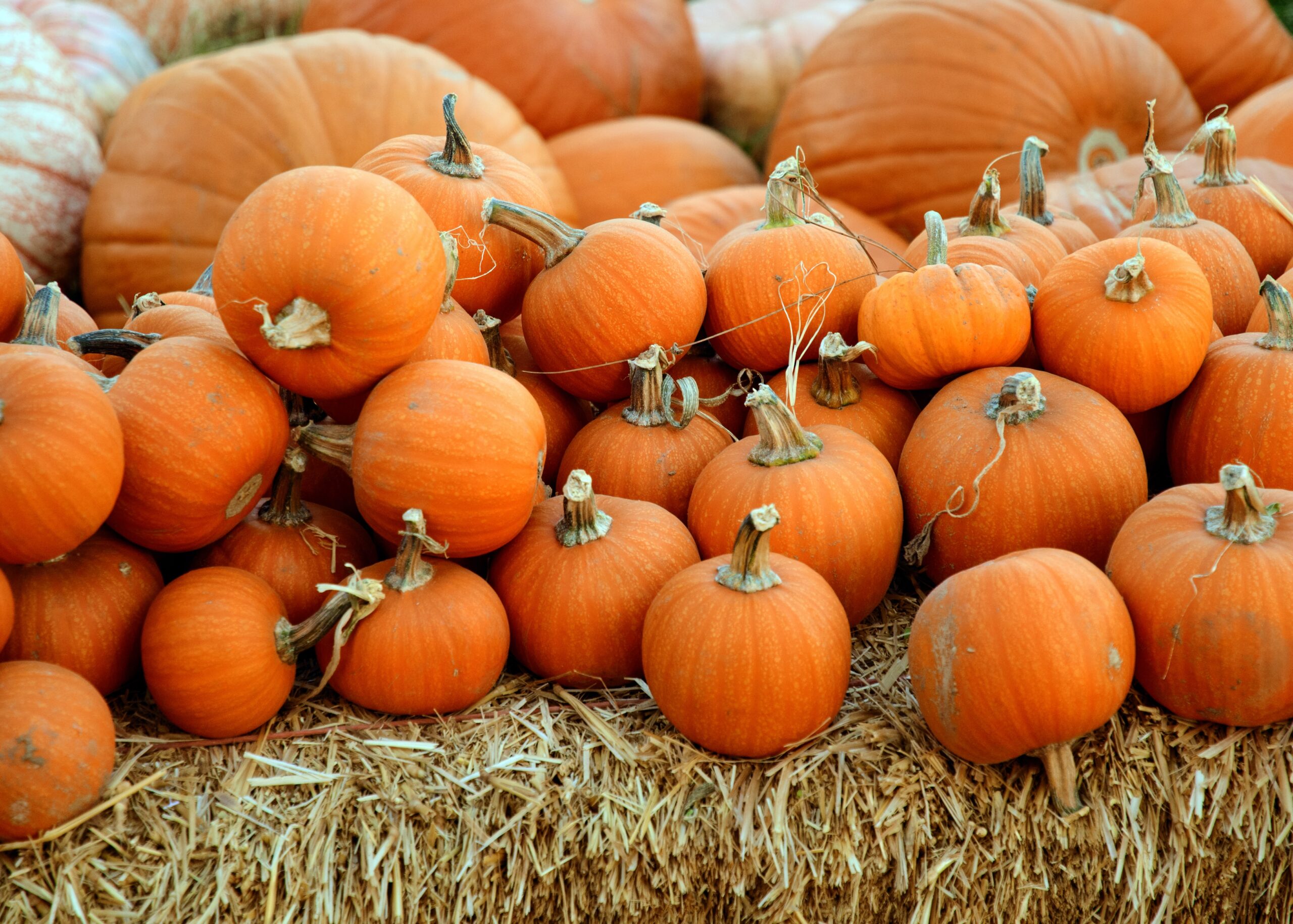
The good news is that last year Tesco reported ten times more people searched for pumpkin recipes on their website than the year before1. Hopefully this suggests more people will be eating the innards of their jack-o-lanterns in 2023 than ever before.
There’s also a growing awareness of the impact of food waste and many recipes and tips out there to help people make the most of their pumpkins. The current cost of living crisis could also encourage more people to think twice and consider cooking and eating them rather than heading straight for the bin. After all, pumpkins are edible fruits.
“There are loads of great ways to eat the innards and flesh of pumpkins,” concludes Hall. “These include traditional sweet and savoury recipes such as pumpkin pie and soups, as well as simply roasting the seeds or blending the flesh to create a homemade pumpkin spiced latte.”
This guide explains how to manage waste in a restaurant and build a system that works during busy services and quieter seasons.

This guide explains how to handle facility waste and build a system that works for your building.


Get a fast FREE quote for your waste collection 0800 211 83 90