Cardboard Balers
Cardboard baler rental
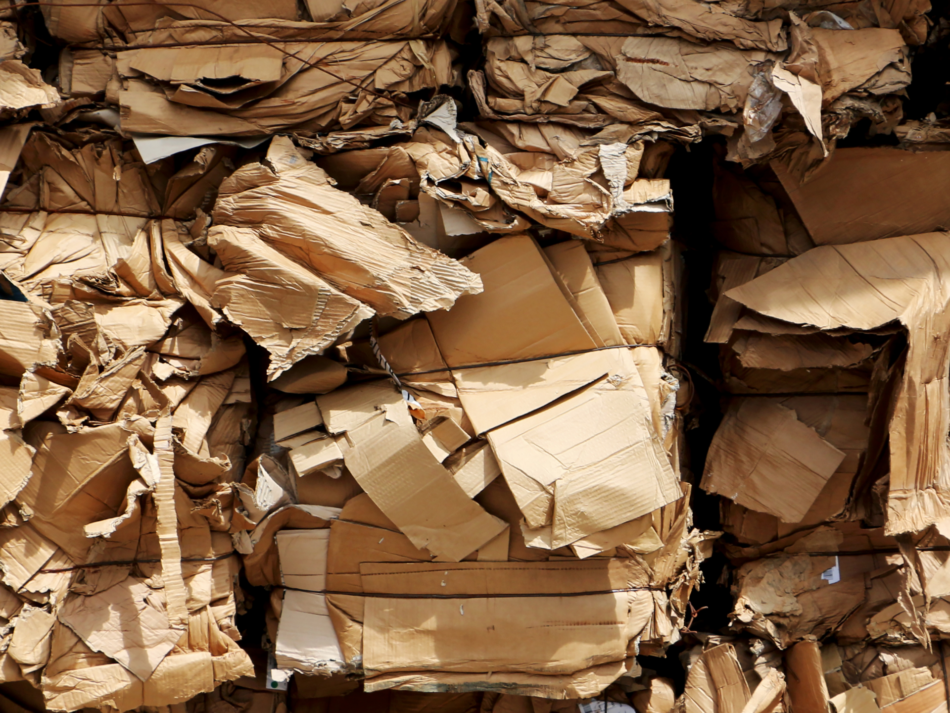
Cardboard balers help businesses reduce bulky cardboard waste by crushing boxes, sheets, and packaging into compact bales. They are useful for sites that produce regular cardboard waste and want to save space, reduce bin collections, and keep cardboard clean for recycling.
Business Waste Ltd can arrange cardboard baler hire for UK businesses, with options for smaller vertical balers and larger horizontal balers. We’ll help you choose a machine based on your cardboard volume, floor space, access, and whether you need scheduled bale collections or rebate support.
Daily, weekly, or fortnightly
-
 Cardboard Waste

Cardboard recycling balers
All types of cardboard can be processed with a cardboard recycling baler. This includes everything from heavy-duty packaging such as corrugated cardboard sheets and boxes to cardboard tubes and rolls. We can provide a wide range of cardboard recycling balers in sizes and styles to suit the materials and volume your business creates.
Cardboard recycling balers work in the same way as other waste baling machines, but only clean and dry cardboard should be put into them. This reduces the risk of contamination to produce a bale that only contains cardboard materials, so it’s easily recyclable.
A cardboard baler uses a hydraulic ram to press waste cardboard into a dense bale. Cardboard is loaded into the machine from the front, top, or via a conveyor, depending on whether it’s a vertical or horizontal baler.
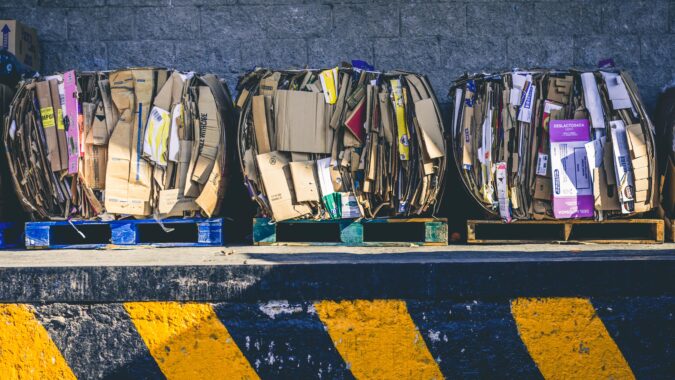
Once the bale reaches the right size and weight, it’s tied with baling wire, twine, or strapping so it keeps its shape. The finished bale can then be removed, stored, stacked, and sent for recycling.
Use a cardboard recycling baler for:
- Cardboard boxes
- Corrugated cardboard
- Cardboard tubes
- Clean food packaging, such as egg boxes and cereal boxes
- Pizza boxes only if they are clean and free from grease or food
Vertical cardboard balers
A vertical cardboard baler is a popular choice for businesses of many sizes and industries. These balers are tall and upright, which means they require less floor space compared to horizontal balers. They range in size to accommodate small to large volumes of waste cardboard, making them suitable for small and medium-sized businesses.
Vertical cardboard balers work by loading waste into the chamber and then the hydraulic ram pushes downwards to compress the cardboard together. This forms a uniform cube or cuboid bale, depending on the specific machine, which is then tied together with baling wire, twine, or strapping. Then you can usually open the door to the chamber and remove your cardboard bale, depending on the machine.
A vertical cardboard baler can be smaller and suitable for inside or outside use. Offices, retailers, and hotels often prefer a smaller vertical cardboard baler to a horizontal one. Larger vertical cardboard balers are still used by manufacturers and distributors as they help save significant amounts of floor space.
Horizontal cardboard balers
Businesses that create incredibly high volumes of waste cardboard or regularly produce lots of it may benefit from a large horizontal cardboard baler. These are big industrial cardboard balers that require more floor space than vertical ones, but can process huge amounts of materials and create large bales.
Horizontal cardboard balers are best for manufacturers, factories, warehouses, and industrial uses that generate lots of packaging waste. They vary in style and may have a large feed chute or a conveyor for loading, while they can also be an open-end or closed-door horizontal baler.
Automatic and semi-automatic options are available that produce tied bales or require manual strapping. A horizontal cardboard baler produces much larger bales than vertical machines. The sizes, dimensions, and weights vary depending on the machine, but some can create cardboard bales of 500kg and reduce the volume of cardboard by up to 90%.
Benefits of a cardboard baler machine
A cardboard baler is useful when loose cardboard is taking up too much space or needs collecting too often. It can make storage cleaner, safer, and easier to manage. These are the main benefits of a cardboard baler machine:
-
- Save space: Cardboard is compacted into bales instead of filling several bins or storage areas.
- Cut cardboard waste collection costs: Fewer bulky cardboard collections may be needed when bales can be stored safely.
- Keep cardboard cleaner: Baling clean, dry cardboard helps keep it separate from general waste and other materials.
- Minimise contamination: Fewer loose boxes can reduce blocked walkways, storage problems, and manual handling issues.
- Support recycling rebates: High-volume cardboard bales may qualify for rebates, depending on weight, quality, and market value.
How to use a cardboard baler safely
Staff should only use a cardboard baler if they have been shown how it works. They should know what materials can go inside, how to load the chamber safely, when to tie the bale, and how to remove or move bales without injury.
Keep the baler area clear, dry, and easy to access. Do not overload the machine or put wet, contaminated, or non-cardboard materials inside.
Cardboard baler hire with Business Waste Ltd
Select from a wide range of baler machines for cardboard with Business Waste Ltd can help you compare cardboard baler hire options based on your waste volume, site space, access, and collection needs. We can arrange vertical and horizontal balers in different sizes, with support for ongoing cardboard bale collections.
Tell us what cardboard your business produces, how much space you have, and how often it builds up. We’ll help you find a suitable baler setup and explain the likely collection schedule, costs, and rebate options where available.

How much does cardboard baler hire cost?
Cardboard baler prices depend on the size and type of machine your business needs. Smaller vertical balers are usually more affordable than large horizontal balers, while high-capacity machines for warehouses, factories, and distribution centres cost more.
Hiring a cardboard baler is often more flexible than buying one outright. It can help businesses avoid a large upfront cost, and maintenance may be included depending on the agreement.
At Business Waste Ltd, we’ll look at your cardboard volume, site space, location, access, and collection needs before recommending a suitable baler hire option.
I am so happy that my cardboard collection needs are now sorted and no need now to incinerate it leaving ash blowing around my property.Kit Walker
Great company. Could not believe how cheap the service offered to my Business was. I did not need look further. Dan was polite handles all questions in a friendly and professional manner. I am so happy that my cardboard collection needs are now sorted and no need now to incinerate it leaving ash blowing around my property. Saving myself work and stress. Brilliant company I would recommend this company to anyone whatever your needs may be Thank you Dan.

Get a free cardboard baler hire quote
Get a fast FREE quote for cardboard baler hire
- Free quote within 1 hour
- Suitable for regular cardboard waste
- Competitive baler hire prices
- UK-wide cardboard baler hire
Published 1st August 2025 by Mark Hall. Last modified 4th June 2026